tanker
56 stories filed under tanker on World Data Ocean. The newest of them: “When Communication Fails: Ambiguous VHF Exchange Prevents TSS Collision”, “Delayed reports confirm five IRGC vessel incidents in the Strait of Hormuz”, and “Collision in Valderhaugfjorden Triggers Maritime Detainment for Investigation”. A bulk carrier and tanker collided in a Traffic Separation Scheme after an ambiguous VHF exchange, poor situational awareness, and inadequate checks before a major course alteration. Five separate incidents involving IRGC vessels in the Strait of Hormuz were only confirmed after delayed reports reached the UKMTO on October 5, three of them dating back to October 3-4. A Global Hub for Ocean Intelligence 4 World Data Ocean is a centralized digital platform where researchers, scientists, and ocean enthusiasts converge to… The list below is every tanker story on World Data Ocean, newest first.
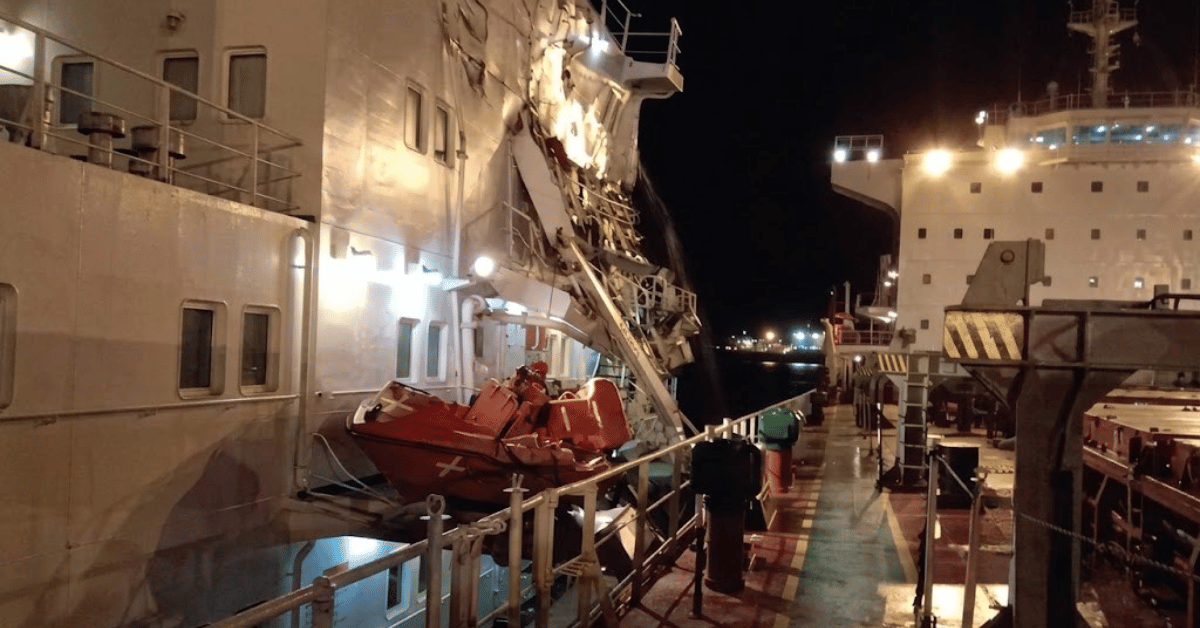
When Communication Fails: Ambiguous VHF Exchange Prevents TSS Collision
A bulk carrier and tanker collided in a Traffic Separation Scheme after an ambiguous VHF exchange, poor situational awareness, and inadequate checks before a major course alteration. When communication fails, the consequences are measurable and immediate. This incident underscores how human factors remain a leading cause of maritime accidents, a theme we explore further in our analysis of quantifying human factors in vessel loss-of-control risk models. Understanding these failures drives better protection at sea.
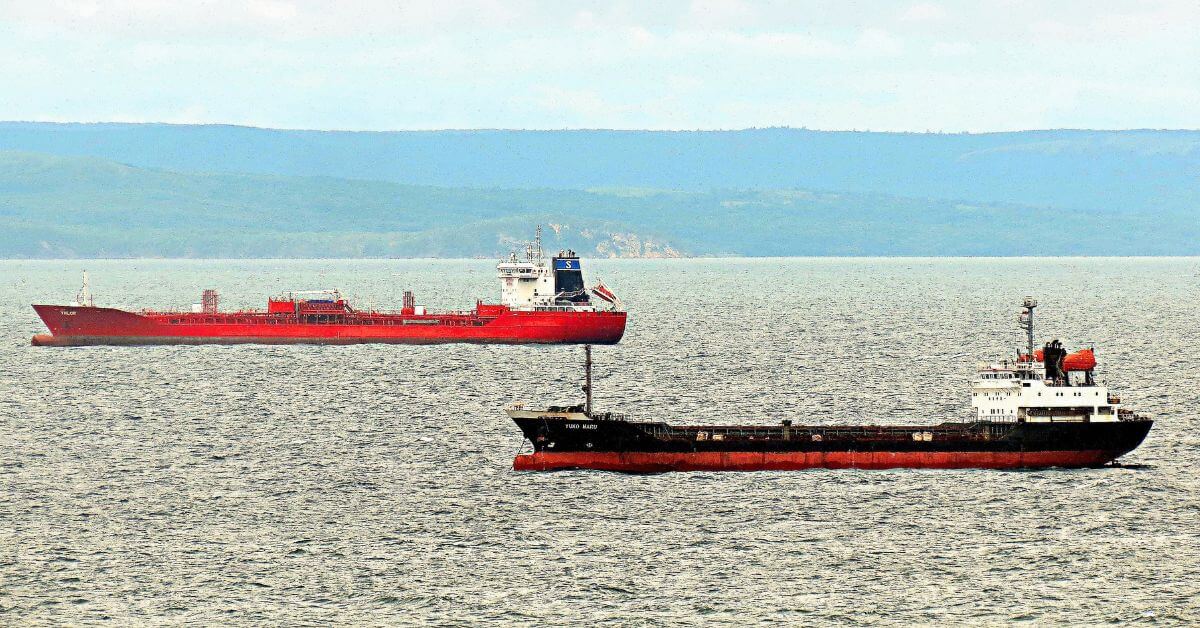
Delayed reports confirm five IRGC vessel incidents in the Strait of Hormuz
Five separate incidents involving IRGC vessels in the Strait of Hormuz were only confirmed after delayed reports reached the UKMTO on October 5, three of them dating back to October 3-4. This lag in reporting raises questions about transparency in one of the world's most critical maritime chokepoints. For broader context on regional maritime shifts, see our coverage of the calibrated movement of 2 million barrels of crude beyond the Strait. Understanding these patterns is essential.
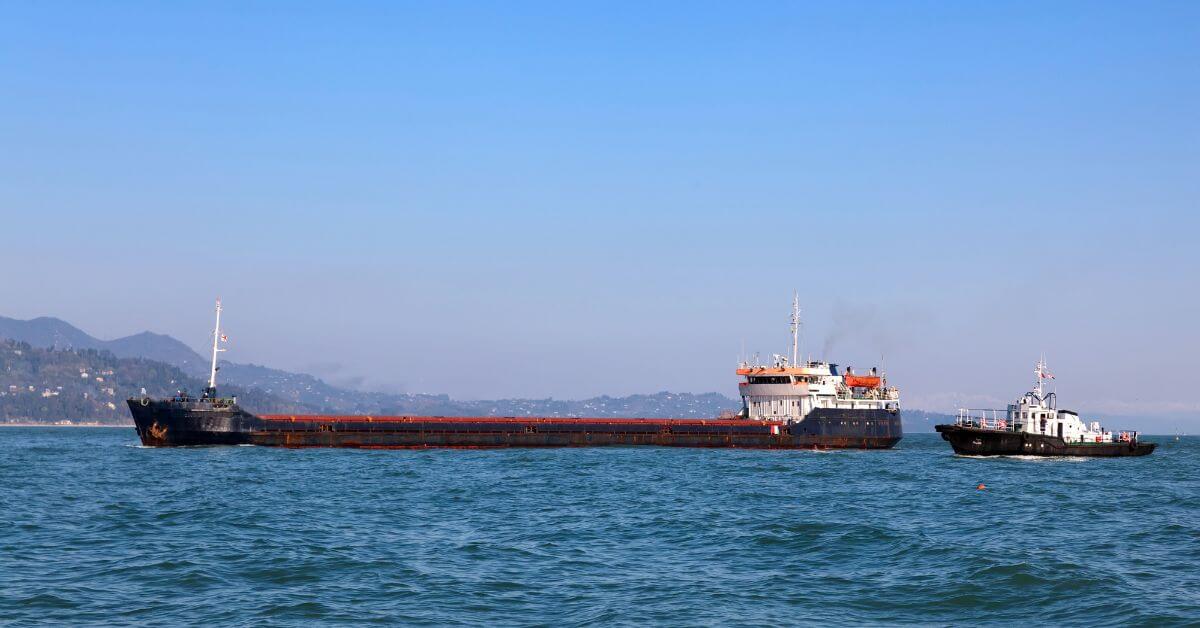
Collision in Valderhaugfjorden Triggers Maritime Detainment for Investigation
A collision involving three vessels in the narrow waters of Valderhaugfjorden, near Ålesund, has triggered a formal maritime detainment for investigation. Such incidents in constrained channels demand precise, empirical analysis of navigational data and human factors. The event underscores the persistent risks in congested sea lanes. For a parallel examination of maritime security challenges, our coverage of the delayed reports confirming five IRGC vessel incidents in the Strait of Hormuz offers further context.
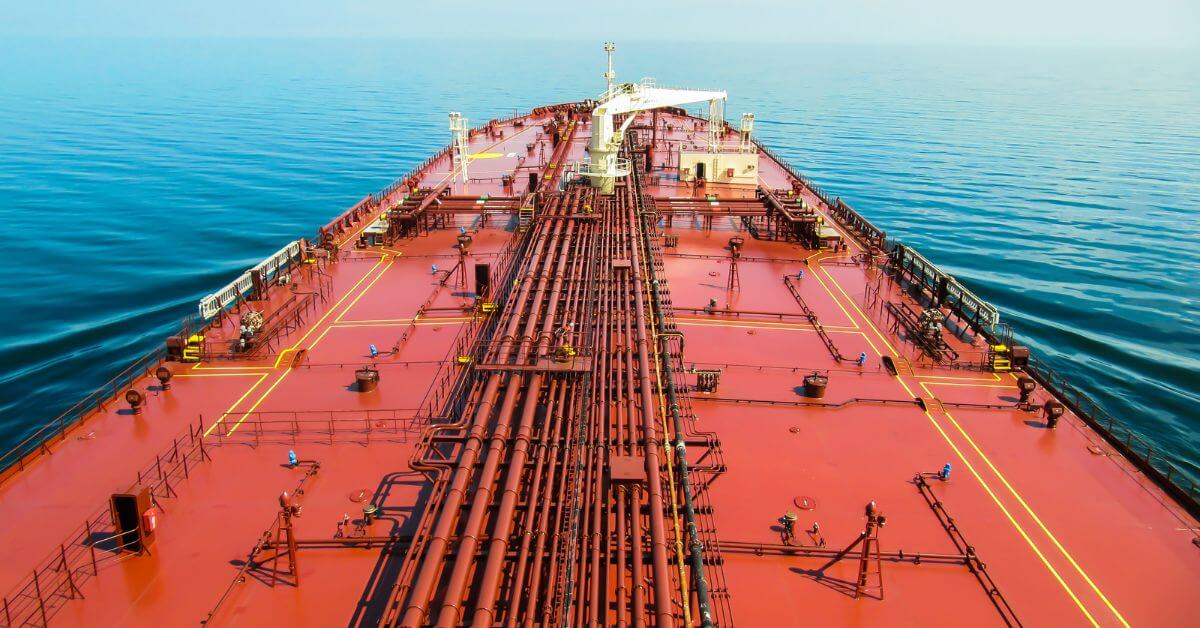
2 million barrels of crude move beyond the Strait of Hormuz in a calibrated shift
A calibrated movement of two million barrels of Iraqi crude has cleared the Strait of Hormuz, executed by the state-owned Iraqi Oil Tanker Company aboard a very large crude carrier. This is not a routine shipment; it is a measured exercise in strategic logistics. As naval defense evolves in the region, covered in our related reporting on laser deterrence, these shifts in energy transit demand the same empirical attention. Understanding drives protection.
Explosions Reported Near Tanker Transiting Regional Waters, Crew Unharmed
A crew witnessed explosions while their tanker transited regional waters today. The company security officer reported the incident; all personnel remain unharmed. Maritime safety demands vigilance, and this event underscores the need for reliable reporting networks. No injuries, but the pattern is concerning. For deeper context on how geopolitical shocks are reshaping shipping routes, see our related analysis, "Geopolitical shocks reshape shipping routes with measurable regional divergence."
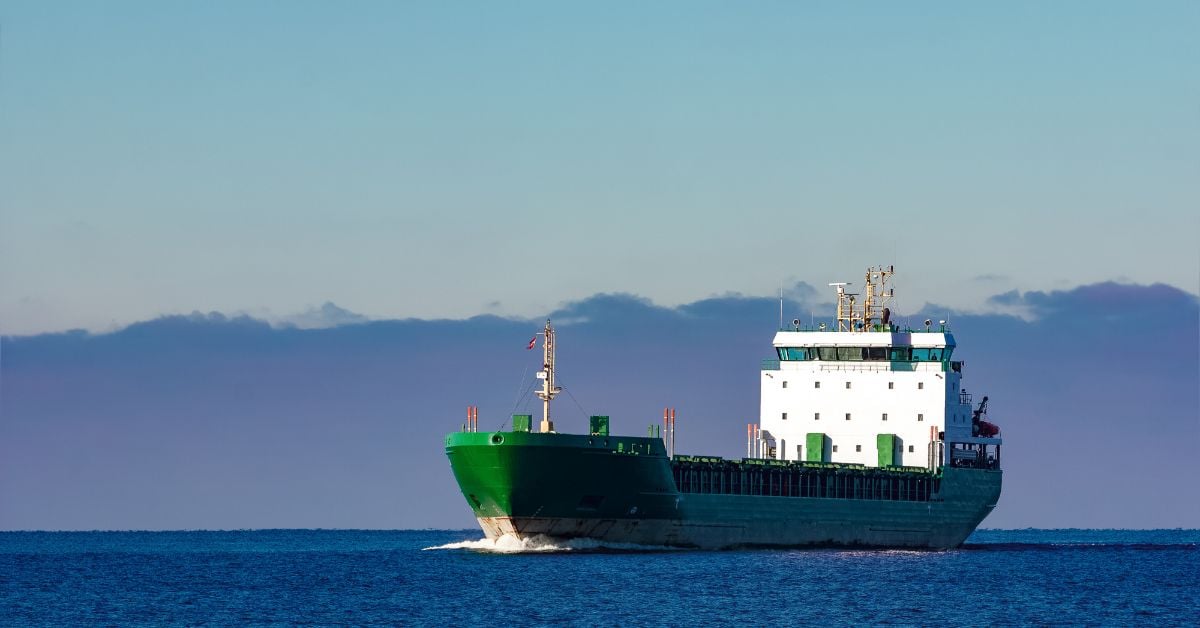
Baltic Cargo Route Disrupted as Gulf of Finland Vessel Detained
A cargo vessel, the *Vasterbotten*, has been detained by Russian border guards in the Gulf of Finland while en route to Estonia's Port of Sillamae, disrupting a key Baltic cargo route. This incident adds tension to a region already under maritime strain. For a broader view of these pressures, see our coverage of the 150 vessels idled in the same waterway. Such enforcement actions demand measured, empirical scrutiny.
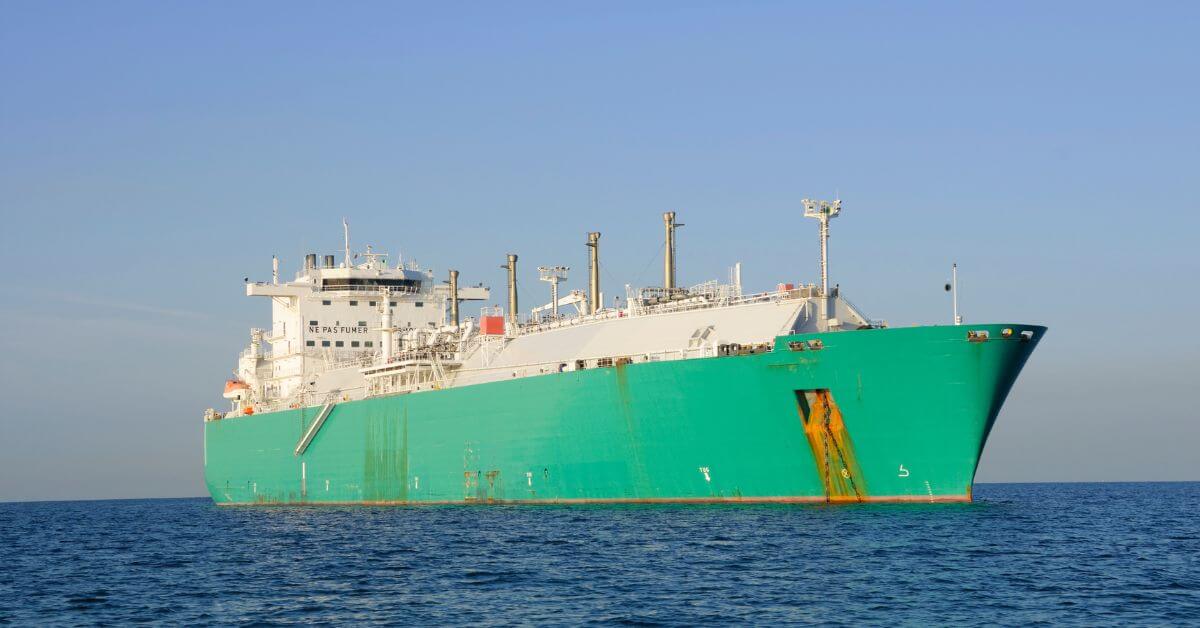
Negotiations Clear Strait of Hormuz for LNG Delivery to Pakistan
A Qatar-loaded LNG tanker has cleared the Strait of Hormuz and is now bound for Pakistan, following a negotiated arrangement with Iran. The delivery signals progress in a waterway where diplomatic friction has repeatedly threatened energy flows. For Pakistan, the cargo is more than a shipment; it is a test of whether phased talks can translate into reliable supply.
Strait of Hormuz Incidents Prompt Inquiry Into Tanker Impacts
Two tankers were struck by an unknown projectile or debris in the Strait of Hormuz on Monday, reigniting questions about the vulnerability of commercial shipping in one of the world's most vital waterways. The incident demands empirical scrutiny, not speculation, as we assess the measurable risks to vessels and crews. This is precisely why our coverage, including the recent report on Gulf of Oman STS transfers maxing out, must remain grounded in validated, real-time data.
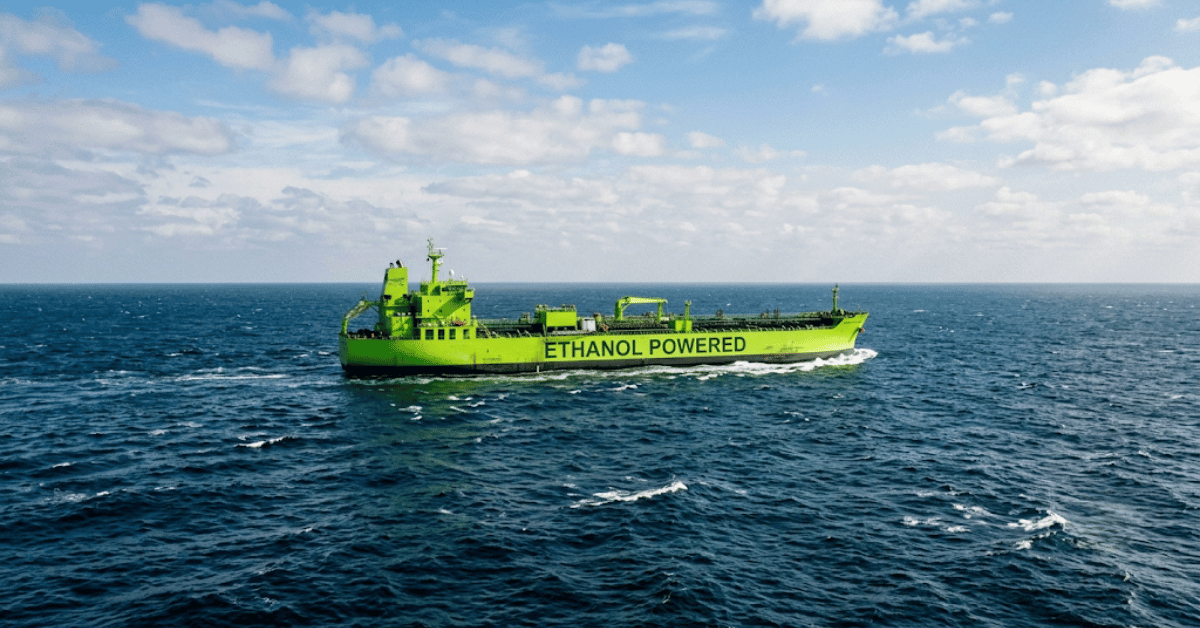
Advancing Sustainable Shipping: Ethanol-Fuelled Tanker Project Gains Momentum
A 50,000 dwt ethanol-fuelled MR tanker is moving from concept toward classification, with K Shipbuilding and Lloyd's Register now assessing feasibility ahead of an AiP. That is measured progress in a sector where fuel choice remains unsettled. Decarbonisation is not a single solution, and ethanol deserves scrutiny alongside LNG and ammonia. For context on alternative vessel design, our analysis of optimal LNG carrier capacity offers a useful comparison. We will follow this project's pathway to approval with interest.
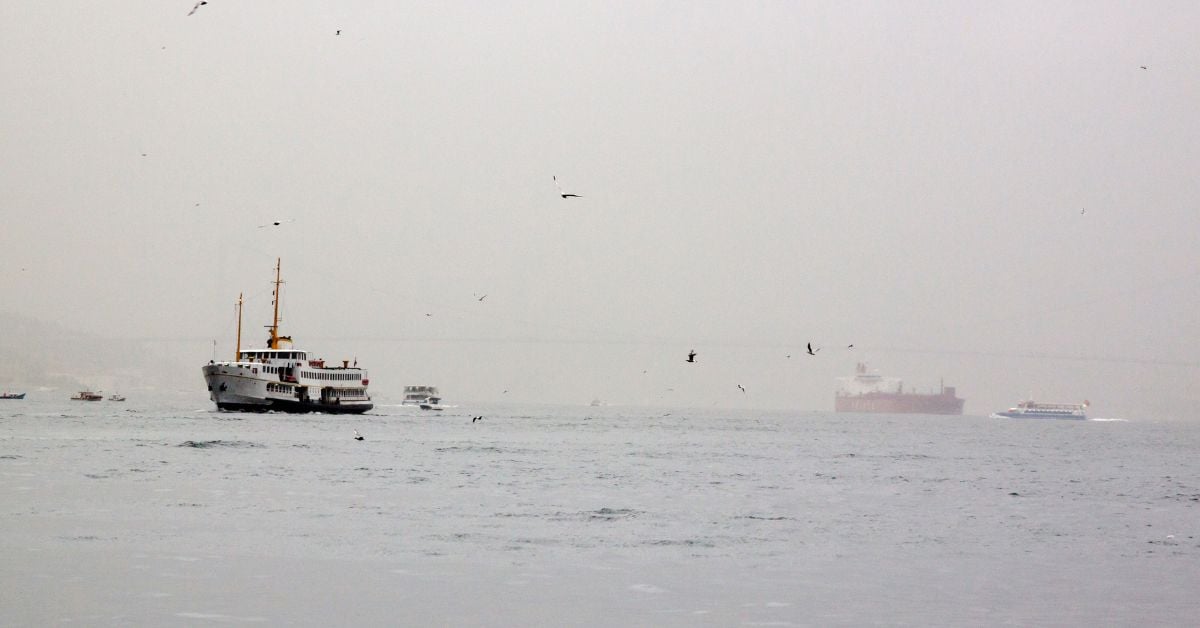
Body of Captain Recovered Following Sea of Marmara Collision
The recovery of Yaşar Kayhan's body, found five kilometers from the Sea of Marmara collision site, brings a somber closure to a search that began with uncertainty. Now transported to the forensic department, the focus shifts to determining the cause of death with empirical precision. This incident underscores the inherent risks of maritime operations, where every voyage carries measurable stakes. For deeper context on regional maritime dangers, our coverage of the fatal attack on a cargo ship in the Black Sea highlights similar vulnerabilities.
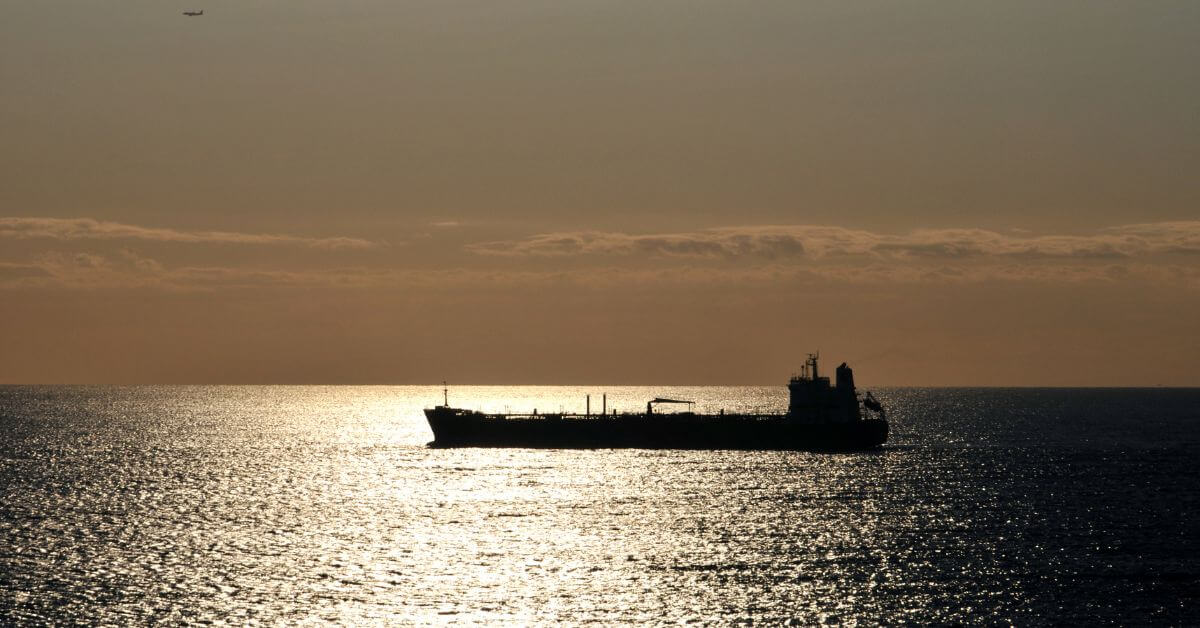
Disputed Incident: U.S. Challenges Iran's Account of Tanker Attack
The United States has rejected Iran's account that the Panama-flagged oil tanker El Gaia struck a naval mine in the Strait of Hormuz, casting further doubt on a waterway already strained by diplomatic friction. Attribution matters here, and so does verification. Disputed incidents like this one do not clarify; they complicate. The stakes are measurable, and the margin for error is thin.
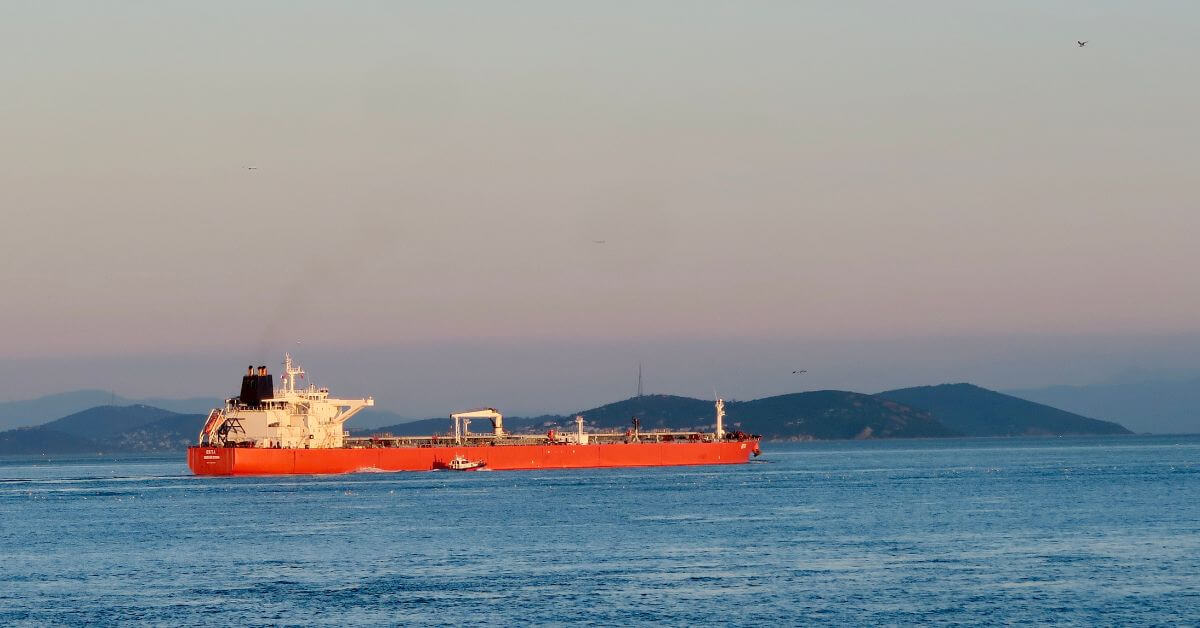
India Establishes Support Network to Safeguard Seafarers in Conflict Zones
India has moved to protect those who carry global commerce through unstable waters, establishing a support network for seafarers in conflict zones. The initiative addresses distress alerts, medical aid, and family communication during emergencies, practical, measurable safeguards for a dangerous reality. This is a purposeful step, and it aligns with the broader maritime momentum seen in our coverage of Paradip Port's designation as a Mega Port. Protecting the people at sea is as essential as expanding the infrastructure they serve.
Seafarer Missing After Ship Attack Near Oman Coast; Thirteen Rescued
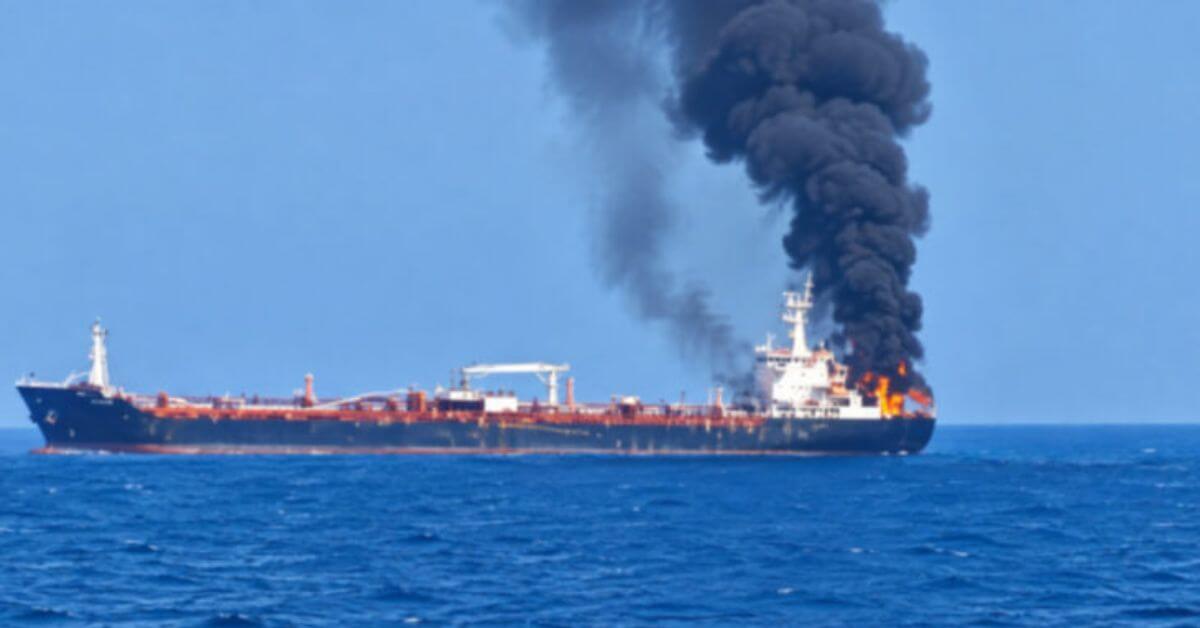
One Indian seafarer remains missing after an attack on a vessel near the Oman coast, while thirteen crew members have been rescued, India's Ministry of External Affairs confirmed. The incident underscores the persistent volatility of regional waters, where commercial traffic proceeds under tangible risk. Search efforts continue, though the outcome remains uncertain. For broader context on maritime pressure points, our related coverage of Gulf of Oman STS transfers offers useful perspective on the strategic strains shaping this corridor.
Shipping Lanes Under Scrutiny: Indian Crews Affected by Gulf Region Attacks
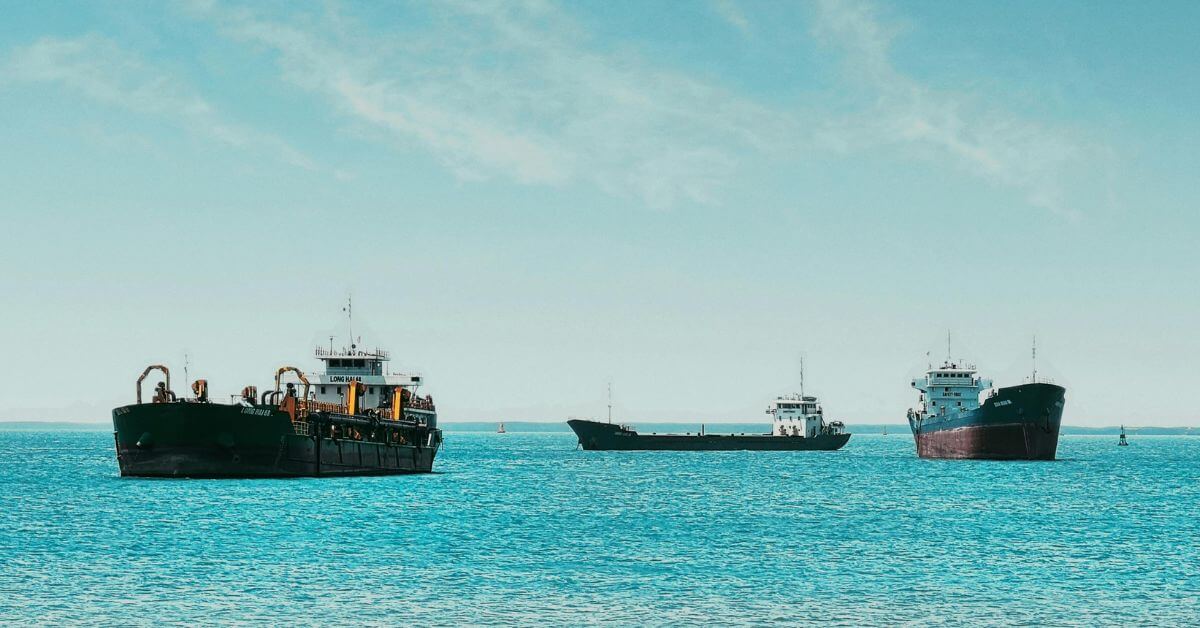
Three foreign-flagged vessels with Indian crew members were struck on September 8 and 9 as West Asia conflict escalates into shipping lanes. These attacks validate what we have long measured: maritime corridors are becoming direct targets. The crews are not combatants, they are professionals navigating volatile waters. Understanding drives protection, and this incident demands calibrated, empirical scrutiny. For deeper context on regional shipping pressures, our coverage of the Strait of Hormuz negotiations offers integrated analysis.
Albania Intercepts Tanker Linked to Russian Shadow Fleet Operations.
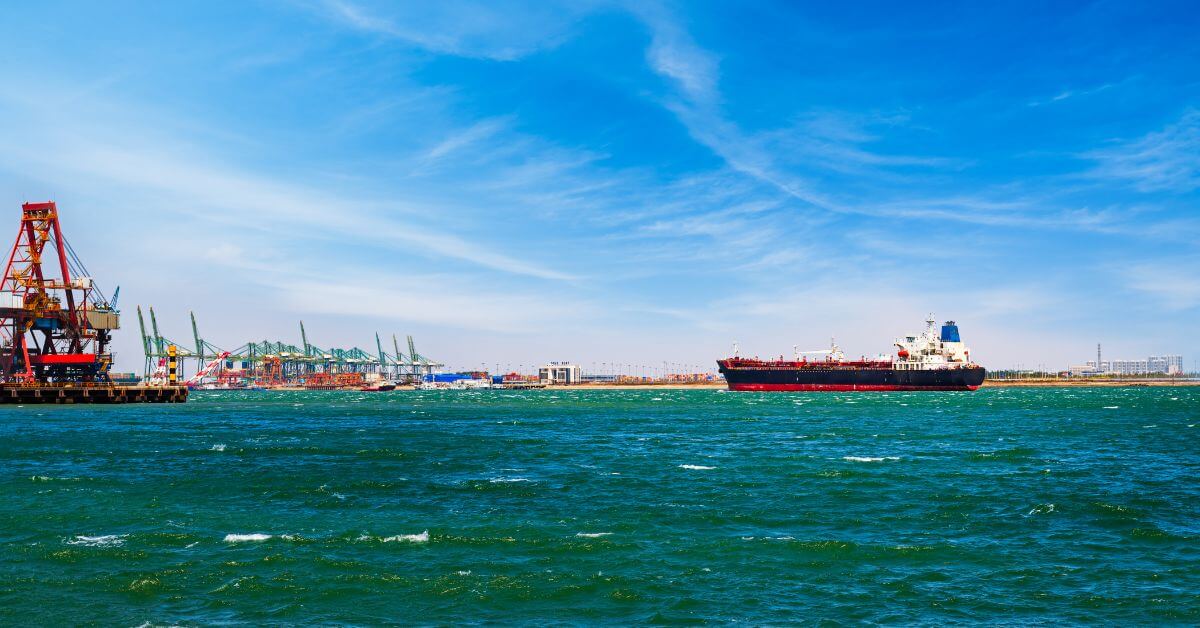
Albania has intercepted the Sierra Leone-flagged tanker HANUMAN, a vessel long tracked by Ukraine's Main Directorate of Intelligence for its role in Russian shadow fleet operations. This action underscores the measurable impact of coordinated maritime surveillance. Understanding these networks drives protection of global shipping integrity. For deeper context on how Russia is recalibrating its maritime revenue streams, see our analysis of the Northern Sea Route icebreaker fleet.
Qatar LNG Transits Strait of Hormuz, Marking a Shift in Flows
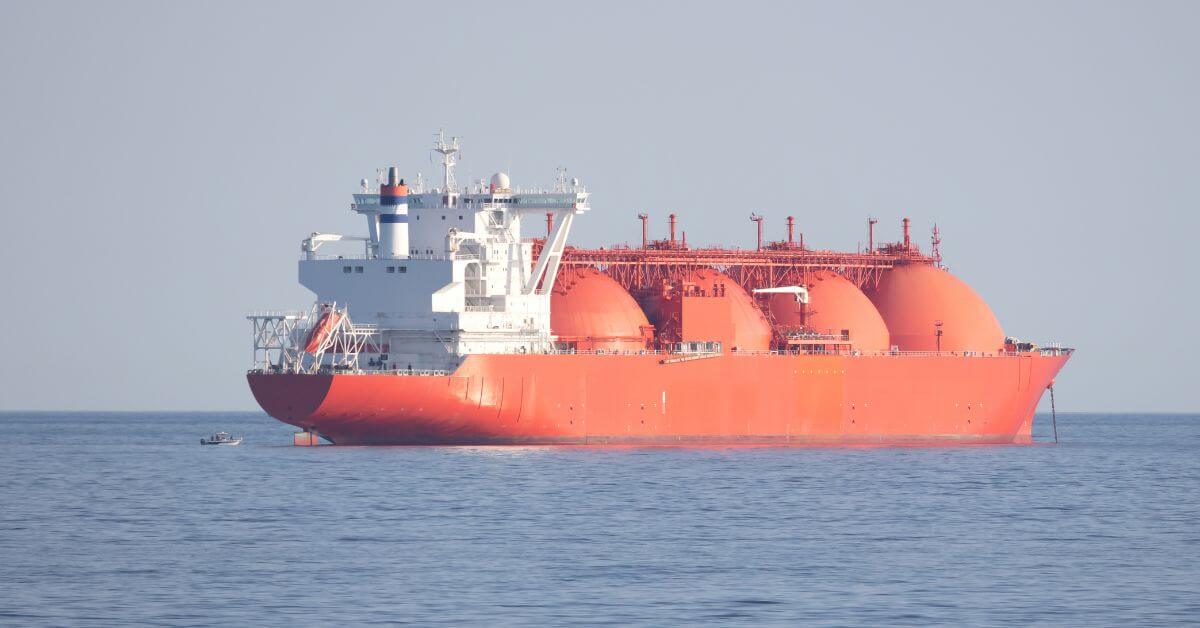
The Al Marrouna, a Qatari LNG carrier now transiting the Strait of Hormuz, signals a tangible recalibration of global energy flows. This is not just a vessel movement, it is a measured, empirical data point in a volatile corridor. We track these shifts because ocean intelligence demands precision, not alarm. For deeper context on regional capacity, see our analysis on Gulf of Oman STS transfers maxing out amid rising Saudi exports. Understanding drives protection.
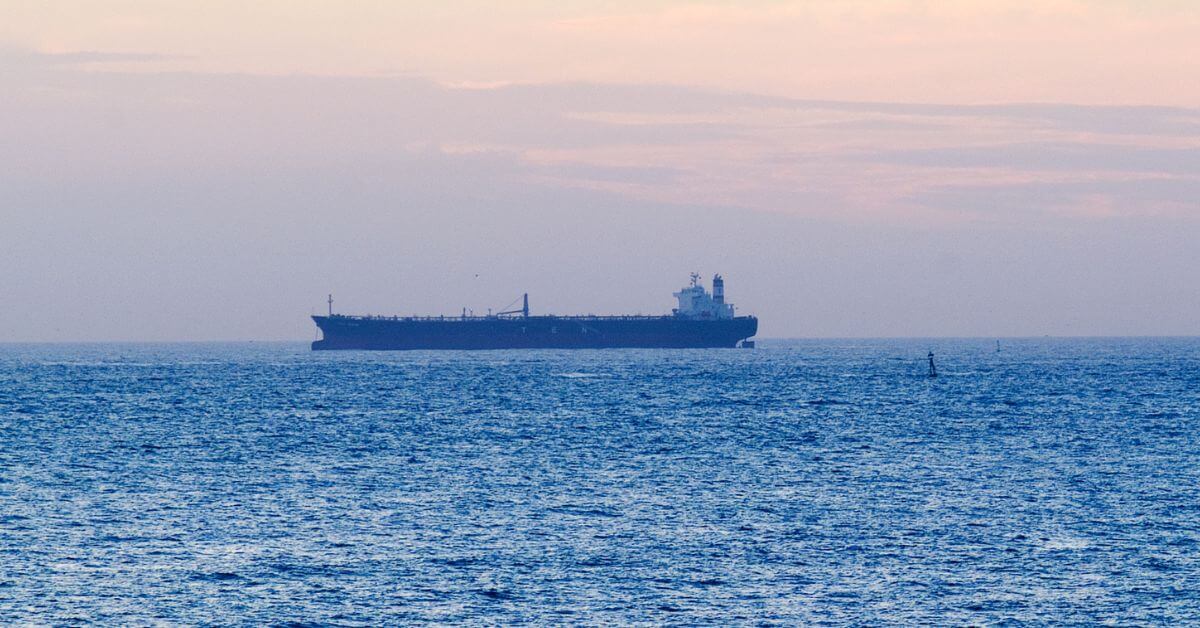
Strait of Hormuz Attack: Incident Highlights Regional Maritime Risks
Two Filipino crew members were killed in the attack on a Bahri vessel near the Strait of Hormuz. This is not an isolated incident; it is a measurable data point in a region where maritime risks are escalating. The human cost is validated by empirical reports from Saudi Arabia's shipping company. Understanding these threats drives protection of global trade routes. For deeper context, our article "Gulf of Oman STS Transfers Max Out Amid Rising Saudi Oil Exports" examines related capacity pressures.
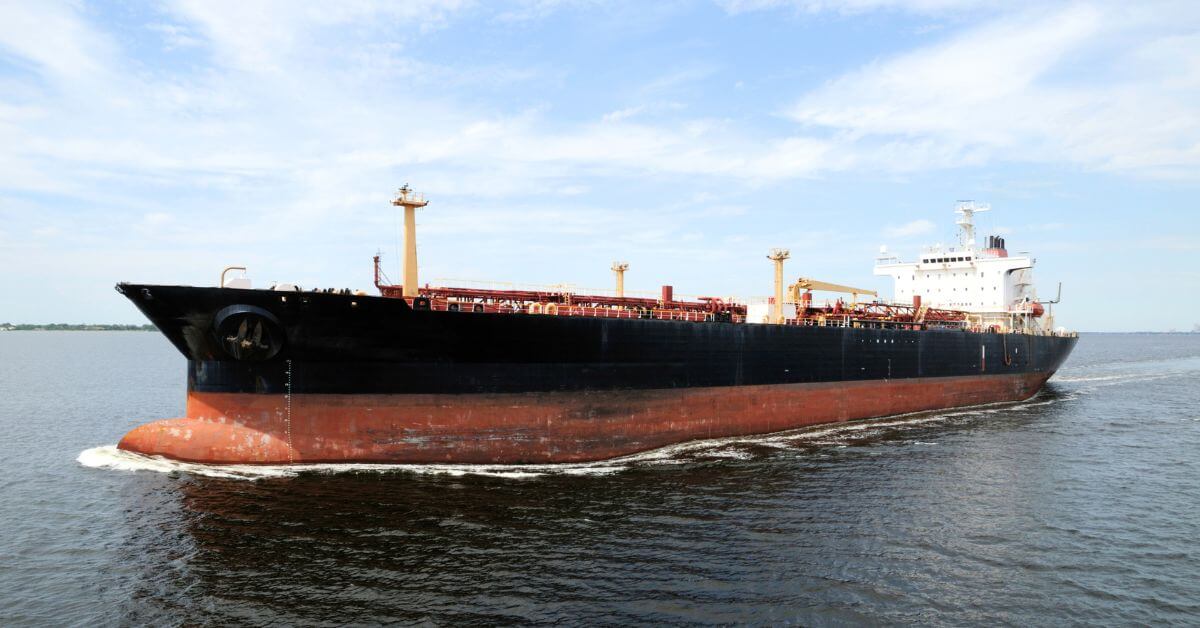
Yemen Investigates Sanctioned Tanker Incident, Scrutinizes Port Entry.
Yemeni authorities have opened an investigation into a sanctioned tanker's voyage, cargo, and documents, with particular scrutiny on its entry into Ras Isa. The move signals a firm, measured response to a vessel operating under heightened international restrictions. It is a necessary step toward accountability, though questions remain about how such entries were cleared in the first place. For broader context on regional pressure points, our coverage of Gulf of Oman STS transfers offers useful perspective.
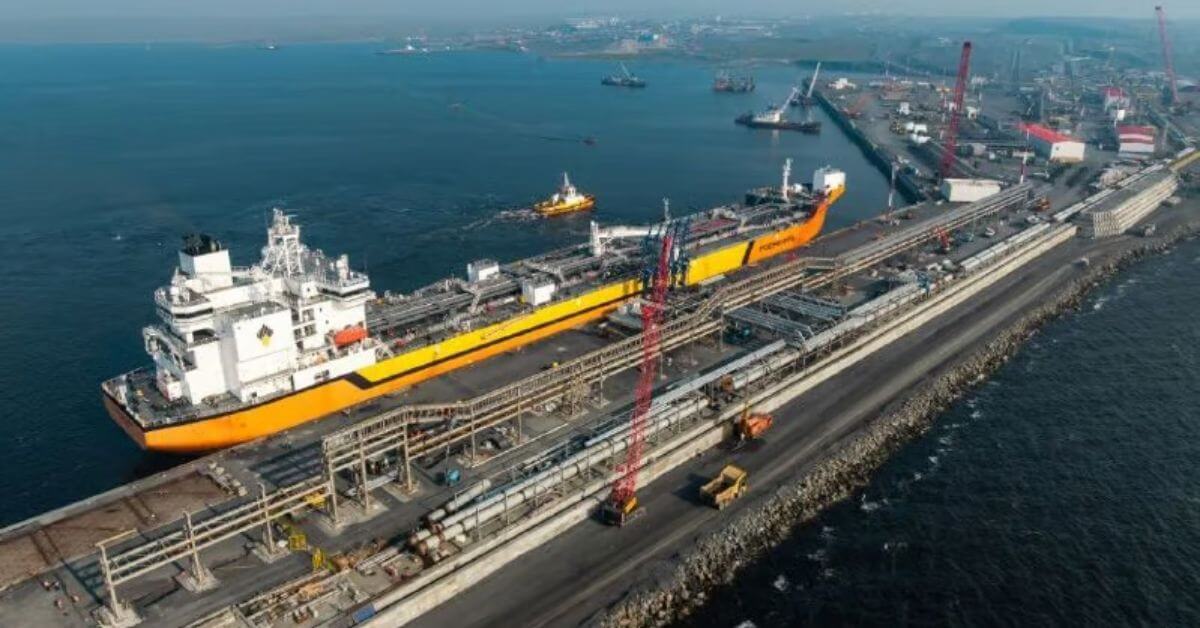
Arctic Route Gains New Supply: Vostok Oil Flows to Northern Sea Route
The first crude oil from Russia's Vostok Oil project has moved through the Arctic, adding a new supply line to the Northern Sea Route. It's a logistical step forward, but one that carries real strategic weight. The route's expansion is worth watching closely, especially as export revenues get recalibrated to fund new icebreakers. For a deeper look at that financial balancing act, our related coverage on Russia's export revenue plans is a useful next stop.
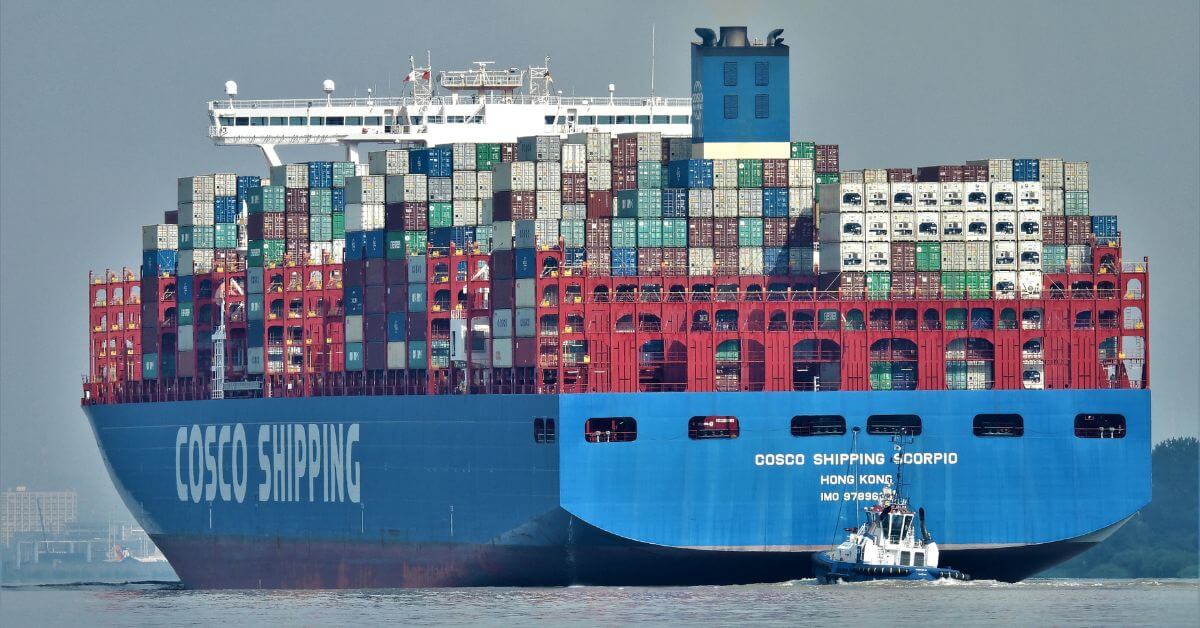
COSCO Rejects U.S. Claims of Espionage via Shipping Vessels
COSCO has firmly rejected U.S. accusations that its vessels collected military intelligence for Beijing, calling the claims unfounded. The denial cuts through a narrative that risks conflating legitimate global commerce with espionage, a distinction that matters for the rule-based shipping lanes the world depends on. Allegations without peer-reviewed evidence weaken trust, and trust is the ballast of maritime stability.
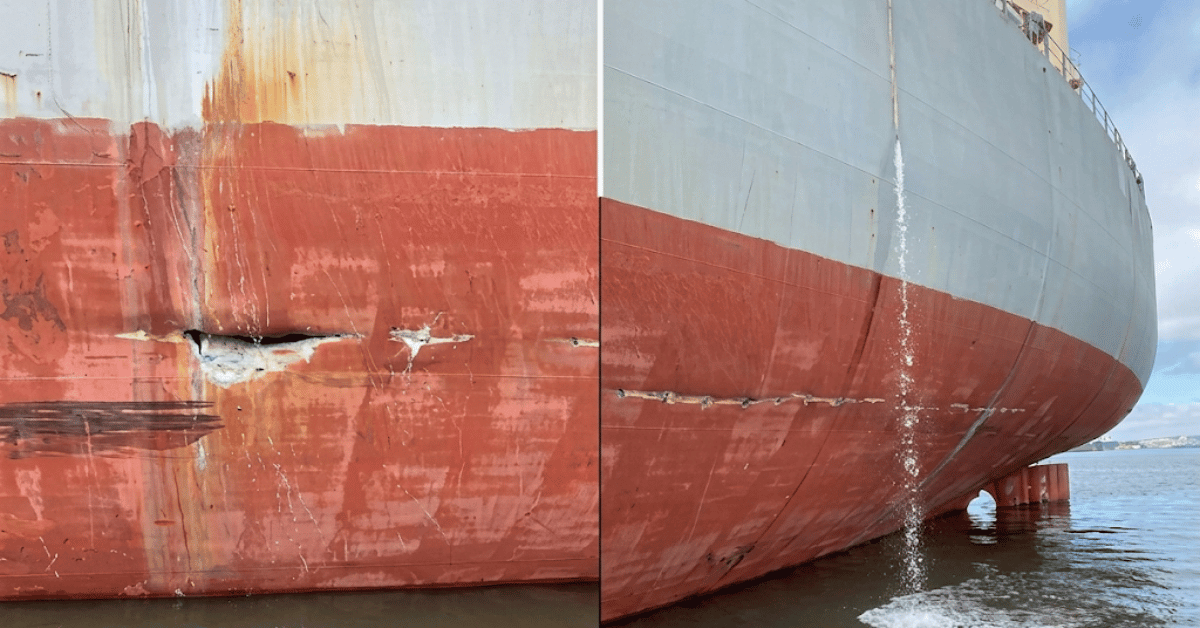
Navigation Error: Tug Misidentification Leads to Pier Collision.
A tug-name mix-up is a small error with outsized consequences. During a night-time departure, the misidentification led a tanker straight into the pier, a collision that was entirely avoidable. It is a sharp reminder that precision in communication is not a luxury but a necessity in maritime operations. This incident joins a growing list of navigation challenges we have covered, including the cargo ship fire near Mykonos, showing that vigilance remains the industry's most critical instrument.
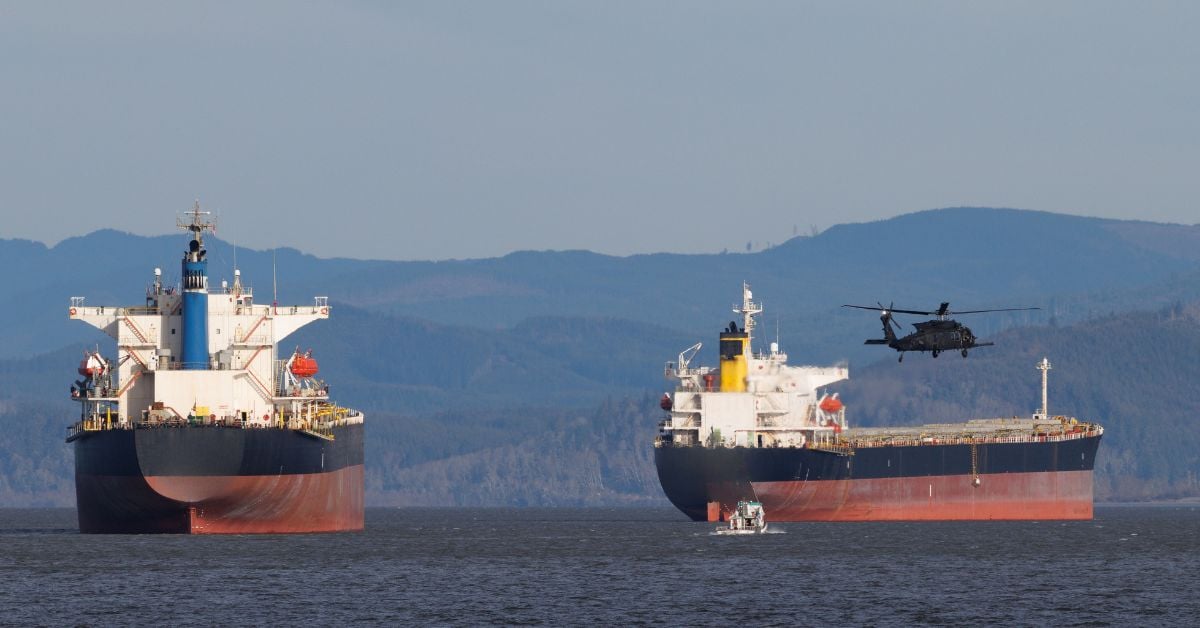
Cargo Ship Sinks Rapidly in Sea of Marmara Collision.
In the Sea of Marmara, a cargo ship carrying 4,200 tonnes of rolled steel sank in just 11 minutes after colliding with an empty chemical tanker. The speed of the loss is a stark reminder of how quickly maritime emergencies can escalate. Rapid response remains critical, yet this incident underscores the need for continuous scrutiny of vessel traffic and navigation protocols.
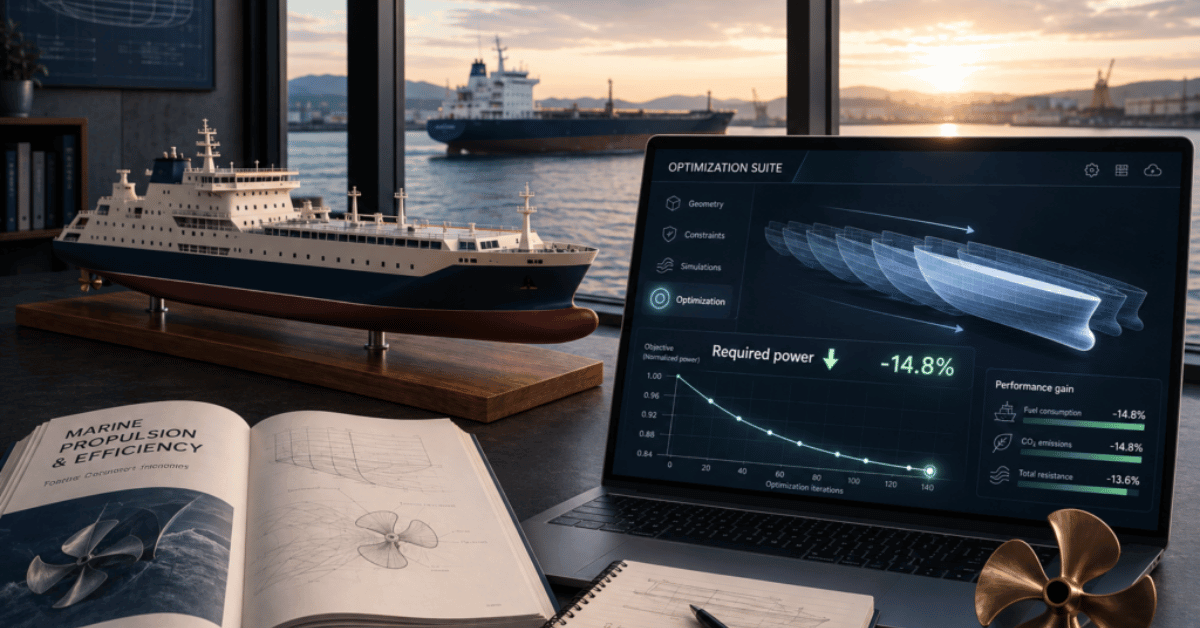
Optimized Ship Design: Numerical Tools Accelerate Sustainable Vessel Development
Numerical optimisation is reshaping how vessels are designed, and Deltamarin's expanded toolbox reflects that shift. By integrating simulation-driven methods into early-stage development, the company is targeting measurable efficiency gains rather than relying on incremental tweaks. It is a practical step toward lower emissions, grounded in engineering rigour. For broader context on how shipyards are strengthening design capabilities, our recent piece on Cochin Shipyard's stake in Conoship offers a useful parallel. The push for sustainable shipping is becoming a design discipline, not just a regulatory one.
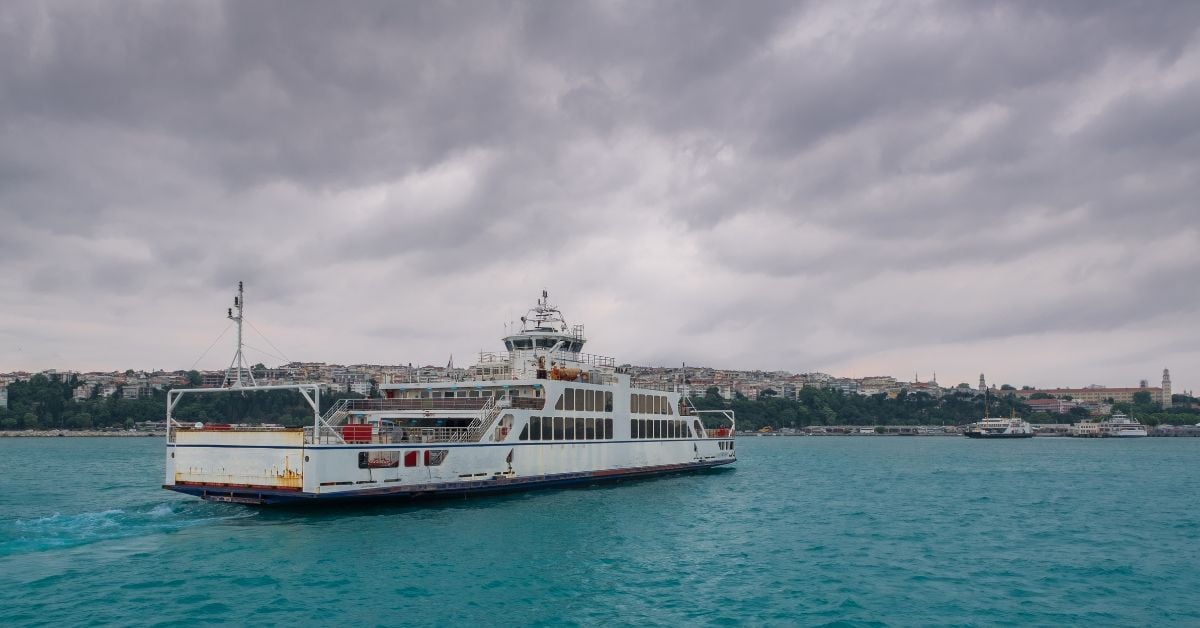
Ferry-Tanker Collision Near Penang Injures 21; Six Critically Conditioned
A collision between a ferry and a tanker off Malaysia's Penang Port has left 21 people injured, six of them in critical condition, authorities confirmed. Incidents like this underscore how swiftly maritime operations can turn perilous, even in familiar waters. The priority now is the stability of those severely hurt and a clear-eyed investigation into what went wrong. For context on how real-time ocean intelligence supports emergency response, our earlier piece, "Ocean Data Enables Swift Rescue of Injured Seafarer Near Andamans," offers a relevant parallel.