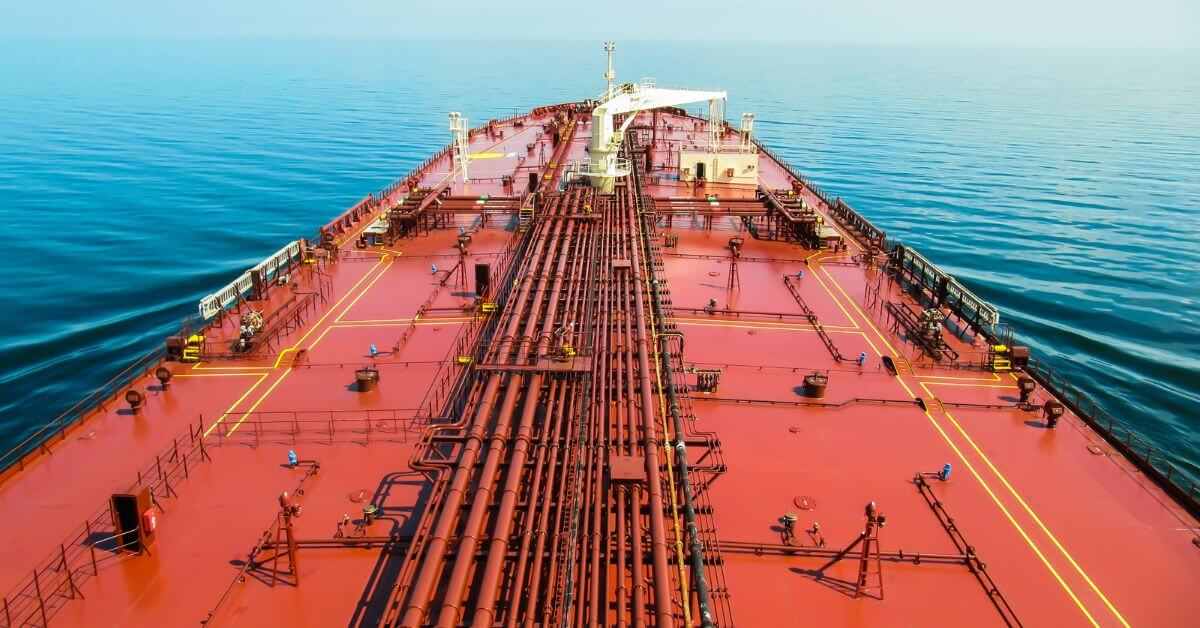
This is a calibrated shift in Iraq's oil logistics, and it carries implications well beyond the deck of a single VLCC. By moving two million barrels of crude beyond the Strait of Hormuz under its own charter for the first time in decades, the Iraqi Oil Tanker Company has quietly rewritten a longstanding dependency. The move gives SOMO, the country's marketing arm, real leverage at the negotiating table, flexibility to reach refiners unwilling to send their own vessels through a chokepoint that has become increasingly contested. It also reduces the discounts Iraq has traditionally had to offer buyers who accepted the risk of transiting the strait. For readers tracking energy security, this is not a minor operational tweak; it is a deliberate strategy to reclaim control over a supply chain that has been outsourced for generations.
The timing is revealing. As we reported in Laser Deterrence Deploys in the Strait as Naval Defense Enters a New Measured Era, the waterway itself has become a staging ground for advanced military deterrence, with high-energy laser systems now deployed on warships. And as Three Naval Vessels Retired After Four Decades of Measured Service reminds us, the vessels that once guaranteed passage are aging out of the fleet. Iraq's decision to move beyond simply loading at Basra and letting buyers handle the transit speaks directly to that hardening reality. The company's director general, Ali Qais Abdul Jabbar, has also confirmed instructions to pursue the purchase of its own specialized tankers. That signals a long-term investment in sovereign shipping capacity, not a one-off hedge. Iraq is betting that the ability to deliver crude past the strait, under its own flag, on its own schedule, is a structural advantage worth building toward.
What remains less clear is how this new capacity interacts with the permissions Iraq has historically obtained from Iran for passage through the strait. The relationship between Baghdad and Tehran on this waterway has always carried political weight, and Iran has demonstrated its willingness to close the strait during periods of conflict. For now, Iraq is expanding its options without directly challenging that balance. The practical consequence to watch is whether this leads to a measurable shift in Iraq's crude pricing relative to regional peers, and whether other Gulf producers begin to replicate the model. A single VLCC does not remake a market, but the intent behind it is unmistakable: Iraq is no longer content to let its oil stop at the port.