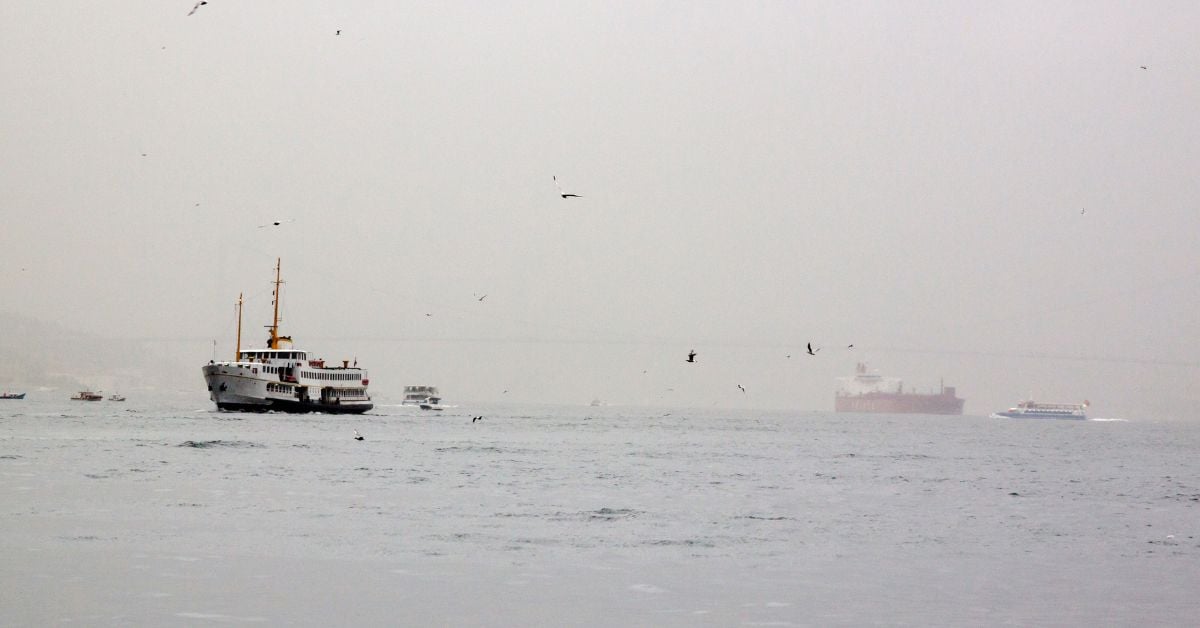
The recovery of Captain Yaşar Kayhan's body, found five kilometers from where his ship went down in the Sea of Marmara, closes one chapter of this incident while opening another. The forensic examination will now determine the cause of death, but the distance between the vessel and the recovery site raises questions that the official inquiry must answer. This is not a moment for speculation, but it is a moment for rigorous, methodical investigation. We see this as a case where the difference between a tragic accident and a systemic failure will be defined by the quality of the evidence collected and the transparency of the analysis that follows.
This incident does not exist in isolation. It follows a pattern of maritime emergencies across the region, from the Cargo Ship Fire Prompts Evacuation Near Mykonos; Incident Under Investigation to the Fatal Attack on Cargo Ship Highlights Black Sea Shipping Risks. Each event, whether a fire, an attack, or a collision, is a data point in a larger, more complex picture of maritime risk. We cannot treat these as isolated failures. The takeaway for our readers, particularly those in the shipping industry and policymaking bodies, is that the margin for error is shrinking. The recovery of a master's body is not just a grim procedural step; it is a signal that we must apply the same empirical rigor to accident investigation that we do to navigation and cargo handling. The related incidents underscore that the threat matrix is diverse, and our response must be equally comprehensive.
From a practical standpoint, this should push every operator to review their own safety protocols, not just in the Marmara, but wherever they sail. The fact that the body was found five kilometers from the site suggests a complex drift pattern, one that should be fed into search and rescue models and current-tracking systems. We would tell a reader who asks that the most important thing to watch is not the initial report, but the forensic findings and the official investigation report. The cause of death will tell us if the captain was alive after the collision, and if so, what that means for the timeline of the crew's response. That detail is not academic; it is the difference between a legal finding of negligence and a finding of unavoidable catastrophe.
The specific number to track in the coming weeks is the distance between the collision point and the recovery location. It is a small, measurable figure that carries significant weight. If the captain survived the initial impact, it changes the nature of the inquiry. If he did not, it validates a different set of procedures. We would advise our readers to hold this incident up against the Submerged Fishing Vessel Located, Human Remains Identified case, which demonstrates that closure can take years and that the ocean does not give up its secrets easily. The investigation is the product now, and its integrity will be measured by the consistency of the evidence. That is the standard we should demand.