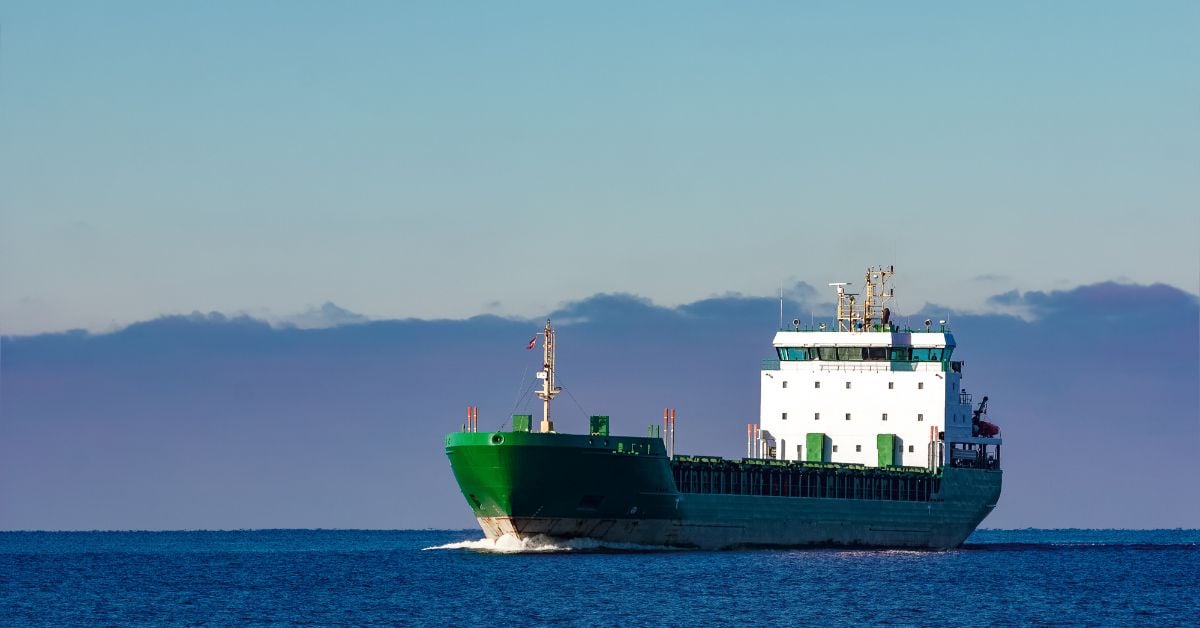
The detention of the cargo vessel *Vasterbotten* in the Gulf of Finland is not an isolated incident of maritime enforcement, it is a signal that the Baltic Sea's status as a reliable corridor for commercial shipping is eroding in real time. This is a practical problem, not a theoretical one. When a vessel bound for Estonia's Port of Sillamae is stopped by Russian Border Guards, the disruption cascades through scheduling, insurance, and supply chains in ways that are measurable and immediate. This event joins a pattern we have already documented: 150 vessels idle in Gulf of Finland as Baltic maritime traffic bottlenecks and a separate enforcement action halts fuel shipment bound for Cuba in Gulf transit. The cumulative effect is a choke point that demands empirical attention.
Our take is direct: the Baltic's integrated data ecosystem must now account for geopolitical friction as a primary variable, not a secondary risk. For researchers monitoring ocean intelligence, the *Vasterbotten* case offers a calibrated example of how non-environmental factors, sovereign enforcement, contested waters, and diplomatic standoffs, directly alter vessel movement patterns and port throughput. This is not about alarmism; it is about integrating new, validated indicators into our models. The 150 vessels already idling in the Gulf of Finland represent a measurable reduction in maritime efficiency. Add a detention event, and the longitudinal data begins to show a trend, not an anomaly. Climate indicators and shipping metrics are increasingly tangled with geopolitics, and our analytical frameworks must reflect that.
For policymakers and shipping operators, the practical consequence is clear: routing decisions now require real-time intelligence that goes beyond weather and fuel costs. The *Vasterbotten* detention raises open questions about the legal basis for such stops and the liability for cargo delays. Is this a one-off enforcement action, or the beginning of a pattern that will force rerouting through longer, more expensive passages? The parallel case of the captain of Russian-controlled bulker charged over 54,000 tonnes of Ukrainian grain shows that maritime legal exposure is increasing across the region. Operators who ignore this risk are not being cautious; they are gambling on stability that may no longer exist.
The specific detail to watch is the duration of the *Vasterbotten*'s detention. If it resolves quickly, the disruption may be absorbed. If it drags on, expect insurers to adjust premiums for the Gulf of Finland corridor, and expect ports like Sillamae to see diverted traffic. That is the concrete point: the cost of doing business in the Baltic just went up by an amount we can only calculate after this vessel is released. We will be watching the data.