tanker
56 stories filed under tanker on World Data Ocean. The newest of them: “Ferry-Tanker Collision Near Penang Injures 21; Six Critically Conditioned”, “Strait of Hormuz: Iran Investigates Bulk Carrier Over Pollution Incident”, and “Strait of Hormuz Incident Raises Concerns Over Maritime Security and Trade.”. A collision between a ferry and a tanker off Malaysia's Penang Port has left 21 people injured, six of them in critical condition, authorities confirmed. Iran's investigation into a bulk carrier over a pollution incident in the Strait of Hormuz underscores the region's mounting environmental scrutiny. A Global Hub for Ocean Intelligence 4 World Data Ocean is a centralized digital platform where researchers, scientists, and ocean enthusiasts converge to… The list below is every tanker story on World Data Ocean, newest first.
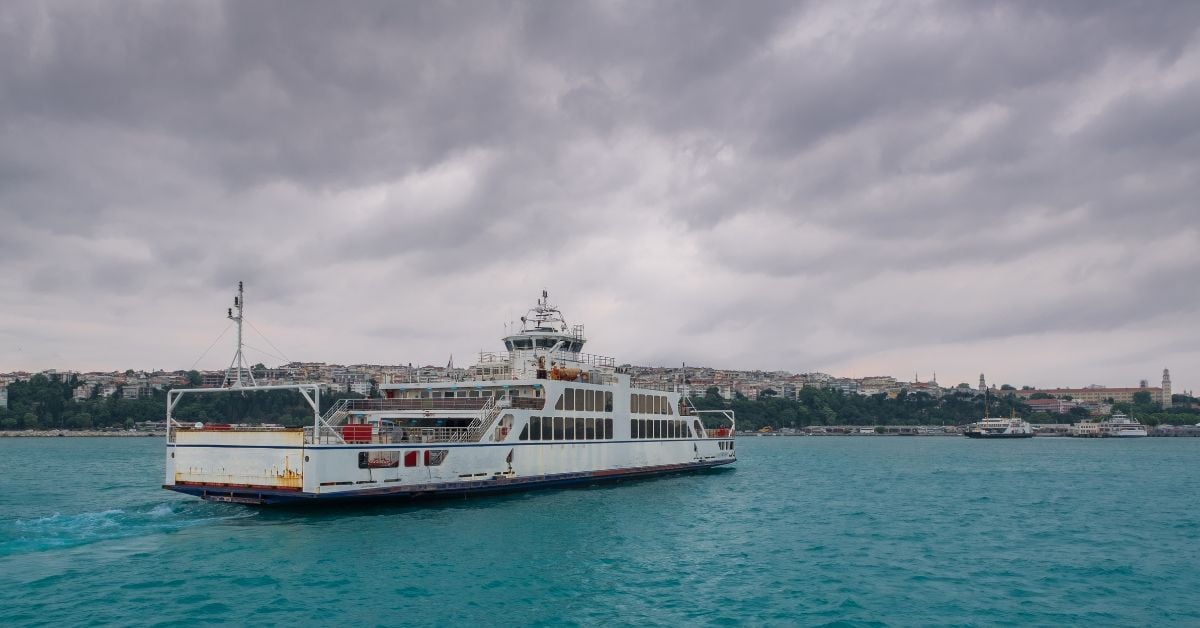
Ferry-Tanker Collision Near Penang Injures 21; Six Critically Conditioned
A collision between a ferry and a tanker off Malaysia's Penang Port has left 21 people injured, six of them in critical condition, authorities confirmed. Incidents like this underscore how swiftly maritime operations can turn perilous, even in familiar waters. The priority now is the stability of those severely hurt and a clear-eyed investigation into what went wrong. For context on how real-time ocean intelligence supports emergency response, our earlier piece, "Ocean Data Enables Swift Rescue of Injured Seafarer Near Andamans," offers a relevant parallel.
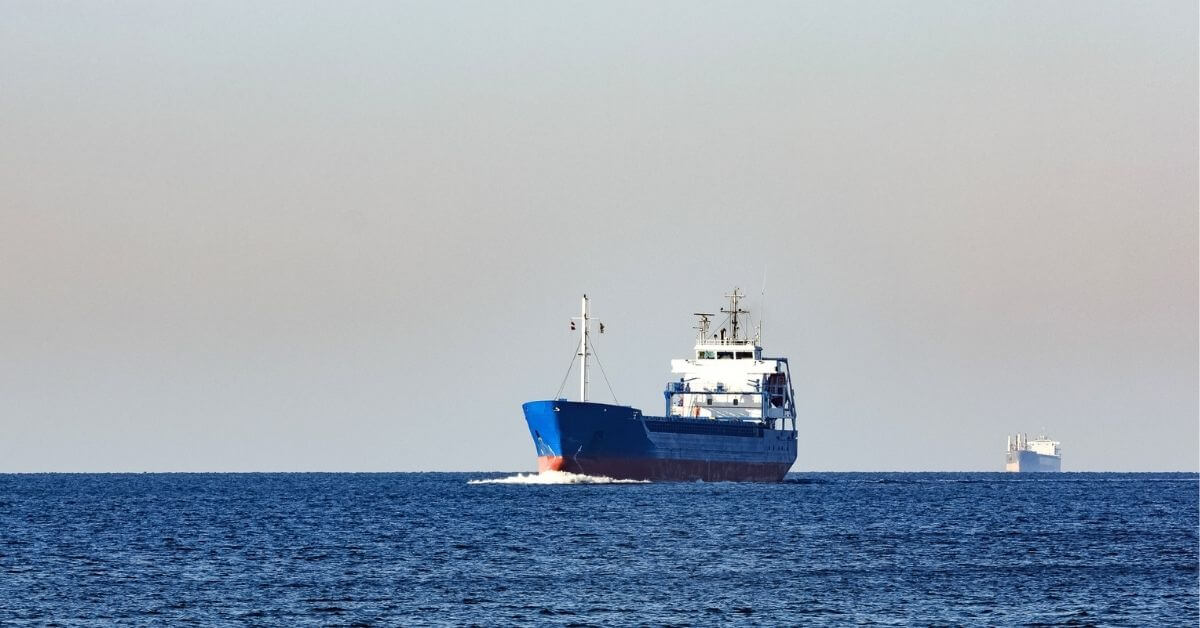
Strait of Hormuz: Iran Investigates Bulk Carrier Over Pollution Incident
Iran's investigation into a bulk carrier over a pollution incident in the Strait of Hormuz underscores the region's mounting environmental scrutiny. The vessel remains under judicial proceedings, even as authorities confirm the contamination has been cleaned. Enforcement here is as much about accountability as it is about prevention. For context on how pressure builds across these waters, our coverage of Gulf of Oman STS transfers maxing out offers a useful parallel. Measured oversight, applied consistently, is what protects vital chokepoints.
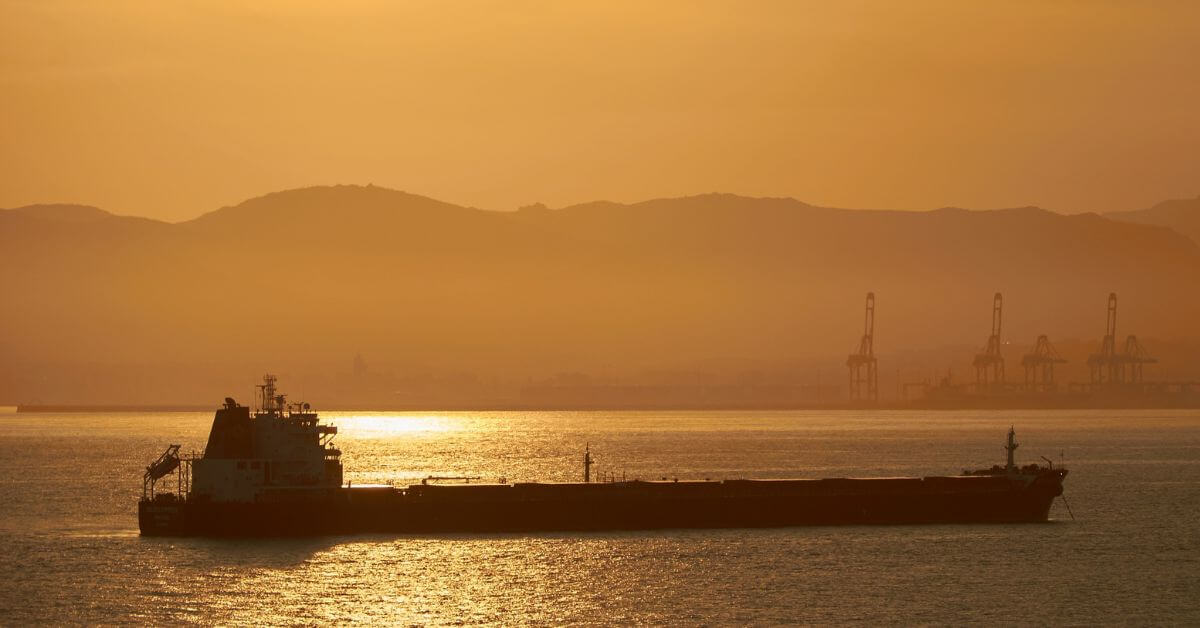
Strait of Hormuz Incident Raises Concerns Over Maritime Security and Trade.
New tolls and targeted attacks in the Strait of Hormuz are not abstract threats; they are live disruptions to the trade routes that move global energy. Iran's actions against vessels it accuses of bypassing its preferred path introduce a volatile new layer of risk, turning a critical waterway into a flashpoint. This escalation demands measured, empirical observation.

Attacks Target Key Ukrainian Black Sea Port Infrastructure.
Russia's latest strikes on Ukrainian Black Sea port infrastructure, including Pivdennyi and Odesa, along with fuel storage at Chornomorsk, underscore a deliberate strategy to disrupt maritime export capacity. These are not incidental hits; they are calibrated pressure on a critical economic artery. The pattern echoes broader efforts to constrain Ukraine's access to global markets, as seen in our related piece, "Russia Calibrates Export Revenue for Northern Sea Route Icebreaker Fleet." For now, the resilience of these ports remains the counterweight to Moscow's campaign.

Drone Strikes Target Bulk Carrier Near Novorossiysk, Sparking Fire.
A Greek-owned bulk carrier is burning near Novorossiysk after at least five drones struck the vessel as it approached to load grain. The attack, which ignited flames aboard the ship, underscores how maritime routes are becoming active fronts in this conflict. The targeting of commercial shipping is a serious escalation with global implications for food security and navigation. This incident echoes the patterns detailed in our related coverage, "Russia Calibrates Export Revenue for Northern Sea Route Icebreaker Fleet," highlighting Moscow's broader maritime strategy.

Tanker Stopped Near Strait of Hormuz; AIS Data Under Review.
AIS tracking data placed the Liberia-flagged tanker *Amara* in a sudden stop south of Qeshm Island during its inbound transit of the Strait of Hormuz. A halt of this kind, in such a critical maritime corridor, warrants close observation rather than speculation. The review of the vessel's movement data will be the measure of what happens next. For broader context on the region's shifting oil flows, our piece on Gulf of Oman STS transfers offers useful perspective.

Integrated Response: Salvage Operation Underway for Tanker Near Oman.
Specialist personnel have boarded the tanker near Oman with support from the Royal Air Force of Oman, marking the first calibrated step in a salvage operation that demands precision. Assessing conditions onboard is the immediate priority, and this measured approach reflects the discipline such emergencies require. The response is methodical, not theatrical, which is exactly right. For broader context on regional risks, our related coverage of the fatal attack on the bulk carrier MV Cape Dao offers a sobering parallel.

Increased Naval Presence: UK Monitors Rising Russian Activity.
The latest figures land with quiet precision: UK authorities released new data on Russian naval activity weeks after interdicting a sanctioned shadow fleet tanker in the English Channel. This is measured escalation, not alarm. Intercepting that vessel sent a clear signal, and the numbers now confirm why. For readers tracking broader maritime pressure, India's fleet expansion offers a parallel thread. But here, the focus stays local: surveillance, deterrence, and the unglamorous work of patrolling our own waters.

Captain Sentenced for Evading Coast Guard in Extensive Pursuit.
On June 12, 2026, Kalandadze, a 47-year-old Georgian national, pleaded guilty to failing to stop for a Coast Guard cutter after an extensive pursuit. Evading law enforcement at sea is not a victimless maneuver; it undermines the very rules that keep our ocean commons secure. Such actions demand accountability. For readers tracking maritime security and governance, our coverage of the "Integrated Subsea Cables Enhance Data Transmission Across the Indian Ocean" offers a broader view of how critical ocean infrastructure intersects with enforcement challenges.

Missile Attack on ADNOC Vessel Highlights Regional Maritime Risks
On August 8, 2026, a missile attack on an ADNOC vessel crossing the Strait of Hormuz underscored the fragility of regional maritime routes. The incident is a measured reminder that shipping lanes remain exposed to geopolitical friction. Such strikes do not occur in isolation; they strain the integrated data ecosystems that monitor these waters. For context on diplomatic efforts, our related piece, "Phased Negotiations Aim to Ease Restrictions on Strait of Hormuz," outlines ongoing talks.

Strait of Hormuz Attack: Search Underway for Missing Engineer
The Strait of Hormuz is narrow, strategic, and now the site of a search for a missing engineer. The third engineer of the Liberian-flagged bulk carrier Minoan Pioneer has gone missing following an attack on the vessel. The human cost is immediate, even as the geopolitical currents shift around this waterway. While negotiations aim to ease restrictions, the reality of risk remains.

Disruption in Hormuz: LNG Tanker Damaged Amidst Red Sea Shipping Activity
An engine room breach on a Qatari LNG carrier near the Strait of Hormuz is a measured reminder of how fragile this waterway has become. The vessel, loaded in late July, sustained damage without casualties, yet the incident sharpens the focus on a region already stretched thin. As Gulf of Oman STS transfers hit capacity, the pressure compounds. This is not alarmism; it is empirical stress on a critical artery.

Sanctions Enforced: Italian Navy Intercepts Tanker in Mediterranean Operation
The Italian Navy's interception of the sanctioned tanker *Toa Payoh* west of Pantelleria is a decisive enforcement of EU measures, and it sends a clear signal about maritime accountability. This operation demonstrates that sanctions are not abstract policy; they are backed by tangible, calibrated action in strategic waters. The Mediterranean remains a focal point for geopolitical tension, and this interdiction underscores the necessity of persistent naval vigilance.

Oman Incident: Explosion Near Tanker Highlights Regional Maritime Risks
An explosion was heard near an oil products tanker approximately 20 nautical miles northeast of Khasab, Oman, at 4:37 am on Monday, underscoring the persistent volatility shadowing regional shipping lanes. The incident, while brief, is a measured reminder that maritime transit here remains exposed to sudden, destabilizing events. Such moments demand calibrated observation, not alarm. For context on how these waters are already straining under pressure, our related piece on Gulf of Oman STS transfers maxing out offers useful perspective.

Oil Spill Expands Near Oman, Linked to Russian-Flagged Tanker.
The Caroline Bezengi, laden with Russian crude from Novorossiysk, now trails an expanding oil slick near Oman's coast. The spill's link to a vessel at the heart of sanctioned trade routes is no coincidence; it is a measurable consequence of geopolitical pressure applied at sea. This incident underscores how quickly environmental risk follows maritime decision-making. For context on the broader pattern, our related piece, "Russia Calibrates Export Revenue for Northern Sea Route Icebreaker Fleet," examines Moscow's ongoing calculations.

QatarEnergy LNG Transit Signals Shift in Regional Trade Dynamics
The Al Areesh's passage through the Strait of Hormuz on July 29, following its July 4-6 loading at Ras Laffan, signals a measured recalibration of regional trade flows. This is not alarm, but observation: energy routes are shifting, and QatarEnergy LNG sits at the center of that realignment. The vessel's transit carries weight precisely because it is routine. For deeper context on how nearby waters are straining under increased traffic, our related coverage on Gulf of Oman STS transfers maxing out offers a useful parallel.

Intercepted Tanker Highlights Ongoing Crude Oil Theft Concerns Off Nigeria
The interception of a tanker linked to suspected crude oil theft at the Utue Offshore Oil Terminal underscores a persistent challenge to maritime security and resource accountability. This action, driven by intelligence reports, signals a firm response to illegal operations that undermine both economies and ecosystems. The incident is a measured reminder that vigilance remains essential, though enforcement alone may not resolve the deeper vulnerabilities enabling such activities.

Bulgaria Investigates Kairos Tanker Amidst Oil Pollution Concerns in Burgas Bay
Bulgaria's Maritime Administration has ordered investigation teams to examine the sanctioned motor tanker Kairos, following concerns over a possible oil leak in Burgas Bay. This is a measured, necessary step, one that prioritizes empirical verification over speculation. When a vessel's integrity is questioned, the response must be calibrated and transparent. The Kairos case echoes other maritime challenges we've covered, such as the bulk carrier grounding near Gladstone, and reinforces why real-time, integrated oversight matters.

U.S. Verifies Tanker in Gulf of Oman, Voyage Continues.
A U.S. verification boarding of the Comoros-flagged tanker M/T Charminar in the Gulf of Oman proceeded without incident, and the vessel has since resumed its voyage. Such checks are calibrated, routine measures that sustain maritime transparency. They reinforce the integrated data ecosystem that keeps vital shipping lanes open. For context on the pressures shaping these waters, our related coverage on Gulf of Oman STS transfers maxing out offers a clearer picture. Verification is not disruption; it is the empirical anchor of safe passage.

Shipping Route Shift: Supertanker Alters Course Amid Red Sea Tensions
A supertanker bound for Yanbu turned back before reaching the Bab el-Mandeb Strait, a quiet but telling correction in a crowded maritime corridor. The move reflects how swiftly risk reshapes routing decisions, even for cargoes already committed. We read this as a practical response to tension, not alarm. For broader context on regional pressure points, our coverage of Gulf of Oman STS Transfers Max Out Amid Rising Saudi Oil Exports offers a useful parallel. The ocean rewards adaptability; this diversion proves the point.

Black Sea Incident: Sailor Dies, Two Injured Aboard LPG Tanker
A sailor has died and two Filipino crew members are injured after an incident aboard an LPG tanker in the Black Sea. The two survivors remain in intensive care, listed in stable condition. The human toll of this waterway's instability is measurable, and it is a cost we cannot calibrate away. For broader context on the region's escalating risks, our report, "Strikes Target Ports and Vessels in Confirmed Military Action," details the ongoing threats to commercial shipping.

Red Sea Incident: Vessel Fire Follows Houthi Blockade Announcement
A fire aboard a vessel in the Red Sea has followed the Houthi rebels' announcement of a naval blockade on Saudi Arabia, escalating a volatile maritime corridor. The move signals a deliberate tightening of pressure on shipping lanes that carry global trade. We read this as a calculated escalation, not a casual threat. For context on how these disruptions ripple outward, our related piece, "Eighty Nations Urge Reopening of Vital Strait of Hormuz Shipping Lane," details the diplomatic stakes.

Hijacked Vessel Crew Receives Aid as Situation Develops Off Somalia
Aid is reaching the crew of the hijacked vessel off Somalia, with reports confirming that food supplies have been delivered aboard. The situation remains fluid, and the safety of those onboard is the immediate priority. This incident is a stark reminder of the persistent risks in the region's waters. For broader context on maritime security pressures, our related coverage on Puntland forces intercepting a hijacked tanker offers a relevant comparison. We will continue to monitor this operation.
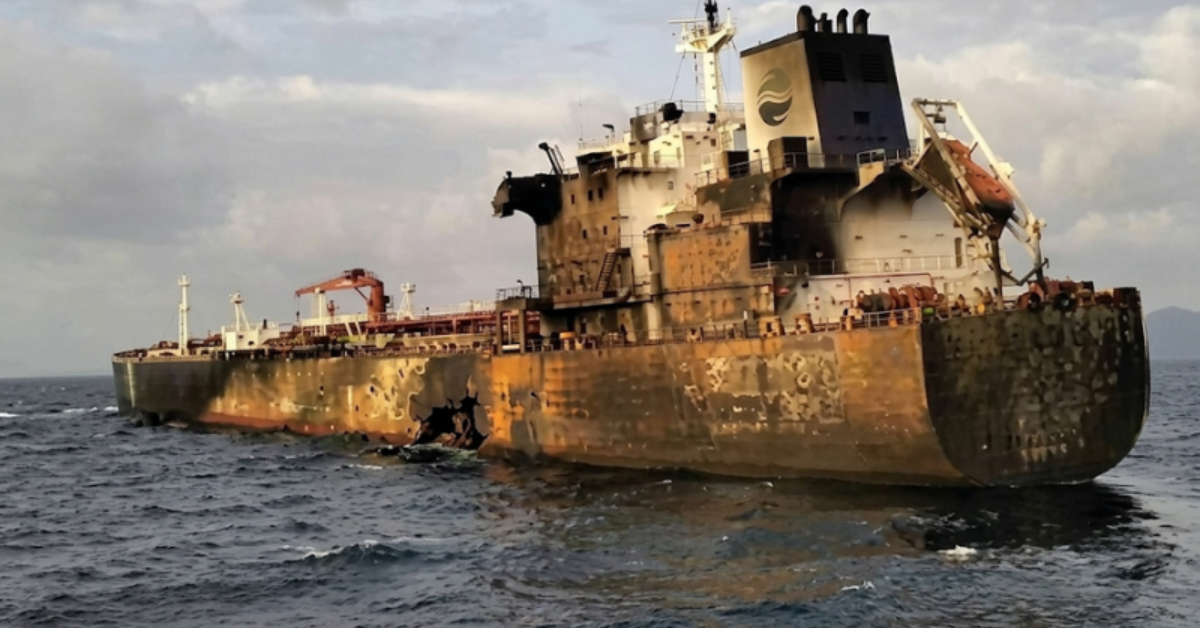
Fatigue and Navigation Error Spark Vessel Collision Incident
A fatigued officer of the watch made navigational errors that sent a tanker into an anchored vessel, sparking fires and forcing both crews to abandon ship. It is a stark reminder that human endurance has limits, and those limits have consequences. Fatigue is a measurable risk factor, and this collision shows what happens when it is not managed. For deeper context on regional shipping pressures, see our coverage of "Eighty Nations Urge Reopening of Vital Strait of Hormuz Shipping Lane."