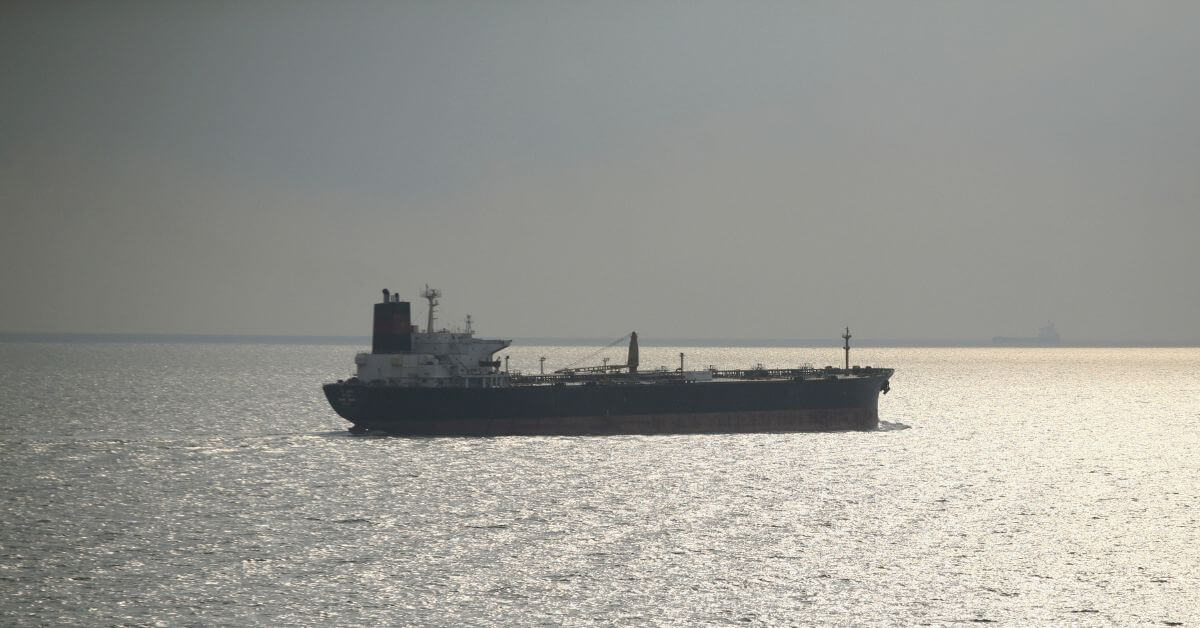
A tanker reported multiple explosions nearby south of Al-Mokha, Yemen, and the crew emerged unharmed with no measurable environmental damage recorded. For our readers, this is not an isolated incident but another data point in an increasingly unstable maritime corridor. The Bab al-Mandeb Strait, a narrow choke point linking the Red Sea to the Gulf of Aden, is central to global trade flows, and each unexplained detonation adds empirical weight to a pattern we have been tracking. Our recent analysis on how Geopolitical shocks reshape shipping routes with measurable regional divergence documented that these disruptions are not random; they produce quantifiable shifts in vessel traffic, insurance premiums, and transit times. This tanker event fits that longitudinal picture, even if the cause remains unconfirmed.
The lack of attribution or damage here is significant, but it should not be mistaken for an all-clear signal. UKMTO's advisory to proceed with caution reflects a calibrated response, but the reality is that commercial shipping now operates in a zone where explosions can appear without a named actor, without debris, and without immediate alarm. Compare this to the Projectiles strike two tankers near Strait of Hormuz, UKMTO reports, where projectiles struck vessels directly. That incident triggered a measurable spike in naval presence and rerouting decisions. The current event, while less acute, reinforces the same integrated risk: any vessel transiting these waters is operating within a contested domain where the threat vector, missile, drone, mine, or something else, remains opaque. The fact that no group claimed responsibility does not reduce the operational uncertainty for shipmasters and insurers; it increases it.
What this means in practical terms is that the cost of passing through the Bab al-Mandeb is no longer purely a function of fuel and fees. It now includes a real-time calculation of geopolitical exposure. The tanker's crew is safe, and the environment is intact, but the incident itself becomes another calibrated signal in the ocean intelligence that maritime operators must integrate daily. As US naval deployments continue as Middle East operations extend to eighth month, the enduring presence of carrier strike groups and amphibious readiness groups indicates that these are not transient security gaps but persistent conditions. For policymakers and logistics planners, the question is not whether this specific attack will be solved, but how many more such events are required before the strait's risk profile is recalibrated in global shipping models.
The detail to watch is the gap between what is reported and what is confirmed. UKMTO did not name the tanker, did not identify the explosion source, and did not state whether the vessel was hit. That information asymmetry is itself a climate indicator for maritime security. Until those empirical data points are validated, every subsequent transit through that 20-kilometer strait carries a measurable, if unquantified, premium.