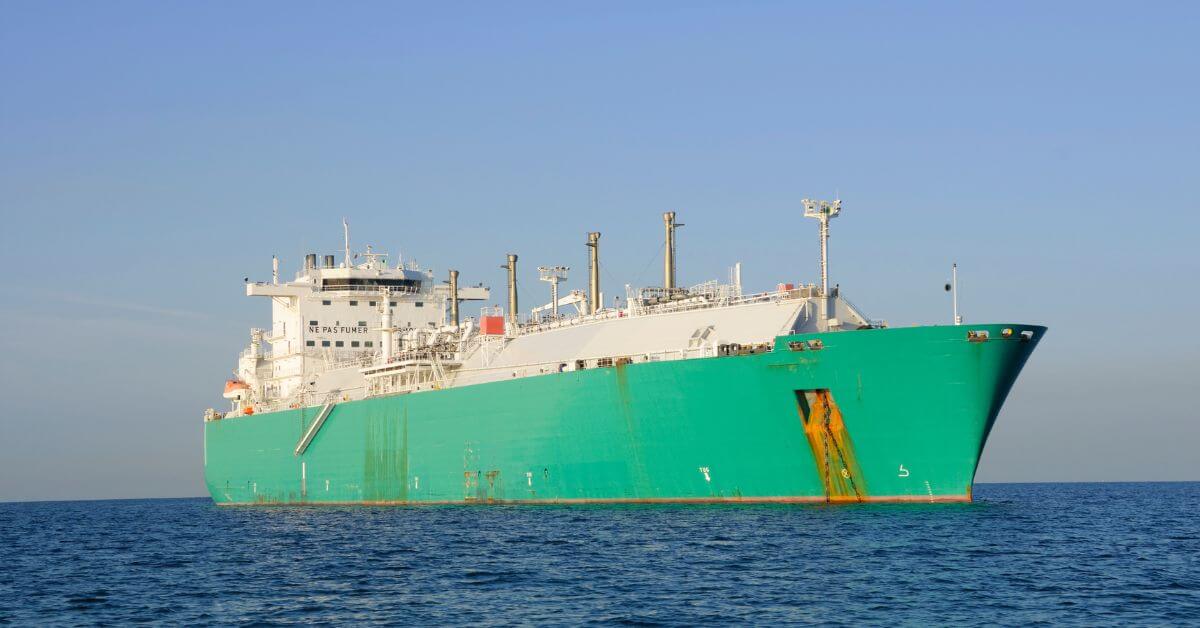
A Qatar-loaded LNG tanker has crossed the Strait of Hormuz and is heading to Pakistan after officials reached an arrangement with Iran. This is not a routine transit, and it is not a breakthrough in the broader tensions that have defined the region. It is a measured, practical outcome of direct negotiation, and that is precisely why it matters. The vessel's passage comes alongside wider diplomatic efforts, including the phased negotiations aiming to ease restrictions on the Strait of Hormuz and the eighty nations urging the reopening of this vital shipping lane. Those efforts are broad and political; this delivery is concrete and measurable.
For readers tracking energy security, the practical meaning is straightforward: a single LNG cargo moving through a chokepoint is a calibrated signal that diplomatic channels can produce operational results. The Strait of Hormuz carries roughly one-fifth of global LNG trade, and disruptions there ripple far beyond the Persian Gulf. That is why the Gulf of Oman STS transfers maxing out amid rising Saudi oil exports matters as a comparison point. When ship-to-ship transfers reach capacity, as traders and analysts have observed, the system is operating at the edge of its tolerance. A single cleared passage does not resolve that strain. It does demonstrate that targeted arrangements, not just broad sanctions or threats, can keep critical cargoes moving.
Our take is this: do not mistake a successful negotiation for a stable regime. The arrangement that cleared this tanker is narrow, and it leaves open the question of whether such clearances will become routine or remain exceptional. The related reporting on phased talks suggests that reopening the Strait entirely is a longer-term objective, not an accomplished fact. The eighty-nation call for reopening adds diplomatic weight, but diplomatic weight does not move cargo; agreements do. For Pakistan, the immediate benefit is tangible: LNG delivery that may have been delayed or rerouted is now en route. For the rest of us, the takeaway is that operational access to critical infrastructure is being negotiated case by case, and each successful transit builds a precedent, but not a policy.
What we would tell a reader who asks about this is simple: watch whether this arrangement becomes a template. If subsequent tankers are cleared under similar terms, then we are seeing the emergence of a de facto mechanism for managing risk in the Strait. If this remains a one-off, then it is a diplomatic courtesy, not a system. The detail to watch is whether Iran extends the same courtesy to other flagged vessels or other cargo types, particularly crude oil, which carries different political weight than LNG. For now, the concrete point is this: the tanker is moving, Pakistan's gas supply is more secure tonight than it was yesterday, and the Strait of Hormuz remains open, not because of rhetoric, but because someone made a deal. That is the standard to measure against.