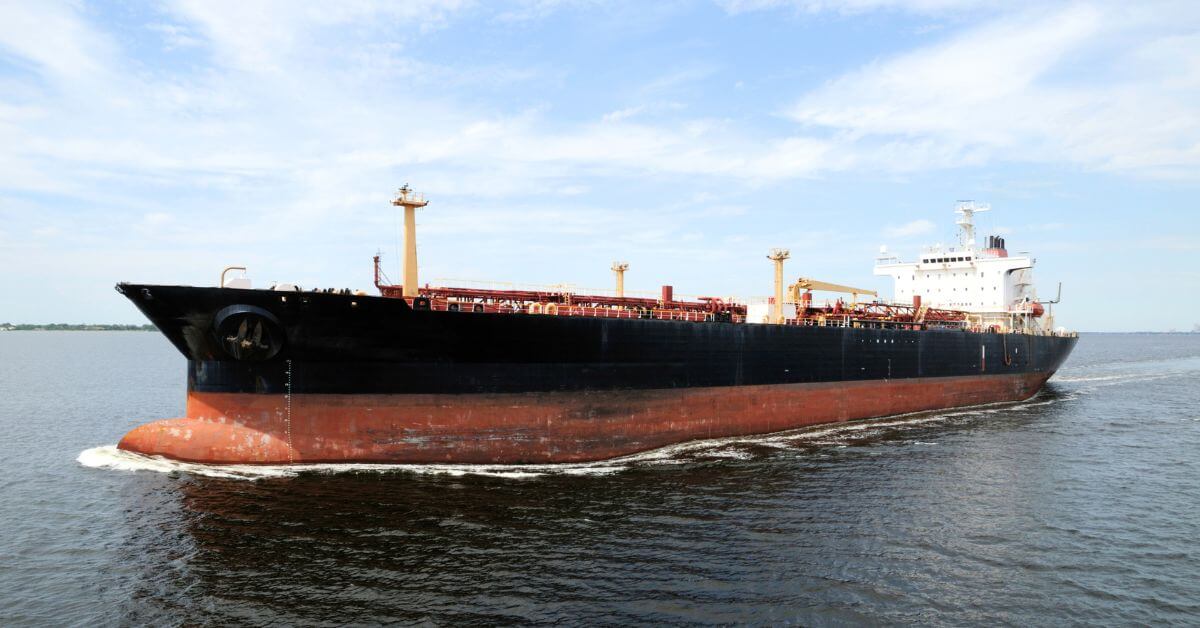
An investigation into a sanctioned tanker's port call at Ras Isa is underway, and the implications extend far beyond a single vessel's voyage. Yemeni authorities are scrutinizing the ship's journey, cargo, and documentation, as well as the circumstances of its entry into the port. This is not a routine paperwork review; it is a direct test of maritime governance in a region where enforcement has long been uneven. For our readers, this signals that port state control and flag state accountability are converging in ways that will reshape commercial shipping operations, particularly for vessels operating near sanctioned routes.
The incident draws a sharp contrast with other recent maritime events we have covered. In the Gulf of Oman, ship-to-ship transfers have maxed out as Saudi oil exports surge, a reminder that legal cargo movements are pushing infrastructure to its limits. Meanwhile, Puntland forces intercepted a hijacked, US-sanctioned tanker after 48 hours, showing that enforcement actions, while effective, remain reactive and localized. Yemen's investigation, however, is different in kind. It is not about pirates or capacity constraints; it is about the legal and operational integrity of a port call itself. That distinction matters because it moves the conversation from response to prevention, from reacting to incidents to auditing the systems that allow them to happen.
Our take is straightforward: this investigation is a warning shot to the commercial shipping community. If a sanctioned vessel can enter Ras Isa and trigger an armed confrontation with a coast guard patrol, then every owner, charterer, and insurer needs to reassess their due diligence protocols. The practical takeaway for our readers is this: verify the full chain of custody for a vessel's trading history before it approaches a port, not just its last AIS transmission. A single port call can now trigger a national investigation, which cascades into delays, legal exposure, and reputational damage. The question is no longer whether a ship can legally sail; it is whether it can legally enter a port without creating liability for everyone downstream.
We would tell a reader who asked us directly: treat this as a case study in how maritime sanctions enforcement is evolving. The investigation will likely focus on whether the port entry procedures were followed, but the deeper issue is the ambiguity of who is responsible when a sanctioned vessel appears at a port with armed guards on board. That ambiguity is a risk multiplier, and it will not be resolved by this case alone. Watch whether this investigation leads to new port entry protocols in the region or a public release of the vessel's cargo documents. If it does, that will be a concrete signal that maritime enforcement is moving from high-seas interdiction to shore-based administrative scrutiny. For now, the detail to monitor is the timeline of when the port entry was approved versus when the vessel's sanctioned status was known; that sequence will determine whether this was a procedural failure or a deliberate act.