A Global Hub for Ocean Intelligence

An integrated data ecosystem bridging cutting-edge marine science with accessible tools to explore, analyze, and protect Earth’s oceans.

Empirical Findings & Visualizations

Marine Stewardship Council's Consumer Data Shows that Seafood Choices Matter for Ocean Health - Perishable News
"World Data Ocean" - Google News

Marine Stewardship Council's Consumer Data Shows that Seafood Choices Matter for Ocean Health - Perishable News

New data from the Marine Stewardship Council (MSC) validates consumer choices as a significant driver of ocean health. Recent analysis of consumer behavior demonstrates a measurable correlation between conscious seafood selections and the sustainability of marine ecosystems. This longitudinal study underscores the power of informed purchasing decisions in supporting responsible fisheries. Further exploration of ocean dynamics and interconnected systems, as highlighted in research detailing marine megavertebrate migrations in *Nature*, reinforces the urgency of collaborative ocean stewardship.
70% of ocean microplastics are the type found in clothes, textiles & fishing gear - and Europe is a hotspot - The Ocean Race
"World Data Ocean" - Google News

70% of ocean microplastics are the type found in clothes, textiles & fishing gear - and Europe is a hotspot - The Ocean Race

Recent data reveals a significant contributor to ocean microplastic pollution: textiles and fishing gear. A compelling 70% of microplastics detected in the ocean originate from these sources, with Europe identified as a critical hotspot. This underscores the urgent need for targeted mitigation strategies. Understanding the origin of this pollution is vital for effective ocean stewardship. For further context on the broader impacts of climate change on ocean health, explore our related article, "How is climate change impacting the world’s ocean" via the United Nations.
A global ensemble of ocean wave climate statistics from contemporary wave reanalysis and hindcasts - Nature
"World Data Ocean" - Google News

A global ensemble of ocean wave climate statistics from contemporary wave reanalysis and hindcasts - Nature

A landmark publication in *Nature* details a newly compiled global ensemble of ocean wave climate statistics, derived from contemporary wave reanalysis and hindcasts. This comprehensive dataset provides validated, longitudinal measurements crucial for understanding long-term wave patterns and informing coastal resilience strategies. The research underscores the importance of integrated data ecosystems for ocean intelligence. For further exploration of interconnected ocean systems, see our related article, "Marine megavertebrate migrations connect the global ocean," also published in *Nature*.
Feds cut global ocean-observing network - The Martha's Vineyard Times
"World Data Ocean" - Google News

Feds cut global ocean-observing network - The Martha's Vineyard Times

Recent reporting indicates a reduction in the scope of the global ocean-observing network, a development with potentially significant implications for climate monitoring and ocean health. This curtailment, as detailed in *The Martha’s Vineyard Times*, raises concerns regarding the continuity of crucial data streams. World Data Ocean emphasizes the need for robust, longitudinal data to accurately assess ocean conditions and inform effective stewardship. For a broader understanding of climate change’s impact on our oceans, readers may find the United Nations’ analysis particularly insightful.
Marine megavertebrate migrations connect the global ocean - Nature
"World Data Ocean" - Google News

Marine megavertebrate migrations connect the global ocean - Nature

Recent research published in *Nature* reveals a critical insight: marine megavertebrate migrations—encompassing species like whales, sharks, and sea turtles—function as vital connectors across the global ocean. These longitudinal movements facilitate the transfer of nutrients and genetic material, demonstrating a previously underestimated level of oceanic integration. Understanding these pathways is paramount for effective ocean stewardship. Further exploration of the underlying ocean dynamics can be found in the NOAA article, "Ocean Currents," offering deeper context on the forces shaping these migrations.
Ocean monitoring is in trouble: without the US, it’s up to Europe and Asia to avoid losing sight of the world’s deep-sea ecosystems - The Conversation
"World Data Ocean" - Google News

Ocean monitoring is in trouble: without the US, it’s up to Europe and Asia to avoid losing sight of the world’s deep-sea ecosystems - The Conversation

Recent shifts in US funding threaten the continuity of global ocean monitoring efforts, potentially jeopardizing our understanding of deep-sea ecosystems. With the US role diminished, Europe and Asia must assume increased responsibility for maintaining critical data streams. This presents a significant challenge to tracking vital climate indicators and assessing ocean health. For deeper insight into related concerns, explore NOAA's findings on rising ocean heat content, demonstrating the urgency of robust, longitudinal data collection. Sustained, validated ocean intelligence is paramount for informed stewardship.

Longitudinal Marine Studies

Marine Stewardship Council's Consumer Data Shows that Seafood Choices Matter for Ocean Health - Perishable News
"World Data Ocean" - Google News

Marine Stewardship Council's Consumer Data Shows that Seafood Choices Matter for Ocean Health - Perishable News

New data from the Marine Stewardship Council (MSC) validates consumer choices as a significant driver of ocean health. Recent analysis of consumer behavior demonstrates a measurable correlation between conscious seafood selections and the sustainability of marine ecosystems. This longitudinal study underscores the power of informed purchasing decisions in supporting responsible fisheries. Further exploration of ocean dynamics and interconnected systems, as highlighted in research detailing marine megavertebrate migrations in *Nature*, reinforces the urgency of collaborative ocean stewardship.
70% of ocean microplastics are the type found in clothes, textiles & fishing gear - and Europe is a hotspot - The Ocean Race
"World Data Ocean" - Google News

70% of ocean microplastics are the type found in clothes, textiles & fishing gear - and Europe is a hotspot - The Ocean Race

Recent data reveals a significant contributor to ocean microplastic pollution: textiles and fishing gear. A compelling 70% of microplastics detected in the ocean originate from these sources, with Europe identified as a critical hotspot. This underscores the urgent need for targeted mitigation strategies. Understanding the origin of this pollution is vital for effective ocean stewardship. For further context on the broader impacts of climate change on ocean health, explore our related article, "How is climate change impacting the world’s ocean" via the United Nations.
A global ensemble of ocean wave climate statistics from contemporary wave reanalysis and hindcasts - Nature
"World Data Ocean" - Google News

A global ensemble of ocean wave climate statistics from contemporary wave reanalysis and hindcasts - Nature

A landmark publication in *Nature* details a newly compiled global ensemble of ocean wave climate statistics, derived from contemporary wave reanalysis and hindcasts. This comprehensive dataset provides validated, longitudinal measurements crucial for understanding long-term wave patterns and informing coastal resilience strategies. The research underscores the importance of integrated data ecosystems for ocean intelligence. For further exploration of interconnected ocean systems, see our related article, "Marine megavertebrate migrations connect the global ocean," also published in *Nature*.
Feds cut global ocean-observing network - The Martha's Vineyard Times
"World Data Ocean" - Google News

Feds cut global ocean-observing network - The Martha's Vineyard Times

Recent reporting indicates a reduction in the scope of the global ocean-observing network, a development with potentially significant implications for climate monitoring and ocean health. This curtailment, as detailed in *The Martha’s Vineyard Times*, raises concerns regarding the continuity of crucial data streams. World Data Ocean emphasizes the need for robust, longitudinal data to accurately assess ocean conditions and inform effective stewardship. For a broader understanding of climate change’s impact on our oceans, readers may find the United Nations’ analysis particularly insightful.
Marine megavertebrate migrations connect the global ocean - Nature
"World Data Ocean" - Google News

Marine megavertebrate migrations connect the global ocean - Nature

Recent research published in *Nature* reveals a critical insight: marine megavertebrate migrations—encompassing species like whales, sharks, and sea turtles—function as vital connectors across the global ocean. These longitudinal movements facilitate the transfer of nutrients and genetic material, demonstrating a previously underestimated level of oceanic integration. Understanding these pathways is paramount for effective ocean stewardship. Further exploration of the underlying ocean dynamics can be found in the NOAA article, "Ocean Currents," offering deeper context on the forces shaping these migrations.
Ocean monitoring is in trouble: without the US, it’s up to Europe and Asia to avoid losing sight of the world’s deep-sea ecosystems - The Conversation
"World Data Ocean" - Google News

Ocean monitoring is in trouble: without the US, it’s up to Europe and Asia to avoid losing sight of the world’s deep-sea ecosystems - The Conversation

Recent shifts in US funding threaten the continuity of global ocean monitoring efforts, potentially jeopardizing our understanding of deep-sea ecosystems. With the US role diminished, Europe and Asia must assume increased responsibility for maintaining critical data streams. This presents a significant challenge to tracking vital climate indicators and assessing ocean health. For deeper insight into related concerns, explore NOAA's findings on rising ocean heat content, demonstrating the urgency of robust, longitudinal data collection. Sustained, validated ocean intelligence is paramount for informed stewardship.
Stemming plastic pollution to protect the ocean - OECD
"World Data Ocean" - Google News

Stemming plastic pollution to protect the ocean - OECD

The OECD’s latest report, “Stemming Plastic Pollution to Protect the Ocean,” provides a validated framework for addressing this critical global challenge. It underscores the urgency of integrated strategies, emphasizing measurable reductions in plastic waste entering marine environments. The report highlights the importance of collaborative action across nations and sectors to safeguard ocean health and mitigate long-term ecological impacts.
Ocean Heat Content Rises - NOAA's National Centers for Environmental Information (NCEI) (.gov)
"World Data Ocean" - Google News

Ocean Heat Content Rises - NOAA's National Centers for Environmental Information (NCEI) (.gov)

NOAA's National Centers for Environmental Information (NCEI) has confirmed a continued and significant rise in global ocean heat content. This validated data underscores the accelerating impact of climate change on our oceans, representing a critical climate indicator. Longitudinal measurements reveal a persistent warming trend across all ocean layers, with measurable consequences for marine ecosystems and global weather patterns. For further exploration of related challenges, see "70% of ocean microplastics are the type found in clothes, textiles & fishing gear" to understand contributing factors.
While the U.S. Fights Over Where to Put AI Data Centers, China Just Built One on the Ocean Floor — But How Safe Is It? - entrepreneur.com
"World Data Ocean" - Google News

While the U.S. Fights Over Where to Put AI Data Centers, China Just Built One on the Ocean Floor — But How Safe Is It? - entrepreneur.com

Recent developments highlight the escalating global race for ocean data infrastructure. While debates persist within the U.S. regarding optimal locations for AI data centers, China has reportedly constructed one on the ocean floor. This unprecedented undertaking raises critical questions regarding environmental safety and potential impacts on marine ecosystems. Understanding these implications requires a rigorous, data-driven approach; as detailed in “Ocean Currents” from the National Oceanic and Atmospheric Administration, oceanographic factors play a vital role. Further exploration of ocean dynamics is available on World Data Ocean.
Climate change: World's oceans suffer from record-breaking year of heat - BBC
"World Data Ocean" - Google News

Climate change: World's oceans suffer from record-breaking year of heat - BBC

The world’s oceans have endured a record-breaking year of heat, as reported by the BBC, underscoring the escalating impact of climate change. This unprecedented thermal expansion presents significant challenges to marine ecosystems and global climate patterns. World Data Ocean rigorously monitors these shifts, providing validated, real-time ocean intelligence crucial for informed decision-making. For deeper insights into ocean wave climate statistics, see our analysis of "A global ensemble of ocean wave climate statistics from contemporary wave reanalysis and hindcasts" published in *Nature*.
Ocean currents - National Oceanic and Atmospheric Administration (.gov)
"World Data Ocean" - Google News

Ocean currents - National Oceanic and Atmospheric Administration (.gov)

Ocean currents, integral components of Earth’s climate system, represent the continuous, directional movement of seawater driven by factors including wind, temperature, salinity, and the Coriolis effect. The National Oceanic and Atmospheric Administration (NOAA) provides validated, real-time data and analysis of these complex systems, crucial for understanding weather patterns, marine ecosystems, and climate indicators. These longitudinal datasets enable empirical assessments of ocean health and inform predictive modeling.
Molecular phylogeny and fossil records reveal the origin and evolutionary history of deep-sea Ophiuroidea
Frontiers in Marine Science | New and Recent Articles

Molecular phylogeny and fossil records reveal the origin and evolutionary history of deep-sea Ophiuroidea

The evolutionary trajectory of deep-sea Ophiuroidea, a class of echinoderms, remains a complex area of scientific inquiry. This study utilizes an integrative framework—combining fossil records, molecular phylogeny, and biogeographic analyses—to illuminate the origin and diversification of these organisms. Results indicate an initial association with shallow continental margins, followed by expansion through the Paleozoic and a significant Mesozoic influence from the western Tethys.

More Articles

A governance analysis of non-governmental organisations in China’s marine protected areas: institutional bricolage in the shadow of hierarchy
Frontiers in Marine Science | New and Recent Articles

A governance analysis of non-governmental organisations in China’s marine protected areas: institutional bricolage in the shadow of hierarchy

China’s marine protected areas (MPAs) face significant governance challenges, demanding innovative solutions to meet the Kunming-Montreal Global Biodiversity Framework’s ‘30 by 30’ target. This analysis examines the role of non-governmental organizations (NGOs) within China’s state-led MPA governance, revealing they function as crucial “linking agents.” Through a year-long field investigation, the study demonstrates how NGOs translate local knowledge and ecological observations into actionable data for policymakers, facilitating adaptive learning.
Philippines dominates global ocean plastic pollution chart at 36%, shows study - Rappler
"World Data Ocean" - Google News

Philippines dominates global ocean plastic pollution chart at 36%, shows study - Rappler

A recent study highlights a concerning reality: the Philippines contributes significantly to global ocean plastic pollution, accounting for 36% of the total, according to Rappler. This places the nation at the forefront of a critical environmental challenge demanding immediate attention and collaborative solutions. Understanding the scale of this issue is crucial for effective ocean stewardship. For further insights into consumer impact on ocean health, explore our analysis of Marine Stewardship Council data. Addressing this requires validated, measurable action across sectors.
Microplastic abundances in the surface and subsurface strandline sediments along two beaches, the Norfolk coastline, UK
Frontiers in Marine Science | New and Recent Articles

Microplastic abundances in the surface and subsurface strandline sediments along two beaches, the Norfolk coastline, UK

Beaches function as critical sinks and sources for both macro and microplastics, yet subsurface sediment analysis remains largely unexplored. This inaugural UK study systematically quantified depth-resolved microplastic concentrations and morphologies along the Norfolk coastline, focusing on West Runton and Cart Gap. Findings reveal consistently higher microplastic abundance in surface and strandline sediments, with microfibers comprising over 94% of recovered particles. Sediment characteristics and increased summer tourism significantly influenced accumulation patterns.
Updated on 1 Dec. 2025 Japan Meteorological Agency - data.jma.go.jp
"World Data Ocean" - Google News

Updated on 1 Dec. 2025 Japan Meteorological Agency - data.jma.go.jp

Recent data updates from the Japan Meteorological Agency (data.jma.go.jp, updated 1 Dec. 2025) underscore the escalating complexities of ocean health monitoring. This vital data stream contributes to our integrated data ecosystem, providing crucial, real-time climate indicators. Understanding these trends is paramount for effective ocean stewardship. Further exploration of related challenges, such as consumer impact on ocean health, is detailed in articles like "Marine Stewardship Council's Consumer Data Shows that Seafood Choices Matter for Ocean Health." We remain committed to providing validated, empirical ocean intelligence.
How is climate change impacting the world’s ocean - Welcome to the United Nations
"World Data Ocean" - Google News

How is climate change impacting the world’s ocean - Welcome to the United Nations

## How is Climate Change Impacting the World’s Ocean - Welcome to the United Nations The world’s ocean, a critical climate regulator, is undergoing profound changes due to anthropogenic climate change. Rising sea temperatures, ocean acidification, and altered current patterns are triggering cascading effects on marine ecosystems and global weather systems. These shifts threaten biodiversity, coastal communities, and global food security. Understanding these complex interactions is paramount for informed policy and effective mitigation strategies.
Imagine a world where we can monitor the deepest corners of the ocean without ever leaving the shore. Well, we're not ju...
Instagram
@worlddataocean

Imagine a world where we can monitor the deepest corners of the ocean without ever leaving the shore. Well, we're not ju...

Imagine a world where we can monitor the deepest corners of the ocean without ever leaving the shore. That world is now a reality: we achieved the first autonomous launch of an underwater glider from an uncrewed surface vessel, creating a validated, real‑time data stream on temperature, salinity and chemistry. This integrated data ecosystem enables longitudinal studies that were once too costly or hazardous, scaling ocean intelligence from surface to seafloor.
Ever wonder how we keep track of the ocean’s "rainforests"? Kelp forests are the unsung heroes of our coastlines, provid...
Instagram
@worlddataocean

Ever wonder how we keep track of the ocean’s "rainforests"? Kelp forests are the unsung heroes of our coastlines, provid...

Ever wonder how we map the ocean’s “rainforests”? Kelp forests are the unsung heroes of our coastlines, sequestering carbon, stabilizing shorelines, and sustaining biodiversity. Yet, scaling their monitoring has long stymied scientists and policy makers. At World Data Ocean, we apply AI and deep learning to convert raw imagery into validated, real‑time ocean intelligence. Our high‑resolution dashboards reveal kelp dynamics in ten times greater detail, empowering researchers to make measurable, evidence‑based decisions that strengthen coastal resilience.
30x30 means protecting 30% of the ocean by 2030. The goal is clear. The bottleneck is not ambition, it’s coverage: data ...
Instagram
@worlddataocean

30x30 means protecting 30% of the ocean by 2030. The goal is clear. The bottleneck is not ambition, it’s coverage: data ...

30x30 aims to protect 30 % of the ocean by 2030, and the ambition is unmistakable. The real bottleneck is coverage: persistent data gaps and labor‑intensive analysis that cannot match the required scale. AI accelerates the workflow by pinpointing strong evidence, flagging missing observations, and delivering measurable, validated datasets for rapid wildlife labeling, imagery and acoustic review, and targeted survey prioritization. When you pursue 30x30, which gap dominates—biodiversity, habitat mapping, or human activity?
World’s First Oceangoing Ammonia Dual-Fuel Vessel Delivered
Marine Insight

World’s First Oceangoing Ammonia Dual-Fuel Vessel Delivered

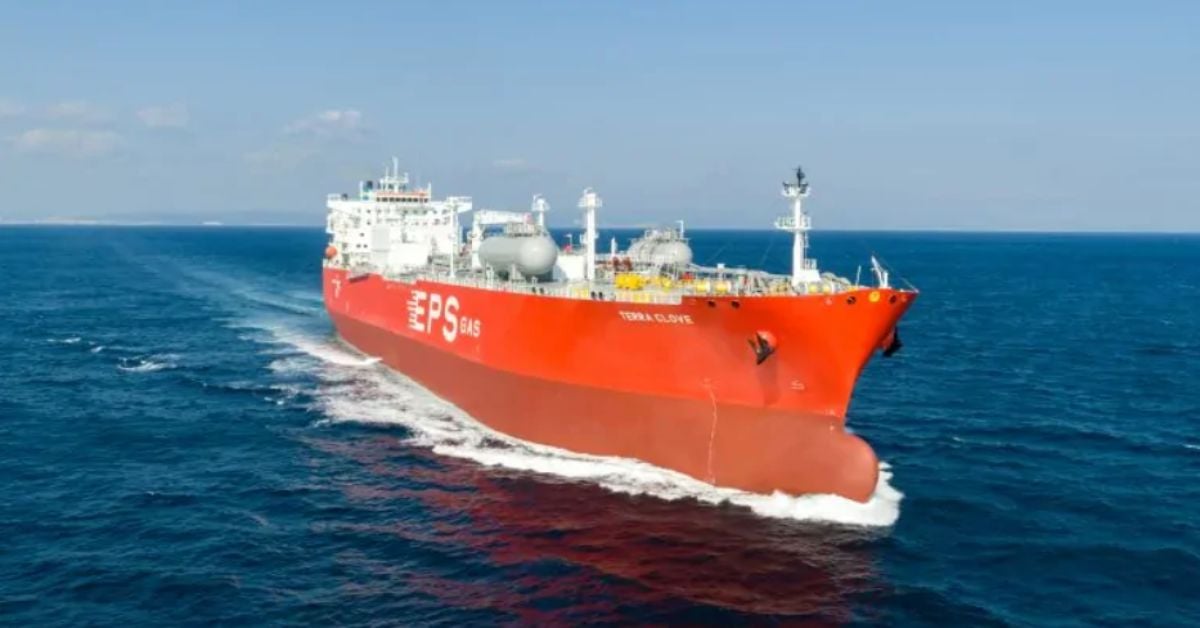
World Data Ocean confirms a significant advancement in maritime decarbonization: EXMAR has received *Antwerpen*, the world’s first oceangoing vessel capable of utilizing ammonia as a dual fuel. Constructed by HD Hyundai, this 46,000 m³ gas carrier represents a validated step toward reducing greenhouse gas emissions by up to 90%. This technological innovation underscores the urgent need for integrated solutions within the global shipping industry.
Spatial organisation and functional composition of benthic reef assemblages across a depth gradient in western Aldabra Atoll
Frontiers in Marine Science | New and Recent Articles

Spatial organisation and functional composition of benthic reef assemblages across a depth gradient in western Aldabra Atoll

Coral reefs globally are undergoing significant structural reorganization due to climate-induced mortality events. This study characterizes the spatial organization and functional composition of benthic communities on the western reefs of Aldabra Atoll, Seychelles, utilizing high-resolution data collected in 2022. Analysis of over 300 quadrats across varying depths revealed a shift from shallow, aggregated frameworks to deeper, fragmented patches, driven by environmental filtering and substrate stability. Notably, stress-tolerant corals dominate, with species like *Isopora* demonstrating a strong affinity for stable substrates.
Fire Hits Indian-Crewed Tanker MT Jalveer Off Oman Coast; All 20 Seafarers Safe
Marine Insight

Fire Hits Indian-Crewed Tanker MT Jalveer Off Oman Coast; All 20 Seafarers Safe

A fire erupted in the engine room of the MT Jalveer, an Indian-crewed tanker operating off Oman's Shinas port, prompting the evacuation of all 20 seafarers—all of whom are confirmed safe. This marks the third incident of its kind reported off the Omani coast, raising concerns regarding maritime safety in the region. The event underscores the escalating risks faced by vessels navigating critical waterways. For further context on maritime security challenges, see our report on the recent attack on the MT Settebello.
Poor Maintenance, Defective Equipment & Crew’s Carelessness Caused MSC Elsa 3 Sinking, Investigation Reveals
Marine Insight

Poor Maintenance, Defective Equipment & Crew’s Carelessness Caused MSC Elsa 3 Sinking, Investigation Reveals

A recent investigation has definitively attributed the sinking of the container vessel MSC ELSA 3 to a confluence of factors: inadequate maintenance, defective equipment, and demonstrable crew carelessness. The vessel, carrying 643 containers—including 13 classified as hazardous—sank off the Kerala coast on May 25, 2025. This incident underscores the critical importance of rigorous operational protocols and equipment integrity in maritime transport. For a deeper analysis of the circumstances surrounding the incident and related maritime regulations, see our article, "Poor Maintenance…”.
This tiny, blue octopus is new to science
Science News

This tiny, blue octopus is new to science

A remarkable discovery from the deep sea: researchers have identified a new species of octopus, notable for its diminutive size—fitting comfortably within a human palm—and striking blue coloration. This fully mature specimen presents a unique evolutionary adaptation, with scientists hypothesizing its small stature may contribute to accelerated reproductive cycles compared to larger octopus species. Further exploration of marine ecosystems and their inhabitants is crucial; for instance, our analysis of vessel activity in the North Sea highlights the complex interplay between maritime transport and environmental impact.
China Begins Construction Of World’s Largest Inland Ship Locks At Three Gorges Dam
Marine Insight

China Begins Construction Of World’s Largest Inland Ship Locks At Three Gorges Dam

China has commenced construction of the world’s largest inland ship locks at the Three Gorges Dam, a significant infrastructure project designed to resolve persistent shipping bottlenecks along the Yangtze River. These new locks represent a substantial investment in optimizing waterway transport and increasing efficiency for regional trade. This development underscores China’s commitment to enhancing its integrated data ecosystem for maritime logistics. For deeper analysis on the project's implications, see our related article, "China Begins Construction Of World’s Largest Inland Ship Locks At Three Gorges Dam."
Sleep and exercise may dampen genetic drivers of heart disease
Science News

Sleep and exercise may dampen genetic drivers of heart disease

Emerging research suggests lifestyle interventions may mitigate genetic factors contributing to heart disease. A longitudinal study in mice reveals that immune cells accumulate DNA mutations over time, potentially accelerating atherosclerosis. However, the data indicate that consistent sleep and exercise can demonstrably offset these genetic predispositions. This finding underscores the powerful influence of modifiable behaviors on cardiovascular health. For further insights into environmental factors impacting ocean health, see our related article on “AIS-driven vessel activity and emissions modelling.”
Spatiotemporal distribution characteristics and eutrophication status of nutrients in Qinzhou Bay, South China Sea over the past 22 years
Frontiers in Marine Science | New and Recent Articles

Spatiotemporal distribution characteristics and eutrophication status of nutrients in Qinzhou Bay, South China Sea over the past 22 years

Coastal eutrophication, driven by elevated nitrogen and phosphorus, poses a significant global challenge. This study presents a 22-year (2003-2024) longitudinal analysis of nutrient dynamics within Qinzhou Bay, South China Sea, revealing distinct spatiotemporal trends. Concentrations of dissolved inorganic nitrogen (DIN) and phosphate (DIP) exhibited fluctuating increases, correlated with economic and governance shifts. Notably, the bay-head area consistently demonstrated eutrophic conditions.
U.S Navy Escorted Over 200 Ships & 100 Million Barrels Of Oil Through Hormuz, Claims Trump
Marine Insight

U.S Navy Escorted Over 200 Ships & 100 Million Barrels Of Oil Through Hormuz, Claims Trump

According to recent statements, U.S. forces facilitated the safe passage of over 200 commercial vessels through the critical Strait of Hormuz, reportedly escorting approximately 100 million barrels of oil. This transit occurred amidst heightened geopolitical tensions with Iran, highlighting the strategic importance of this waterway for global trade. The claims underscore ongoing U.S. naval presence in the region, though incidents like the reported attack on the oil tanker *Settebello* off Oman warrant further empirical investigation.
Effects of fermented chamomile on hematological and immunological parameters and gut health in common carp, Cyprinus carpio
Frontiers in Marine Science | New and Recent Articles

Effects of fermented chamomile on hematological and immunological parameters and gut health in common carp, Cyprinus carpio

This research investigates the impact of fermented chamomile (FCM) supplementation on the health and performance of common carp (*Cyprinus carpio*). A controlled feeding trial demonstrated significant, quadratic responses across various parameters, indicating an optimal FCM inclusion level. Specifically, 7 g/kg FCM proved particularly beneficial, enhancing growth, hematological indicators, antioxidant defenses, and promoting a favorable gut microbiota composition— notably increasing *Lactobacillus* and *Bacillus* species. These findings suggest FCM holds promise as a functional feed additive, contributing to improved fish health and resilience.
AIS-driven vessel activity and emissions modelling for offshore decommissioning activities in the North Sea
Frontiers in Marine Science | New and Recent Articles

AIS-driven vessel activity and emissions modelling for offshore decommissioning activities in the North Sea

Maritime transport represents a significant, yet often overlooked, source of global air pollution. This study addresses the increasing need for accurate emissions quantification during offshore energy infrastructure decommissioning in the North Sea, an activity projected to rise significantly. We developed a data-driven methodology leveraging Automatic Identification System (AIS) data to model vessel activity and emissions—specifically CO2, NOx, and SO2—with high spatial and temporal resolution.
Benthic communities of DeepInsight Hill, Mohn’s Ridge (Arctic Ocean)
Frontiers in Marine Science | New and Recent Articles

Benthic communities of DeepInsight Hill, Mohn’s Ridge (Arctic Ocean)

DeepInsight Hill, a geologically complex region of Mohn’s Ridge in the Arctic Ocean, presents a remarkably heterogeneous benthic environment. Recent multi-year ROV surveys (2023-2025) utilized the DeepSee object detection model and manual review to map and quantify megafauna from 980 to 2100 m, revealing distinct community structure. Dominant taxa—Rossellidae, Tetractinellida, and Ophiuroidea—demonstrated clear partitioning based on bathymetry and geomorphology. Notably, meter-scale mapping revealed crucial ecological features, including sponge aggregations and potential breeding grounds. This research
Terradepth Launches Absolute Ocean, World’s First Ocean-Data-as-a-Service Platform to Map the World’s Oceans - Business Wire
"World Data Ocean" - Google News

Terradepth Launches Absolute Ocean, World’s First Ocean-Data-as-a-Service Platform to Map the World’s Oceans - Business Wire

Terradepth today introduces Absolute Ocean, the world’s first Ocean-Data-as-a-Service platform, providing unprecedented real-time and historical ocean mapping capabilities. This integrated data ecosystem leverages advanced technologies to deliver validated, measurable ocean intelligence for researchers, policymakers, and industry. Absolute Ocean facilitates informed decision-making across sectors, from climate resilience to resource management. Addressing critical data gaps, as highlighted in recent discussions on ocean plastic accumulation (Our World in Data), this platform represents a significant advancement in ocean stewardship and collaborative scientific discovery.
IRGC Navy Attacks Two Ships Trying To Cross Strait Of Hormuz ‘Illegally’
Marine Insight

IRGC Navy Attacks Two Ships Trying To Cross Strait Of Hormuz ‘Illegally’

Recent reports indicate heightened tensions in the Strait of Hormuz, a critical waterway for global maritime trade. The Islamic Revolutionary Guard Corps (IRGC) Navy has announced the interception and subsequent attack of two vessels attempting unauthorized passage. This action underscores ongoing geopolitical instability in the region and raises concerns about the security of vital shipping lanes. For deeper analysis of U.S. naval operations supporting transit through the Strait, see our related article, "U.S.
Experimental study on the wave attenuation performance of a floating breakwater under oblique irregular waves and wave–current interaction conditions
Frontiers in Marine Science | New and Recent Articles

Experimental study on the wave attenuation performance of a floating breakwater under oblique irregular waves and wave–current interaction conditions

This experimental study rigorously assesses the wave attenuation capabilities of a floating breakwater, informed by a practical engineering project. Physical model testing systematically analyzed the transmission coefficient (Kt) under oblique irregular wave conditions and wave-current interaction, considering parameters like incident angle, water depth, and current velocity. Results demonstrate satisfactory performance, significantly reducing transmitted wave heights and high wave crests. Relative width proved the dominant factor influencing Kt, accounting for 42.9% of observed variation, providing a quantitative basis for engineering optimization.
Engineered hookworms could one day dispense drugs from inside your gut
Science News

Engineered hookworms could one day dispense drugs from inside your gut

Emerging research presents a novel approach to drug delivery: genetically modified hookworms. Scientists have achieved a first, successfully engineering these parasites to potentially function as living pharmacies within the human gut. This validated advancement utilizes the hookworm’s natural migratory capabilities to facilitate targeted drug release. Longitudinal studies are needed, but the integrated system offers a potentially transformative, real-time solution for sustained and localized pharmaceutical interventions, demonstrating a significant step toward innovative therapeutic strategies.
India Summons U.S Deputy Chief Over Attack On Ship Carrying Indian Seafarers Off Oman
Marine Insight

India Summons U.S Deputy Chief Over Attack On Ship Carrying Indian Seafarers Off Oman

Following an incident off the coast of Oman, India has formally summoned U.S. Deputy Chief of Mission Jason Meeks to New Delhi. The action stems from a U.S. Navy attack on the Palau-flagged tanker *Settebello*, which carried a crew including three Indian seafarers, tragically resulting in fatalities. This diplomatic démarche underscores India’s concern regarding the safety of its citizens at sea and seeks clarification on the circumstances surrounding the event. For further details on the maritime security context, see our related article, "U.
A taxonomic resolution assessment for deep-pelagic fish assemblage analysis in a high-diversity ecosystem
Frontiers in Marine Science | New and Recent Articles

A taxonomic resolution assessment for deep-pelagic fish assemblage analysis in a high-diversity ecosystem

Understanding deep-sea ecosystems requires robust data analysis, yet species-level identification is often limited. This study rigorously assessed the utility of coarser taxonomic resolutions—genus, family, and order—for analyzing deep-pelagic fish assemblages in the Gulf of Mexico’s rich mesopelagic zone. Results indicate genus-level data provides 94% of the discriminatory power of species data, demonstrating its value as a proxy when species resolution is unavailable. These findings inform critical decisions regarding taxonomic sufficiency in deep-sea research, as explored further in our related article, "A taxonomic resolution assessment..."
Diversity and distribution assessment of elasmobranchs in a shallow estuarine lagoon using environmental DNA
Frontiers in Marine Science | New and Recent Articles

Diversity and distribution assessment of elasmobranchs in a shallow estuarine lagoon using environmental DNA

Recent research demonstrates the enhanced efficacy of environmental DNA (eDNA) for assessing elasmobranch diversity—a taxonomic group often difficult to study—within estuarine ecosystems. A study of Shinnecock Bay, a restored lagoon off Long Island, New York, revealed the presence of 12 unique elasmobranch species through eDNA analysis, significantly exceeding the four species identified by traditional benthic trawling. These findings highlight eDNA's value as a non-invasive, scalable tool for improved ecosystem assessments and informing management strategies for threatened elasmobranch populations.
3 Indian Seafarers Dead After U.S Navy Attack On Oil Tanker ‘Settebello’ Off Oman
Marine Insight

3 Indian Seafarers Dead After U.S Navy Attack On Oil Tanker ‘Settebello’ Off Oman

Tragic loss has been reported following an incident involving the oil tanker *Settebello* off the coast of Oman. Three Indian seafarers perished after the vessel was attacked by U.S. forces. This event has escalated regional tensions, with Iran subsequently announcing the closure of the Strait of Hormuz to commercial shipping. The situation presents significant implications for global trade and maritime security; readers seeking further context may find our analysis of Iran’s subsequent actions in "Iran Announces ‘Strait Of Hormuz’ Is Closed" informative.
Multi-parameter inconsistency of subsurface mesoscale eddies in the Kuroshio Extension
Frontiers in Marine Science | New and Recent Articles

Multi-parameter inconsistency of subsurface mesoscale eddies in the Kuroshio Extension

Subsurface mesoscale eddies, typically assumed to maintain geostrophic and hydrostatic balance, frequently exhibit inconsistencies in pressure, vorticity, and stratification anomalies. A new study statistically assesses these deviations within the Kuroshio Extension, revealing that hydrostatic consistency is only ~10–20%, while geostrophic consistency is ~40–60%. Factors like eddy age, size, and deformation significantly impact this balance. These findings highlight the necessity of comprehensive, multi-parameter diagnostics for accurate ocean interior analysis.
Remote workers feel isolated. Back-to-office mandates are not a fix
Science News

Remote workers feel isolated. Back-to-office mandates are not a fix

Employee isolation is a growing concern, and simply mandating a return to the office is not a sustainable solution. Research indicates that fostering social connection—through deliberate job design—is paramount to employee well-being, regardless of work arrangement. Integrating opportunities for interaction into workflows, whether remote, hybrid, or in-person, demonstrably supports a more engaged and resilient workforce. For a deeper dive into assessing distribution across diverse environments, explore our analysis of elasmobranchs in Shinnecock Bay.
US Claims Control of Strait of Hormuz as Iran Declares the Waterway Closed
Marine Insight

US Claims Control of Strait of Hormuz as Iran Declares the Waterway Closed

Tensions escalated in the Strait of Hormuz following declarations from both the United States and Iran. Defense Secretary Pete Hegseth asserted US control of the vital waterway, citing the movement of 100 million barrels of oil, just as Iran’s Islamic Revolutionary Guard Corps (IRGC) announced the waterway’s closure to all maritime traffic. This development significantly impacts global energy security and underscores the strategic importance of the Strait.
💪oceanography: things about the sea
oceanography: things about the sea

Would MH370 still exist in any recognisable form on the seabed?

The disappearance of Malaysia Airlines Flight MH370 in 2014 remains one of aviation’s greatest mysteries. Given the extensive search efforts and the vastness of the Southern Indian Ocean, a critical question arises: could the aircraft still exist in a recognizable form on the seabed? Assuming a relatively intact descent and sinking, this community’s expertise is invaluable in assessing the merit of continued searching versus the likelihood of significant degradation or debris field dispersal over time.
Sailors Stranded On Ship Near Iran Describe Ordeal To Family As They Suffer Without Food & Water
Marine Insight

Sailors Stranded On Ship Near Iran Describe Ordeal To Family As They Suffer Without Food & Water

Thirteen sailors aboard the cargo ship MV Pascal face a critical situation near Iran’s Bandar Abbas Port, enduring deprivation without adequate food and water. Family members report the crew's distressing ordeal as the vessel remains stranded. This incident highlights escalating tensions in the region, evidenced by recent events like the drone strike on a cargo ship traveling from Ukraine to Turkey, as detailed in our article, "Turkey Warns Of Black Sea Escalation.
China Reveals Nuclear-Powered Floating Hub For Zero-Emissions Shipping
Marine Insight

China Reveals Nuclear-Powered Floating Hub For Zero-Emissions Shipping

China has unveiled plans for a groundbreaking nuclear-powered floating hub, poised to revolutionize global shipping. Functioning as a container transhipment terminal, renewable energy production center, and vessel charging station, this platform offers a pathway toward zero-emissions maritime transport. This ambitious project highlights a commitment to sustainable innovation within the shipping industry. The development follows decades of research into scalable ocean-based energy solutions, demonstrating a clear shift toward integrated ocean intelligence. For further insights into maritime security, see our report on the sentencing of a U.S.
U.S Navy Member Sentenced To 44 Years In Prison For Murder Of 21-Year Old Female Sailor
Marine Insight

U.S Navy Member Sentenced To 44 Years In Prison For Murder Of 21-Year Old Female Sailor

A U.S. Navy member, Culinary Specialist Seaman Jermiah Copeland, has been sentenced to 44 years in prison for the murder of 21-year-old Culinary Specialist Seaman Angelina Petra Resendiz. This verdict follows Copeland’s admission to the crime, marking a significant development in the case. The incident underscores the complexities within military communities and the critical importance of accountability. Further exploration of environmental factors impacting global stability can be found in our recent article, "Rising seas could drown mangroves and release vast stores of carbon."
Measles has no treatments. Getting some may not be easy
Science News

Measles has no treatments. Getting some may not be easy

Measles presents a significant global health challenge, primarily due to the absence of validated treatments. Vaccination remains the most effective preventative measure, offering robust protection against infection. However, recognizing potential scenarios where vaccination is inaccessible or ineffective, researchers are actively pursuing antiviral drug development. These efforts represent a crucial, albeit secondary, focus on mitigating measles' impact through pharmaceutical intervention, complementing the established priority of widespread immunization.
Heterogeneity of Atlantic blue crab (Callinectes sapidus) invasion stages and population structure in the Adriatic Sea
Frontiers in Marine Science | New and Recent Articles

Heterogeneity of Atlantic blue crab (Callinectes sapidus) invasion stages and population structure in the Adriatic Sea

Biological invasions significantly reshape marine biodiversity, yet robust frameworks for assessing invasion stages remain limited. This study addresses this challenge by analyzing the Atlantic blue crab (*Callinectes sapidus*) invasion in the Adriatic Sea, a region where this IAS is reportedly impacting ecosystem function. Through a coordinated monitoring program, we developed a Composite Invasion Index (CII) integrating morphometrics and demographics across four Adriatic regions. Our findings reveal distinct invasion stages—Arrival, Establishment, and Expansion—correlated with environmental gradients, demonstrating a scalable framework for operationalizing invasion assessments.
Iran Announces ‘Strait Of Hormuz’ Is Closed After U.S Attacks Iranian Sites Near Strategic Waterway
Marine Insight

Iran Announces ‘Strait Of Hormuz’ Is Closed After U.S Attacks Iranian Sites Near Strategic Waterway

Following recent U.S. strikes near the strategic waterway, Iran has declared the Strait of Hormuz closed to commercial shipping, asserting that any vessel attempting transit will be targeted. This action presents a significant escalation with potential global economic repercussions, as the Strait facilitates approximately 20% of the world's oil trade. The closure underscores heightened tensions in the region, impacting maritime security and trade routes.