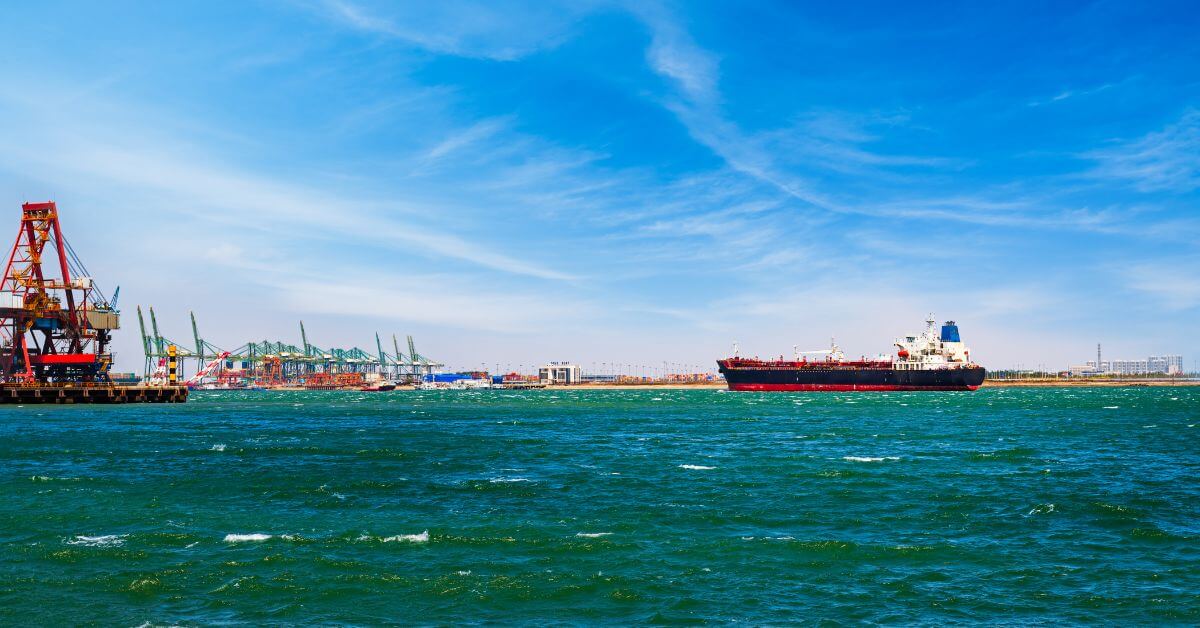
Albania's decision to intercept the Sierra Leone-flagged tanker HANUMAN, preventing it from entering the port of Durres, is a calibrated act of maritime enforcement that reveals how state-level intelligence is now guiding port-state control in real time. Ukraine's Main Directorate of Intelligence (GUR) had been tracking this vessel as part of a broader pattern of Russian shadow fleet operations. For our readers, researchers, policymakers, and maritime analysts, this is not an isolated incident. It is a measurable data point in an integrated ecosystem of geopolitical risk that spans from the Mediterranean to the Arctic. The same logic that drives Russia to calibrate export revenue for icebreaker fleets in the Northern Sea Route, as detailed in Russia Calibrates Export Revenue for Northern Sea Route Icebreaker Fleet, also drives its use of opaque, poorly regulated tankers to move oil under sanctions. Meanwhile, concerns about Russian maritime drone operations in the Mediterranean, reported in Russian Maritime Activity Raises Concerns of Drone Operations in Mediterranean, remind us that these vessels are not merely cargo carriers; they are potential platforms for hybrid warfare.
What makes the HANUMAN case instructive is the mechanism of interception. Albania did not act on a hunch or a tip from a competitor. It acted on intelligence that had been validated over time, longitudinal tracking by a sovereign intelligence agency. This is ocean intelligence applied to security, not just environmental monitoring. For the maritime community, the practical takeaway is clear: the era of anonymous flag-state convenience is closing. Port authorities are now integrating real-time tracking data with intelligence feeds to make enforcement decisions. A vessel's flag, registry, and insurance paperwork are no longer sufficient cover. If your tanker is linked to a shadow fleet, the data trail is now visible to multiple governments simultaneously. The Vostok Project's launch of Arctic oil exports amid geopolitical shifts, as covered in Vostok Project Launches Arctic Oil Exports Amid Geopolitical Shifts, shows that Russia is simultaneously expanding its export infrastructure while relying on these unregulated vessels to move product. That contradiction creates a vulnerability that states are learning to exploit.
Our honest take is this: the HANUMAN interception is a small but significant validation of a data-driven enforcement model. It proves that persistent, peer-reviewed tracking, not alarmist rhetoric, produces actionable outcomes. The specific consequence to watch is whether other Mediterranean states, particularly Greece and Italy, adopt similar protocols. If they do, the shadow fleet's operational cost will rise sharply, forcing Russia to either absorb higher insurance and reflagging expenses or shift cargo to the Arctic route, where icebreaker fees and seasonal constraints apply. The question for our readers is not whether this trend continues, but how quickly the data-sharing architecture between intelligence agencies and port authorities can scale.