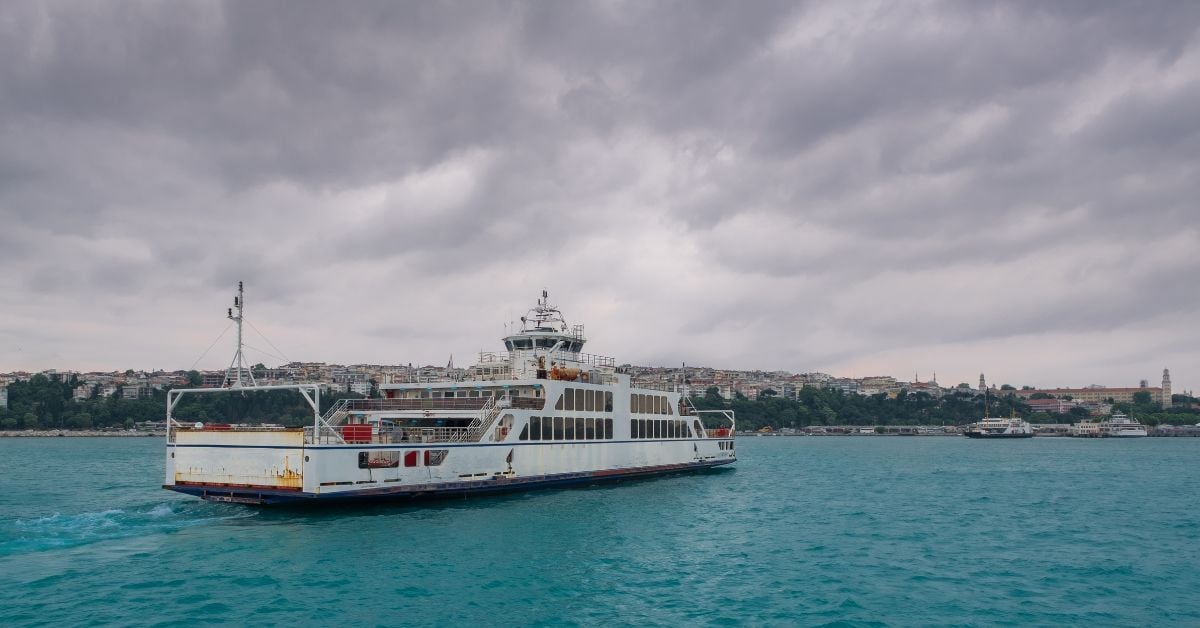
The collision between a passenger ferry and a tanker near Penang Port, which injured 21 people and left six in critical condition, is a stark reminder that the ocean remains an unpredictable and often unforgiving environment. While the immediate focus is correctly on the wellbeing of those affected and the ongoing investigation, this incident underscores a persistent vulnerability in our maritime transit systems. It is not a story about a technological failure in a vacuum, but rather a test of our collective readiness to respond when human error, mechanical fault, or environmental factors converge. For our readers, this is a moment to consider the gap between routine sea travel and the emergency protocols that must snap into action without warning.
We see a direct parallel in the recent Ocean Data Enables Swift Rescue of Injured Seafarer Near Andamans, where real-time information played a critical role in a successful rescue. That incident demonstrated how access to calibrated, integrated data can mean the difference between a coordinated response and a chaotic one. Similarly, the situation off Penang now hinges on the speed and accuracy of communication between port authorities, rescue vessels, and medical teams. However, we must also look at the broader pattern of tanker traffic in high-density shipping lanes. The recent Strait of Hormuz Incidents Prompt Inquiry Into Tanker Impacts remind us that tankers are not passive objects; their sheer size and momentum create hazards that smaller vessels must actively avoid. In both cases, the question is not just about who is at fault, but whether our monitoring systems are truly providing the predictive insight needed to prevent these collisions in the first place.
Our honest take is that while improved vessel tracking and communication are valuable, they are not a panacea. The human element remains the most variable component in maritime safety. A ferry captain navigating a busy harbour, a tanker pilot relying on standard procedures, and a port controller managing multiple inbound and outbound vessels all operate under immense pressure. We would tell a reader who asked us about this that the takeaway is not to fear sea travel, but to demand more rigorous training and real-time decision support tools that account for the unpredictable nature of human behaviour. It is easy to point to a single mistake, but harder to engineer a system that absorbs those mistakes without catastrophic consequences. The data we collect from these incidents must feed back into our models, making our integrated data ecosystem smarter and more responsive.
As the investigation unfolds, we will be watching for specific details: the exact speed of both vessels, the communication logs leading up to the moment of impact, and whether any navigational warnings were issued. The six individuals in critical condition are not statistics; they are a measure of the urgency behind our ongoing work. For the maritime community, the concrete point to watch is whether this leads to mandatory implementation of more advanced proximity alert systems on ferries, or if it becomes another report filed and forgotten. The ocean is not forgiving, and neither should our standards be. We need to move beyond reactive rescue and toward proactive prevention, using every piece of empirical data to make these waters safer for everyone who depends on them.