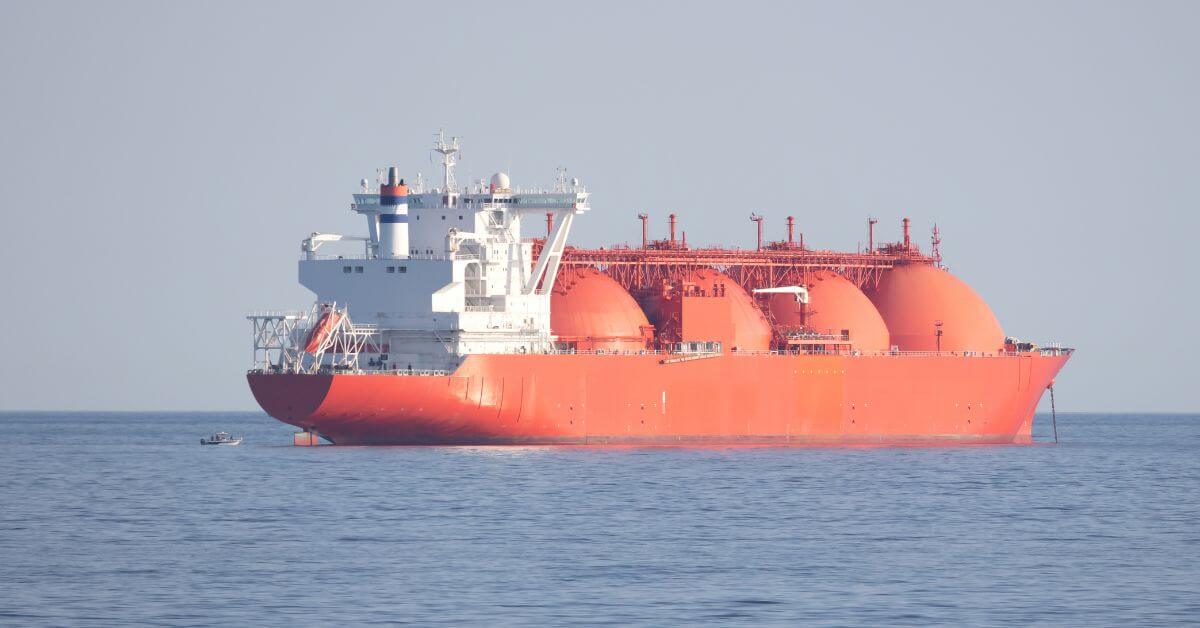
The Al Marrouna, a Qatar-chartered LNG carrier, has transited the Strait of Hormuz for the first time since July, entering the Gulf of Oman early this week. This single voyage is not a statistical anomaly; it is a measured data point in a larger, empirically observable shift in regional energy flows. For our readers, researchers monitoring climate indicators, analysts tracking integrated data ecosystems, and policymakers calibrating their next moves, this movement demands attention, not alarm. It arrives as Phased Negotiations Aim to Ease Restrictions on Strait of Hormuz are reportedly underway, and just weeks after Eighty Nations Urge Reopening of Vital Strait of Hormuz Shipping Lane. The correlation is not causation, but it is a pattern worth calibrating against.
Our take is straightforward: this is a real-time signal of geopolitical recalibration, not a return to normalcy. The Strait of Hormuz has been a chokepoint under de facto restriction since July, and the passage of a single LNG vessel does not invalidate the empirical reality that ship-to-ship transfers in the Gulf of Oman have already maxed out capacity, as noted in our reporting on Gulf of Oman STS Transfers Max Out Amid Rising Saudi Oil Exports. What we see here is a test, a calibrated, measurable probe of the new operational conditions. If the Al Marrouna completes its journey without incident, it provides a validated reference point for future transit windows. If it does not, the data will speak for itself.
For the ocean intelligence community, this event underscores the value of longitudinal tracking. A single LNG carrier moving through a strategic waterway is not a headline to sensationalize; it is an observation to integrate into a broader model of maritime risk and energy security. The practical takeaway for our readers is this: watch the next five transits. A single point of data is interesting; a series of peer-reviewed, verifiable passages constitutes a trend. The climate indicators tied to LNG flows, methane leakage, supply chain emissions, and regional energy dependencies, do not change because one ship moves. But the political and economic conditions that govern those flows are shifting in measurable ways.
What we would tell a reader who asks us about this is simple: do not confuse movement with resolution. The Al Marrouna's journey is a specific, concrete consequence of ongoing negotiations, not a guarantee of reopened lanes. The question to watch is whether this transit is followed by a sustained, measurable increase in flow rates, or whether it remains an isolated event. That distinction, between a signal and noise, is where our integrated data ecosystem earns its value. The ocean does not negotiate; it records. And right now, it is recording a single, carefully watched tanker.