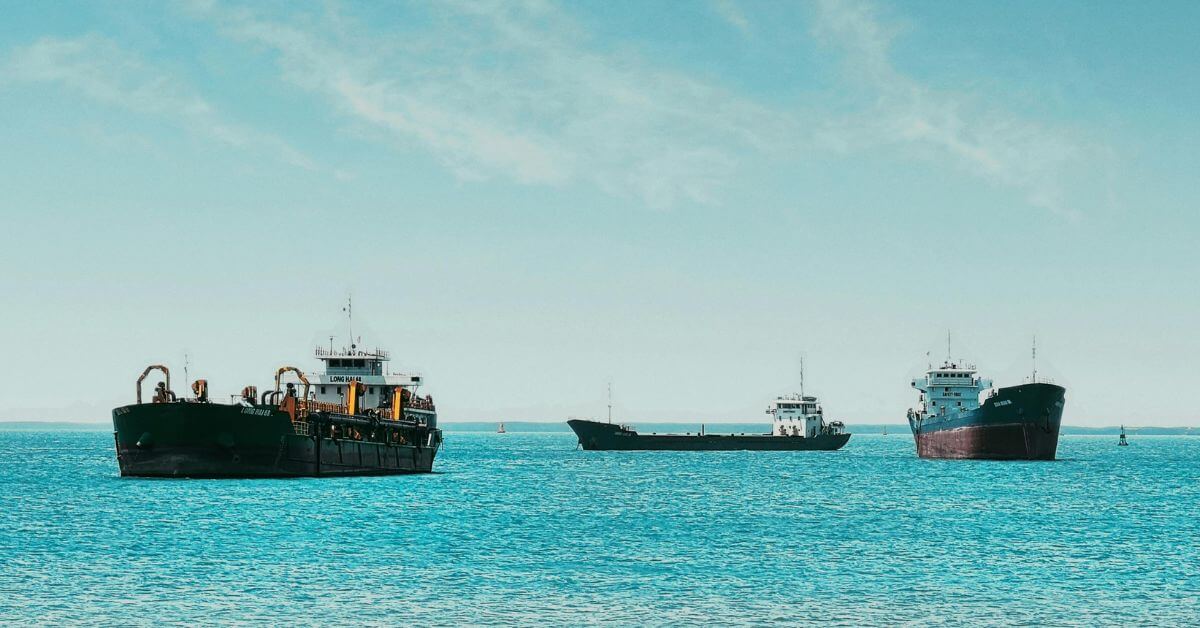
Three foreign-flagged ships carrying Indian crew members were struck on September 8 and 9, the latest casualties in a West Asia conflict that is redrawing the map of global maritime risk. The attacks come as Phased Negotiations Aim to Ease Restrictions on Strait of Hormuz and Eighty Nations Urge Reopening of Vital Strait of Hormuz Shipping Lane proceed in diplomatic channels. The disconnect is stark: diplomats discuss phased reopening while seafarers face real-time danger. For the Indian crews caught in these attacks, the abstraction of geopolitics becomes a measured, empirical threat to life and livelihood.
What stands out is the pattern of escalation. The Gulf of Oman STS Transfers Max Out Amid Rising Saudi Oil Exports report showed that ship-to-ship oil transfers in the region have already reached maximum capacity, indicating that commercial pressure is forcing vessels into higher-risk zones regardless of security conditions. When STS transfers max out, ships must either wait, costing time and money, or navigate waters where attacks have become a calibrated, recurring variable. The crews on those three vessels were not making a political statement; they were executing a logistical decision that turned dangerous. This is not alarmism. It is a measurable consequence of a strained integrated data ecosystem failing to reroute risk effectively.
For our readers, researchers, policymakers, and maritime professionals, the practical takeaway is that ocean intelligence must now account for conflict zones as dynamic, not static. Traditional shipping risk assessments treat war risk as a binary: a lane is open or closed, safe or dangerous. The data from these attacks, combined with the STS bottleneck and the diplomatic maneuvering, suggests a more complex reality. Vessels are operating in a gray zone where the probability of attack is neither zero nor certain, but empirically elevated. This demands real-time, peer-reviewed tracking of threat vectors, not just weather and currents, but political friction points that shift weekly. The Indian crews affected are a reminder that ocean stewardship includes protecting the human element of maritime labor, a factor often lost in discussions of tonnage and throughput.
The specific detail to watch is how the phased negotiations on the Strait of Hormuz interact with the operational reality of these attacks. If eighty nations can urge reopening while crews are being hit, the gap between diplomatic intent and on-water safety must close. One concrete takeaway for anyone tracking this story: the next attack will not be a surprise. The data on STS saturation, diplomatic timelines, and crew deployment is already available. The question is whether the industry will integrate that data into routing decisions fast enough to prevent the next incident.