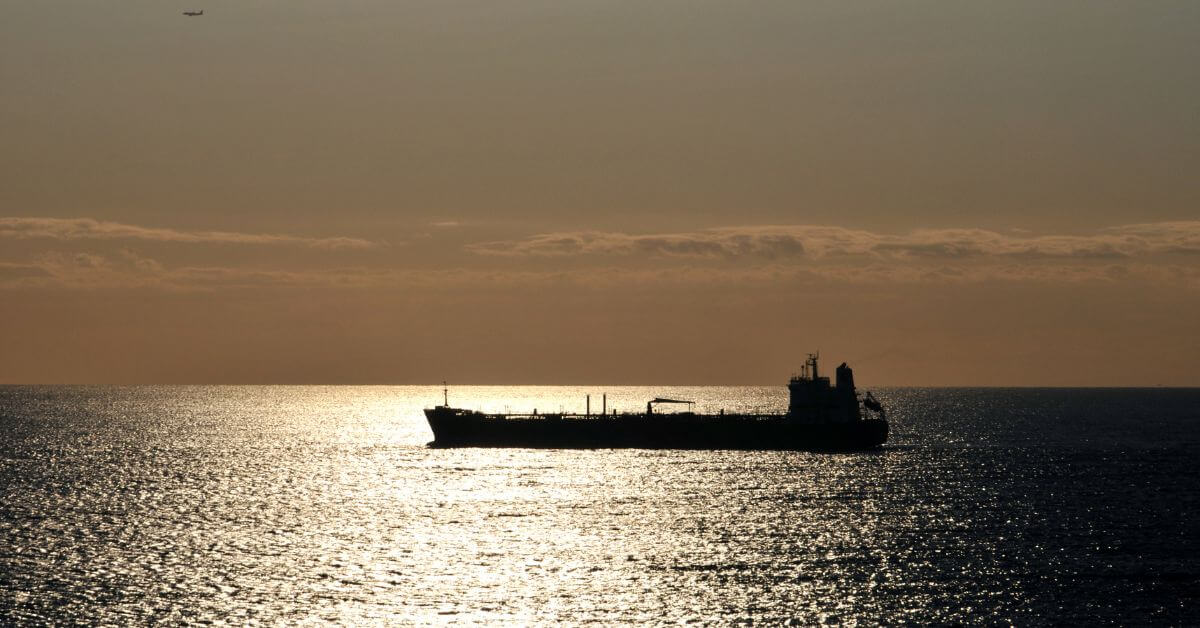
The Strait of Hormuz is not a footnote in global energy security; it is the stage where maritime law, regional ambition, and economic reality collide. The United States has officially rejected Iran's account that the Panama-flagged oil tanker *El Gaia* struck a naval mine, asserting instead that Iranian forces attacked the vessel. That distinction matters far beyond the incident itself. For the crews transiting these waters and the nations watching their energy supplies, the gap between a mine and a missile is the difference between an accident and an act of war. This dispute unfolds as Eighty Nations Urge Reopening of Vital Strait of Hormuz Shipping Lane, a diplomatic push that now carries an added layer of urgency. Meanwhile, Phased Negotiations Aim to Ease Restrictions on Strait of Hormuz continue in the background, suggesting that the language of diplomacy and the language of force are being spoken simultaneously.
What strikes us is not that the United States and Iran disagree; that is expected. What matters is the evidentiary chasm that each side is trying to exploit. A naval mine is a blunt, indiscriminate weapon, one that leaves distinct forensic signatures. A direct attack, whether by drone, missile, or fast boat, leaves different traces. The international shipping community, already strained by the maximum capacity of Gulf of Oman STS Transfers Max Out Amid Rising Saudi Oil Exports, does not have the luxury of treating this as a political abstraction. Every day that the cause remains contested, insurers raise premiums, charterers reroute cargo, and seafarers face heightened risk. For our readers, the practical question is not whether Iran or the U.S. has the more credible narrative. It is whether the maritime industry can absorb another undefined escalation without a coordinated response.
We would tell a reader asking about this story to watch the classification of the incident more than the rhetoric. If the U.S. presents physical evidence of an attack, it will likely push for a resolution at the International Maritime Organization or the U.N. Security Council, which would have direct consequences for naval escorts and rules of engagement. If the evidence remains classified, expect a series of quiet but consequential shifts: more private security detachments, tighter transit windows, and a hardening of the deconfliction protocols between U.S. and Iranian forces. The negotiations mentioned in the phased deal are not insulated from this incident; they are its backdrop. A single miscalculation here could collapse months of quiet diplomacy, while a measured response could reinforce the very norms that keep the strait open. The takeaway is simple: the next few weeks will test whether the Strait of Hormuz remains a governed waterway or becomes a contested flashpoint where the only reliable truth is the hull of the next damaged tanker.