Indian Navy
Indian Navy at World Data Ocean is a file of 42 stories. The newest of them: “India's Private Shipyard Delivers First Multipurpose Naval Vessel INS Samarthak”, “Indigenous Multipurpose Vessel Samarthak Joins Indian Navy at Karwar”, and “INS Vikrant model docks in Thiruvananthapuram as tribute to indigenous naval capability”. On October 16, 2026, the Indian Navy commissioned INS Samarthak, the first multipurpose naval vessel built by a private Indian shipyard. On 16 October 2026, the Indian Navy commissions *Samarthak*, its first indigenously built Multi-Purpose Vessel, at Karwar. A Global Hub for Ocean Intelligence 4 World Data Ocean is a centralized digital platform where researchers, scientists, and ocean enthusiasts converge to… The list below is every Indian Navy story on World Data Ocean, newest first.
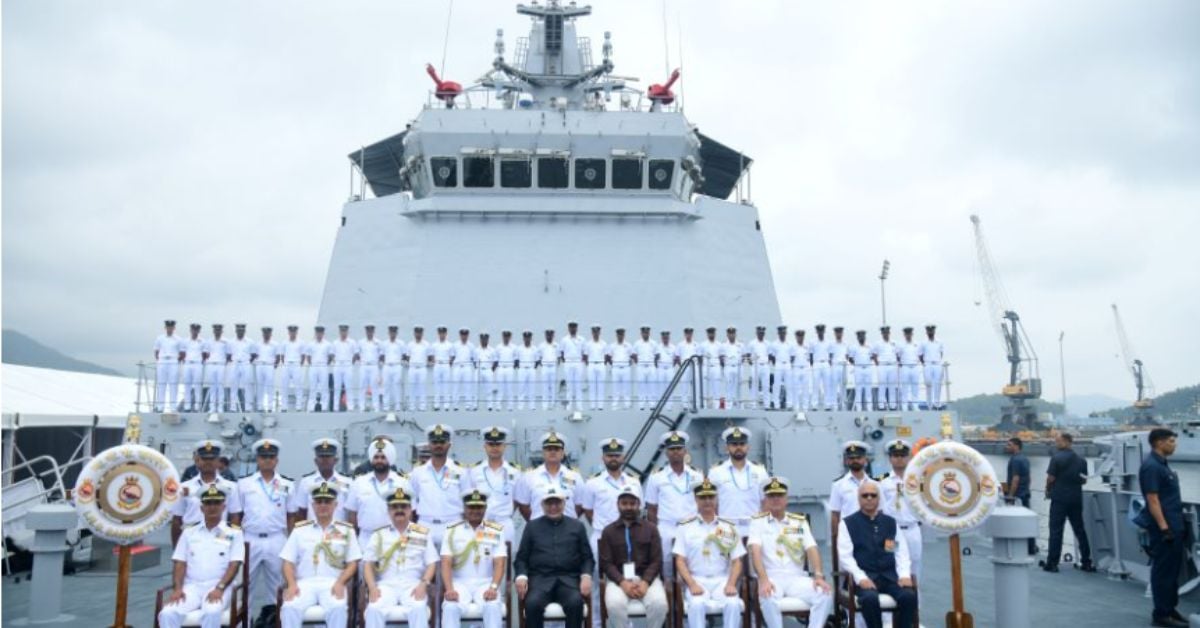
India's Private Shipyard Delivers First Multipurpose Naval Vessel INS Samarthak
On October 16, 2026, the Indian Navy commissioned INS Samarthak, the first multipurpose naval vessel built by a private Indian shipyard. This milestone validates the country's growing capacity for indigenous, integrated naval construction. Measurable progress in maritime sovereignty demands such calibrated steps. For a parallel in polar capability, see our coverage of Canada's largest polar icebreaker, CCGS Imnaryuaq, now under construction to expand Arctic ocean intelligence.
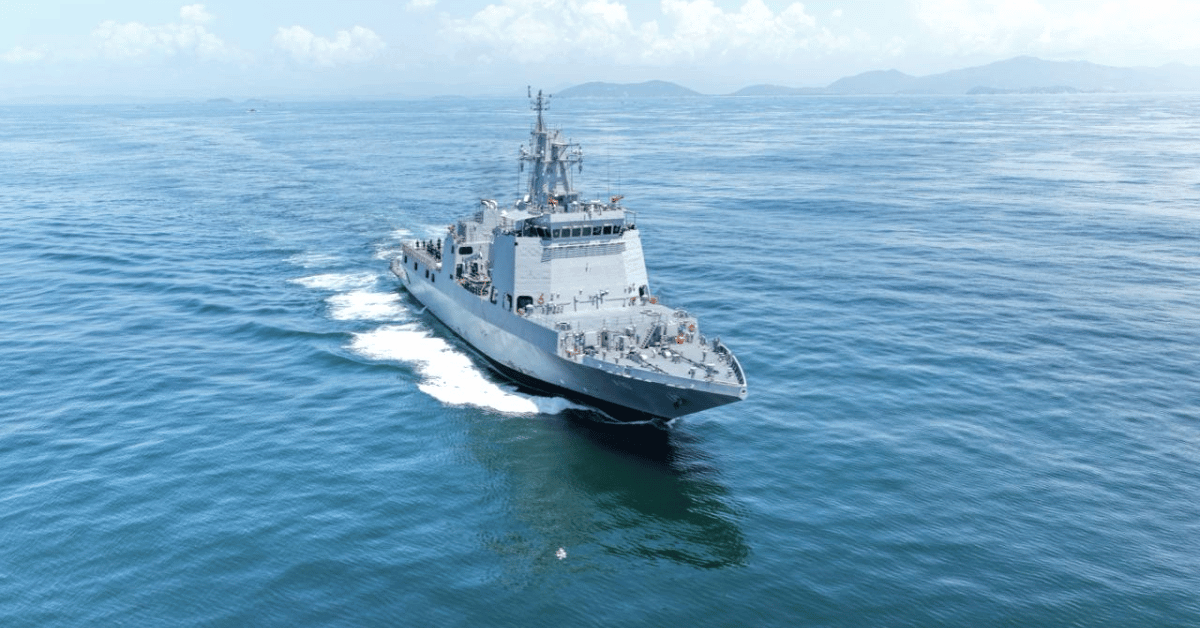
Indigenous Multipurpose Vessel Samarthak Joins Indian Navy at Karwar
On 16 October 2026, the Indian Navy commissions *Samarthak*, its first indigenously built Multi-Purpose Vessel, at Karwar. This is not merely a ceremony; it is a validated step toward self-reliant maritime capability. Indigenous shipbuilding strengthens our integrated data ecosystem for ocean intelligence, and this vessel will contribute measurable, real-time climate indicators. For deeper context on how recovered artifacts expand our understanding, see our coverage of the Britannic wreckage. Understanding drives protection.
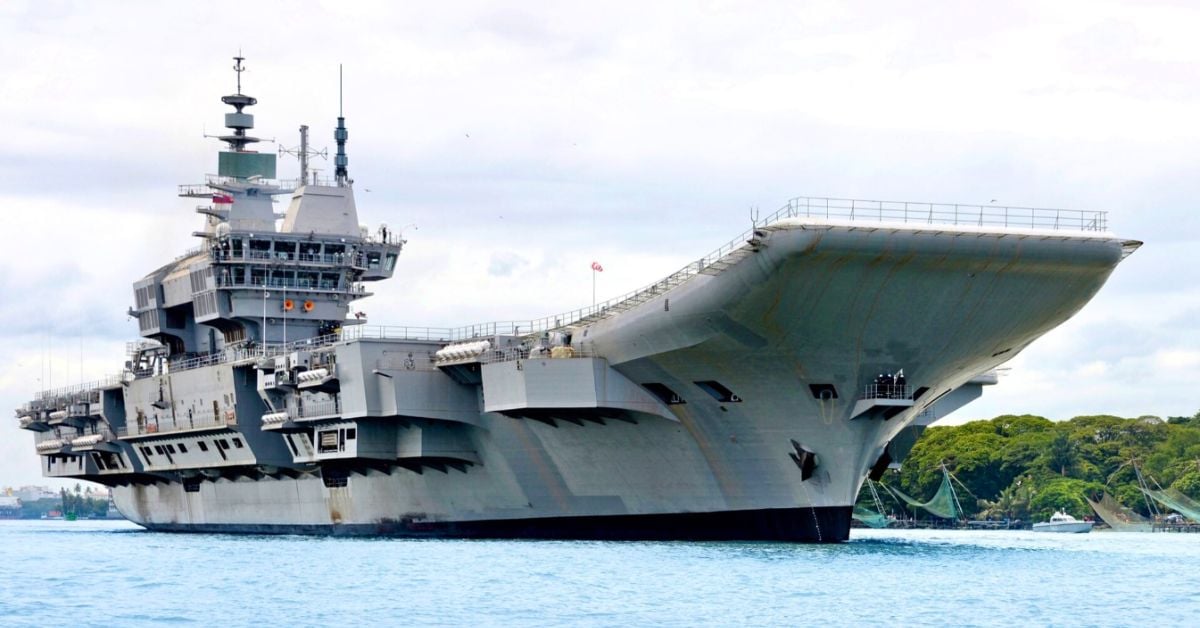
INS Vikrant model docks in Thiruvananthapuram as tribute to indigenous naval capability
A large-scale model of INS Vikrant now stands in Thiruvananthapuram, a tribute from the Indian Navy to the nation's first indigenously built aircraft carrier. The dedication anchors a broader push toward self-reliance in maritime defense, one that extends beneath the surface, as seen in India's deployment of military-grade ROVs to advance ocean intelligence. Understanding drives protection, and here, that principle is cast in steel and scale.
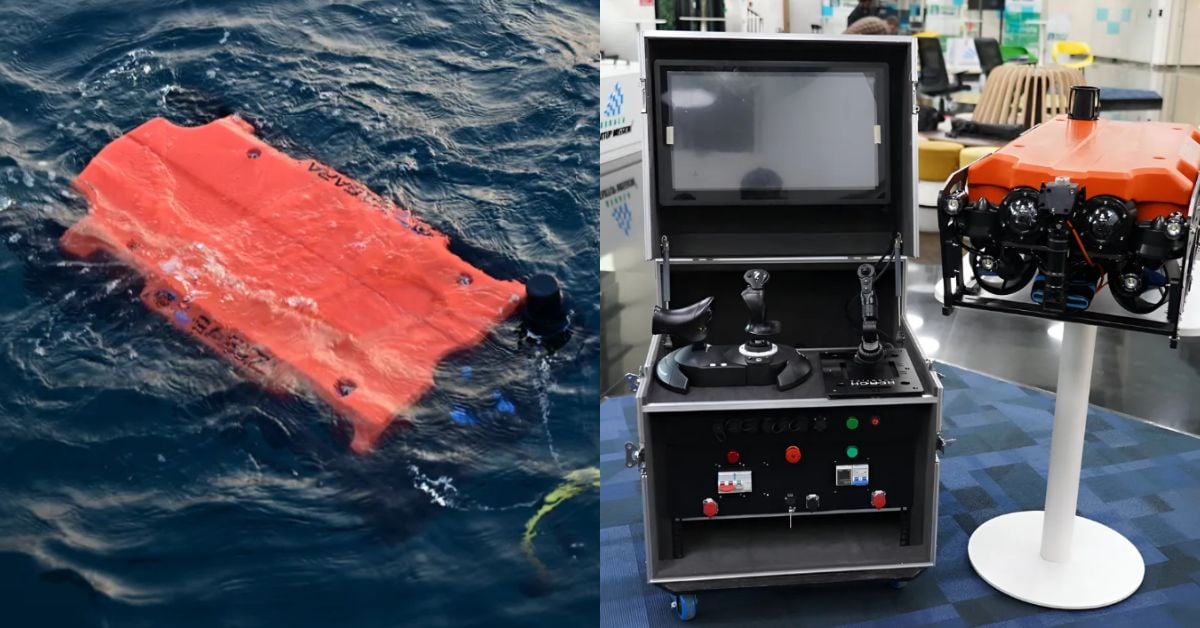
India deploys military-grade ROVs to advance ocean intelligence capabilities
India has deployed two military-grade underwater remotely operated vehicles (ROVs), built by Kerala-based maritime robotics firm EyeROV, to advance its ocean intelligence capabilities. These calibrated, integrated systems represent a measurable leap in real-time ocean data collection. As we noted in our coverage of the new AI and digitalisation pact between China Merchants Energy Shipping and RINA, the maritime sector is increasingly turning to validated technology for safety and emissions goals. Understanding drives protection, from the ocean floor to the surface.
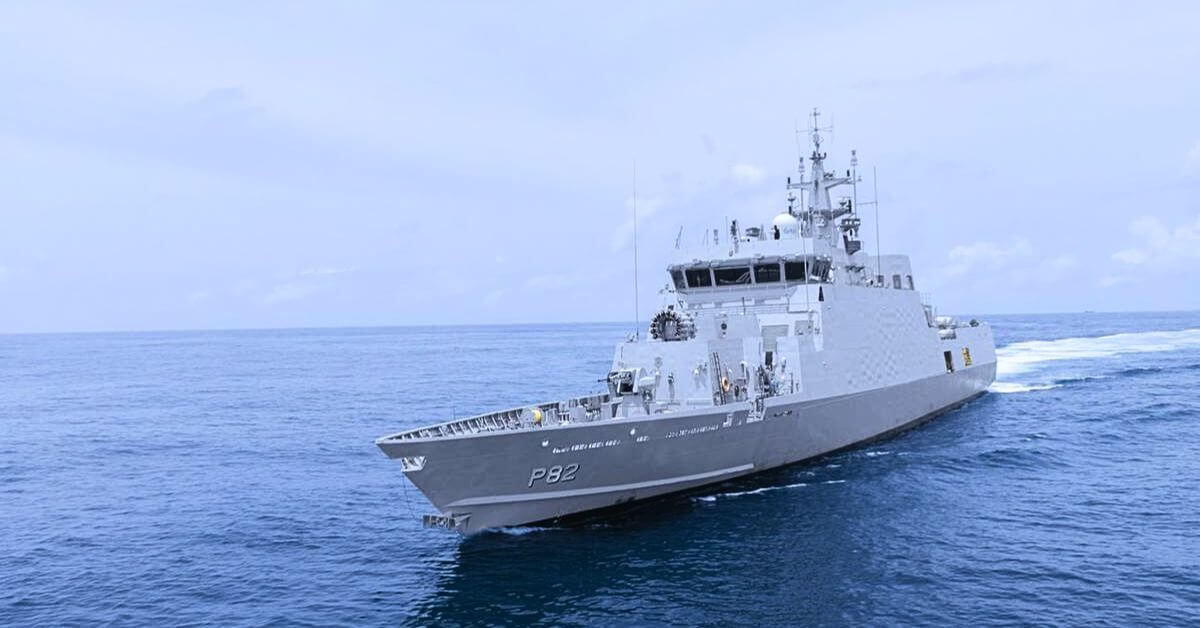
INS Mangrol joins India's shallow-water fleet with 80% indigenous design
INS Mangrol enters service as a warship built for the shallows, 80 percent indigenous design, purpose-calibrated for waters where larger vessels cannot operate. This is not merely a vessel addition; it is a measurable step toward self-reliant coastal defence. India's naval strategy increasingly demands integrated, real-time capabilities in near-shore environments. For deeper context on India's expanding maritime reach, read our coverage of the new support ship Surya.
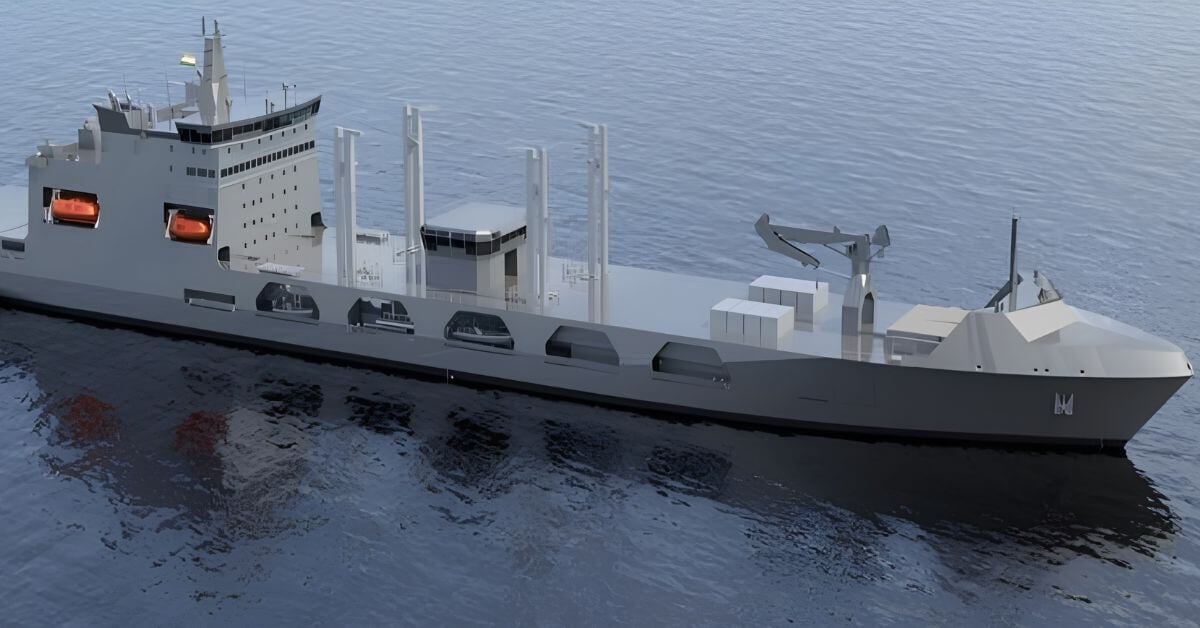
India launches Surya, a new support ship for extended naval operations
On October 6, Defence Minister Rajnath Singh launched Surya, a new support ship for extended naval operations, at Hindustan Shipyard Limited in Visakhapatnam. This vessel strengthens India's capacity for sustained maritime presence. Such capability aligns with a broader shift toward integrated ocean intelligence, as explored in our article, "A mothership for underwater drones signals a new era in ocean intelligence." Purpose-built platforms are becoming essential for measured, long-term stewardship of our seas.
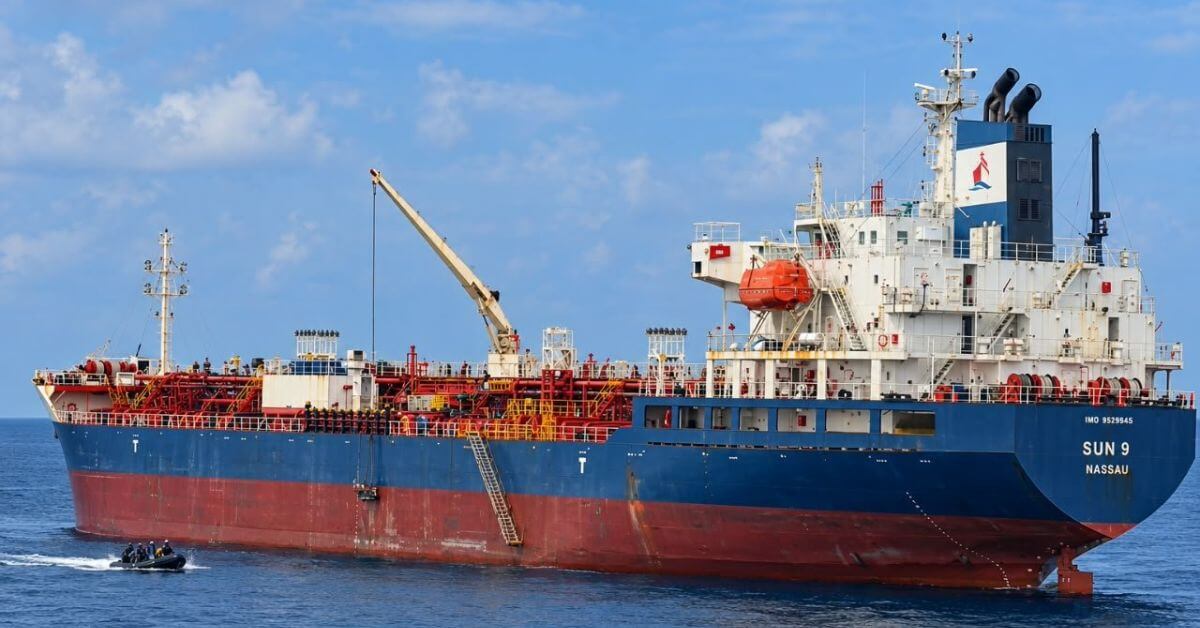
Coordinated response enables medical evacuation in Andaman Sea transit
A coordinated response turned hours of uncertainty into a single, precise operation. The Indian Navy evacuated an injured Vietnamese citizen from the merchant ship MT Sun 09 during transit in the Andaman Sea. This is what integrated maritime capability looks like: validated protocols, real-time decision-making, and a shared commitment to safety across international waters. Understanding drives protection. For deeper coverage on maritime security, see our report on delayed confirmations of five IRGC vessel incidents in the Strait of Hormuz.
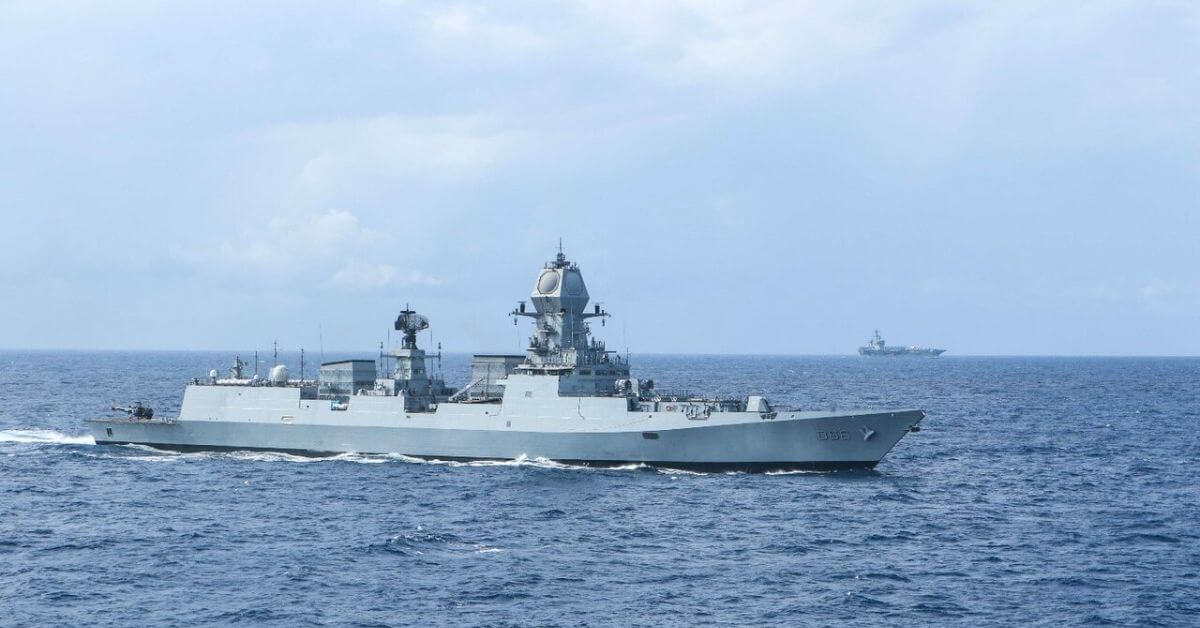
Navy sailor held at Coimbatore training base on charges of leaking data to Pakistan
Naval sailor Pradeep Mukherjee, a West Bengal native, was arrested at INS Agrani in Coimbatore on charges of leaking data to Pakistan. This breach at a training base underscores the persistent threat to military security. Validated investigative protocols must now guide the response, reinforcing the integrated data ecosystem that protects national interests. For deeper context on India's aquatic security, see our related coverage on eDNA maps Nile tilapia invasion across West Bengal freshwater habitats.
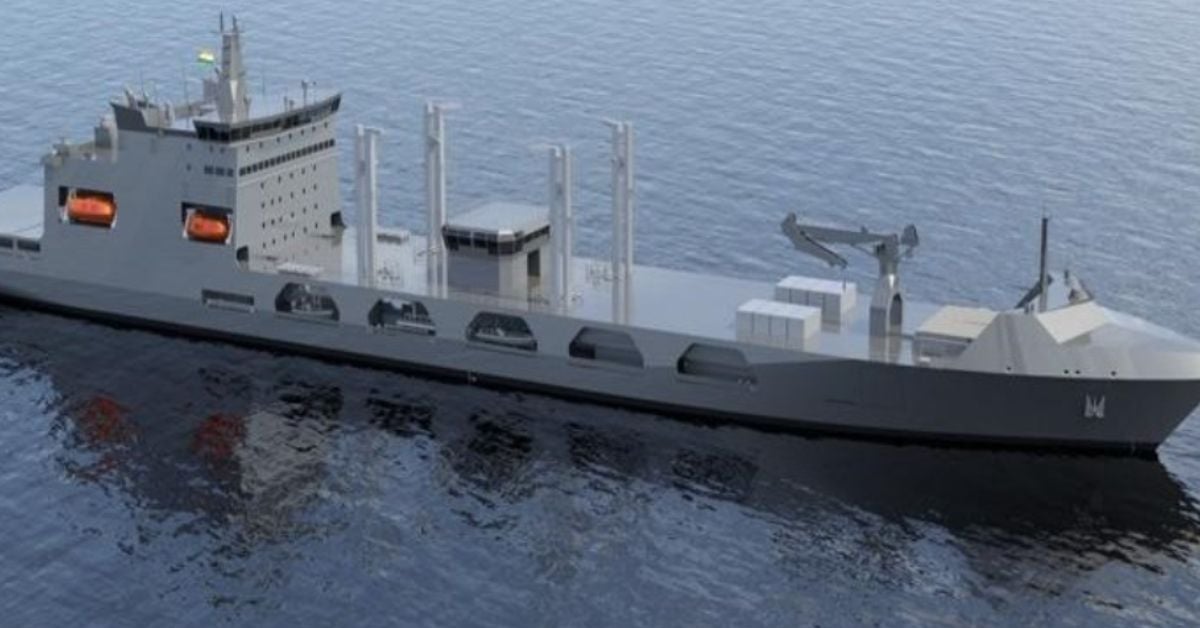
India's 43,500-tonne support vessel extends fleet endurance in the Indian Ocean
A 43,500-tonne fleet support ship extends the Indian Navy's endurance across the Indian Ocean, enabling sustained operations far from home ports. This is not just a logistics vessel; it is a statement of measured, persistent presence. Replenishment at sea transforms reach into readiness. For deeper context on how the Navy applies this capability in real-time, read our coverage of the coordinated medical evacuation in the Andaman Sea. Understanding drives protection.
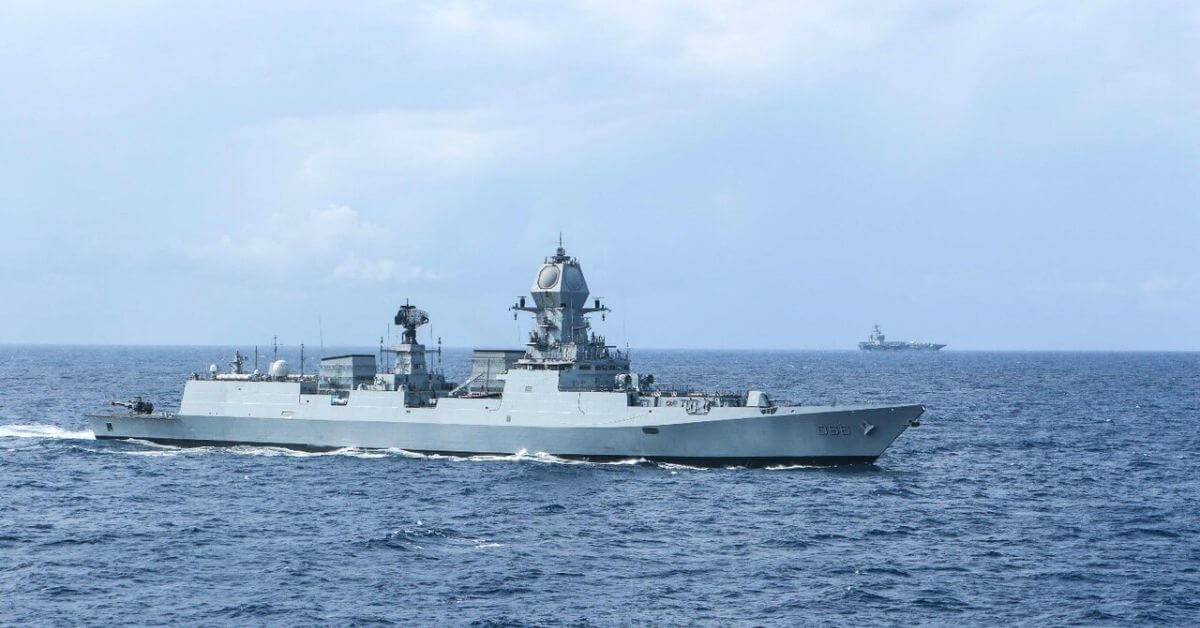
India Projects Expanded Naval Fleet to Navigate Evolving Maritime Landscape
The Indian Navy is planning for around 230 ships by 2040-2045, a clear signal of how seriously it views the region's shifting power dynamics. This is not about expansion for its own sake; it is calibrated preparation for a more contested maritime environment. Strategic foresight like this matters, especially as related coverage on domestic amphibious innovation highlights where that future capability is heading. Measured, deliberate, and backed by long-term thinking, this is the kind of planning that turns maritime ambition into real operational readiness.
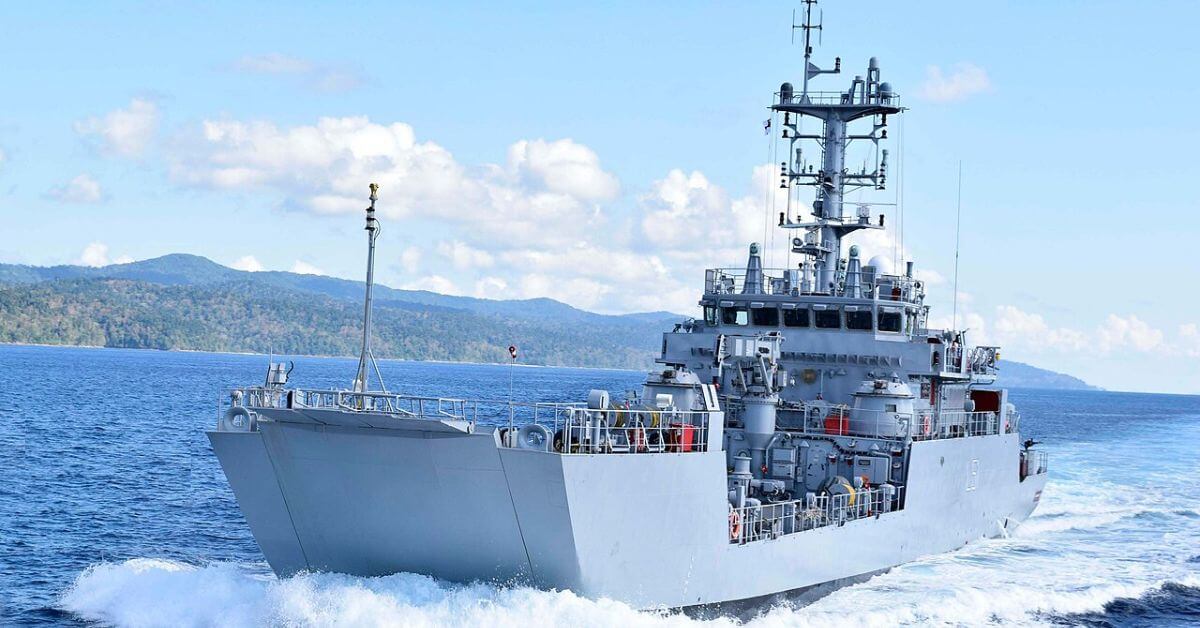
Indian Navy Explores Domestic Innovation for Amphibious Fleet Expansion
The Indian Navy's Request for Information for six new Landing Craft Utility Mk V vessels signals a deliberate shift toward domestic shipbuilding, a move that strengthens both operational reach and industrial self-reliance. This is not merely procurement; it is an investment in sovereign capability. As the service projects a larger fleet toward 2040, as detailed in our related article on India's naval expansion, such steps ensure readiness remains anchored in homegrown innovation. We see this as a practical, forward-looking decision.
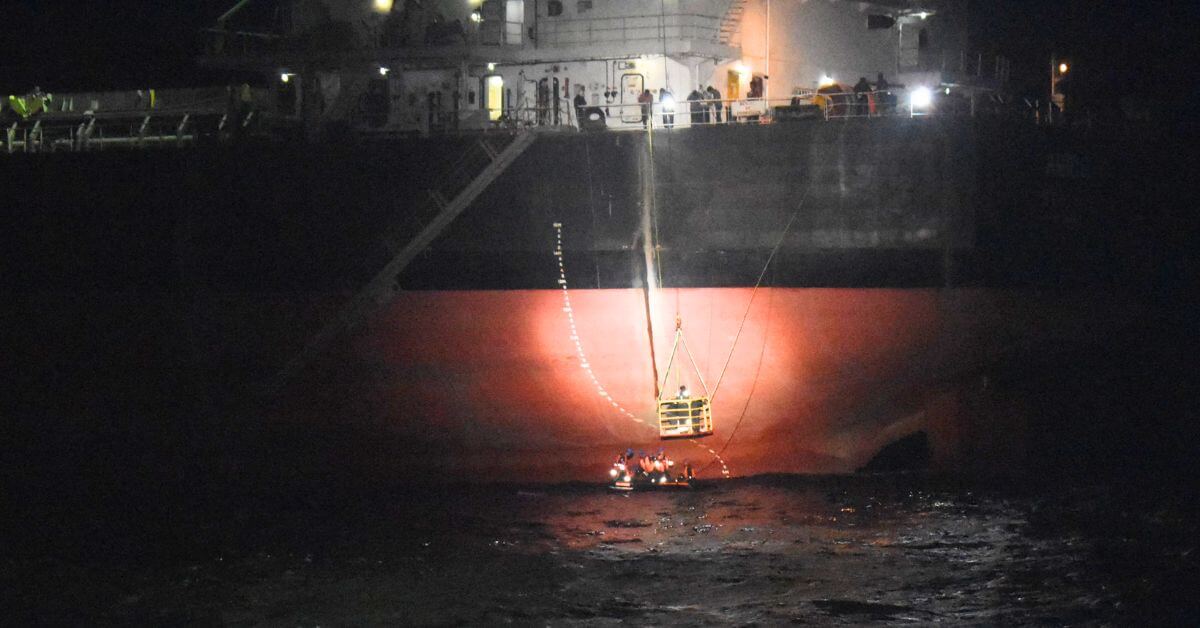
Ocean Data Enables Swift Rescue of Injured Seafarer Near Andamans
A fall on board a vessel near the Andaman Islands led to a swift rescue operation, with the Coast Guard responding to a crew member suffering severe head and spinal injuries. The incident underscores how real-time maritime data and integrated response systems turn critical moments into coordinated action. Ocean intelligence does not just track currents; it enables protection where it matters most. For more on maritime emergencies, see our coverage of the cargo ship fire near Mykonos.
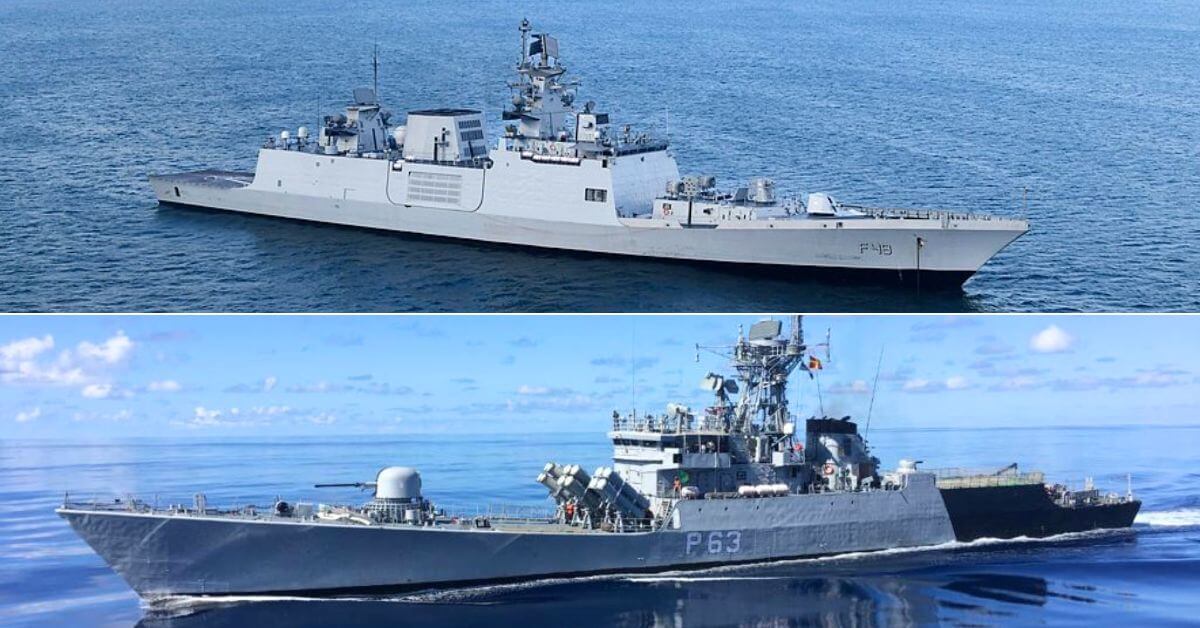
Integrated Maritime Data Collection Underway in Philippine Exercise
The INS Sahyadri and INS Kulish have arrived at Subic Bay, marking the start of integrated maritime data collection during a Philippine exercise. This is a practical demonstration of how naval assets can work together to gather empirical, real-time ocean intelligence. The mission underscores the value of measured, collaborative operations in a region where climate indicators and security concerns increasingly overlap. For broader context on how such efforts align with future fleet ambitions, readers may explore our related coverage on India's expanded naval projections.
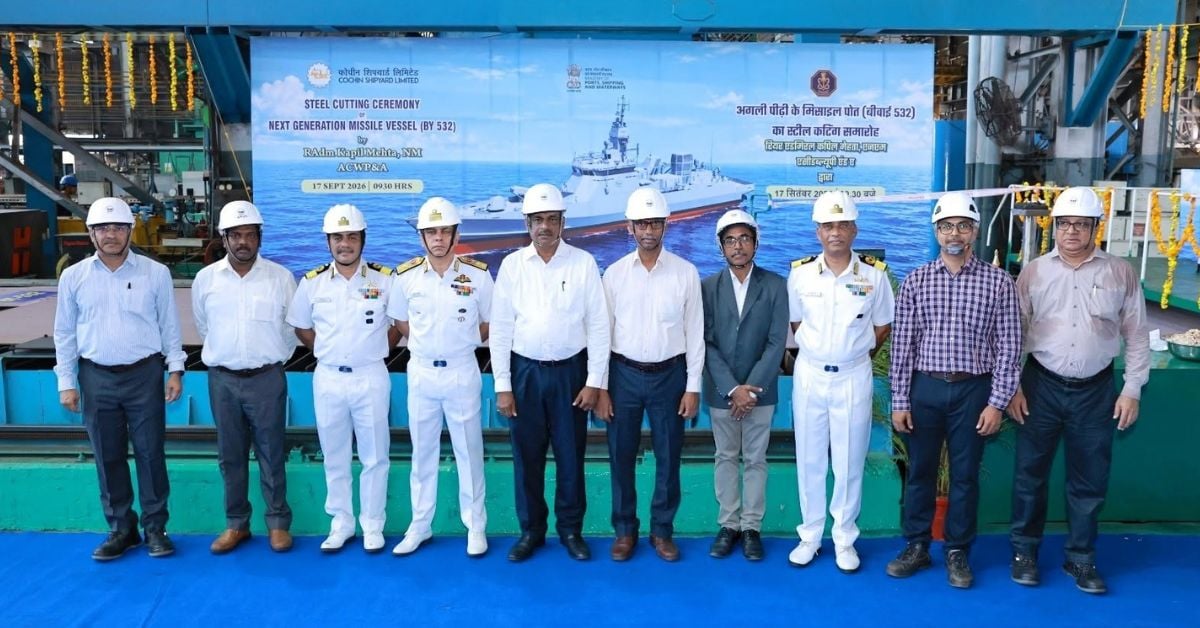
Next-Generation Missile Vessels Advance Indian Navy Capabilities.
The Indian Navy's next-generation missile vessels are built for speed, plain and simple. At 33 knots with a crew of 80, these ships prioritize rapid response without sacrificing operational heft. That is a practical step toward a leaner, more agile fleet. We see this as a deliberate move to keep pace with shifting maritime demands. For broader context on India's shipbuilding momentum, our piece on Cochin Shipyard's design expansion offers useful grounding. Speed alone does not secure waters, but it certainly narrows the gap.
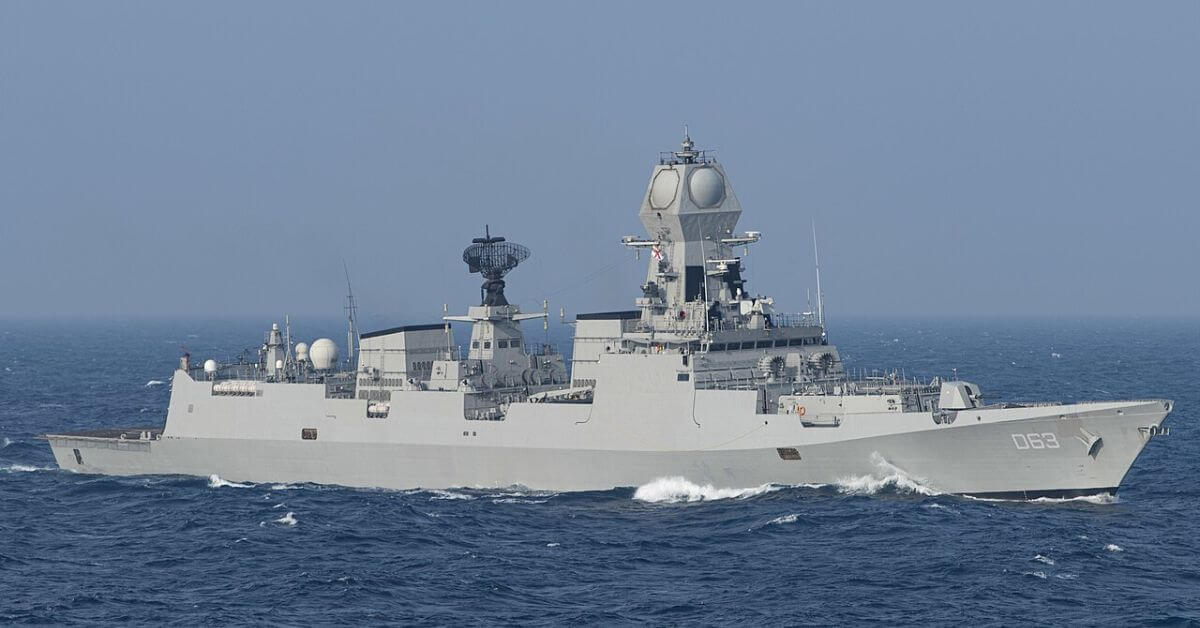
Naval Standoff: Tensions Rise as Pakistan Accuses India Near EEZ
The first open military confrontation between Pakistan and India since May 2025 has arrived, this time near the Exclusive Economic Zone, marking a sharp escalation in an already tense maritime theatre. This incident underscores how quickly regional friction can shift from diplomatic channels to open water. For those tracking the broader picture, our related piece on India's planned naval expansion offers crucial context on the strategic build-up behind such standoffs.
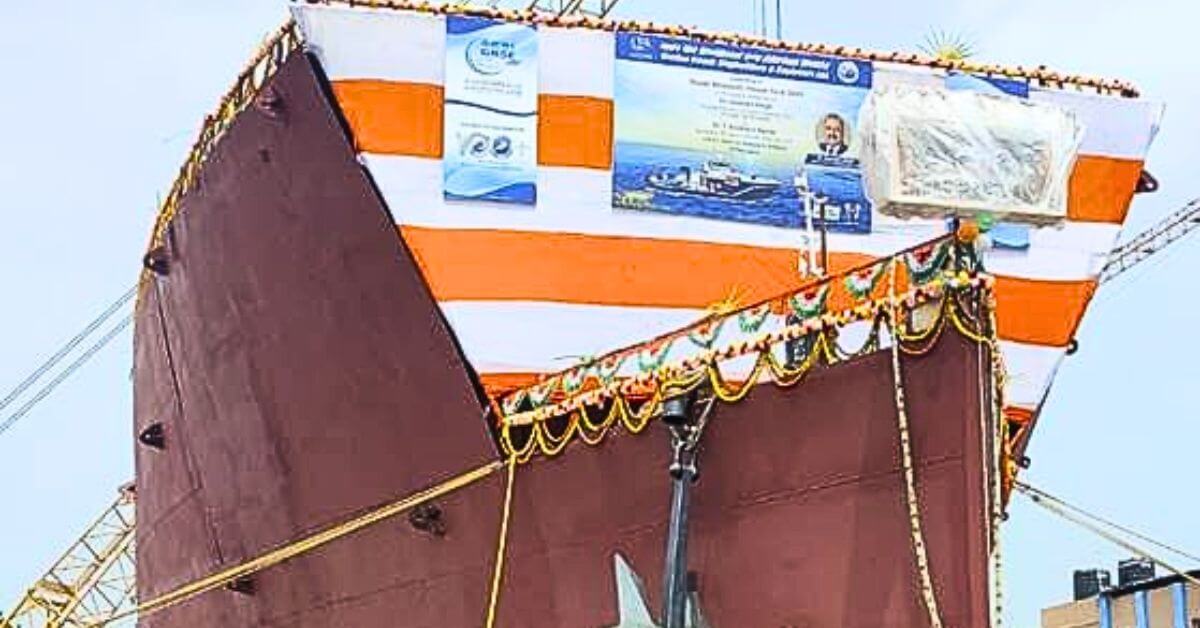
Advancing Ocean Intelligence: Indian Navy Launches ORV Sagar Manthan
The Indian Navy's launch of ORV *Sagar Manthan* at Rishi Bankim Shipyard marks a calibrated step forward for ocean intelligence. This state-of-the-art research vessel will strengthen our capacity for empirical, real-time observation of climate indicators. Understanding drives protection, and this vessel delivers the integrated data ecosystem we need. For another perspective on how subsea infrastructure supports such missions, see our article on integrated subsea cables enhancing data transmission across the Indian Ocean.
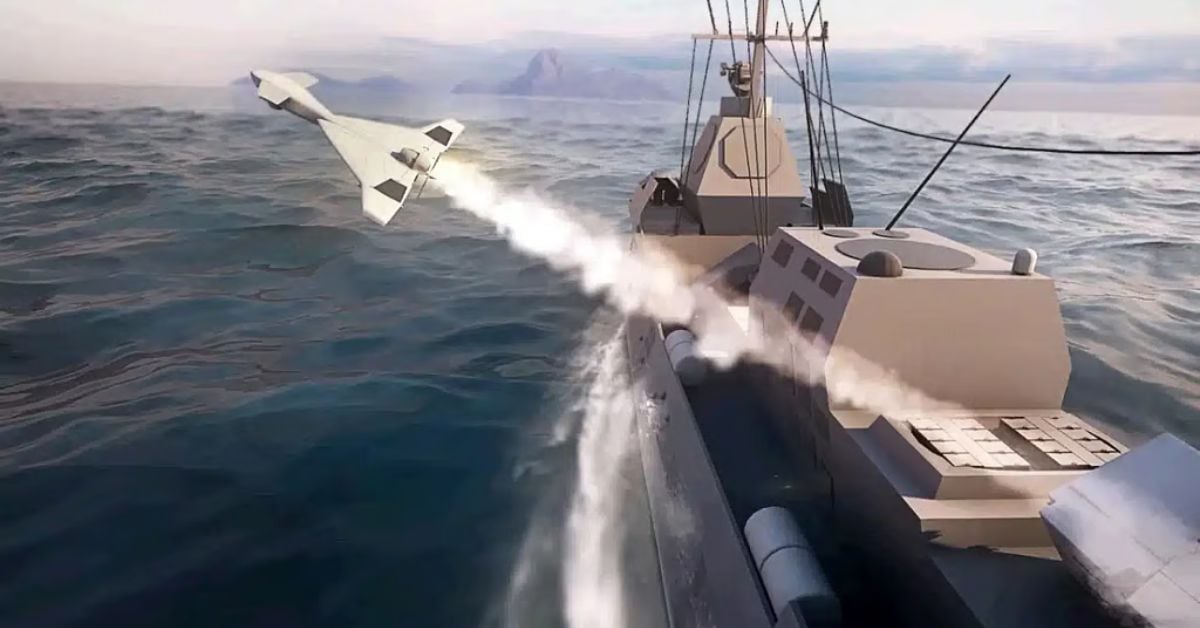
Expanding Naval Capabilities: Indian Navy Acquires Long-Range Loitering Munition
The Indian Navy's acquisition of a long-range loitering munition, integrated into a universal strike system, signals a calibrated expansion of its maritime reach against both sea and land targets. This is not about alarm; it is about measured, forward-thinking capability. Such precision-driven tools reflect an evolving naval posture where empirical data and strategic readiness converge. For deeper context on fleet ambitions, see our related coverage on "India Projects Expanded Naval Fleet to Navigate Evolving Maritime Landscape." Understanding drives protection.
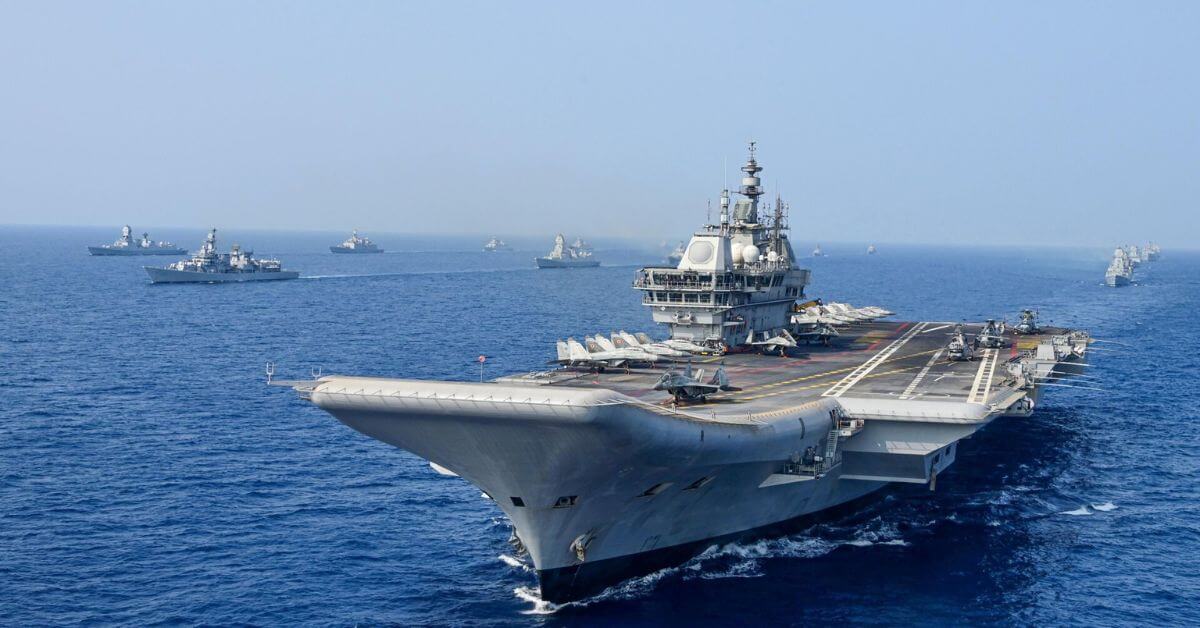
Enhanced Maritime Connectivity: Indian Navy Pursues Indigenous SATCOM Solutions
Secure links at sea are not a luxury; they are a strategic requirement. The Indian Navy's pursuit of indigenous SATCOM solutions for its warships signals a clear commitment to operational self-reliance. Operating thousands of kilometres from shore demands more than reach; it demands encrypted, reliable data flow. This move strengthens the integrated data ecosystem that modern naval power depends on.
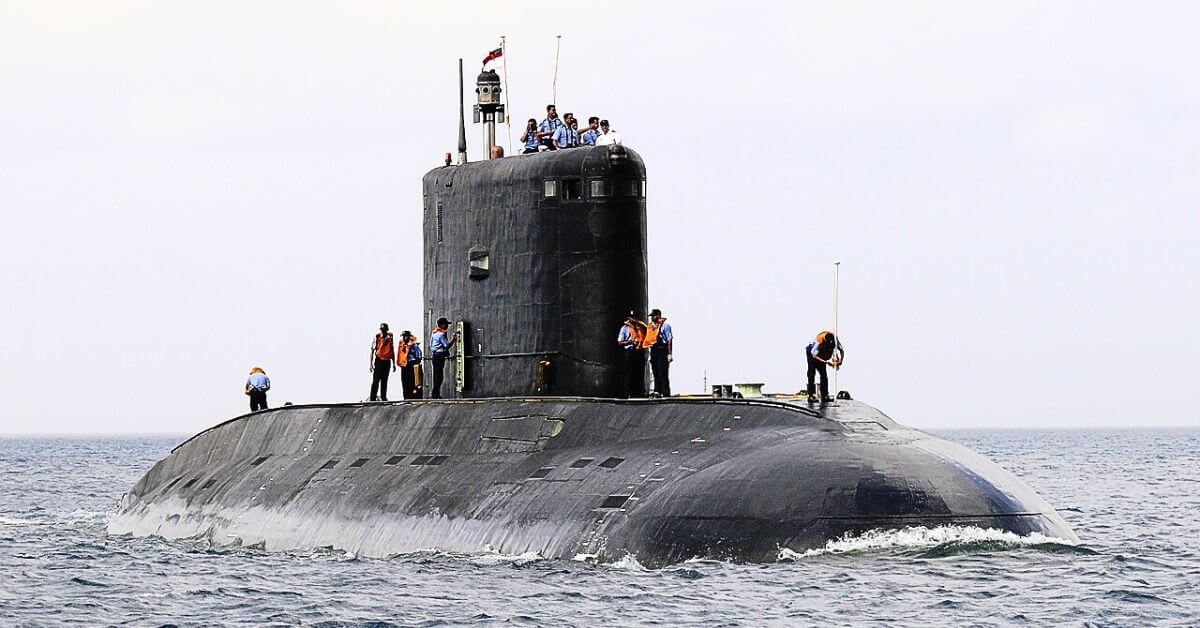
India Considers Refurbished Kilo Submarines Amidst Fleet Modernization
Russia's offer of three refurbished Kilo-class submarines to India arrives at a moment when fleet modernization is no longer optional. The boats, fitted with newer weapons, extend a practical path to capacity without the timelines of new construction. It is a measured proposal, and one worth examining closely. For readers tracking regional naval momentum, our coverage of India's projected 230-ship fleet in "India Projects Expanded Naval Fleet to Navigate Evolving Maritime Landscape" provides useful context. Pragmatism, not sentiment, should guide this decision.
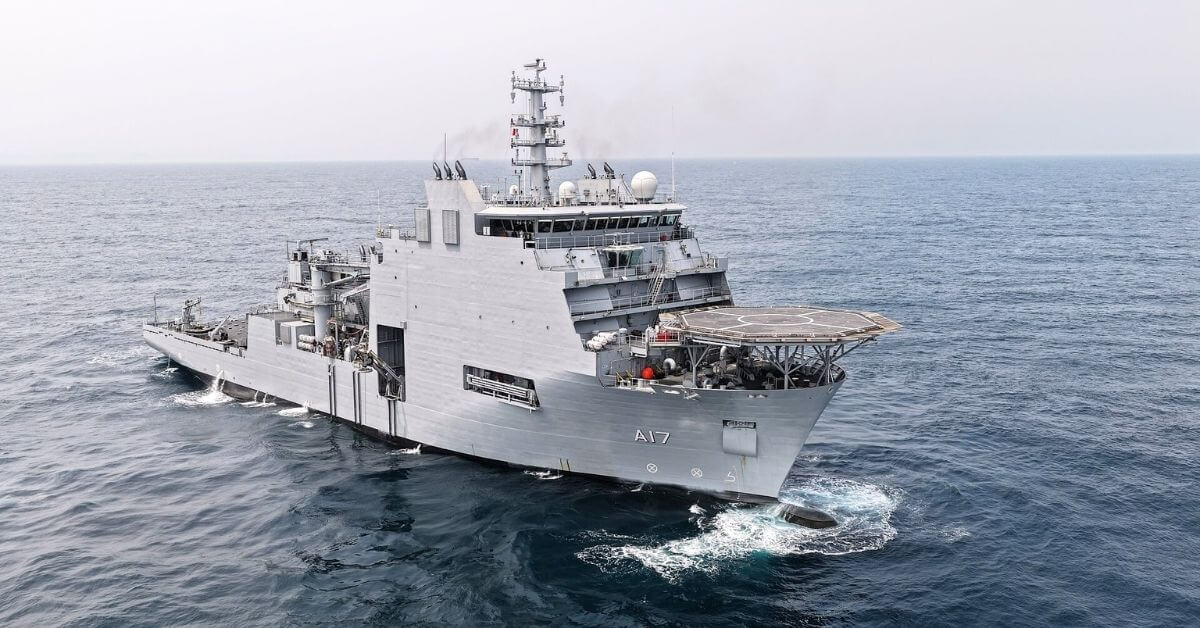
INS Nipun Joins Indian Navy Fleet, Bolstering Underwater Capabilities
The Indian Navy has commissioned INS Nipun, its second Nistar-class Diving Support Vessel, at the Naval Dockyard in Mumbai, adding a measured edge to its underwater capabilities. This is a practical step, not a spectacle: a ship built to sustain divers and subsea operations with quiet competence. We see it as a deliberate signal of readiness.
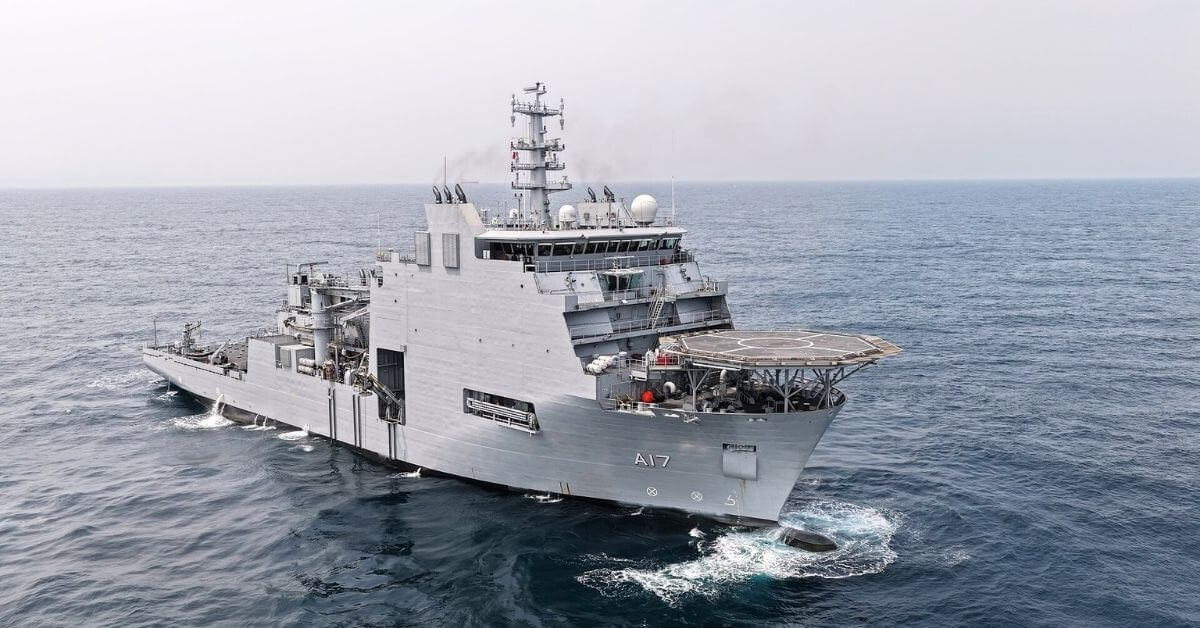
Indigenous Vessel Nipun Bolsters Indian Navy’s Underwater Capabilities
India has added a distinctly indigenous asset to its naval fleet with the Nipun, a vessel designed and built by Hindustan Shipyard Limited in Visakhapatnam. This launch strengthens underwater capabilities with a clear signal: self-reliance is no longer an ambition but a working principle. For those tracking how India's maritime posture evolves, the Nipun sits alongside the navy's projected 230-ship fleet by 2045, a trajectory detailed in our related coverage, "India Projects Expanded Naval Fleet to Navigate Evolving Maritime Landscape.
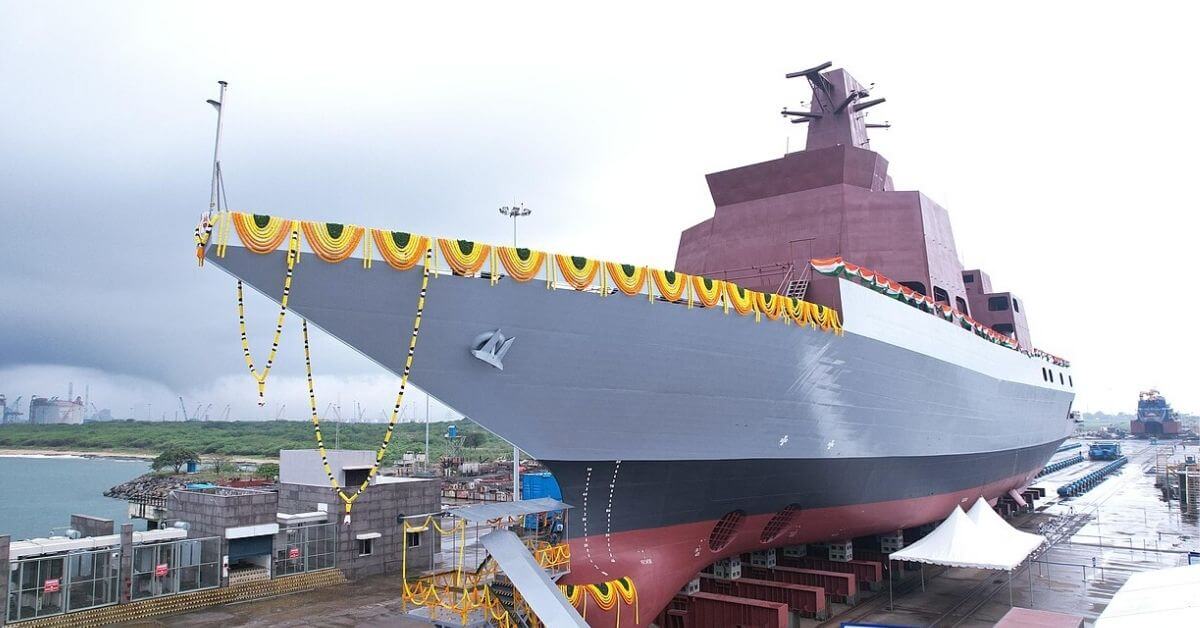
Advancing Maritime Capabilities: India's New Multi-Purpose Vessel Deploys.
India's new multi-purpose vessel brings a practical edge to maritime training, launching and recovering aerial, surface, and underwater targets for gunnery and anti-submarine exercises. That capability matters: realistic drills depend on reliable assets, not just theory. It is a measured step toward readiness, consistent with the Indian Navy's broader push to expand its fleet by 2040-2045, as outlined in our piece on India's projected naval growth. Calibrated investment like this keeps capabilities honest and operational.
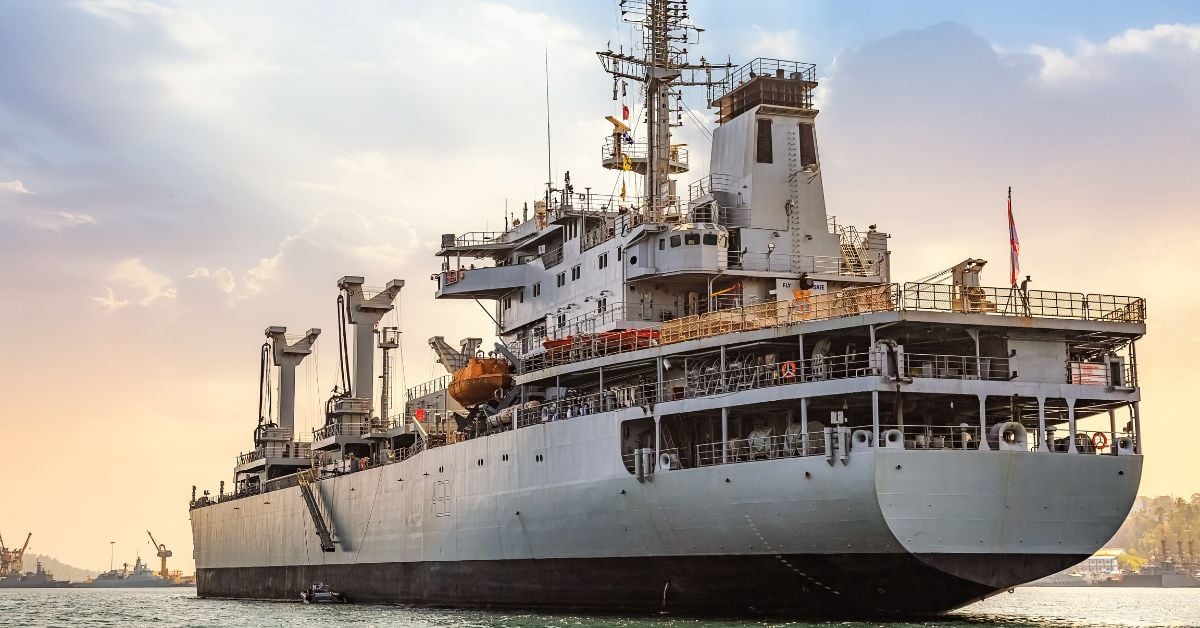
Integrated Propulsion: India and UK Collaborate on Naval Innovation
India and Britain are set to sign an agreement advancing full electric propulsion for the Indian Navy's large platforms. This collaboration signals a practical step toward modernizing naval power with cleaner, more efficient systems. The move aligns with India's broader maritime ambitions, including the expanded fleet targets recently outlined in our coverage of the Indian Navy's long-term plans. Pairing these developments underscores a steady, deliberate approach to ocean security.
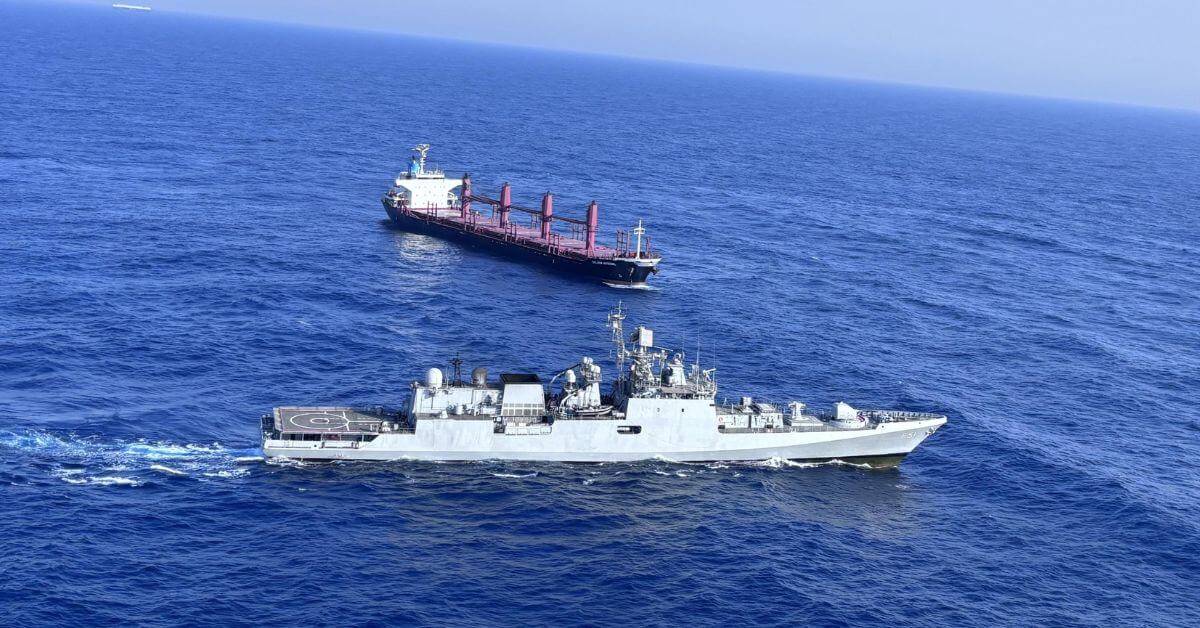
Securing Trade Routes: Indian Navy Ensures Safe Passage Through Bab-el-Mandeb
The Indian Navy's deployment through the Bab-el-Mandeb is a calibrated exercise in maritime security, ensuring that essential cargo continues moving to and from India without disruption. This is not abstract strategy; it is the practical work of keeping trade lanes open where geopolitical friction runs high. The operation reflects a measured commitment to stability, one that aligns with broader shifts in regional logistics, such as the Gulf of Oman STS transfers reaching capacity. Reliable passage here is not optional; it is the backbone of commerce.