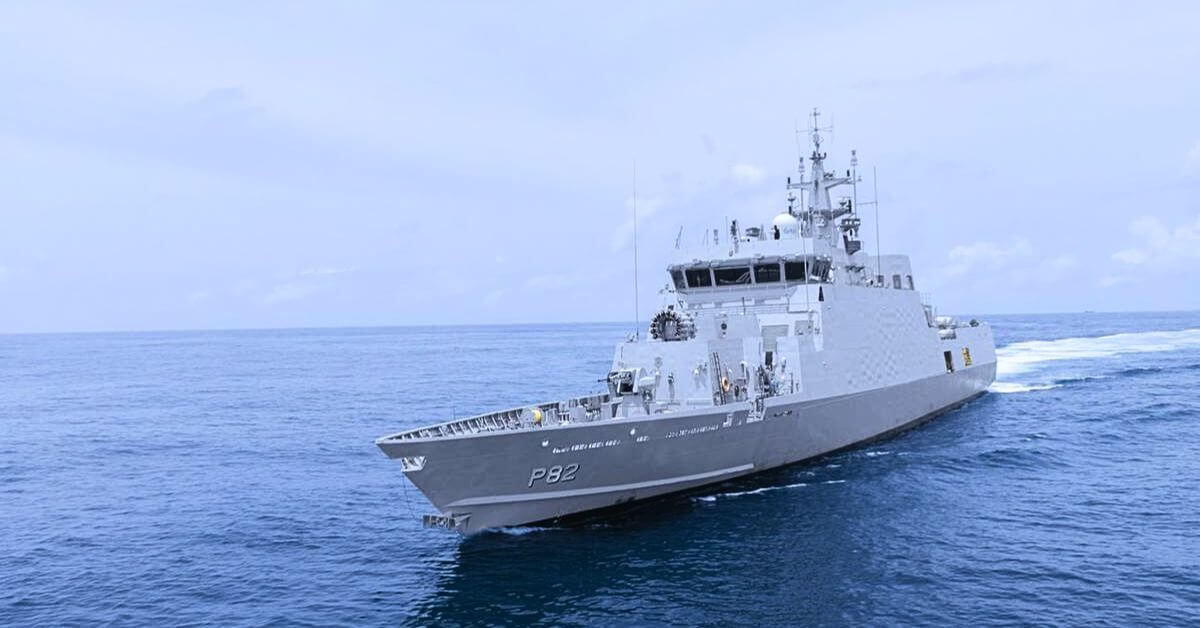
The commissioning of INS Mangrol is a measured step toward a more resilient naval posture, and the significance is not in the hull alone but in the 80% indigenous content that defines it. This is not a ceremonial addition; it is a functional answer to a specific operational gap, and it signals that India's maritime strategy is being built on domestic engineering rather than imported dependency. For those tracking naval modernisation, the practical message is clear: shallow-water warfare is no longer a secondary concern, and the supply chain that supports it is increasingly homegrown.
INS Mangrol is the third of eight anti-submarine warfare shallow water craft developed by Cochin Shipyard Limited, and its role is deliberately narrow. It is designed to detect and destroy submarines in coastal waters, where larger warships face operational limitations. The vessel carries the Abhay hull-mounted sonar, lightweight torpedoes, an indigenous anti-submarine rocket launcher, and the Maareech Advanced Torpedo Decoy System. That combination is not about projecting power across oceans; it is about securing ports, harbours, and the approaches that connect India's economy to the sea. The ship's waterjet propulsion and three diesel engines allow it to manoeuvre where deep-draft vessels cannot, which is precisely the point. This is a tool for a specific job, and the job is protecting the near-shore environment from a growing class of threats.
The timing matters as much as the technology. The Indian Navy has been expanding its shallow-water capabilities while also addressing personnel security and logistical coordination, as seen in recent operations like the medical evacuation in the Andaman Sea transit and the launch of the support ship Surya. These developments are not isolated events; they are parts of a broader effort to make the navy more responsive across different maritime zones. INS Mangrol adds a layer of defence that sits between the open-ocean fleet and the shoreline, and that layer has been largely under-equipped in recent years. The commissioning ceremony in Mumbai, presided over by Vice Admiral Sanjay Vatsayan, underscores that this is a priority, not a footnote.
What deserves close attention is the delivery timeline and the production pipeline. The ship was handed over to the Indian Navy on August 22, 2026, with the delivery protocol signed by Harikrishnan S., Director (Operations) of CSL, and Commander U. Sharan Kumar. That means five more vessels in this class are still to come, and the rate at which they enter service will determine whether the Navy can maintain a continuous presence in its coastal waters. The name INS Mangrol also carries historical weight, reviving a designation last held by a minesweeper that served until 2004, which connects this new capability to a longer tradition of coastal defence. The specific question to watch is whether the remaining five craft arrive on schedule and whether the indigenous supply chain can sustain the pace. If it does, the shallow-water fleet becomes a genuine deterrent; if it slips, the gap remains open. That is the detail that will define whether this commissioning is a beginning or a peak.