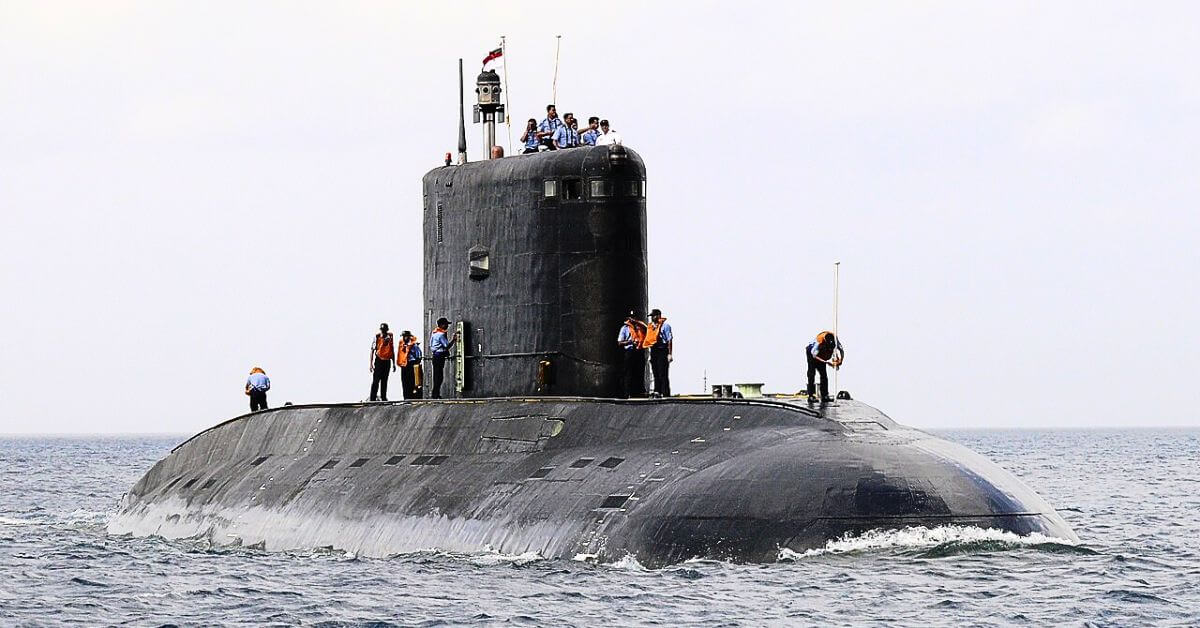
The Indian Navy's reported consideration of three refurbished Kilo-class submarines from Russia is a pragmatic stopgap, but it is also a signal of the structural pressures reshaping the country's undersea fleet. The offer, which includes newer weapons systems, arrives as New Delhi projects a larger naval posture; India Projects Expanded Naval Fleet to Navigate Evolving Maritime Landscape anticipates around 230 ships by 2040-2045. Refurbished hulls may bridge a near-term capability gap, but they do not address the deeper question of how many legacy platforms can be stretched before their operational value is outweighed by sustainment costs.
Our take is that this deal, if it proceeds, is less about the submarines themselves and more about the timeline they buy. The Kilo-class design has been a reliable workhorse, but its sensor and acoustic signatures are well-documented. Fitting them with newer weapons does not erase their detectability profile in a contested environment. What it does is give the Indian Navy breathing room while domestic programs like the Project 75I and follow-on Scorpene variants mature. That is a legitimate strategy, provided the refurbishment does not become a permanent substitute for new construction. The risk is familiar: a fleet that looks capable on paper but is increasingly outdated in practice. Russia's broader maritime ambitions, including plans to calibrate export revenue for the Northern Sea Route icebreaker fleet, show that Moscow is actively monetizing its naval industrial base. This deal fits that pattern, but it also means India is negotiating from a position where Russia needs the revenue as much as India needs the hulls.
For our readers, the practical takeaway is to watch the procurement details rather than the headline numbers. A refurbishment package is only as good as its availability for spare parts, crew training, and integration with Indian combat management systems. The related concern from the Mediterranean, where Russian maritime activity raises concerns of drone operations from commercial ships, reminds us that Russia's naval behavior in other theaters is not purely defensive. India may be getting a short-term capability, but it is also deepening a defense relationship with a partner whose operational tactics are under increasing scrutiny. That is not a reason to reject the offer outright; it is a reason to insist on clear terms for technology transfer and lifecycle support.
The concrete point to watch is whether this refurbishment is paired with a firm schedule for indigenous submarine construction. If the Kilo refits are a bridge, fine. If they become a destination, India will find itself in the same position as other navies that stretched their hulls too far while waiting for next-generation platforms. The open question is whether the Indian Navy treats this as a maintenance decision or a modernization decision. The former is a cost line. The latter is a strategy. We would tell any reader asking about this deal to track which of those two categories it falls into over the next 24 months.