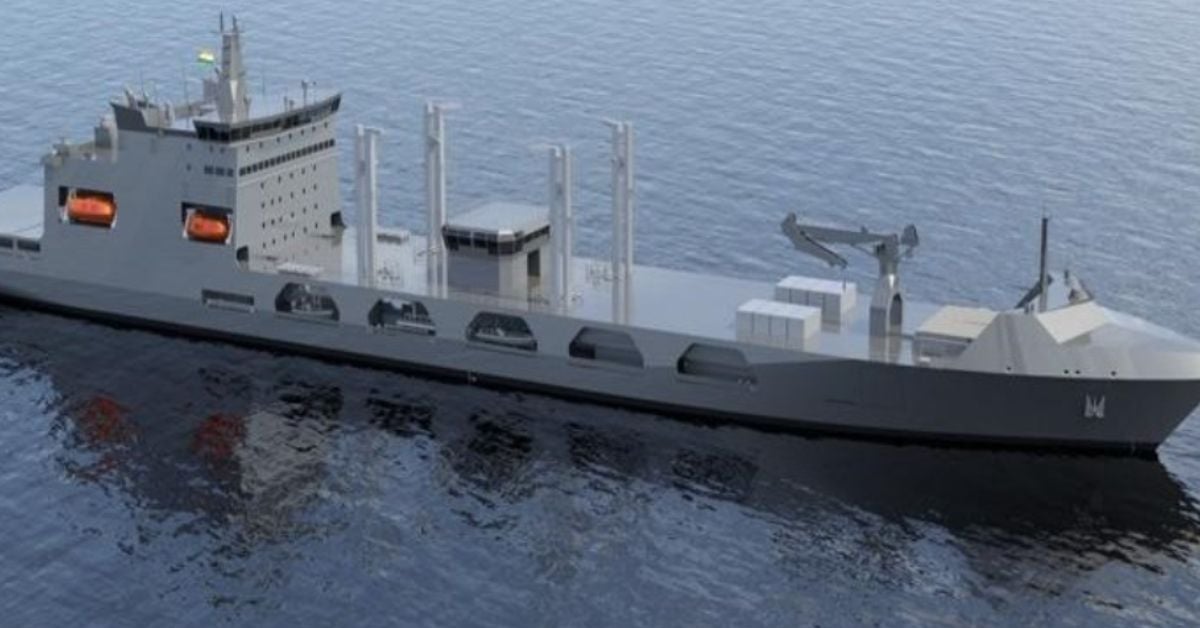
India's launch of the 43,500-tonne Fleet Support Ship-1 (FSS-1) is a concrete step toward strategic endurance, not merely a ceremonial milestone. This vessel, built in just 18 months at Hindustan Shipyard Ltd., will replenish warships at sea and extend the Indian Navy's operational reach across the Indian Ocean. For researchers and policymakers tracking maritime security, this is a measurable shift in capability, one that moves India closer to sustained, long-duration deployments without reliance on foreign logistics. The concurrent upgrades to Slipway-4 and the installation of a 300-tonne Goliath crane signal that the shipyard can now construct vessels of around 45,000 DWT, enabling more complex and specialised builds. This is not hype; it is validated industrial capacity.
The broader context matters here. India's defense manufacturing push, as highlighted by the delivery of the 2000th aero-engine from Hindustan Aeronautics Limited and the new Shakti engine production line, points to a deliberate strategy of self-reliance. Yet naval power is not built in isolation. The Indian Navy's ability to project force depends on integrated logistics, a lesson underscored by recent operations such as the Coordinated response enables medical evacuation in Andaman Sea transit, where a merchant vessel crew member was evacuated in a swift, multinational effort. Endurance at sea is not just about fuel and stores; it is about the readiness to respond to emergencies, protect shipping lanes, and maintain a persistent presence. FSS-1 directly addresses that need.
We should also consider the security implications. The Indian Ocean is a crowded, contested space where naval endurance determines influence. A fleet support ship of this size allows the navy to operate farther from home ports for longer periods, reducing the need for port calls that can be politically or logistically constrained. This is particularly relevant given recent reports of espionage at training establishments, such as the Navy sailor held at Coimbatore training base on charges of leaking data to Pakistan. Operational security and sustained deployment capability are two sides of the same coin: one protects information, the other protects presence. India is investing in both.
The specific takeaway is this: FSS-1 is the first of five planned vessels. The fact that Defence Minister Rajnath Singh will also lay the keel for FSS-5 at the same ceremony confirms that this is a program, not a prototype. The question to watch is how quickly the remaining four ships are delivered and whether the upgraded slipway and crane capacity at Visakhapatnam can sustain the promised cadence. If the 18-month timeline for FSS-1 becomes the standard, India's naval logistics will have undergone a measurable transformation by the end of the decade. That is a data point worth monitoring.