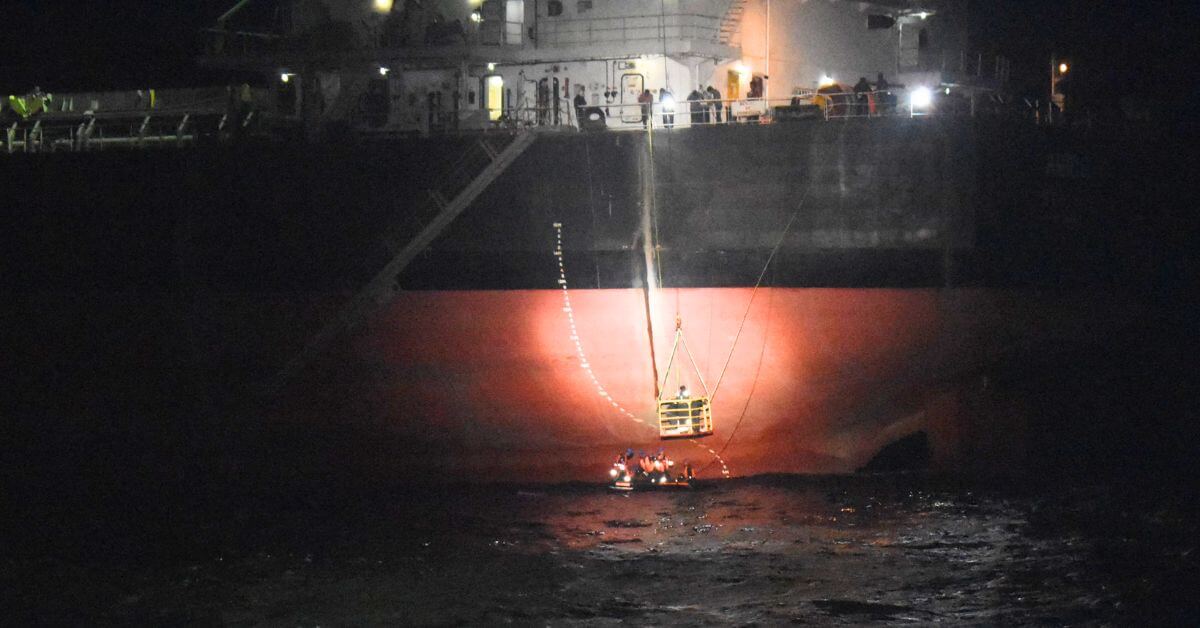
The swift rescue of an injured seafarer near the Andaman Islands, a crew member suffering severe head and spinal injuries after a fall onboard his vessel, underscores the critical role of integrated ocean data and rapid response systems in safeguarding human lives at sea. This incident, while a testament to the Indian Coast Guard's operational efficiency, also highlights a broader narrative: the increasing reliance on comprehensive ocean intelligence for effective maritime operations. In an era where maritime traffic is continually expanding, the ability to accurately pinpoint locations, assess environmental conditions, and coordinate rescue efforts in real-time is paramount. Such capabilities are not merely a matter of technological sophistication but of a global commitment to human safety, demonstrating how vital Integrated Response Saves 25 Seafarers After Container Ship Distress and other coordinated efforts are. Furthermore, as naval capabilities evolve, as seen with the Indian Navy Explores Domestic Innovation for Amphibious Fleet Expansion, the underlying data infrastructure becomes even more crucial for both routine operations and emergency response.
This incident offers a tangible example of how validated and integrated data ecosystems translate directly into life-saving outcomes. The precision required for such a rescue—navigating challenging marine environments, coordinating medical evacuation, and ensuring the safety of all involved—relies heavily on accurate, real-time information. This includes not only navigational data but also meteorological insights, hydrographic charts, and communication networks that link diverse operational units. The ocean is a dynamic and often unforgiving environment, and every minute counts when a severe injury occurs. The success here was not a matter of luck but the result of well-calibrated systems and highly trained personnel acting upon reliable ocean intelligence. It reinforces the understanding that advanced technological frameworks are not just for scientific research or commercial gain but are fundamental pillars of maritime safety and humanitarian aid.
Beyond the immediate relief of a successful rescue, this event serves as a powerful reminder of the ongoing need for investment in and development of robust ocean data infrastructure. The future of maritime safety, environmental stewardship, and even the advancement of sustainable maritime fuels, as explored in Ammonia Bunkering Vessel Design Receives Approval, Advancing Sustainable Maritime Fuels, hinges on our collective ability to gather, process, and disseminate ocean data effectively. This includes everything from satellite imagery and autonomous underwater vehicles to sensor networks and predictive modeling. The integration of these diverse data streams creates a comprehensive 'ocean intelligence' that enhances situational awareness and decision-making capabilities across all maritime sectors. It allows for a proactive rather than reactive approach to challenges at sea, fostering a safer and more efficient global maritime domain.
The implications extend to policy-making and international collaboration. Such incidents underscore the necessity for standardized data protocols and interoperable systems across different nations and agencies. The ocean knows no borders, and neither should the systems designed to protect those who traverse it. This collective responsibility requires continuous dialogue, shared innovation, and a commitment to leveraging technological advancements for the common good. As we look forward, the continued evolution of our ocean intelligence capabilities will not only facilitate faster and more effective responses to emergencies but will also provide invaluable insights into the broader health of our oceans, from climate indicators to biodiversity conservation. The question then becomes, how can we further accelerate the integration and accessibility of this vital ocean intelligence to ensure that every seafarer, every vessel, and every marine ecosystem is better protected?