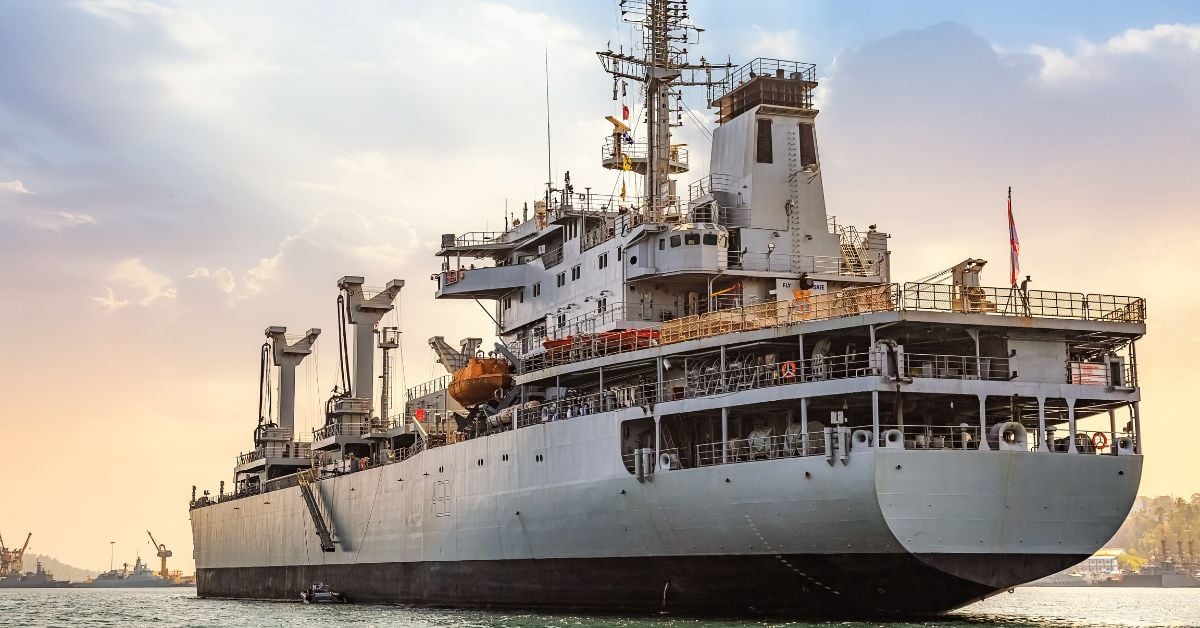
The agreement between India and the United Kingdom to develop full electric propulsion for large Indian Navy platforms is a practical step, not a symbolic one. It moves the conversation from hulls and weapons to the systems that will actually define naval endurance in the coming decades. For a navy projecting a fleet of around 230 ships by 2040-2045, the ability to generate, store, and manage electrical power at scale is no longer an engineering preference; it is a strategic requirement. India Projects Expanded Naval Fleet to Navigate Evolving Maritime Landscape already signals the scale of that ambition, and this propulsion deal is the enabling technology that makes such a force structure credible.
What stands out is the choice of partner. The UK has deep experience in integrated electric propulsion, particularly with its Type 45 destroyers, but that experience has not been without lessons learned. For India, this is not about buying a system off the shelf; it is about co-developing a capability that must be maintained, upgraded, and eventually built domestically. The practical value here is in the transfer of engineering knowledge around power management, thermal control, and system integration. Those are the disciplines that determine whether a ship can surge, loiter, and support high-energy weapons without compromising its own survivability. Indian Navy Explores Domestic Innovation for Amphibious Fleet Expansion shows a clear preference for indigenous pathways, and this propulsion project should be held to the same standard of local participation.
The honest take is that full electric propulsion is not a magic switch. It introduces new failure modes, requires rigorous testing of power conversion systems, and demands a logistics chain that can support advanced electronics far from home ports. But the alternative, relying on legacy mechanical drive systems, will limit the integration of future directed-energy weapons and sensor arrays that draw heavily on electrical power. For the Indian Navy, this is a bet on operational flexibility. A ship that can allocate power dynamically between propulsion, sensors, and weapons is more adaptable to the unpredictable nature of maritime conflict. That is the real prize, not the novelty of the technology itself.
Readers should watch for the program's approach to validation. Will the initial systems be tested on shore-based facilities before sea trials? How will the two navies share data on system performance under real operating conditions? The agreement is a starting point, but the measure of success will be in the empirical results over the next decade. The takeaway is direct: this collaboration is a recognition that future naval power will be measured in megawatts as much as in missiles, and the details of integration will determine whether that power is truly usable.