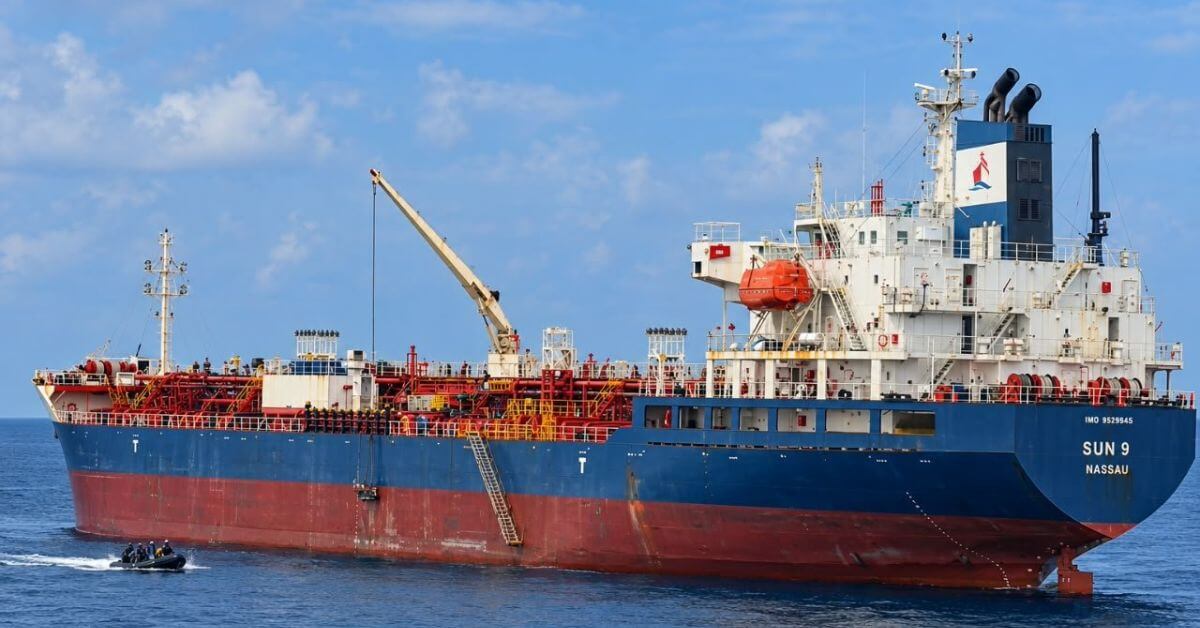
The coordinated medical evacuation of an injured Vietnamese seafarer from the merchant vessel MT Sun 09 by the Indian Navy's Andaman and Nicobar Command is a textbook case of how validated, real-time maritime response protocols save lives. This is not merely a rescue story; it is a demonstration of the integrated data ecosystem that enables rapid decision-making in one of the world's most remote maritime corridors. For our readers, whether you track naval logistics, monitor shipping safety, or study ocean governance, this event underscores a practical truth: operational readiness at sea depends on calibrated coordination between commercial and military assets, not on isolated heroics.
The evacuation unfolded with measured precision. After receiving word of the medical emergency on October 4, the Andaman and Nicobar Command dispatched a naval ship to the vicinity of Indira Point, India's southernmost boundary near the international maritime line with Indonesia. A boat transfer brought the injured crew member aboard the naval vessel, where first aid stabilized his condition before onward evacuation to Campbell Bay for further treatment. The entire sequence, from alert to transfer to handoff, relied on clear communication between the merchant ship and naval component, a chain that could easily fracture under pressure. This is the same kind of operational discipline that underpins the joint study between ONE and ClassNK to validate data for calibrating roll damping on large container ships: empirical, real-world feedback loops that turn raw information into actionable safety measures.
What makes this incident worth more than a brief headline is what it reveals about the infrastructure of maritime security in the eastern Indian Ocean. Indira Point sits at a chokepoint for vessel traffic between the Andaman Sea and the Bay of Bengal, a zone where timely medical evacuation is not guaranteed. The Indian Navy's ability to respond within hours, using assets already on station for surveillance, points to a broader strategic capability, one that recent incidents in the region have tested. Compare this to the delayed reporting of five IRGC vessel incidents in the Strait of Hormuz on October 5, where late alerts complicated response timelines. Here, the naval command's swift public acknowledgment of the evacuation and its outcome, stating the casualty's vital parameters stabilized, reflects a commitment to transparency that builds trust in maritime safety protocols.
The takeaway is direct: the difference between a successful medical evacuation and a tragedy at sea often comes down to pre-existing coordination frameworks that are invisible until they are needed. For shipping operators, this is a reminder to ensure that emergency contact protocols with regional naval commands are current and tested. For researchers and policymakers, it highlights the value of integrating merchant vessel tracking data with naval surveillance systems, an empirical step toward reducing response times across the board. One specific detail to watch is whether the Indian Navy releases further information on the nature of the injury and the medical capabilities required, as that data could inform future evacuation planning for similar transits near Indira Point. Operational success in the Andaman Sea is not an accident; it is the product of systems built to work before the distress call is made.