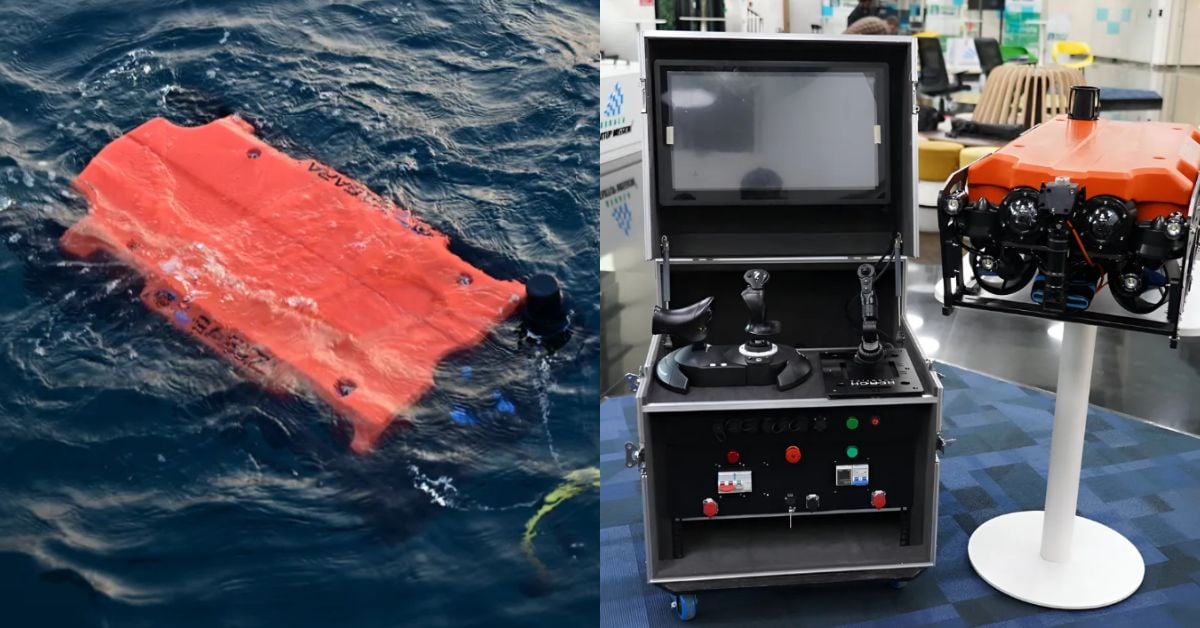
The delivery of two indigenously built TROUT ROVs to the Indian Navy is a concrete step toward operational self-reliance, and we should treat it as such: a validated, mission-ready system, not a prototype or a publicity exercise. This is what measured progress looks like in maritime defense, and it deserves attention beyond the ceremonial handover.
What matters most here is the transition path. The TROUT moved from an engineering project under the iDEX DISC 7 SPRINT Challenge to a navy-authorised system after passing environmental screening and quality assurance benchmarks set by the Naval Directorate of Quality Assurance. That is not a small feat. It means the platform has been tested for maneuverability, endurance, navigation, and performance in strong underwater currents, and it has met acceptable military standards. For a nation with a long coastline and critical subsea infrastructure, having a domestically built ROV that can perform inspections, reconnaissance, search and recovery, and target identification is a strategic asset. It reduces dependency on foreign suppliers and shortens the chain between identifying a capability gap and fielding a solution.
This development also aligns with a broader pattern in India's maritime posture. The recent induction of INS Mangrol, with its 80 percent indigenous design, reinforces the same logic: operational needs are being met through domestic engineering rather than off-the-shelf purchases. And as AI and digitalisation anchor new maritime safety and emissions pact shows, the maritime sector is increasingly integrating data, automation, and verification into everyday operations. Underwater robotics sits squarely in that integrated data ecosystem. An ROV is not just a vehicle; it is a sensor platform that can feed real-time ocean intelligence into decision-making, from port security to damage assessment.
There are practical implications for stakeholders beyond the Navy. Port authorities, offshore energy operators, and coastal infrastructure managers should watch this rollout closely. The TROUT is built for harsh conditions: poor visibility, powerful currents, and limited accessibility. That same capability set applies to civilian subsea inspection and emergency response. The fact that EyeROV, a Kerala-based company, has taken this from concept to military certification also signals that India's defense innovation ecosystem can produce exportable, sovereign technology. The Navy has ordered five units, which suggests confidence, but the open question is whether this platform will be adapted for broader maritime domain awareness tasks, such as routine seabed mapping or monitoring of underwater cables.
The takeaway is straightforward: indigenous capability is no longer aspirational here. It has been calibrated, tested, and cleared for duty. The next step is to watch how quickly this system moves from naval operations into wider maritime applications, and whether the integration of ROV data into existing surveillance networks becomes a priority. That is where the real return on this investment will be measured.