US Navy
World Data Ocean keeps US Navy in one place: 40 stories so far. The section currently leads with “Arrested Landing Test Validates F-35C Integration with Ford-Class Carrier”, “Transpacific shipyard completes inaugural US Navy maintenance project”, and “Autonomous drone navigation validates precision landing without GPS or radar”. On October 15, the Navy validated F-35C integration with the Ford-class carrier through an arrested landing test, conducted by Air Test and Evaluation Squadron 23. A South Korean shipbuilder has completed its first US Navy maintenance project, marking a quiet but meaningful expansion of allied industrial capacity. A Global Hub for Ocean Intelligence 4 World Data Ocean is a centralized digital platform where researchers, scientists, and ocean enthusiasts converge to… The list below is every US Navy story on World Data Ocean, newest first.
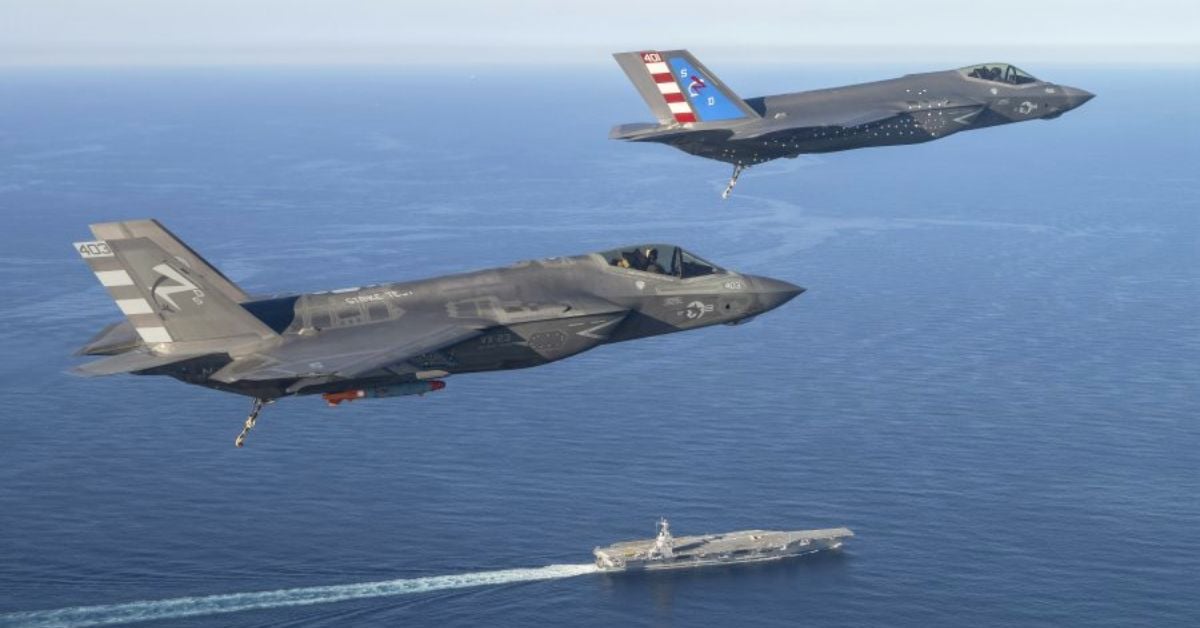
Arrested Landing Test Validates F-35C Integration with Ford-Class Carrier
On October 15, the Navy validated F-35C integration with the Ford-class carrier through an arrested landing test, conducted by Air Test and Evaluation Squadron 23. Precision matters in naval aviation, and empirical data from this calibrated event confirms the platform's readiness. Understanding drives protection. For deeper coverage of allied maritime capabilities, see our related article on the Transpacific shipyard's inaugural US Navy maintenance project.
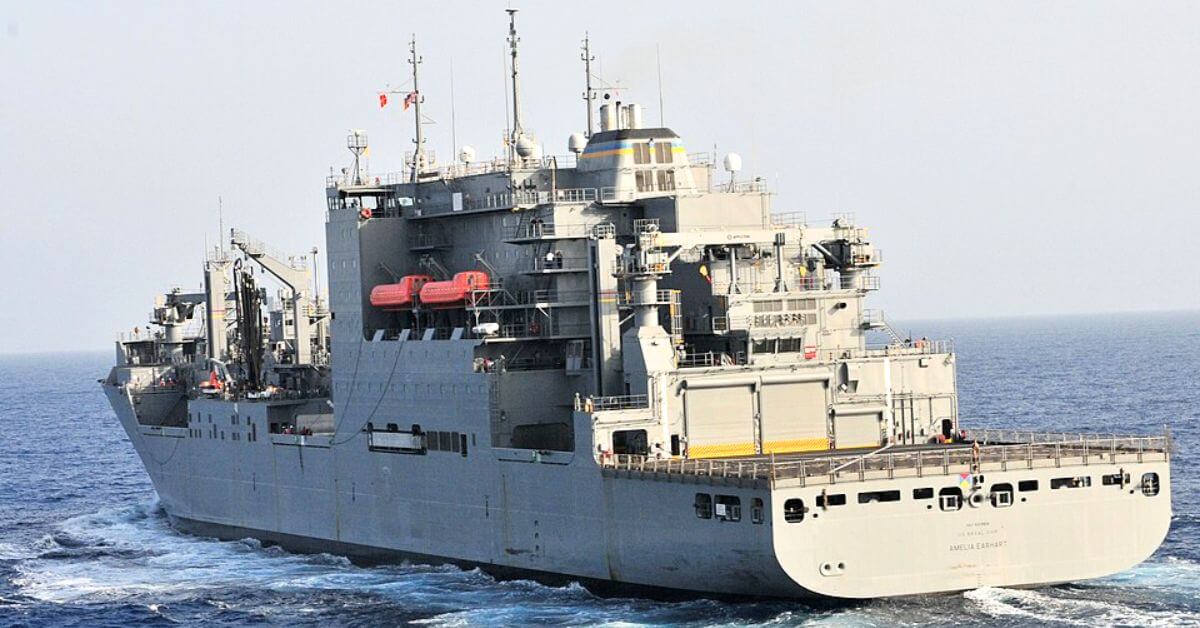
Transpacific shipyard completes inaugural US Navy maintenance project
A South Korean shipbuilder has completed its first US Navy maintenance project, marking a quiet but meaningful expansion of allied industrial capacity. HJ Shipbuilding & Construction's Transpacific yard delivered the repair on time and to specification, an outcome built on calibrated processes and validated work. Measurable results like these strengthen the integrated data ecosystem that modern naval readiness demands. For deeper coverage of shipyard innovation, see our related piece on Fincantieri's BOOST² investment in robotic intelligence.
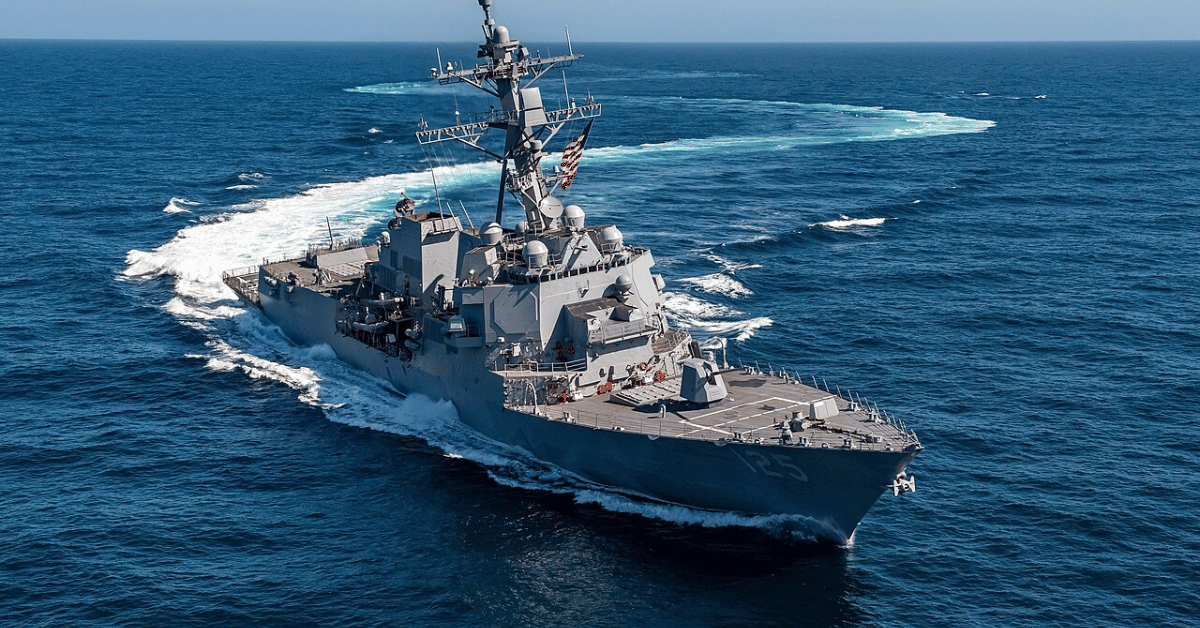
Autonomous drone navigation validates precision landing without GPS or radar
Precision landing without GPS or radar is no longer theoretical. The US Navy has validated autonomous drone navigation that uses onboard cameras and advanced software to land on moving ships. This is calibrated, real-time ocean intelligence in action. For context on why such precision matters in contested waters, read our coverage of the recent Strait of Hormuz posture analysis. Understanding drives protection, and this capability strengthens maritime security without relying on vulnerable satellite signals.
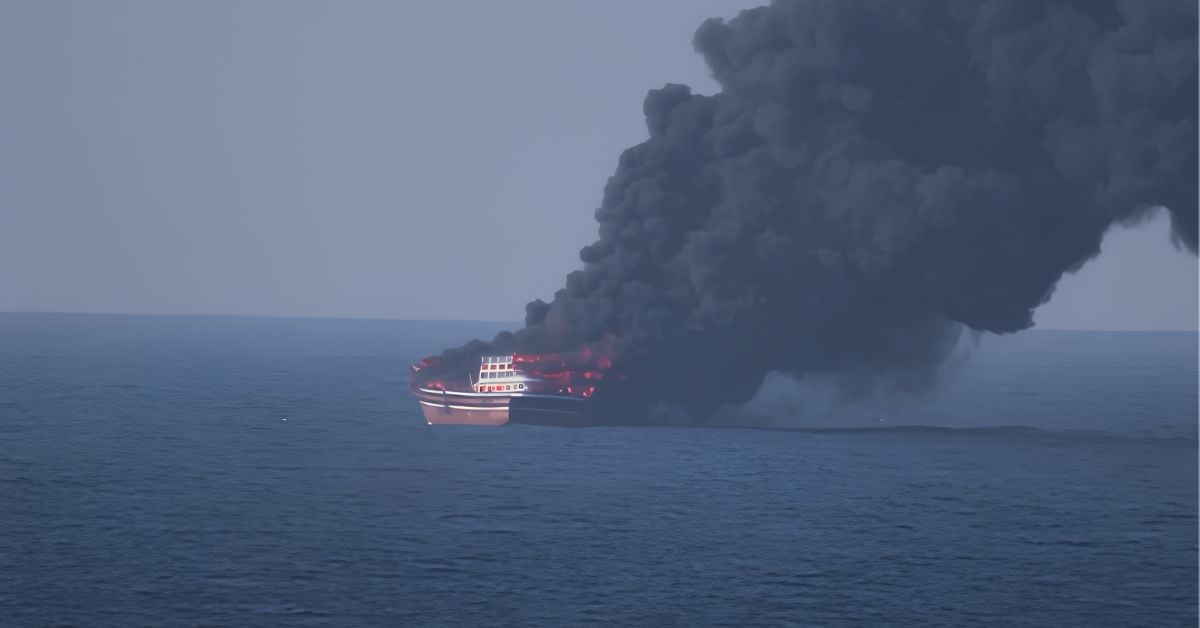
US Forces Neutralize Iranian-Affiliated Vessel in Gulf of Oman
A U.S. naval force destroyed an Iranian-affiliated dhow in the Gulf of Oman after it was accused of conducting surveillance on American warships. The action underscores the escalating maritime tensions in a region already defined by fragile data and contested waterways. For context on the stakes for ocean intelligence, see our related coverage of the Strait of Hormuz Posture Raises Stakes for Maritime Data Verification. Understanding drives protection, but only when the data is validated.
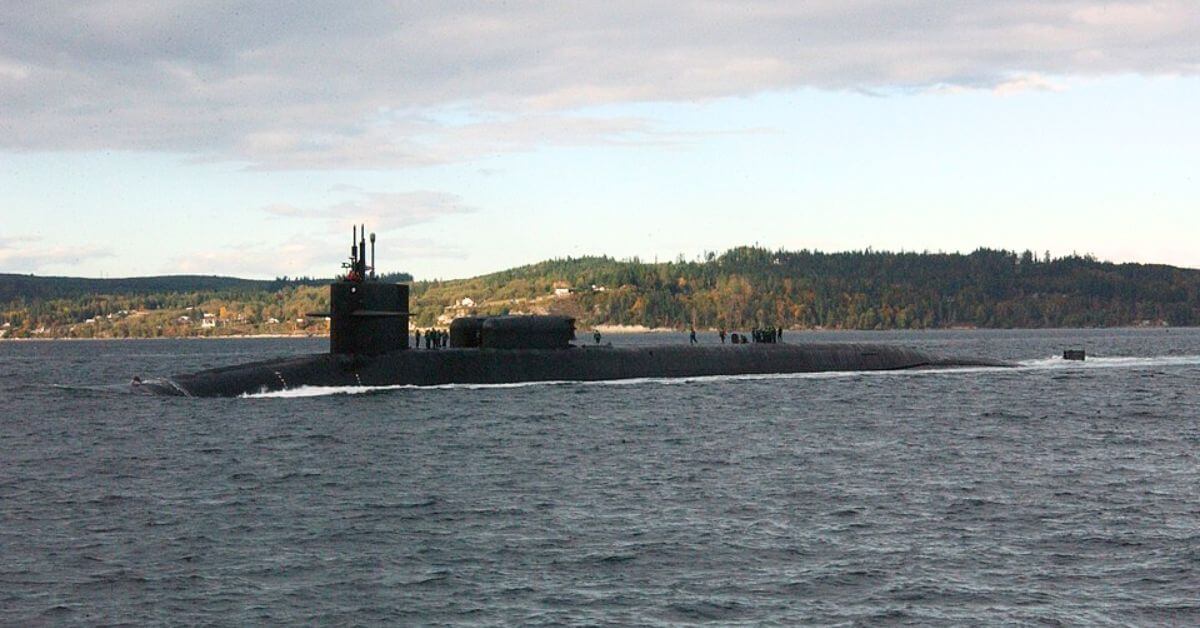
Counter-Drone Electronic Warfare Now Protects Guided-Missile Submarine USS Ohio
The USS Ohio now carries counter-drone electronic warfare capabilities, marking a measured evolution in undersea force protection. A guided-missile submarine's value has always depended on stealth and precision; adding layered defense against uncrewed threats reflects a realistic assessment of modern battlespace risks. The Navy continues integrating validated, real-time systems across its fleet, from forward-deployed destroyers to strategic assets. Readers tracking allied uncrewed target engagement in the Gulf of Bothnia will recognize the pattern: maritime defense is adapting, empirically, to what drones have changed.
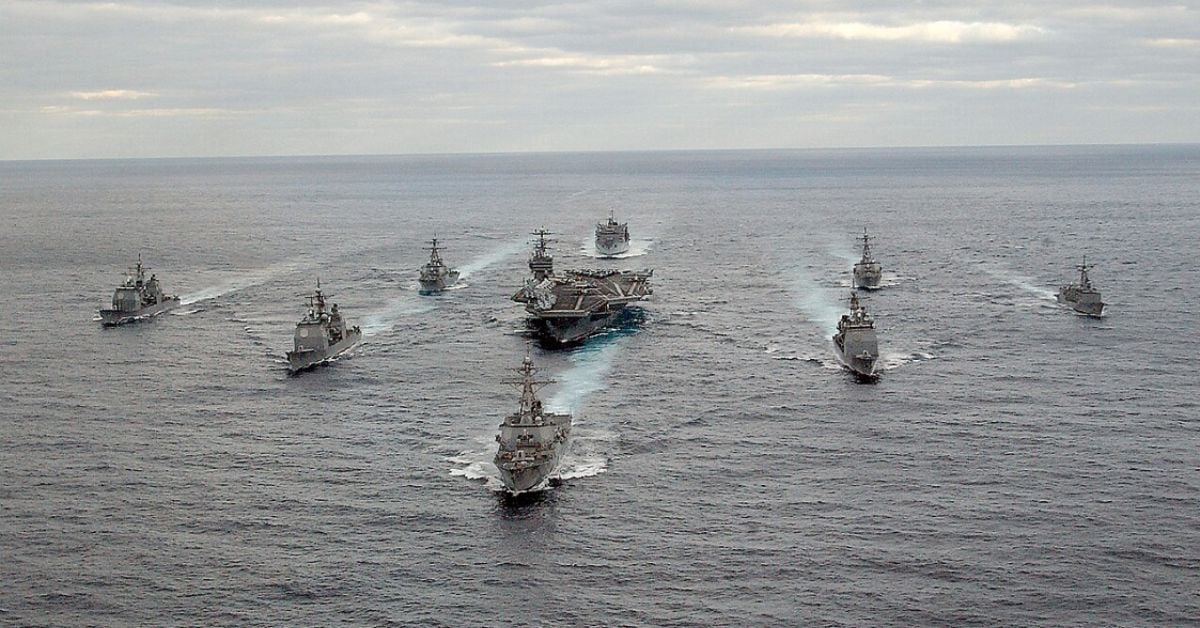
Strait of Hormuz Posture Raises Stakes for Maritime Data Verification
A commander of Iran's Islamic Revolutionary Guard Corps has publicly dared U.S. warships to enter the Strait of Hormuz, raising the stakes for maritime data verification in a waterway that carries a fifth of the world's oil. This is not posturing; it is a direct challenge to the empirical, real-time ocean intelligence that underpins safe passage. For deeper context on how navies are adapting, see our coverage of the counter-drone electronic warfare system now protecting USS Ohio.
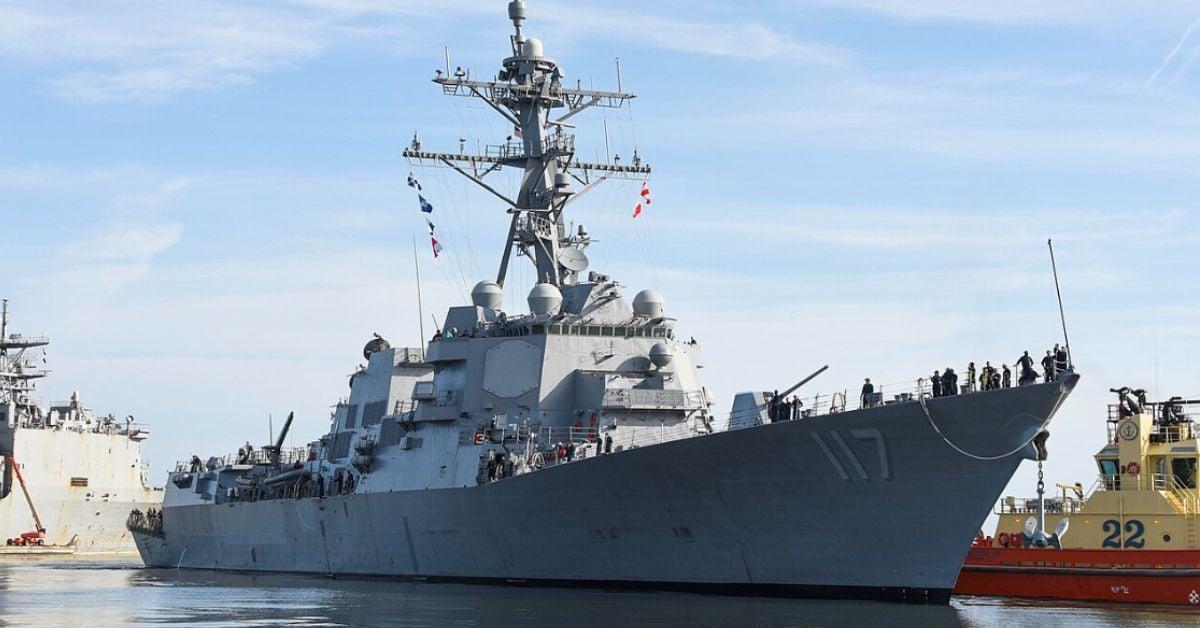
Baltic Allies Validate Uncrewed Target Engagement in Gulf of Bothnia Exercise
A U.S. Navy destroyer's participation in a joint exercise with Swedish and Finnish personnel in the Gulf of Bothnia is a measurable demonstration of integrated allied capability. Validating uncrewed target engagement in these waters sharpens the empirical data needed for coordinated maritime defense. Understanding drives protection. For deeper context on allied naval posture, see our coverage of *HMS Dragon's return narrowing Royal Navy presence in the Gulf*.
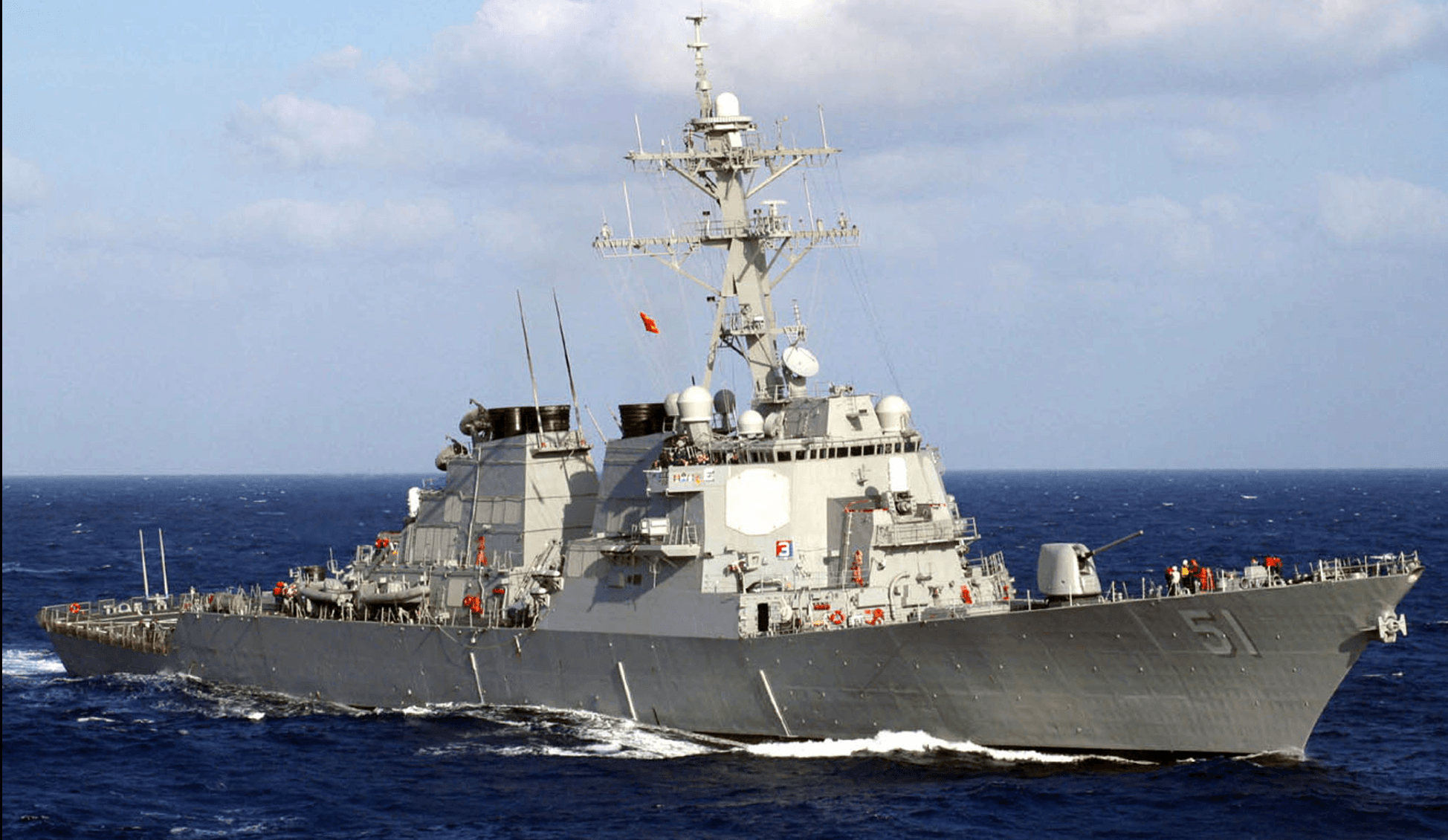
Forward-deployed destroyer marks first Spanish dry dock for maintenance
A 9,700-ton US Navy destroyer, the USS *Arleigh Burke*, has entered a dry dock in Spain for maintenance this week, the first time a forward-deployed ship of its kind has undergone such work in a Spanish facility. This move signals deeper operational integration across allied naval infrastructure. For readers tracking broader global shifts, our piece on divergent population trajectories reshaping climate indicators offers a complementary look at how measurable trends are redefining international strategy.
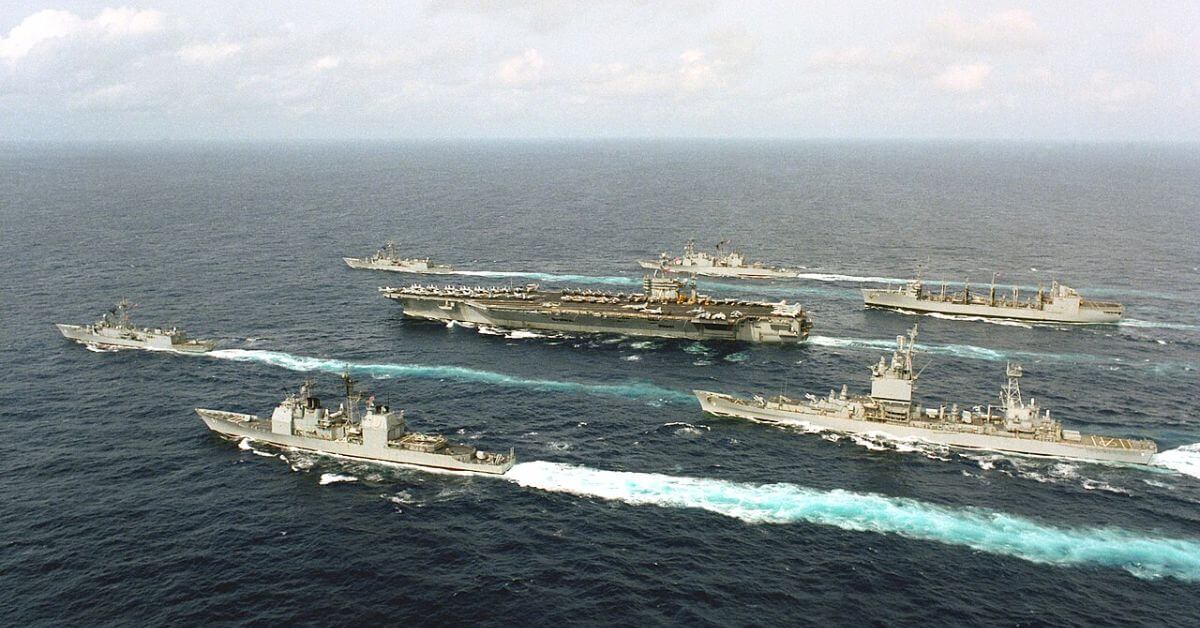
40 days of measured combat earns carrier strike group top military honour
Forty days of measured combat. That is what earned the carrier strike group its top military honour, announced Wednesday by US Defence Secretary Pete Hegseth. The award, delivered a day before the planned return, validates the kind of sustained, calibrated force projection that defines modern naval readiness. For deeper context on extended deployments, see our coverage of the USS Abraham Lincoln's 322-day journey home.
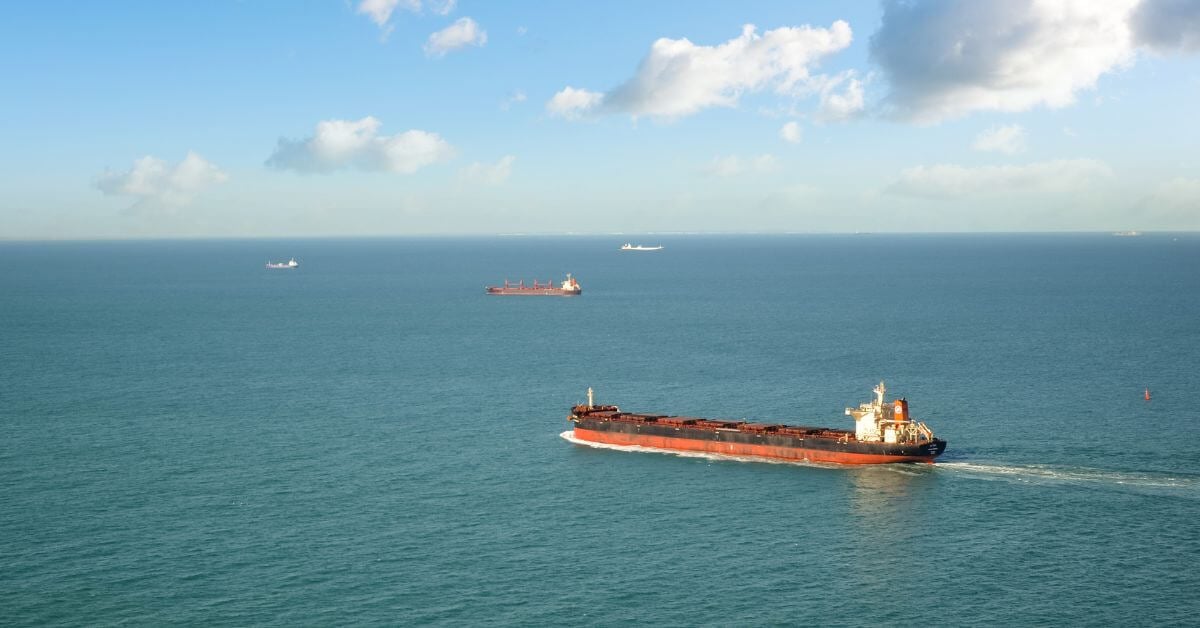
Strait of Hormuz tensions rise as Iran signals new maritime restrictions
The Strait of Hormuz is once again a flashpoint, with Iran signaling new maritime restrictions even as Gulf oil exports rise. Tanker attacks and logistical disruptions continue to plague shipments, a reality reflected in risk premiums exceeding $100,000 per month for captains. These are not abstract tensions; they are measured, empirical challenges to global energy flow. Our related coverage on those soaring risk premiums offers a deeper look at the human and economic cost. Understanding these dynamics is the first step toward protecting maritime stability.
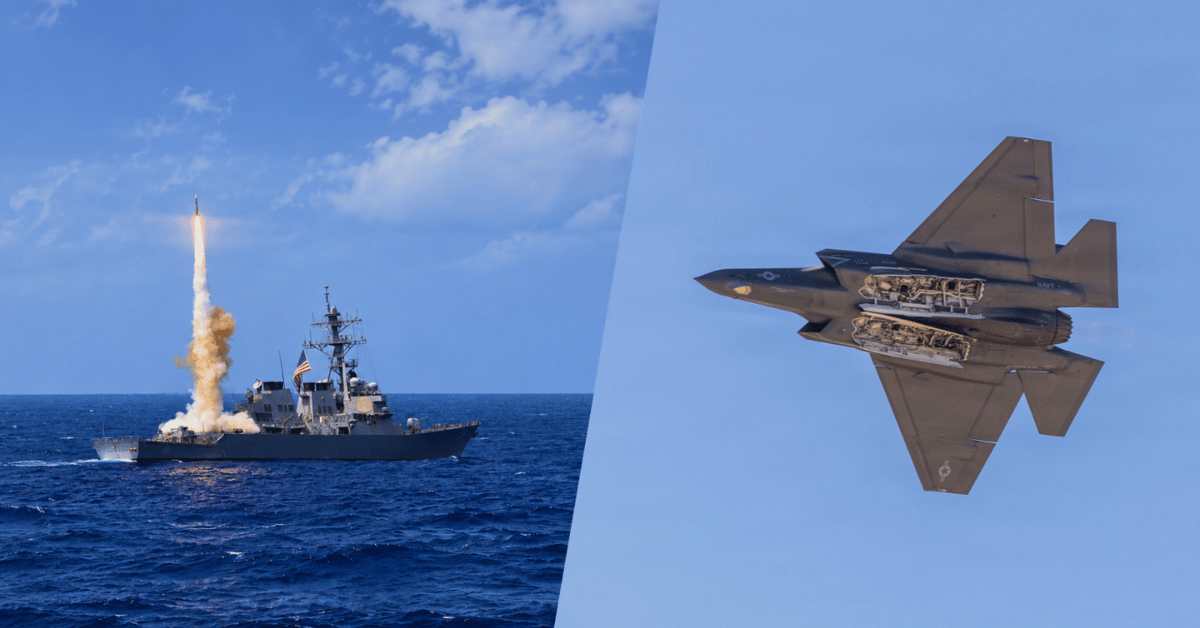
Solid rocket motor development advances next-generation naval missile capabilities
A $137 million contract from the U.S. Navy to Ursa Major advances solid rocket motor development for two next-generation missile programs, a measured investment in propulsion reliability. This is not about flashy prototypes; it is about qualifying repeatable, high-performance systems that extend naval reach. For context on how integrated systems strengthen fleet defense, our coverage of the USS *Ted Stevens* commissioning ceremony in Alaska details validated radar and layered capability. Understanding drives protection, from motor development to deployment.
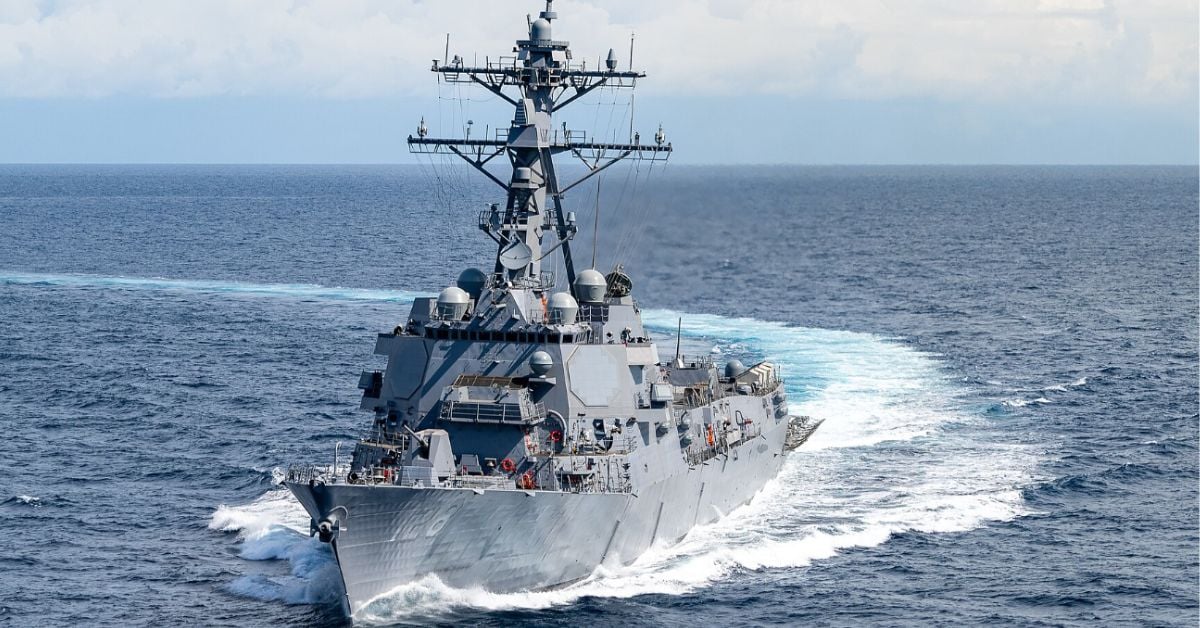
Alaska ceremony validates integrated radar and fleet defense capability
The commissioning of USS *Ted Stevens* in Whittier, Alaska, validates an integrated radar and fleet defense capability that is both measurable and calibrated for real-world conditions. This is empirical progress, a warship purpose-built to operate where climate indicators shift fastest. Understanding drives protection, and this ceremony marks a moment where innovation meets the long arc of stewardship. For deeper context, see our coverage of how laser deterrence deploys in the Strait as naval defense enters a new measured era.
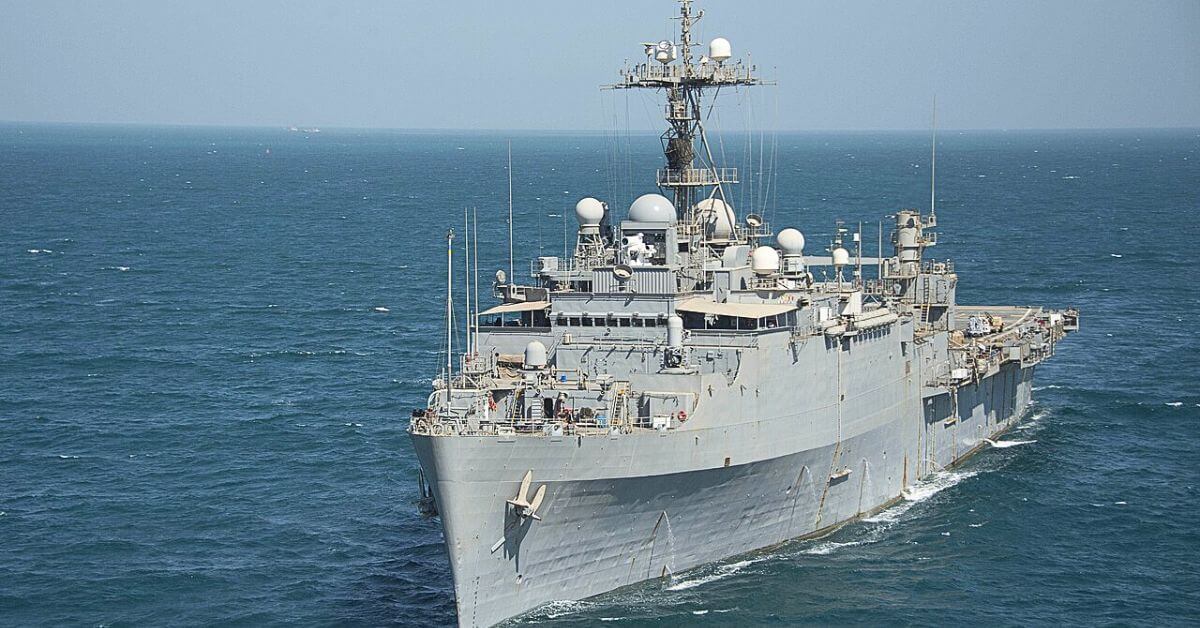
Laser Deterrence Deploys in the Strait as Naval Defense Enters a New Measured Era
Laser deterrence has arrived in the Strait of Hormuz, where the US military now deploys high-energy weapons against drones and aerial threats. This measured advance shifts naval defense from kinetic to calibrated response. It is a new chapter in maritime security, one defined by precision and restraint. For deeper insight into the evolving fleet, readers can explore our coverage of the USS Germantown's retirement after four decades of service.
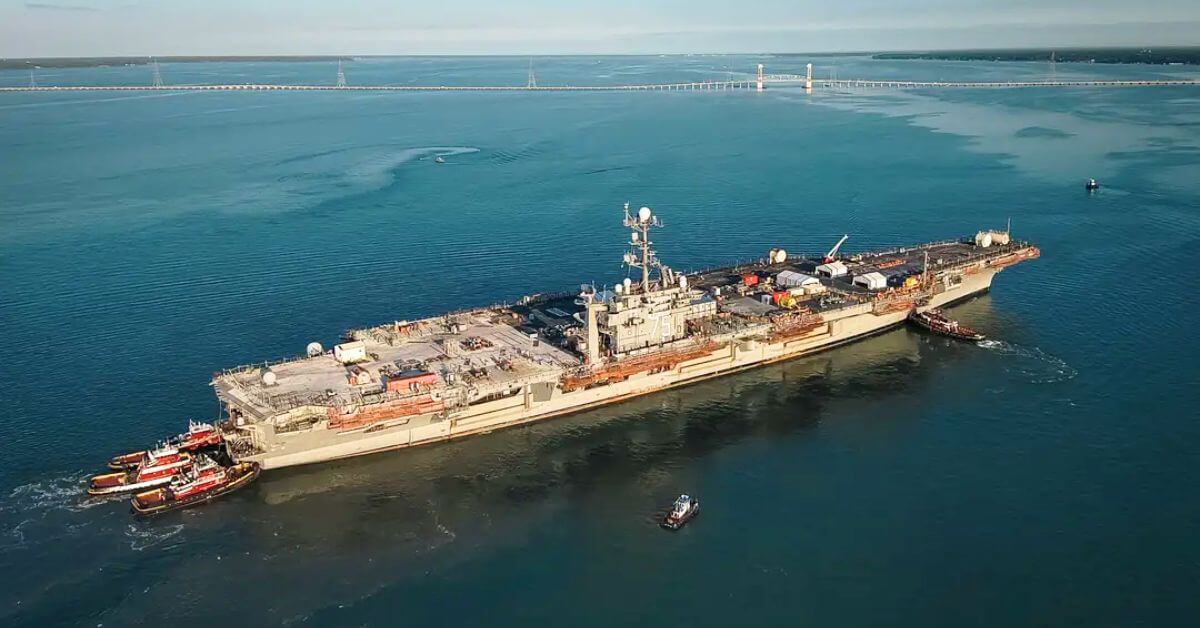
A $5.1 Billion Overhaul Begins for Carrier Truman at Newport News
The USS Harry S. Truman has arrived at Newport News Shipbuilding for a nearly $5.1 billion overhaul, a measured, necessary investment in sustained naval readiness. This refueling and complex overhaul ensures the carrier remains operational for another half-century, a validation of long-term strategic planning. Such commitments to maintaining existing platforms are as critical as developing new capabilities, a theme explored in our coverage of next-generation naval aviation.
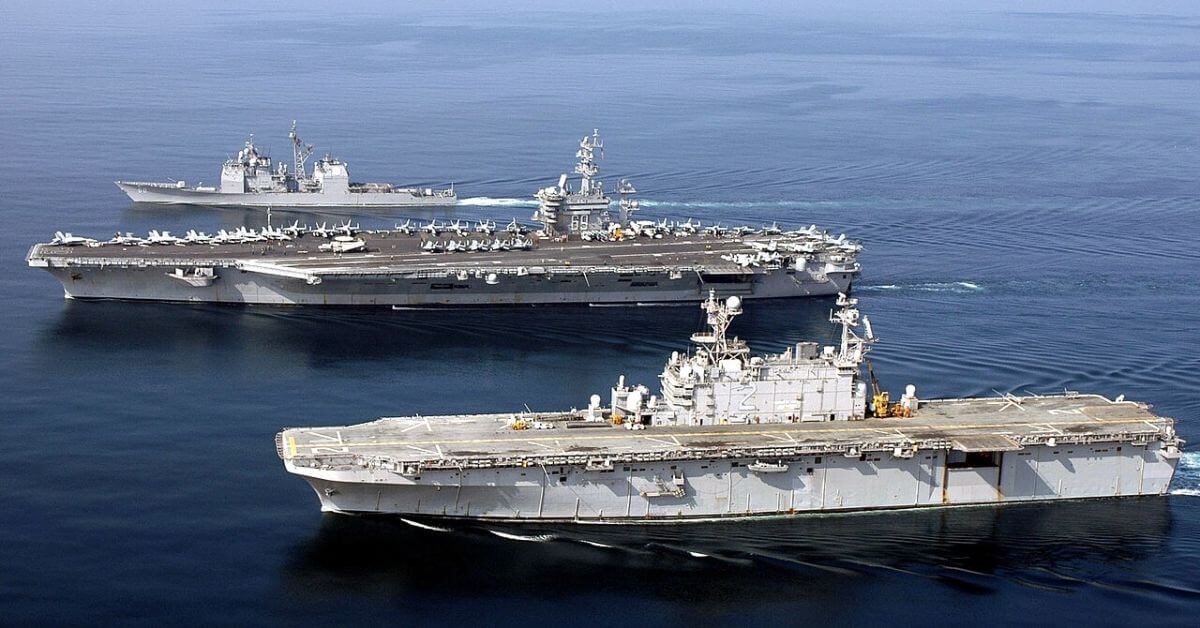
Incident during carrier recovery operations injures four Navy sailors
Aircraft recovery operations are among the most demanding tasks at sea. On Sept. 28, at 6:18 p.m. EDT, a Nimitz-class carrier experienced an incident that injured four Navy sailors. We take no comfort in reporting these events, but they underscore the human cost behind every operational cycle. The Navy's concurrent push to integrate autonomous systems, detailed in our article "Navy Accelerates Autonomous Systems Integration for Enhanced Maritime Operations", suggests a future where such risks may be reduced. Safety must remain measurable, not aspirational.
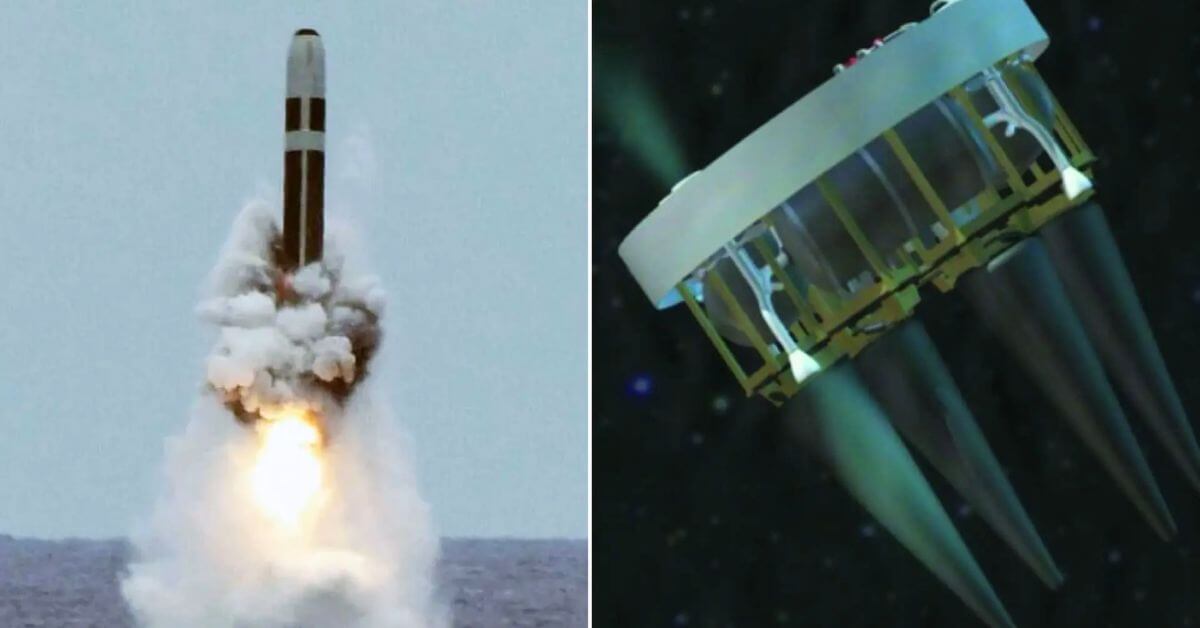
Naval nuclear warhead programme advances to engineering and manufacturing phase
The US Navy's W93/Mk7 nuclear warhead programme has advanced into the Engineering and Manufacturing Development phase, a calibrated step toward operational reality. This measured progression reflects a commitment to validated, peer-reviewed design before deployment. For readers following parallel efforts in maritime technology, our coverage of the Navy's new center for autonomous systems integration offers a complementary view of how empirical rigor shapes modern naval capability. Understanding drives protection, from the seafloor to strategic deterrence.
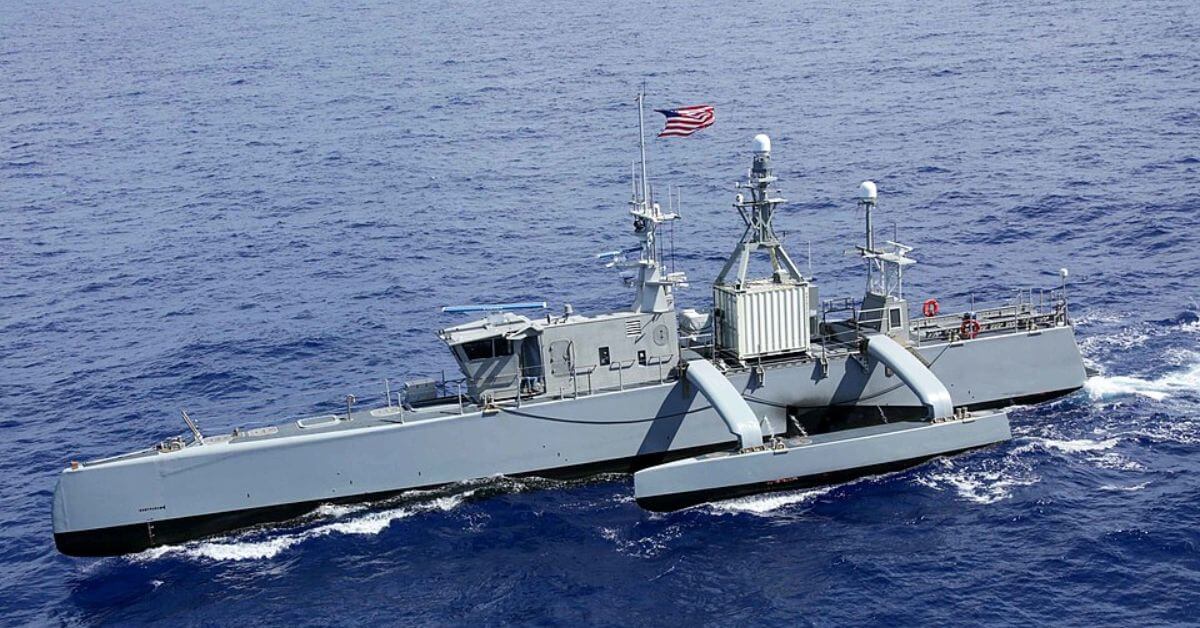
Navy Accelerates Autonomous Systems Integration for Enhanced Maritime Operations
The Navy's new integration centre signals a deliberate step toward weaving autonomous systems into the fabric of daily maritime operations. It is a practical move, grounded in the need for real-time adaptability across fleets. We see this as recognition that robotic assets are no longer peripheral experiments but core instruments for maintaining operational edge. The focus on integration over introduction is the right emphasis.
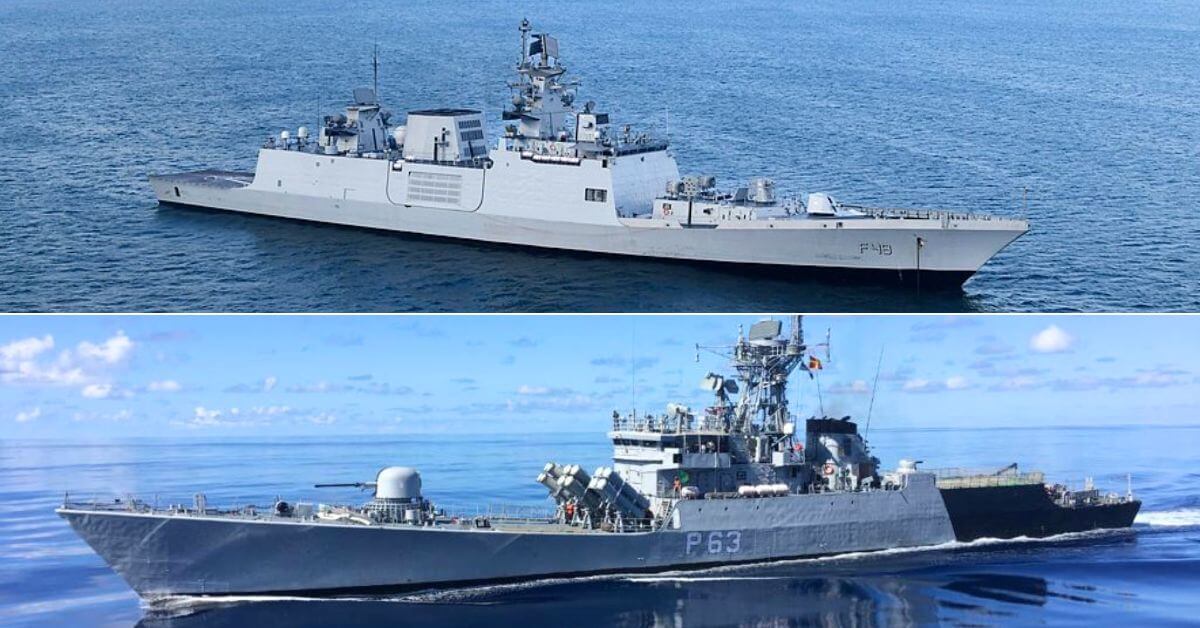
Integrated Maritime Data Collection Underway in Philippine Exercise
The INS Sahyadri and INS Kulish have arrived at Subic Bay, marking the start of integrated maritime data collection during a Philippine exercise. This is a practical demonstration of how naval assets can work together to gather empirical, real-time ocean intelligence. The mission underscores the value of measured, collaborative operations in a region where climate indicators and security concerns increasingly overlap. For broader context on how such efforts align with future fleet ambitions, readers may explore our related coverage on India's expanded naval projections.
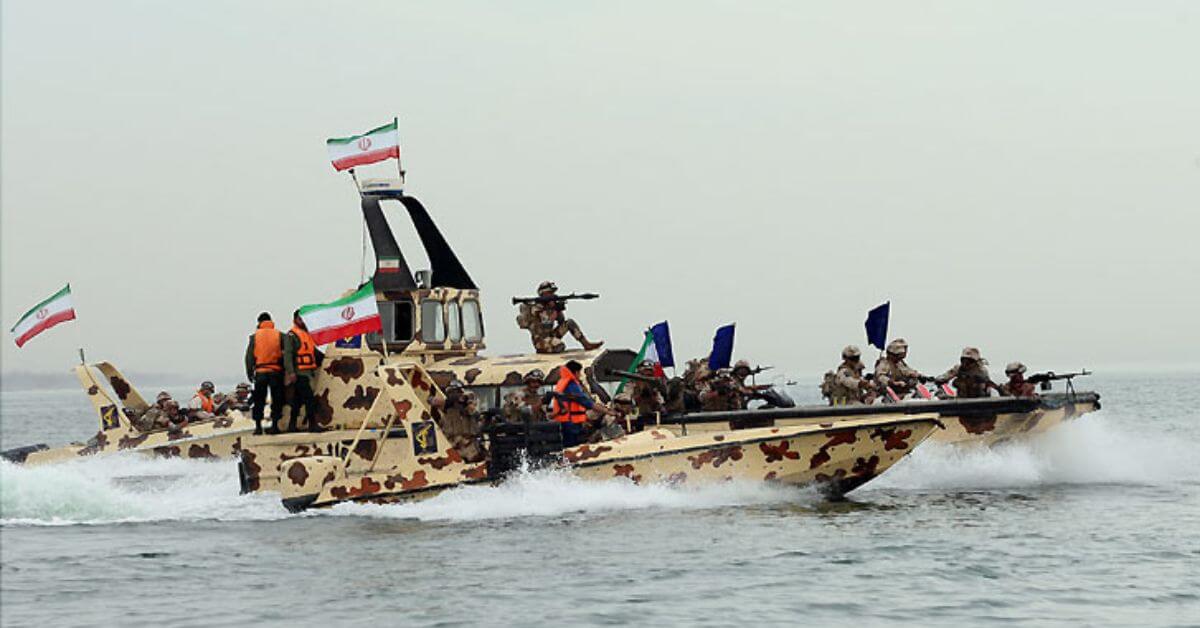
US Navy Responds to Iranian Attempt to Intercept Autonomous Saildrone.
The US Navy's response to an Iranian attempt to intercept one of its autonomous Saildrone vessels underscores a quiet but firm escalation in maritime competition. At roughly 25 feet, this uncrewed craft operates alone, yet its presence clearly signals strategic intent. This is measured deterrence, not provocation. The Navy's growing reliance on such platforms aligns with its broader push to integrate robotic systems, a move that also echoes in the Indian Navy's fleet projections.
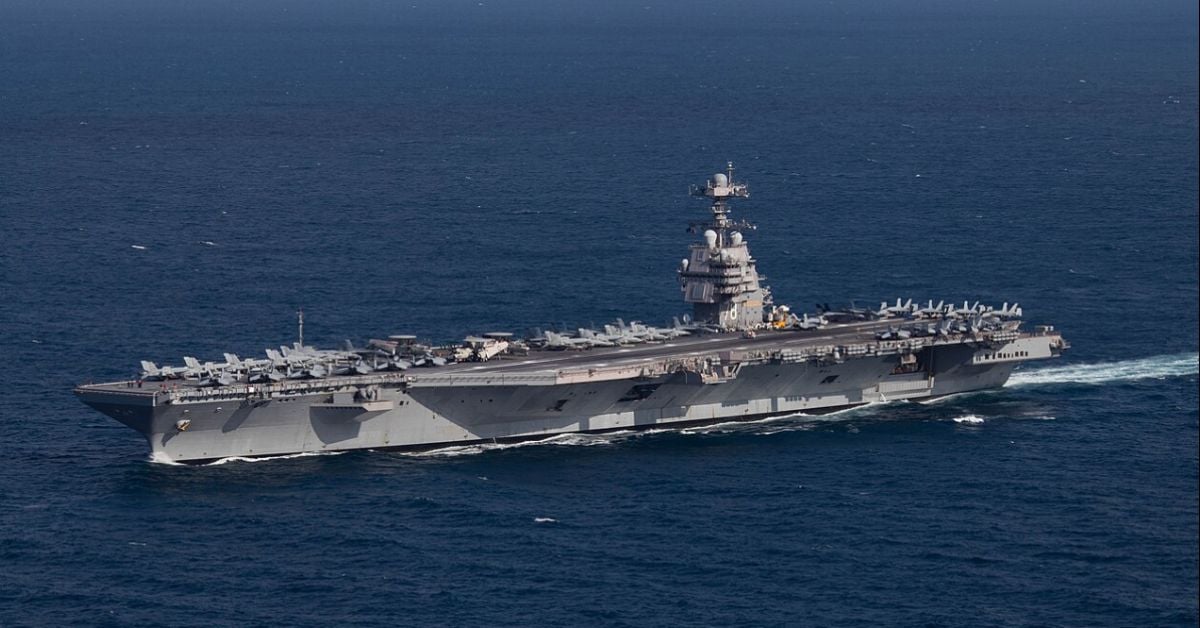
Naval Innovation: Aircraft Carrier Ford to Power Norfolk Base.
The USS Gerald R. Ford, the world's largest aircraft carrier, is set to power a Norfolk naval base, a move that turns operational might into energy resilience. We see this as a practical fusion of defense capability and infrastructure needs, though the details remain scarce. The logic is compelling: leverage a floating reactor for shore-side stability.
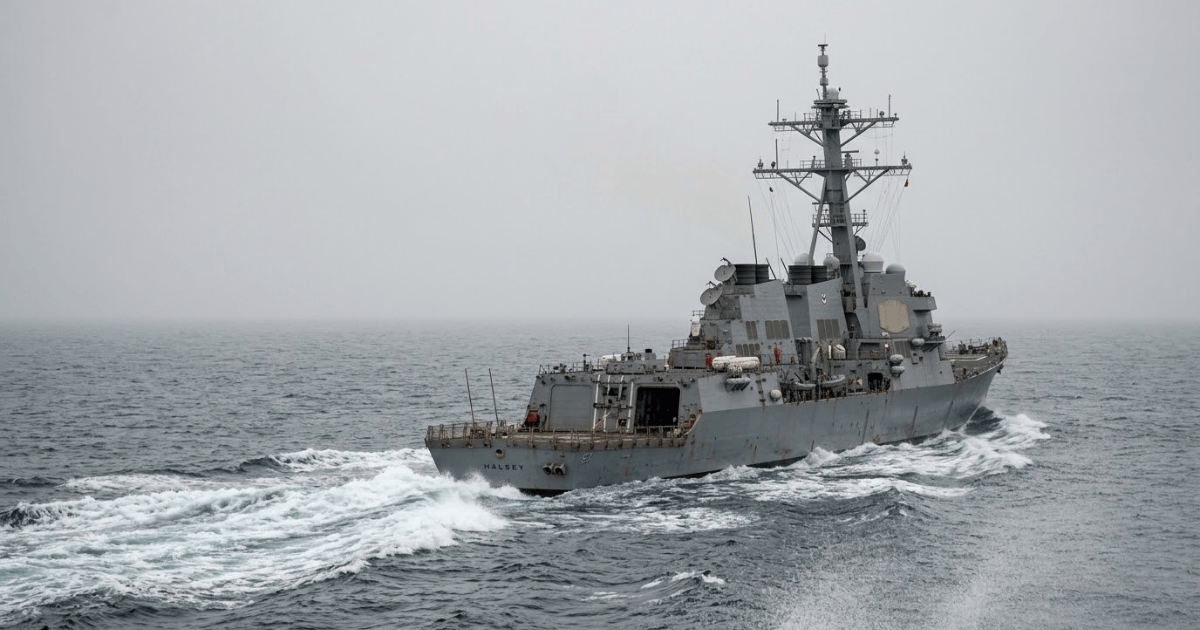
AI-Enabled Research Targets US Naval Assets in the Middle East
An Iran-linked account weaponized Claude AI to compile targeting data on US naval assets in the Middle East. Anthropic's revelation underscores a sobering reality: even tools built for discovery can be repurposed for threat. This is not alarmism, it is a validated, empirical signal of how rapidly ocean intelligence and AI converge on security. Understanding drives protection. Our related coverage of the Navy's accelerated autonomous systems integration offers deeper context on how maritime defense evolves in parallel.
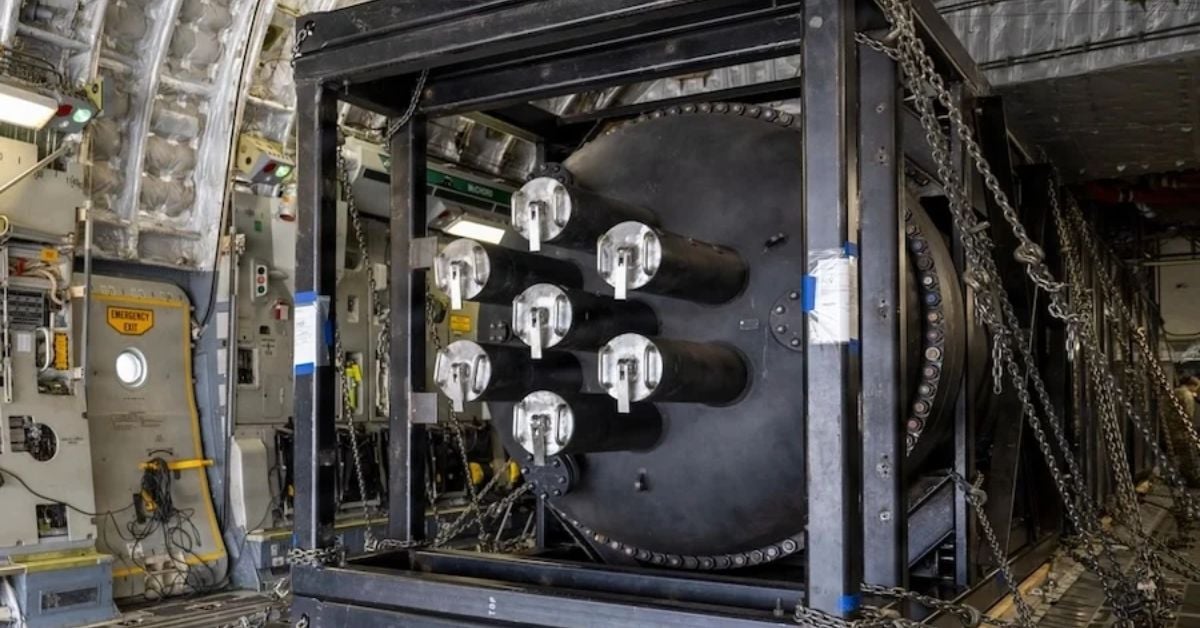
Nuclear Microreactor to Power Indiana Weapons Base by 2028
The U.S. Navy and Department of War plan to install a nuclear microreactor at an Indiana weapons base by 2028. This is a calibrated, empirical step toward energy resilience for critical defense infrastructure. Validated nuclear technology, long used at sea, is now being integrated into land-based operations. It signals a measurable shift in how we power national security assets. For context on parallel modernization efforts, see our coverage of the Navy's new center for autonomous systems integration.
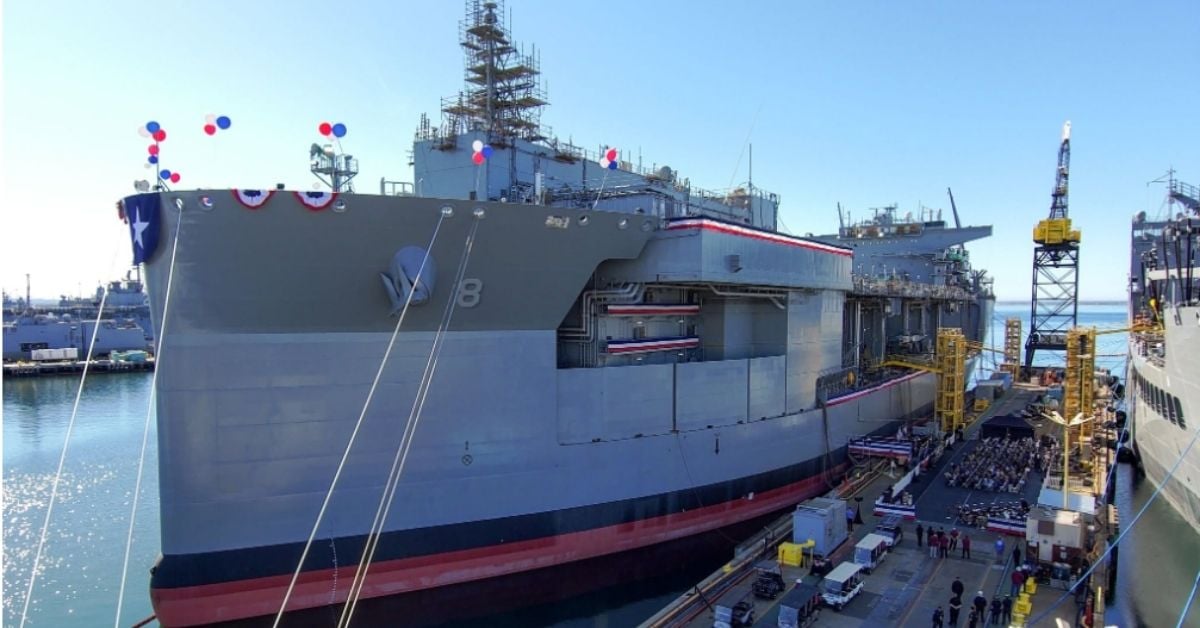
Expanding Naval Capabilities: USNS Hector A. Cafferata Jr. Joins the Fleet
The last expeditionary sea base has joined the fleet. USNS Hector A. Cafferata Jr. (ESB-8) was delivered this week in San Diego by General Dynamics NASSCO, marking the completion of a class designed for versatility and reach. This is a practical step in sustaining maritime operations where traditional ports are unavailable. For broader context on where naval strategy is heading, see our coverage of the Navy's new center for autonomous systems integration. The sea base is a platform; how it networks will define its value.

Extended Deployment: Abraham Lincoln Carrier Highlights Naval Endurance at Sea
The Abraham Lincoln's extended deployment underscores the US Navy's capacity for endurance when strategic demands require it. While six to nine months is the standard, conflict-driven extensions are a calculated reality, not a failure of planning. This is maritime persistence measured in readiness, not rhetoric. For broader context on regional pressure points, our related piece on Gulf of Oman STS transfers outlines how operational tempo shifts elsewhere. The carrier's longevity at sea remains a practical demonstration of sustained naval power.