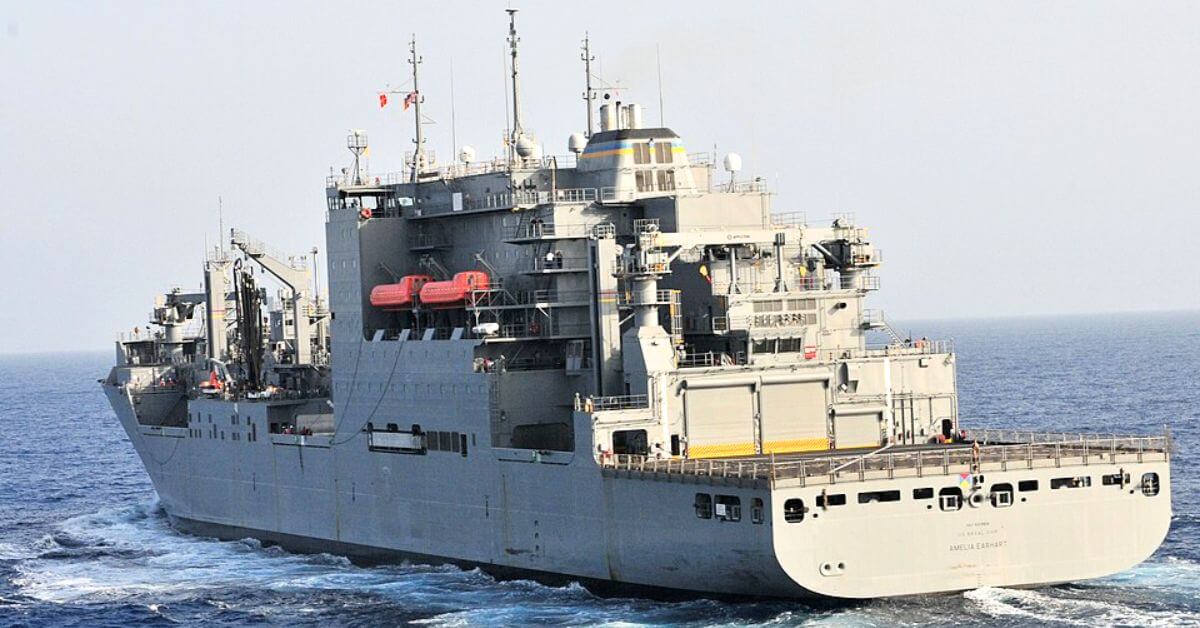
The completion of the USNS Amelia Earhart's maintenance at HJ Shipbuilding's Yeongdo shipyard is a quiet but significant validation of a more integrated approach to naval sustainment. Our view is that this project demonstrates how a mid-tier shipbuilder, operating under rigorous US Navy standards, can deliver measurable outcomes when given the opportunity to diagnose and correct problems beyond the original scope. That willingness to surface additional defects, rather than simply patching the vessel to meet a deadline, is precisely the kind of empirical, calibrated work that builds long-term trust in a global maintenance network.
For our readers, from defense logistics planners to maritime engineers, the practical takeaway is that the US Navy's MRO strategy is becoming more distributed and more reliant on partners who can perform Fincantieri commits nearly €100 million to robotic shipyard intelligence levels of integrated digital oversight. While Fincantieri's investment in AI and robotics points toward a future of automated shipyard intelligence, HJ Shipbuilding's success in Busan proves that skilled human inspection and adaptive project management remain equally critical. The shipyard identified defects and additional maintenance needs during its inspections, work that required judgment, not just sensors. This is not a story about flashy technology; it is about proven capability in a challenging, real-world repair environment.
The expanded contract, which ran six months beyond the original April deadline, increased revenue and profit for HJ Shipbuilding, though the revised amount remains undisclosed. What matters more than the price tag is the precedent. The US Navy expressed satisfaction with the quality and completeness of the repairs, and the shipbuilder now has a validated track record for working to US naval maintenance requirements. This positions HJ Shipbuilding to pursue follow-on contracts, but nothing is guaranteed. The next opportunity will depend on the Navy's assessment of performance under pressure and the shipyard's ability to replicate this result consistently. Meanwhile, parallel developments such as Autonomous drone navigation validates precision landing without GPS or radar remind us that the Navy's operational edge increasingly depends on a network of reliable shore-side support, whether that is a drone landing on a moving deck or a 40,000-tonne logistics ship leaving drydock on schedule.
One specific detail to watch: the USNS Amelia Earhart is a logistics vessel that supplies ammunition, food, cargo, and fuel to aircraft carriers and combat ships. Keeping that supply chain moving is unglamorous but essential. If HJ Shipbuilding secures another MRO contract for a similar vessel, it will signal that the Navy views this project not as a one-off trial but as a model for broader collaboration with allied shipyards. If no follow-on contract materializes, the question becomes whether the extended timeline and undisclosed cost overruns gave the Navy pause. For now, the ship is back in service, and a mid-sized Korean builder has proven it can meet the standard.