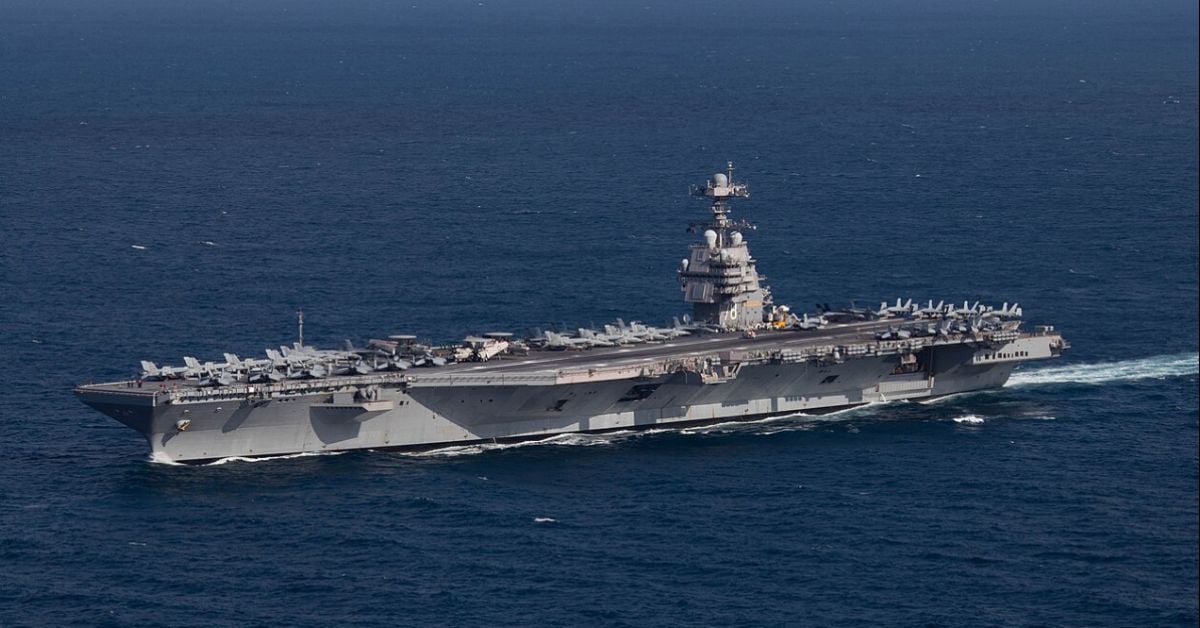
The proposal to use the USS Gerald R. Ford as a floating power plant for Naval Station Norfolk is one of those ideas that sounds almost too practical to be real, yet it makes perfect sense. The carrier's two A1B nuclear reactors, which generate several times the electrical output of its predecessor's plants, represent a massive, mobile energy asset. When the ship is pierside, that generating capacity is largely idle. Tapping into it to offset the base's grid demand is not just clever engineering; it is a logical extension of how the Navy already thinks about energy resilience. This is less about a stunt and more about calibrating an asset that already exists.
The move aligns with a broader pattern we have been tracking in naval operations. The Navy's new center for autonomous systems integration, as reported in our coverage, signals a service branch that is serious about operationalizing new technologies rather than just testing them. Powering a shore installation from a nuclear carrier is a similar kind of integration, but on the energy side. It treats the carrier not as a single-mission platform, but as a node in a larger ecosystem. Meanwhile, the Philippine exercise involving integrated maritime data collection shows how the service is increasingly comfortable sharing data across platforms. Sharing electricity across a pier is a different kind of integration, but the mindset is the same: break down the silos between ship and shore.
What makes this particularly interesting is the contrast with China's approach to its own carrier program. As we noted with China’s new nuclear carrier signaling extended operations, the People's Liberation Army Navy is focused on power projection and endurance. The Ford's role in Norfolk is not about projecting power outward; it is about hardening a critical node at home. That is a different strategic bet. It suggests the Navy is not just preparing for blue-water conflict, but also for the logistics of sustained operations in a contested environment where shore power grids may be vulnerable. Using a carrier as a backup power source for a base is a quiet admission that the shore is part of the fight, too.
For our readers, the practical takeaway is this: the nuclear carrier is becoming a dual-purpose asset in ways that go beyond combat. When you see a ship like the Ford, you should think of it as a mobile power plant with a flight deck, not just a floating airfield. The open question is whether this capability will be formalized into standard procedure or remain an ad hoc emergency measure. If the Navy codifies this into its operational playbook, it could change how bases are designed, how carriers are scheduled, and how the service thinks about energy security. That is a detail worth watching, because it suggests that the next great naval innovation might not be a new weapon, but a new way to plug in.