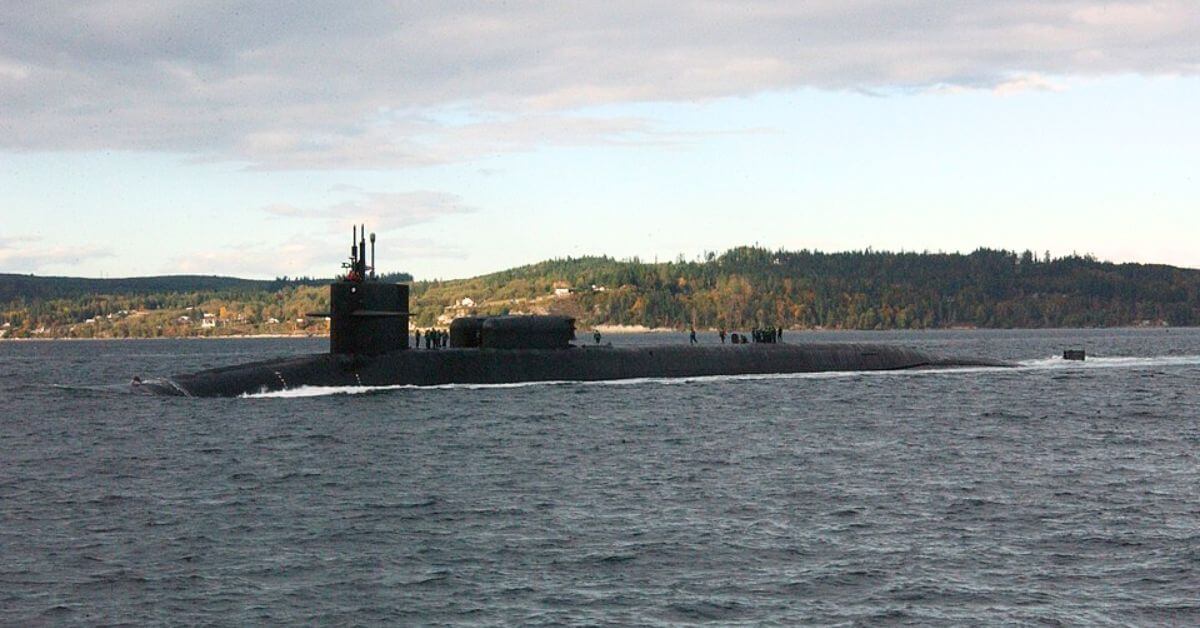
The decision to mount the DRAKE counter-drone electronic warfare system on USS Ohio is a pragmatic acknowledgment that stealth, however formidable, does not erase vulnerability. A submarine's covert power is its defining asset, but the moment it surfaces near a harbor or conducts a mission in coastal waters, it becomes a visible, high-value target for small drones that can loiter, observe, and relay its position. Adding a non-kinetic layer of defense is not sensationalism; it is measured adaptation to a threat that has quietly become routine. This is what integrated defense looks like: not a single perfect system, but a calibrated suite of options.
For crews aboard the four Ohio-class SSGNs, the practical value is immediate. DRAKE detects, identifies, and tracks small unmanned aircraft, then jams the radio-frequency link between the drone and its operator. That disruption can stop a reconnaissance mission without expending a missile or risking collateral damage from gunfire. It is a choice, not a cure. The system cannot reliably affect autonomous drones that fly without a continuous operator link, and its effective range remains undisclosed. Those limitations matter. Electronic warfare is probabilistic by nature, dependent on the drone's communications architecture and the surrounding electromagnetic environment. What DRAKE offers is an additional tool, not a guarantee. That distinction is worth holding onto, especially as Northrop Grumman refines the system based on field feedback, including an Android-based interface aimed at reducing operator workload.
This installation also signals a broader trend visible across recent naval operations. In the Baltic Allies Validate Uncrewed Target Engagement in Gulf of Bothnia Exercise, a U.S. Navy destroyer worked alongside Swedish and Finnish personnel to practice engaging uncrewed targets, underscoring that drone defense is a coalition-level problem, not a single-ship concern. Meanwhile, the routine maintenance cycle of a forward-deployed destroyer in a Spanish dry dock, as reported in Forward-deployed destroyer marks first Spanish dry dock for maintenance, reminds us that sustained presence requires logistics as much as innovation. DRAKE's deployment aboard a submarine, a platform historically shielded by depth, suggests the Navy now treats drone surveillance as a baseline threat across all surface intervals, not just for high-profile surface combatants.
The open question is how quickly the software-defined radio and jamming capabilities evolve against drones that increasingly operate with onboard autonomy. Northrop Grumman's iterative approach, learning from deployed encounters, is the right model, but the pace of adaptation will determine whether DRAKE remains relevant or becomes a fixed answer to a moving problem. Watch for the next software revision and whether the Android interface reaches submarine crews before the next port visit. The system's true test will not be in a lab, but in the crowded, contested airspace above a surfaced submarine. That is where electronic warfare earns its keep, or does not.