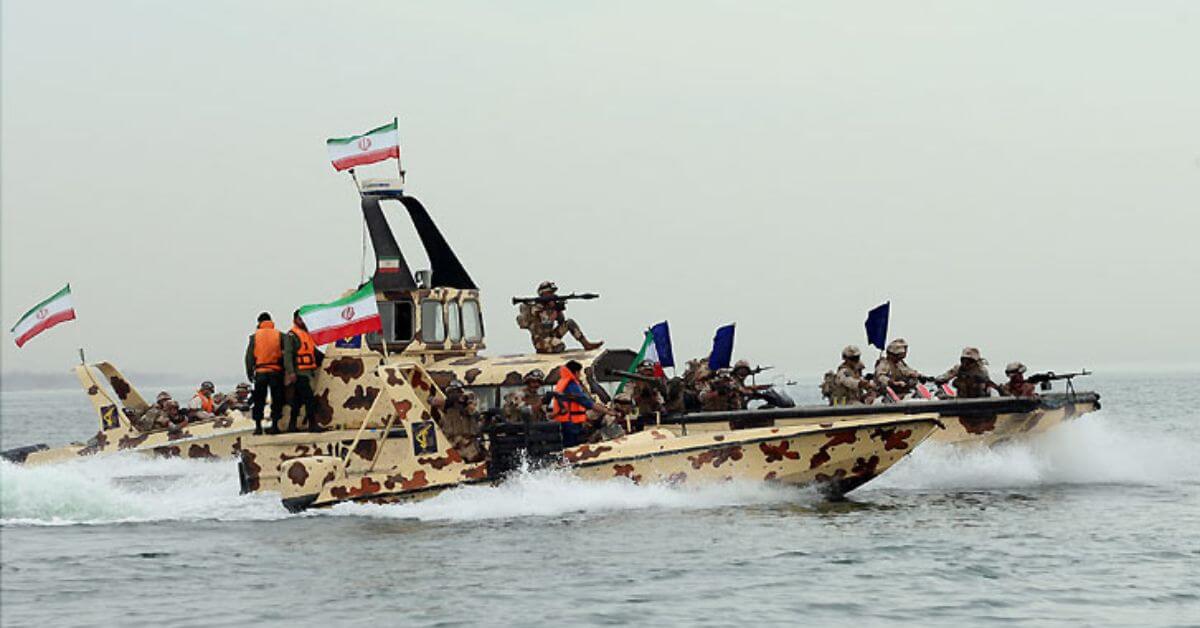
The U.S. Navy's response to an Iranian attempt to intercept a Saildrone near the Strait of Hormuz is not just a news item; it is a live demonstration of how maritime power is being recalibrated. The unmanned surface vessel in question, roughly 25 feet long and operating autonomously, represents a class of assets that changes the risk calculus for every navy operating in congested waters. The Navy Accelerates Autonomous Systems Integration for Enhanced Maritime Operations has already signalled its intent to weave these systems into its core doctrine. What happened near the strait is what that integration looks like in practice: a small, uncrewed platform became a flashpoint, forcing a decision that would have been unthinkable with a manned vessel of comparable size.
The practical takeaway for our readers is that the era of autonomous systems as experimental tools is over. These platforms are now operational assets that can be targeted, boarded, or contested, which means the rules of engagement must be re-examined. The Iranian attempt to intercept the Saildrone was not an anomaly; it is a preview of the friction that will define maritime operations in the Gulf of Oman, where Gulf of Oman STS Transfers Max Out Amid Rising Saudi Oil Exports shows a waterway already stretched to its commercial limits. When you add uncrewed systems to that density, you are not just adding a new tool; you are introducing a new variable that can escalate tensions in seconds, with no pilot onboard to dial back the confrontation.
Our honest take is that this incident underscores a lag between technological capability and legal and tactical frameworks. The Navy acted decisively, but the question is not whether it can protect its drones; it is whether the rules of the sea are keeping pace with the machines we are deploying. The India Projects Expanded Naval Fleet to Navigate Evolving Maritime Landscape reflects a broader regional trend of expanding naval presence, but more ships and more drones will not solve the underlying ambiguity about what happens when one nation decides to test another's autonomous systems. The Saildrone is a sensor platform, not a warship, yet it was treated as a prize worth seizing. That distinction is eroding, and every navy operating in these corridors must now plan for the possibility that their uncrewed assets will be treated as hostile, regardless of their mission.
What we would tell a reader who asks about this is simple: watch how the Navy processes this event into its operational playbook. The immediate response was necessary, but the longer-term question is about escalation thresholds. If a 25-foot uncrewed vessel can trigger a kinetic response, what happens when a larger autonomous ship, or one carrying different sensors, enters the same lane? The Strait of Hormuz is already a chokepoint where commercial and military traffic intermingle. The next incident may not be about a drone at all, but about the precedent this one sets. The concrete point to monitor is whether the Navy issues a public doctrine on the use of force to defend uncrewed systems, because right now, the only thing we know is that they will shoot back. The question is what that means for the next autonomous patrol, and who gets to define the line between provocation and protection.