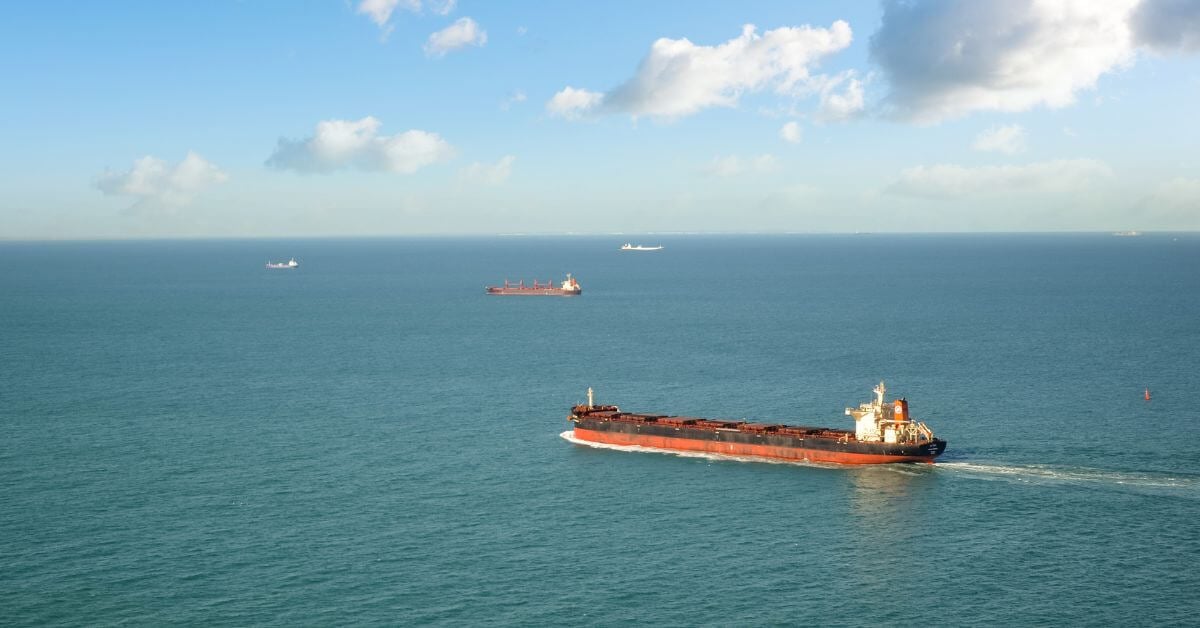
The Strait of Hormuz is not closed, and the data proves it. Iran's latest signal, an IRGC adviser threatening to shut transit routes along Oman's coast, is a political artifact, not a maritime reality, and our readers should treat it as such. Verified export figures tell a different story: the seven-day average for crude exports from the Gulf region reached 18.3 million barrels per day on September 30, with volumes exceeding pre-war levels on 14 days in September. This is not speculation. This is Verified data confirms 20 million barrels transit Hormuz despite Iranian claims, and it directly contradicts any claim of Iranian control over the waterway. Meanwhile, the human cost of this uncertainty is measurable: Risk premiums on global shipping lanes exceed $100,000 per month, with oil tanker captains being offered that sum plus a $50,000 bonus to sail through the Strait. And the physical danger is empirical: Weekly tanker strikes near Strait of Hormuz reach highest count in years, with at least 12 attacks recorded in a single week.
What matters for our audience, researchers, analysts, and policymakers who rely on ocean intelligence, is the widening gap between political messaging and observable behavior. Iran's leadership structure remains opaque after the strikes that killed Ayatollah Khamenei, and U.S. officials openly admit they are unsure who holds decision-making authority in Tehran. Vice President JD Vance stated that while the U.S. is talking to President Masoud Pezeshkian and Foreign Minister Abbas Araqchi, it is unclear how much authority they retain. President Trump's assessment is blunter: his "biggest problem" is that no one knows who is running Iran. This ambiguity creates a dangerous information vacuum. When an IRGC adviser claims the Strait is under "full control" while approximately 10 ships per day cross it, compared to a pre-war average of 125, the claim collapses under empirical scrutiny. But the risk is not in the claim itself. The risk is that insurers, shipping firms, and energy markets act on the uncertainty, not the data.
Our take is this: the integrated data ecosystem we track shows a Strait that is functionally open but operationally fragile. Oil is moving. Tankers are being attacked. Risk premiums are spiking. These are not contradictory facts; they are calibrated indicators of a system under stress but not broken. The real question for readers is whether Iran's signaling is a negotiating tactic or a prelude to a more coordinated disruption. The U.S. has rejected Iran's latest proposal, and Trump has warned that military operations could increase after the midterm elections. Vance said Iranian forces can still attack commercial ships "from time to time" but are largely unable to stop energy exports. That is a measured, empirical assessment, and it is the one we should watch. The specific detail to monitor is not the number of threats issued, but the seven-day export average. If that figure drops below 15 million barrels per day for a sustained period, the political posturing has become a physical blockade. Until then, the data holds.