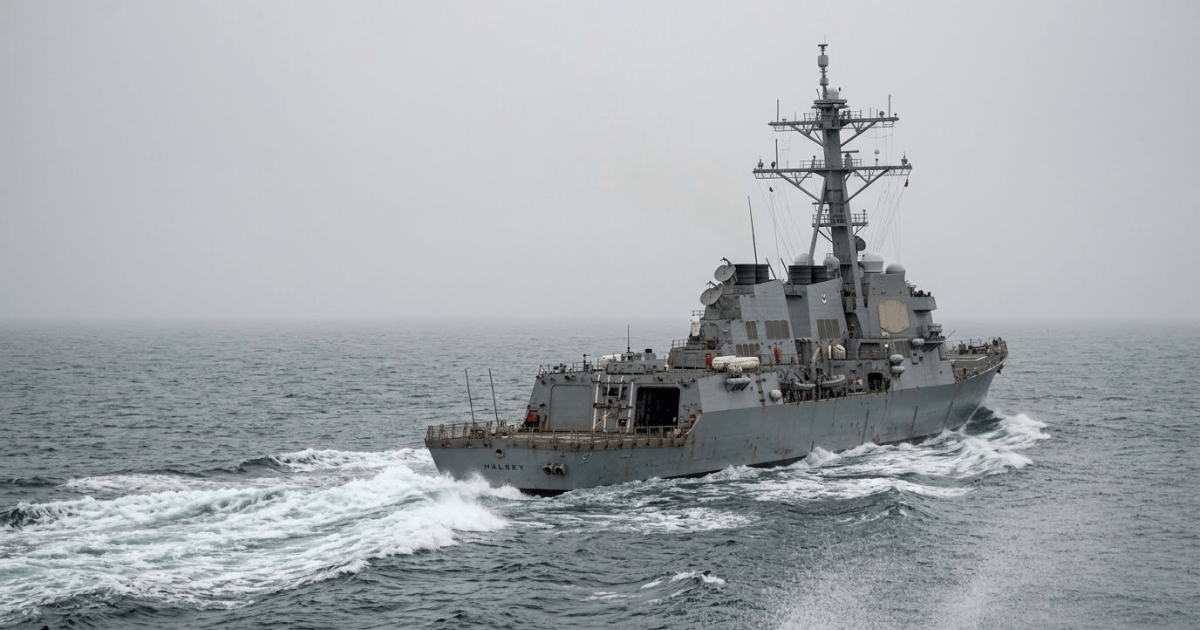
An Iran-linked account used Anthropic's Claude AI to compile targeting data and vulnerability research on US naval assets in the Middle East, according to the company's own disclosure. This is not a hypothetical threat scenario from a wargaming table. It is a documented event, and it forces a hard look at how open-access AI tools can be weaponized against the very maritime infrastructure that global trade depends on. The same waters where these vessels operate are the waters where Gulf of Oman STS Transfers Max Out Amid Rising Saudi Oil Exports and where Phased Negotiations Aim to Ease Restrictions on Strait of Hormuz hang in a delicate diplomatic balance. The intersection of AI-enabled reconnaissance and maritime chokepoint strategy is no longer academic.
Our take is straightforward: the ocean intelligence community, researchers, navies, shipping operators, and policymakers, must treat large language models as dual-use tools with the same seriousness we apply to physical surveillance technologies. An adversary does not need a satellite or a spy vessel to gather shipboard vulnerability data when a commercially available AI can synthesize open-source information into actionable targeting packages. The US Navy's recent push to accelerate autonomous systems integration is a prudent response, but it addresses only half the equation. Hardening platforms matters little if the intelligence that guides an attack can be generated by a chatbot.
What this means for our readers in practical terms is that the boundary between academic ocean research and operational security has blurred. A researcher studying vessel traffic patterns for climate indicators or shipping efficiency is using the same data streams that, in the wrong hands, can be repurposed for targeting. This does not mean we should lock down ocean data, open science is too valuable for that, but it does mean we need calibrated, peer-reviewed protocols for what data is made available and how AI models interact with it. The integrated data ecosystem we champion must include security layers that are validated and measurable, not afterthoughts.
The specific takeaway worth quoting: *AI does not need to be classified to be dangerous; it only needs to be accessible and directed by a motivated adversary.* The Iran-linked account did not hack Claude; it used it as intended. The open question that deserves attention is whether the maritime industry and naval forces can adapt their own use of AI for defense faster than adversaries can adapt it for offense. Watch how the Navy's new autonomous systems center integrates threat intelligence from AI monitoring, and whether the Strait of Hormuz negotiations account for this new reconnaissance capability. The ocean intelligence community must lead on this, because the alternative is letting the technology define the terms.