strait of hormuz
World Data Ocean keeps strait of hormuz in one place: 222 stories so far. The section currently leads with “Expanded Naval Presence Calibrated for Red Sea Shipping Security”, “Strait of Hormuz Incidents Prompt Inquiry Into Tanker Impacts”, and “Drone Strike Impacts LPG Tanker Near Strait of Hormuz.”. The European Union's call for more than ten warships to secure Red Sea shipping marks a calibrated response to a persistent threat. Two tankers were struck by an unknown projectile or debris in the Strait of Hormuz on Monday, reigniting questions about the vulnerability of commercial shipping in one of the world's most vital waterways. A Global Hub for Ocean Intelligence 4 World Data Ocean is a centralized digital platform where researchers, scientists, and ocean enthusiasts converge to… The list below is every strait of hormuz story on World Data Ocean, newest first.
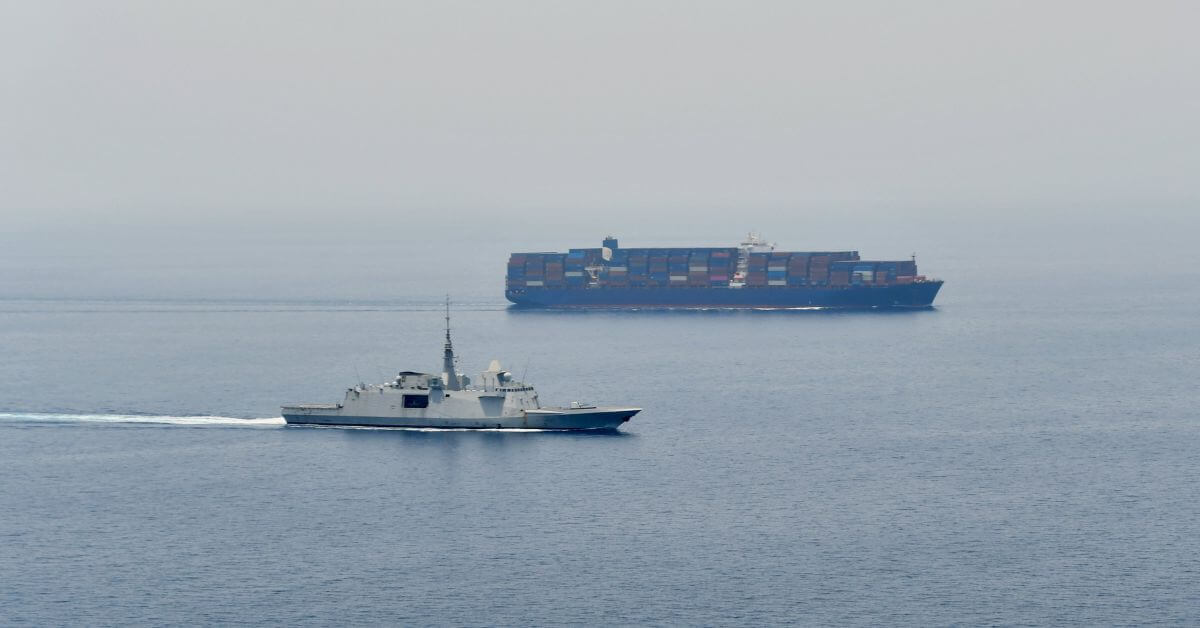
Expanded Naval Presence Calibrated for Red Sea Shipping Security
The European Union's call for more than ten warships to secure Red Sea shipping marks a calibrated response to a persistent threat. Kaja Kallas, the bloc's foreign policy chief, made the case on Monday, framing the expanded naval presence as a necessary measure for maritime stability. The numbers are telling: this is not a symbolic gesture but a concrete commitment.
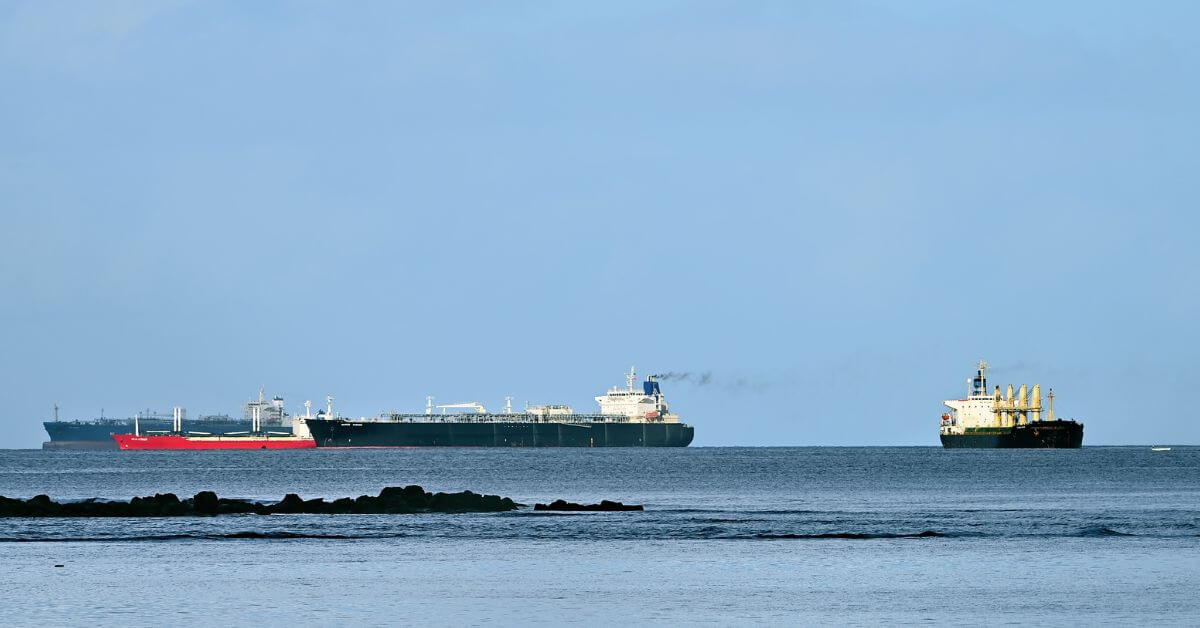
Strait of Hormuz Incidents Prompt Inquiry Into Tanker Impacts
Two tankers were struck by an unknown projectile or debris in the Strait of Hormuz on Monday, reigniting questions about the vulnerability of commercial shipping in one of the world's most vital waterways. The incident demands empirical scrutiny, not speculation, as we assess the measurable risks to vessels and crews. This is precisely why our coverage, including the recent report on Gulf of Oman STS transfers maxing out, must remain grounded in validated, real-time data.
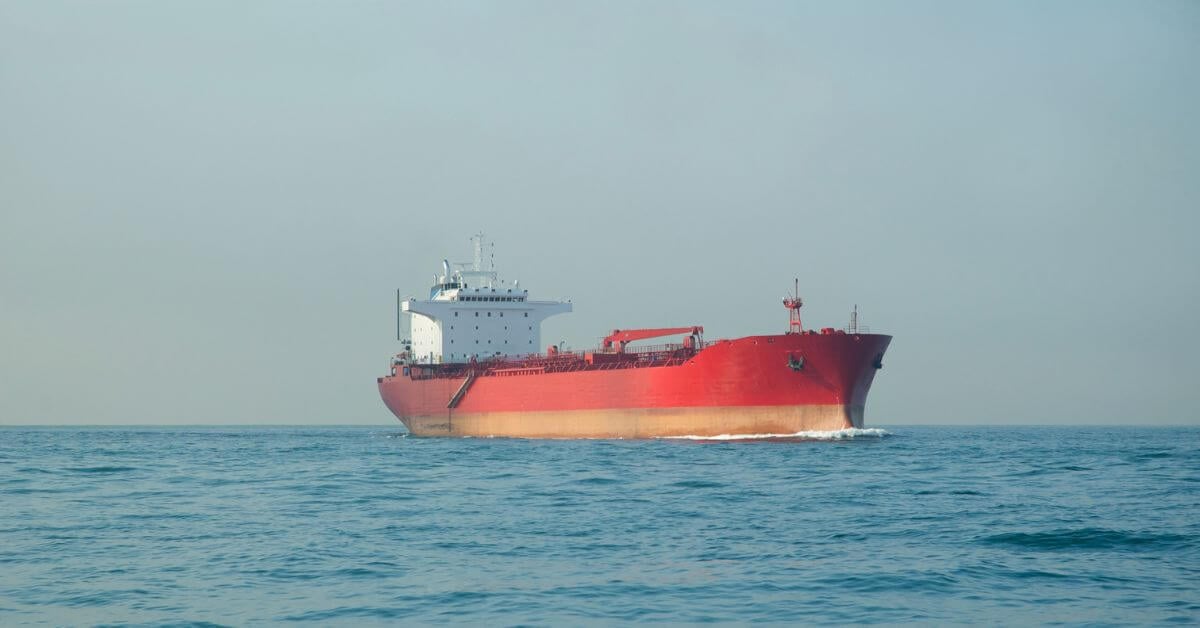
Drone Strike Impacts LPG Tanker Near Strait of Hormuz.
A Liberia-flagged LPG tanker carrying nine Indian seafarers was struck by a drone while sailing eastbound outside the Strait of Hormuz. The incident underscores how vulnerable commercial shipping remains in a waterway that carries a third of the world's liquefied gas. Precision matters here: every attack raises the cost of transit, and the ripple effects are measurable. For context on the region's mounting pressure, our related coverage in "Phased Negotiations Aim to Ease Restrictions on Strait of Hormuz" outlines the diplomatic stakes.
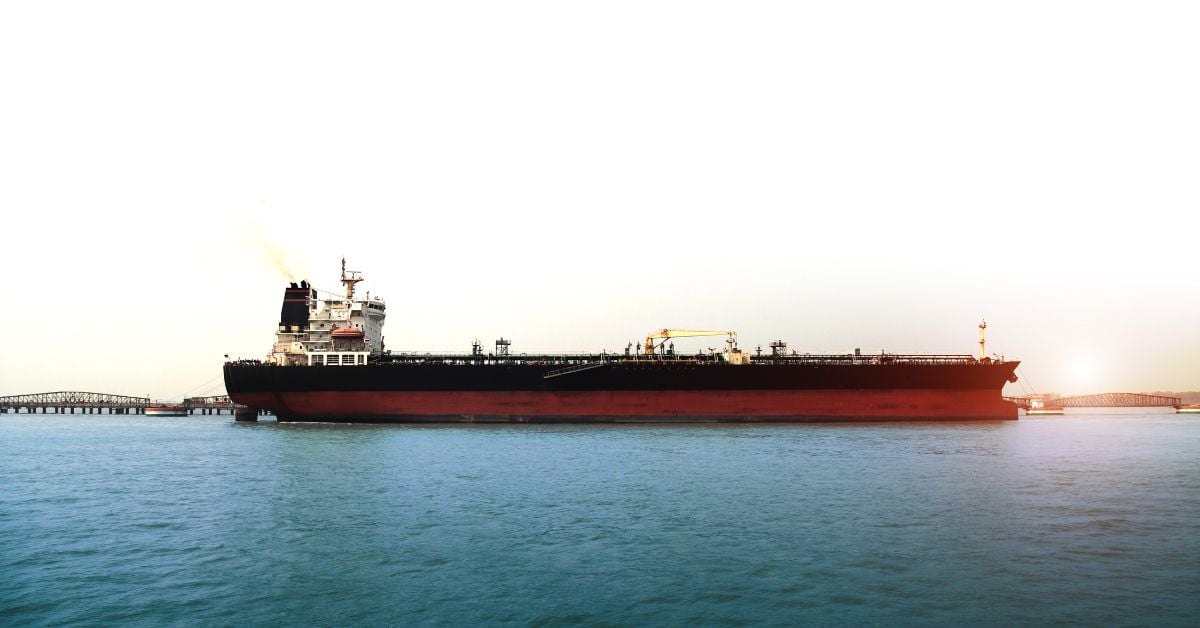
Strait of Hormuz: Conflicting Reports of Vessel Detentions Raise Tensions.
The Strait of Hormuz is once again a flashpoint, with the UKMTO flagging a separate incident involving a vessel in its waters. Conflicting reports of detentions are doing little to calm a region already bracing for disruption. These are not abstract metrics; they are real-world friction with global consequences. The situation demands precise, empirical monitoring, not alarmism.
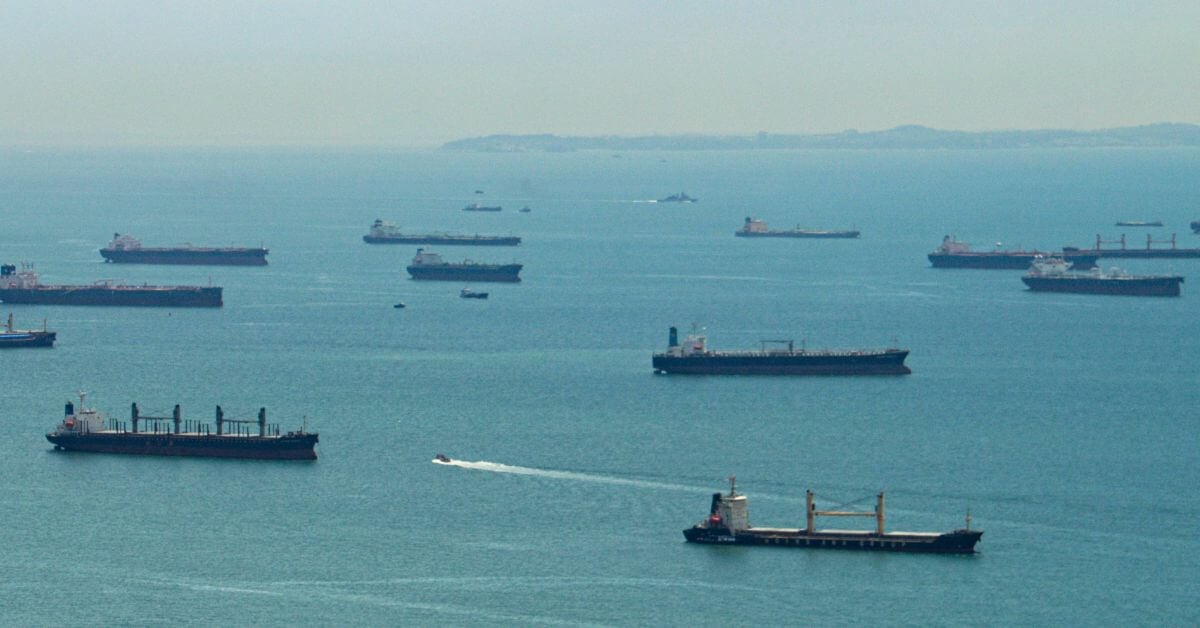
Bitcoin Payments and Shipping Tolls: U.S. Sanctions Iranian Entity.
U.S. sanctions have landed on an Iranian entity tied to Bitcoin payments and shipping tolls, part of a network that financier Babak Zanjani used to move hundreds of millions of dollars in Bitcoin to the IRGC. The designation underscores how digital assets have become a practical tool for state-aligned actors, not just a theoretical one. Measured enforcement matters here. For broader context on regional pressures, our piece on Gulf of Oman STS Transfers Max Out Amid Rising Saudi Oil Exports offers useful grounding.
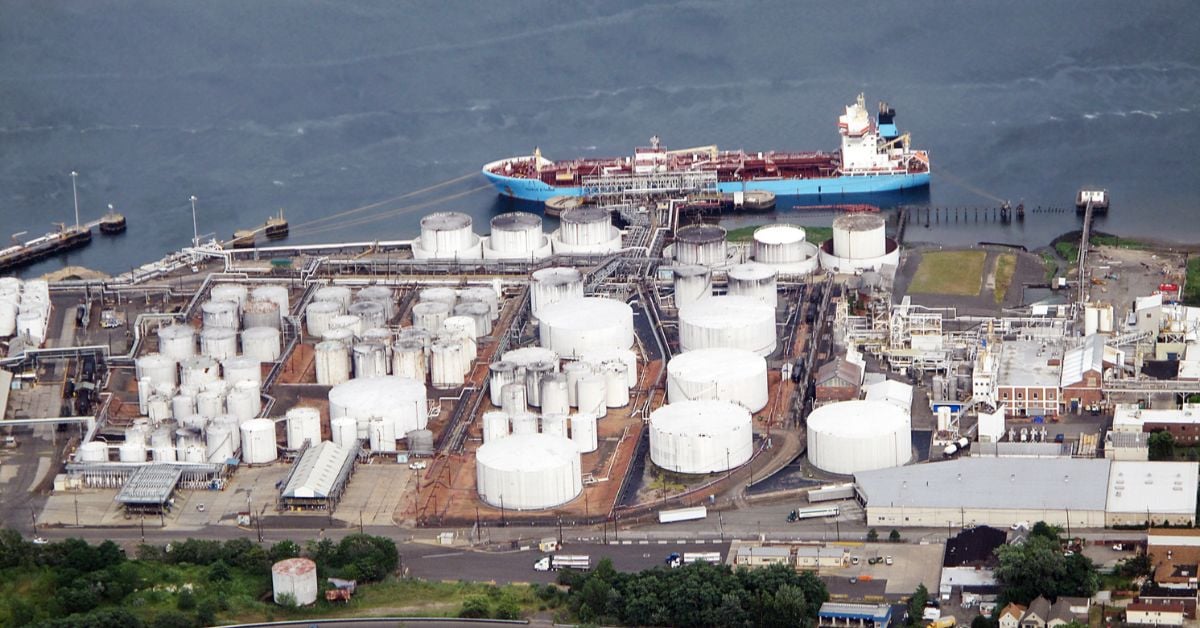
Saudi Arabia Redirects Oil Exports; Global Supply Concerns Ease.
Saudi Arabia's decision to reroute crude through Oman has already trimmed oil prices by 1.2%, a measured market response to reduced supply fears. The move does not erase the Strait of Hormuz's fragility, but it buys time for diplomacy. This is pragmatic recalibration, not panic. For those tracking the mechanics, our related piece on Gulf of Oman STS transfers shows how strained these alternative routes have become. The pressure has not lifted; it has simply shifted.
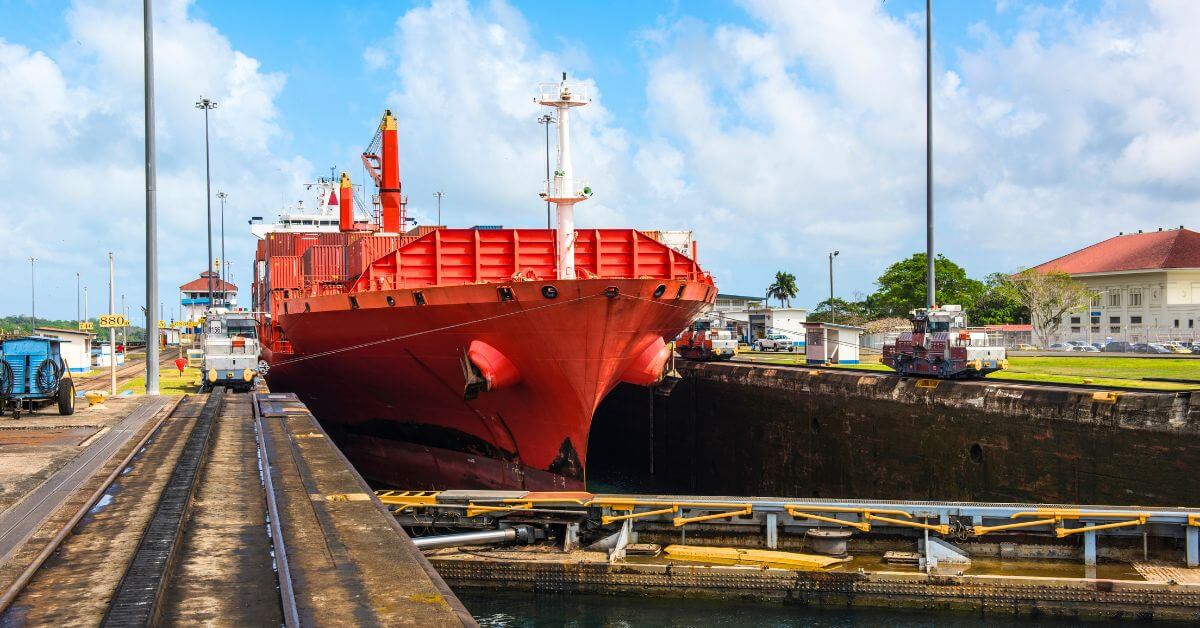
Reduced Canal Transits: Drought Impacts Global Shipping Routes.
The Panama Canal is tightening its grip. Starting in October, an average of 29.5 vessels per day will be allowed through, a direct response to the drought that is reshaping global shipping routes. This is not an abstract climate indicator; it is a measurable constraint on trade. We see the canal's draft plan as a practical, if difficult, calibration of limited resources. For context on how other chokepoints are straining, our piece on Gulf of Oman STS transfers offers a parallel view.
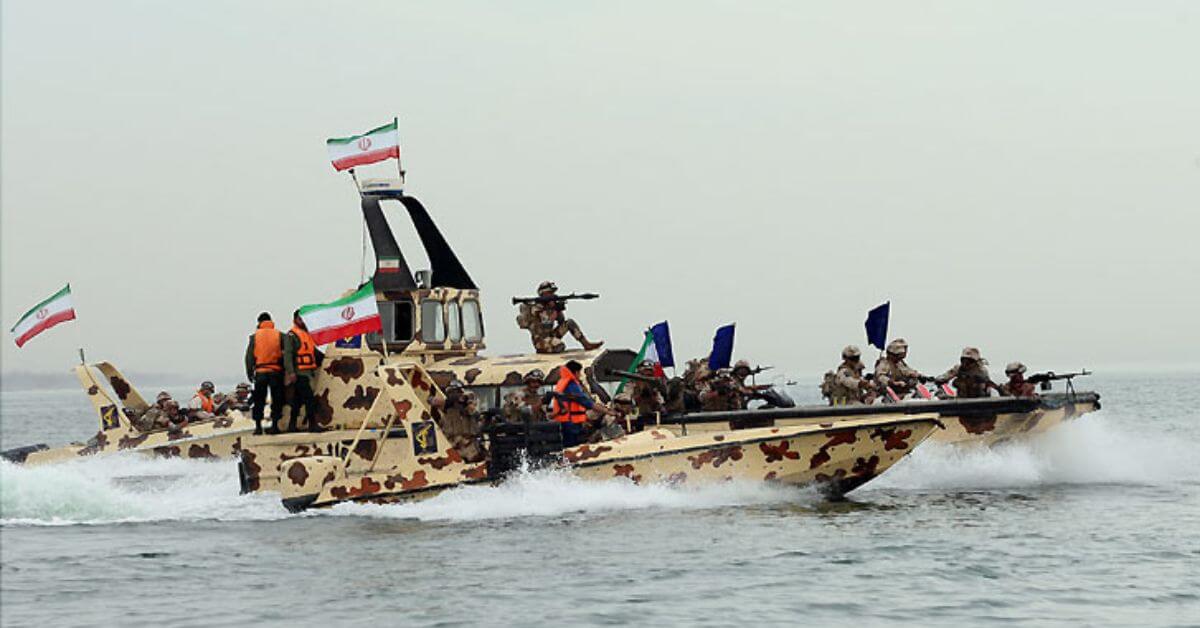
US Navy Responds to Iranian Attempt to Intercept Autonomous Saildrone.
The US Navy's response to an Iranian attempt to intercept one of its autonomous Saildrone vessels underscores a quiet but firm escalation in maritime competition. At roughly 25 feet, this uncrewed craft operates alone, yet its presence clearly signals strategic intent. This is measured deterrence, not provocation. The Navy's growing reliance on such platforms aligns with its broader push to integrate robotic systems, a move that also echoes in the Indian Navy's fleet projections.

Disputed Incident: U.S. Challenges Iran's Account of Tanker Attack
The United States has rejected Iran's account that the Panama-flagged oil tanker El Gaia struck a naval mine in the Strait of Hormuz, casting further doubt on a waterway already strained by diplomatic friction. Attribution matters here, and so does verification. Disputed incidents like this one do not clarify; they complicate. The stakes are measurable, and the margin for error is thin.
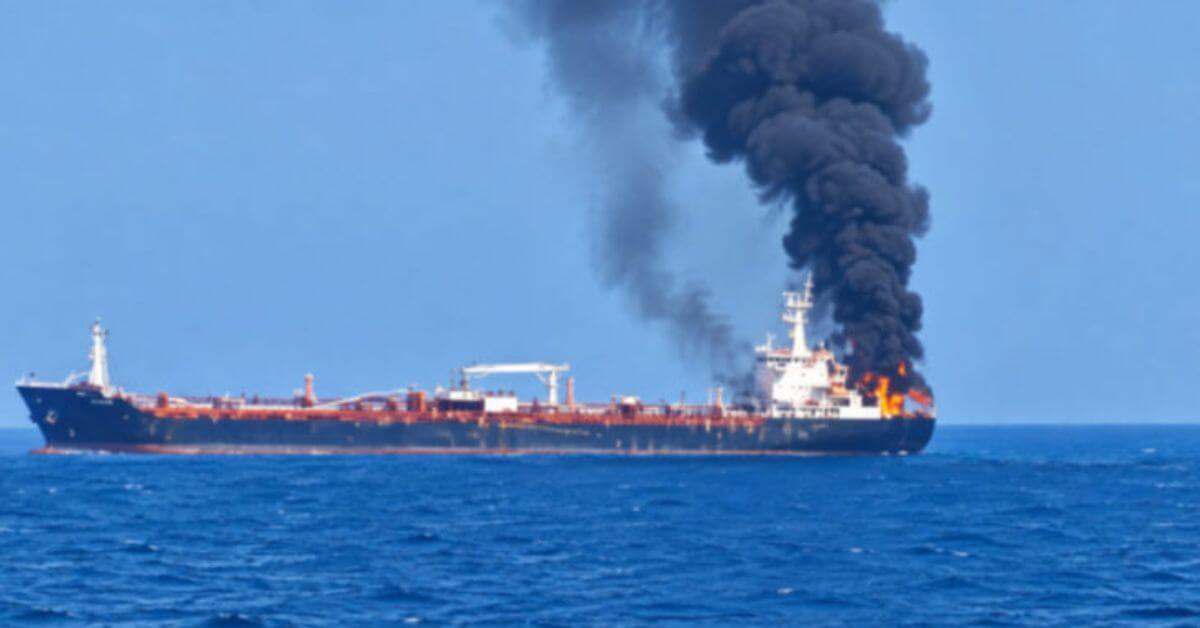
Seafarer Missing After Ship Attack Near Oman Coast; Thirteen Rescued
One Indian seafarer remains missing after an attack on a vessel near the Oman coast, while thirteen crew members have been rescued, India's Ministry of External Affairs confirmed. The incident underscores the persistent volatility of regional waters, where commercial traffic proceeds under tangible risk. Search efforts continue, though the outcome remains uncertain. For broader context on maritime pressure points, our related coverage of Gulf of Oman STS transfers offers useful perspective on the strategic strains shaping this corridor.
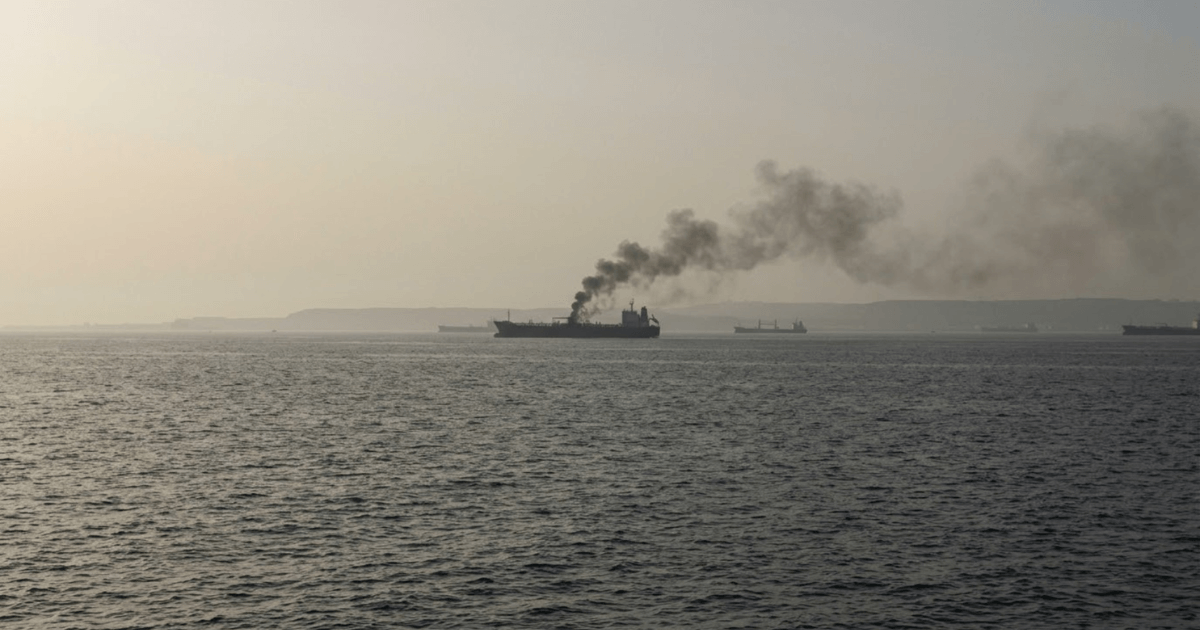
Shipping Incident Near Hormuz Raises Regional Tensions, Claims One Life.
A commercial vessel was struck off Qeshm Island in the Strait of Hormuz, killing one crew member. Iran now prepares to brief regional powers on shipping control. This incident raises tensions along a waterway already strained by capacity, our related coverage on Gulf of Oman STS Transfers Max Out Amid Rising Saudi Oil Exports underscores the logistical pressure. Measurable maritime data matters here: safety and security are empirical conditions, not abstractions. Understanding drives protection.

Disruption on East-West Pipeline Impacts Saudi Oil Export Routes.
A 1,200-kilometer artery of Saudi crude has been disrupted. The East-West Pipeline, which bypasses the Strait of Hormuz to deliver oil to Red Sea terminals, now faces operational impacts. This is not merely a logistical snag; it is a stress test for alternative export routes. When a calibrated system falters, the ripple effects are measurable. For deeper context on regional bottlenecks, see our coverage of "Gulf of Oman STS Transfers Max Out Amid Rising Saudi Oil Exports."
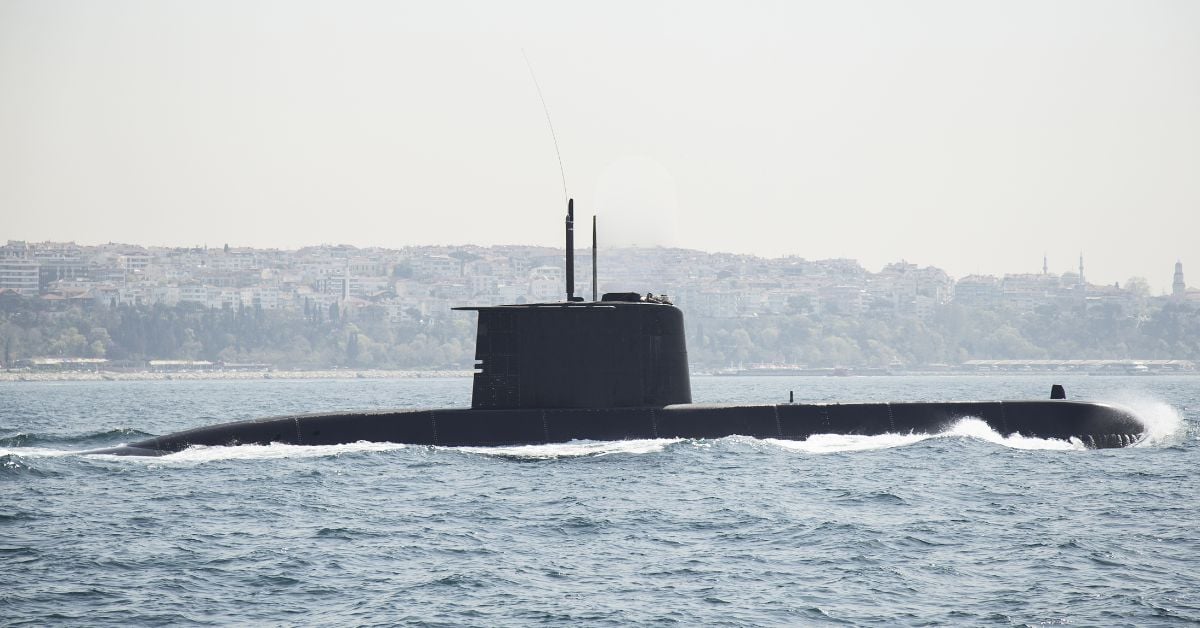
Autonomous Drone Encounter Highlights Growing Maritime Technology in the Hormuz Strait
The underwater drone detected near the Hormuz Strait is likely Anduril's Dive-D, a calibrated, autonomous system built for defense. This sighting underscores a measurable shift: maritime technology is no longer confined to surface vessels. Empirical observation of such platforms matters, because understanding drives protection. For deeper context on regional shipping pressures, see our coverage of "Gulf of Oman STS Transfers Max Out Amid Rising Saudi Oil Exports." The strait's future demands integrated, peer-reviewed intelligence, not alarm.
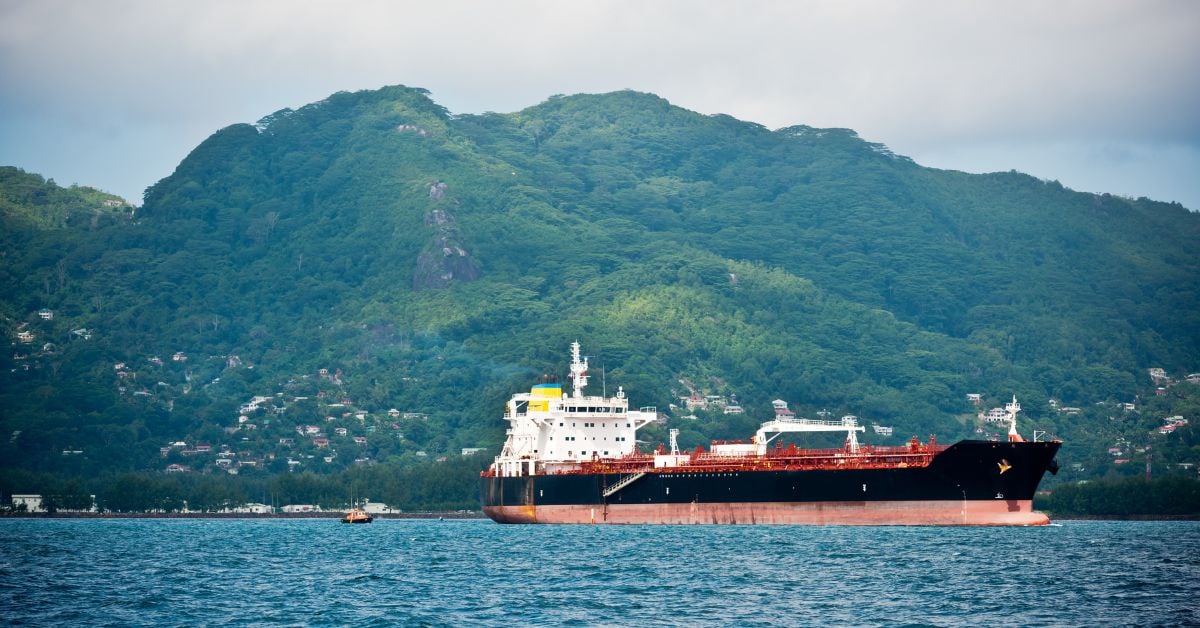
Heightened Tensions: Houthi Control of Perim Island Impacts Shipping Route
The Houthi seizure of Perim Island places a validated chokepoint under direct threat. Control of this island means the Bab El-Mandeb Strait, a corridor for global commerce, is now within range of Iran-backed forces. This is not speculation; it is a measurable escalation in regional instability. For readers tracking these disruptions, our report on "Puntland Forces Intercept Hijacked, US-Sanctioned Oil Tanker After 48 Hours" shows how quickly maritime security unravels. Understanding these links drives protection of vital sea lanes.
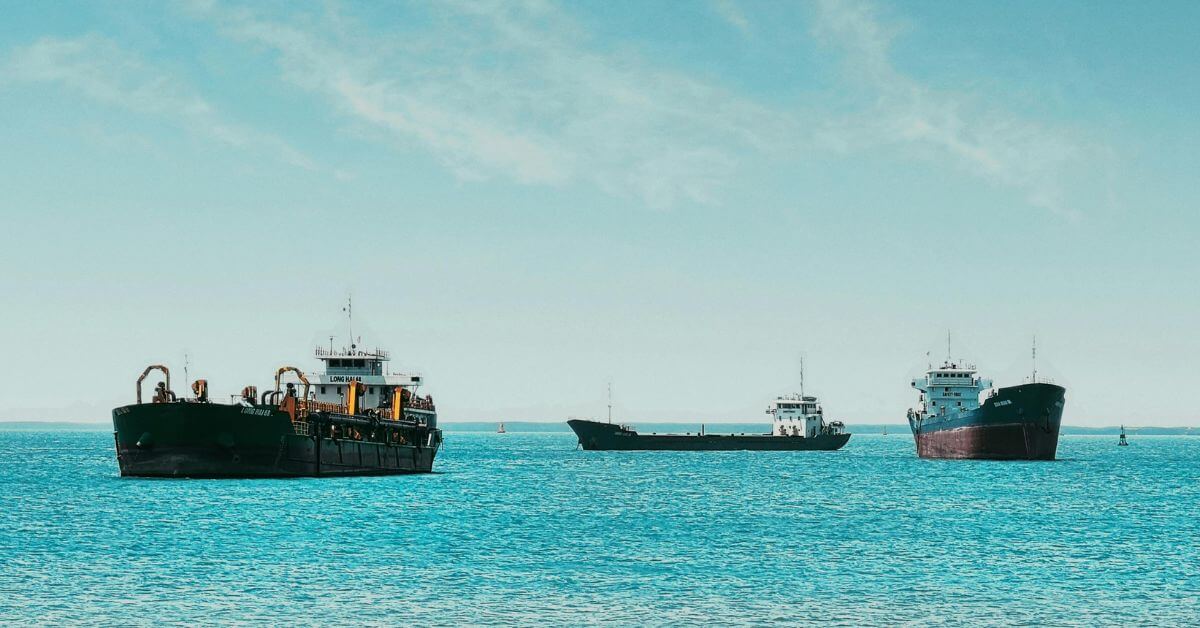
Shipping Lanes Under Scrutiny: Indian Crews Affected by Gulf Region Attacks
Three foreign-flagged vessels with Indian crew members were struck on September 8 and 9 as West Asia conflict escalates into shipping lanes. These attacks validate what we have long measured: maritime corridors are becoming direct targets. The crews are not combatants, they are professionals navigating volatile waters. Understanding drives protection, and this incident demands calibrated, empirical scrutiny. For deeper context on regional shipping pressures, our coverage of the Strait of Hormuz negotiations offers integrated analysis.
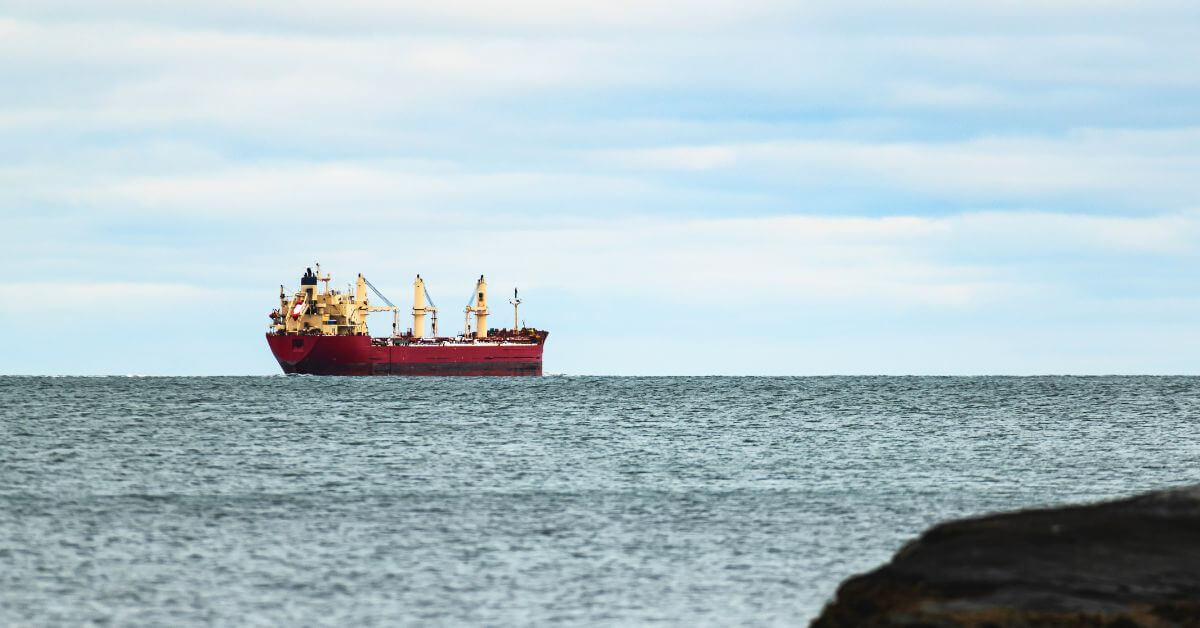
Protecting Maritime Routes: India and Iran Prioritize Ocean Safety.
Indian Prime Minister Narendra Modi has rightly elevated shipping safety and seafarer protection to a bilateral priority during talks with Iran's President. In a region where maritime chokepoints demand calibrated vigilance, this focus is both practical and overdue. The ocean does not recognize political borders, and shared responsibility for route security is the only measurable path forward. For deeper context on regional pressures, see our coverage of "Gulf of Oman STS Transfers Max Out Amid Rising Saudi Oil Exports."

Shipping Caution Advised: Incident Near Strait of Hormuz Impacts Transit
The UKMTO's warning on September 10 is a measured but necessary response to an incident near the Strait of Hormuz. Vessels in that corridor now face heightened risk, and the call for cautious transit and reporting of suspicious activity reflects a reality we cannot ignore. This is not alarmism, it is empirical caution. For deeper context on the pressures shaping this waterway, our article "Phased Negotiations Aim to Ease Restrictions on Strait of Hormuz" examines the diplomatic efforts underway. Understanding drives protection.

Mitigating Supply Chain Risk: KPC Enables Ship-to-Ship Transfers.
Kuwait Petroleum Corporation is offering buyers ship-to-ship transfers beyond the Strait of Hormuz, a measured response to a volatile chokepoint. This is not panic, it is calibrated risk management. By moving cargo to safer waters, KPC keeps supply chains operational without relying on diplomatic breakthroughs. We have explored the limits of this approach in "Gulf of Oman STS Transfers Max Out Amid Rising Saudi Oil Exports," which underscores that capacity, not will, now defines the region's resilience.
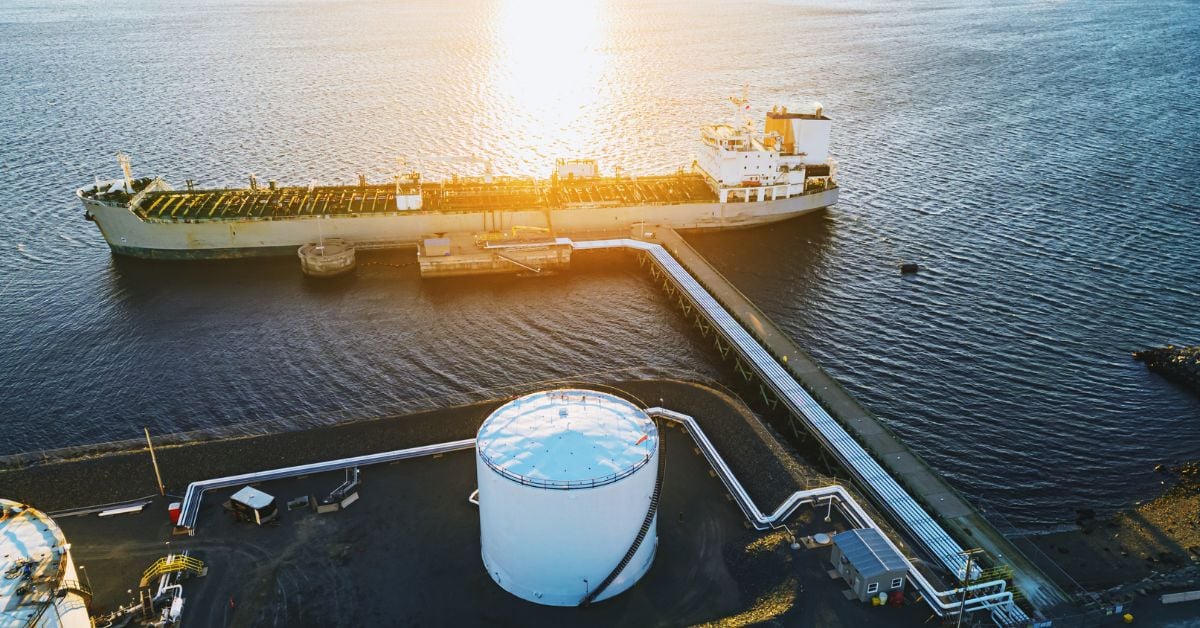
Escalating Tensions: Iran Issues Warnings to Tanker Crews in Persian Gulf
Iran's Islamic Revolutionary Guard Corps Navy has warned tanker crews near Kuwaiti and Bahraini ports to abandon their vessels. This escalation injects measurable risk into an already volatile Persian Gulf. Regional maritime stability is not a theoretical concern, it is a climate indicator of geopolitical friction. For deeper context on how such tensions intersect with energy routes, see our related coverage on "Phased Negotiations Aim to Ease Restrictions on Strait of Hormuz." Understanding these pressures is essential for calibrating both security and environmental responses.
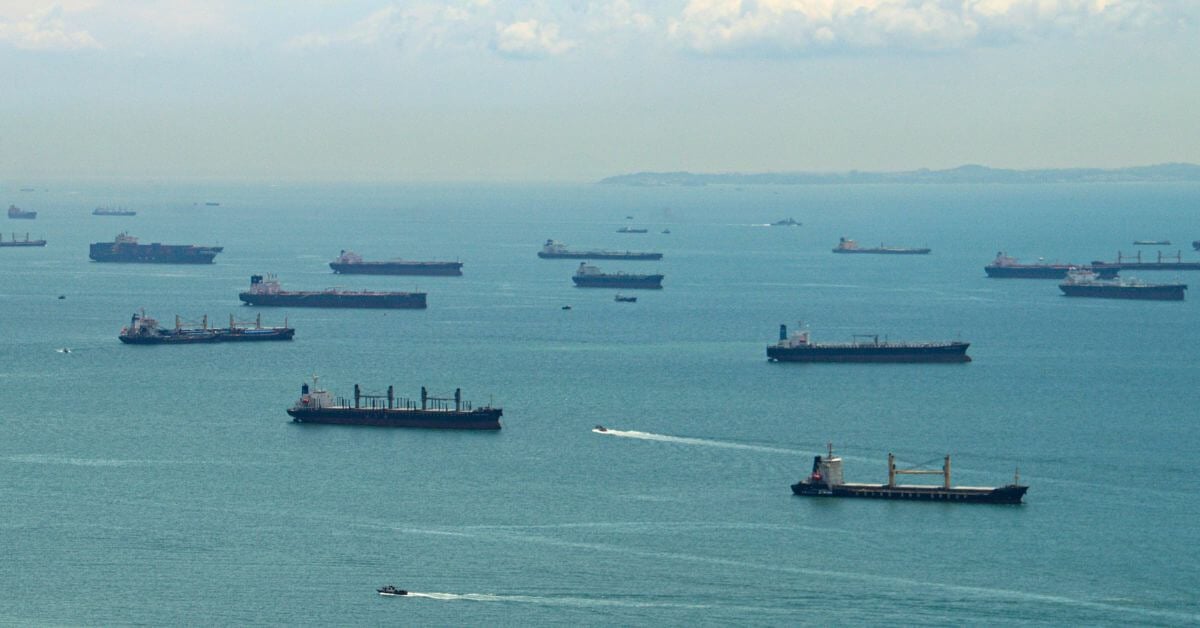
Escalation in Strait of Hormuz: Maritime Traffic Disrupted by Reported Attacks
Reports of multiple merchant vessels struck in the northern Gulf and Gulf of Oman signal a dangerous escalation in the Strait of Hormuz. Maritime traffic is now disrupted, and the immediate consequences for global energy flows are measurable. This is not a moment for alarmist speculation, but for empirical observation. For deeper analysis on regional capacity pressures, readers may consult our related report on Gulf of Oman STS transfers maxing out amid rising Saudi oil exports.

Iranian Forces Recover Advanced U.S. Unmanned Submarine in Hormuz.
Iranian forces have recovered an advanced U.S. unmanned submarine in the Strait of Hormuz, claiming the drone was added to the American fleet in 2025. The IRGC released video footage it says shows the craft. This incident unfolds against a backdrop of heightened maritime tension. For broader context on regional shipping pressures, our coverage of "Phased Negotiations Aim to Ease Restrictions on Strait of Hormuz" examines diplomatic efforts to restore navigation through this critical chokepoint.
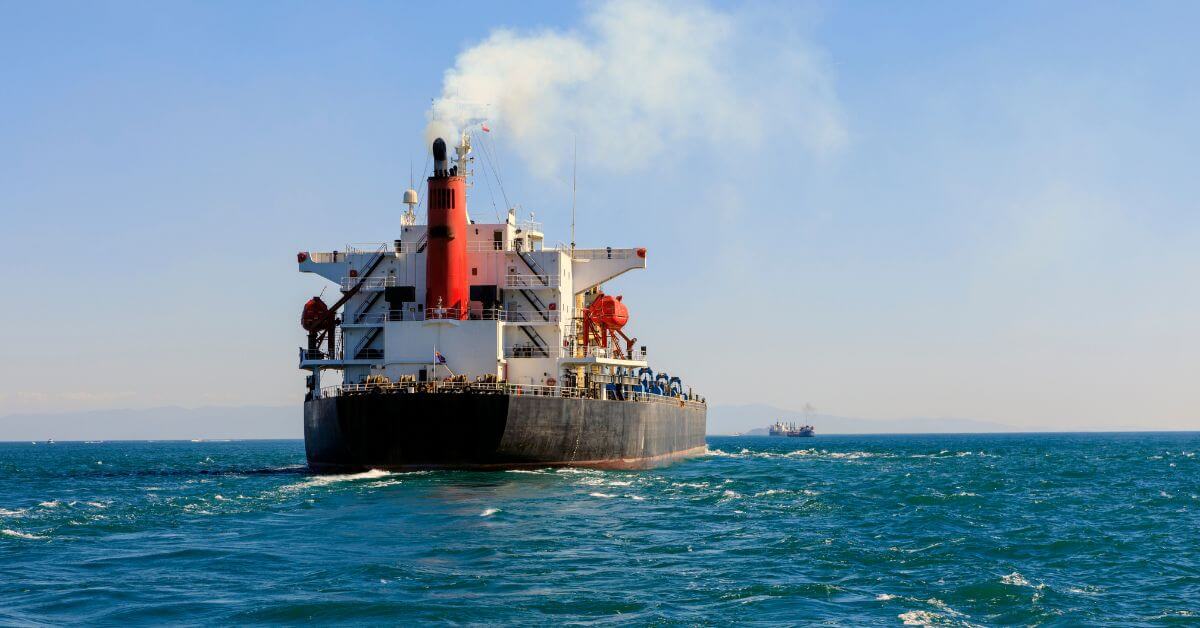
Freight Dispute Impacts Hunter’s Financial Performance, Reporting Significant Shortfalls
A six-month freight dispute has cost Hunter a measurable $19.59 million in just two months, $9.22 million in April and $10.37 million in May. These are not projected losses; they are validated shortfalls that reveal how prolonged commercial conflict directly undermines financial performance. When supply chains seize, the cost to operations becomes empirically clear. For deeper context on regional shipping pressures, see our related coverage of "Gulf of Oman STS Transfers Max Out Amid Rising Saudi Oil Exports."
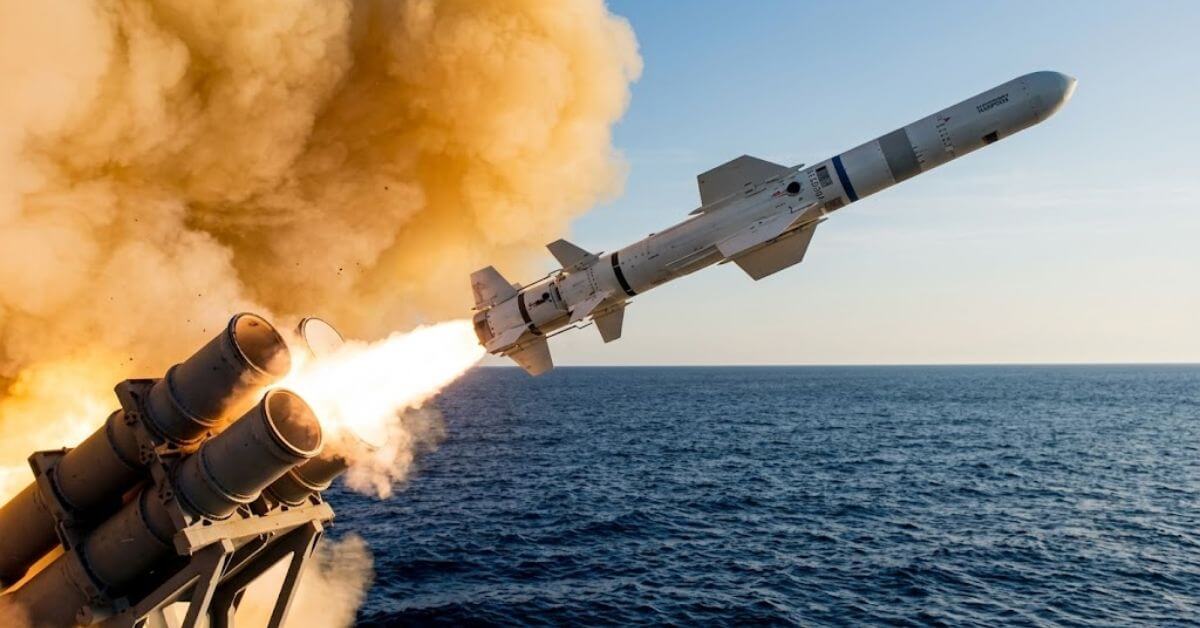
Escalation in Strait of Hormuz: Iran Tests Missile Near U.S. Navy.
Iran's IRGC announced a missile test near a U.S. aircraft carrier and destroyer in the Strait of Hormuz, a calibrated escalation that demands measured analysis. This is not alarmism; it is a real-time indicator of strategic friction in a waterway that carries a fifth of global oil. Such actions validate the urgency of integrated maritime monitoring. For deeper context on regional oil flows, see our related article on Gulf of Oman STS transfers operating at maximum capacity. Understanding drives protection.
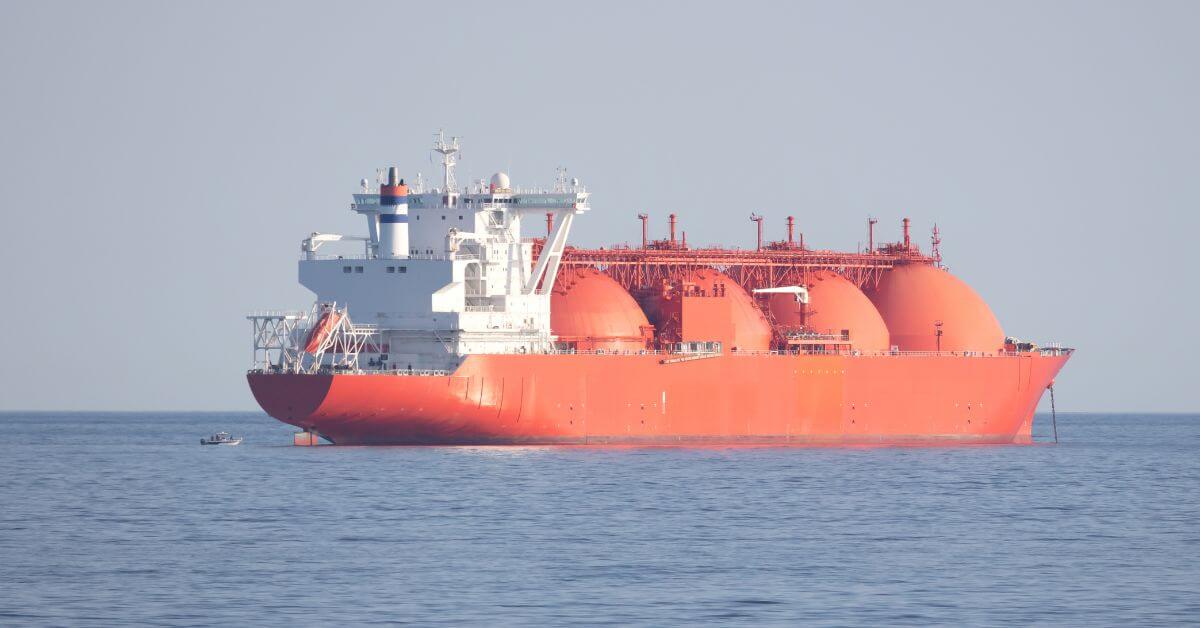
Qatar LNG Transits Strait of Hormuz, Marking a Shift in Flows
The Al Marrouna, a Qatari LNG carrier now transiting the Strait of Hormuz, signals a tangible recalibration of global energy flows. This is not just a vessel movement, it is a measured, empirical data point in a volatile corridor. We track these shifts because ocean intelligence demands precision, not alarm. For deeper context on regional capacity, see our analysis on Gulf of Oman STS transfers maxing out amid rising Saudi exports. Understanding drives protection.