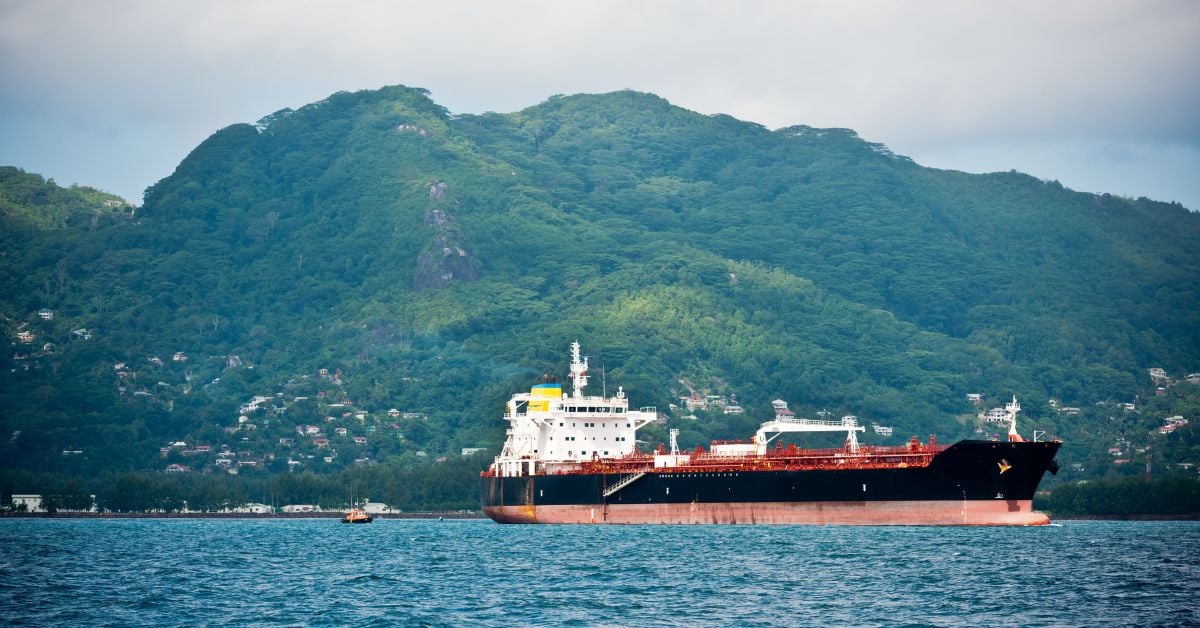
The Houthi seizure of Perim Island, a rocky outcrop commanding the Bab El-Mandeb Strait, is not merely a territorial gain for an Iran-backed militia. It is a calibrated move against one of the world's most vital maritime chokepoints. For our readers, whether you track shipping logistics, monitor regional security, or study the intersection of geopolitics and ocean commerce, this development introduces a new layer of risk into an already volatile corridor. The Bab El-Mandeb funnels roughly ten percent of global seaborne oil and a significant share of container traffic between Asia and Europe. Control of Perim Island, even if partial, gives the Houthis a perch from which to observe, harass, or disrupt vessels transiting the strait. This is not an abstract threat; it is a concrete pressure point.
This story does not exist in isolation. The same week the Perim Island news broke, our coverage documented that Gulf of Oman STS Transfers Max Out Amid Rising Saudi Oil Exports, signaling that tankers are already seeking alternative routes to move crude. Meanwhile, Phased Negotiations Aim to Ease Restrictions on Strait of Hormuz suggest diplomatic efforts to keep another chokepoint open. The pattern is clear: as pressure builds on one transit route, vessels and cargo shift to others, creating cascading bottlenecks. The Houthi consolidation on Perim Island directly threatens the southern entrance to the Red Sea, the very route that serves as the alternative for oil and goods that cannot pass through Hormuz. It also raises the stakes for the recent Puntland Forces Intercept Hijacked, US-Sanctioned Oil Tanker After 48 Hours, a reminder that piracy and state-backed disruption are converging in this region.
Our take is straightforward: the ocean intelligence community must treat this as a measurable shift in the risk profile of the Bab El-Mandeb, not a temporary headline. The Houthis have demonstrated an ability to strike vessels with anti-ship missiles and drones from Yemen's coastline. A fortified position on Perim Island, just a few kilometers from the shipping lane, reduces their reaction time and expands their coverage. For shipping companies, insurers, and navies, this means recalibrating threat assessments, reviewing transit protocols, and potentially rerouting vessels through the longer Cape of Good Hope route, a decision that carries its own costs in fuel, time, and emissions. For researchers and policymakers, it underscores the need for integrated data ecosystems that can track these real-time disruptions and model their impact on global supply chains and climate indicators like fuel consumption.
The one concrete takeaway a reader should hold is this: the Houthi control of Perim Island transforms a latent threat into a persistent operational hazard, and the maritime industry should expect at least one significant incident, a near-miss, a strike, or a hijacking, within the next six months that tests the response protocols of the Combined Maritime Forces. Watch for the first insurance premium hike specifically tied to this island. That number will be the true measure of how seriously the market takes the new reality.