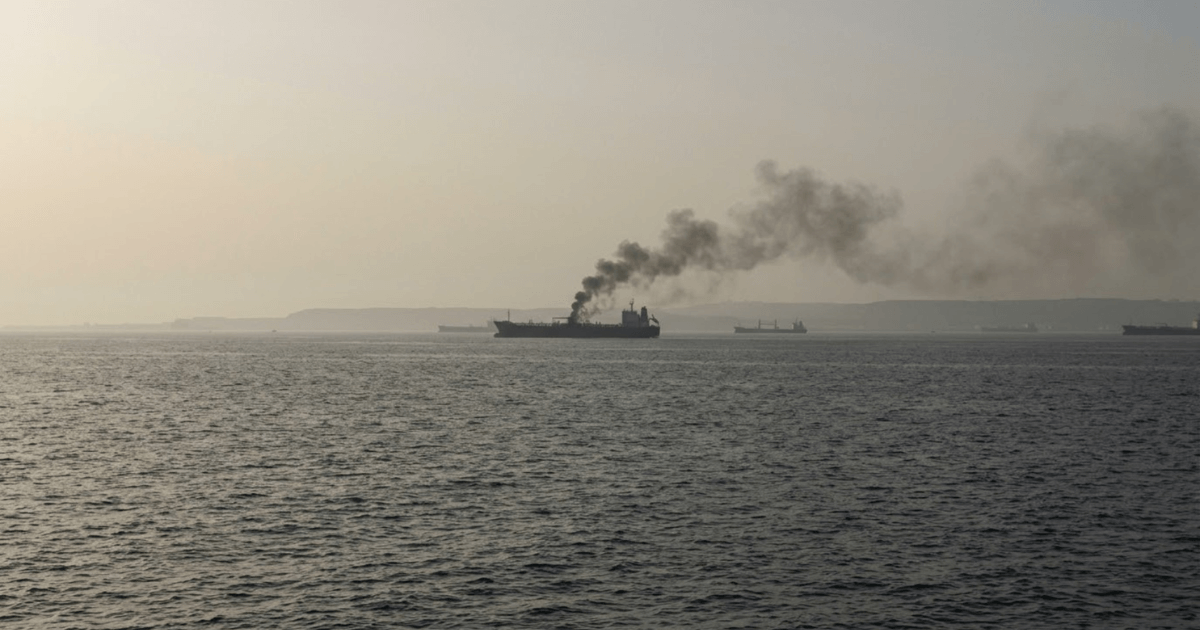
The recent incident involving a commercial vessel struck near Qeshm Island in the Strait of Hormuz, resulting in the tragic loss of a seafarer’s life, underscores a rapidly escalating tension in a critical maritime chokepoint. This event, occurring as Iran prepares to brief regional powers on shipping control, is not an isolated occurrence but rather the latest manifestation of a complex geopolitical landscape characterized by escalating proxy conflicts and increasingly assertive maritime postures. The Strait of Hormuz, a vital artery for global oil transport, has long been a flashpoint, and this strike serves as a stark reminder of the vulnerability of commercial shipping to regional instability. The ongoing situation necessitates a calibrated assessment of risk, particularly given recent events such as [Saudi Arabia Shuts Key Oil Pipeline Used To Bypass Strait Of Hormuz After Drone Attack], which demonstrates the interconnectedness of regional infrastructure and the potential for cascading disruptions. Further complicating the picture is Iran’s reported capture of a U.S. Navy submarine, as detailed in [Iran Claims It Captured U.S. Navy Submarine Near Hormuz That Can Autonomously Conduct Missions For 10 Days], highlighting the development and deployment of increasingly sophisticated maritime technologies by regional actors.
The implications of this incident extend far beyond the immediate loss of life and potential disruption to shipping lanes. The Strait’s strategic importance – facilitating roughly a third of the world’s seaborne oil trade – makes it a key target in regional power struggles. The lack of clarity surrounding the attack – the "unidentified strike" designation – leaves room for speculation and potential escalation. While Iran’s stated intention to brief regional powers on shipping control might be presented as a measure to enhance security, it simultaneously carries the risk of further asserting dominance and potentially restricting freedom of navigation. The incident also draws attention to the broader issue of maritime security in the Persian Gulf, an area increasingly affected by asymmetric threats, including drone attacks and suspected smuggling operations, as evidenced by [Indian Coast Guard Intercepts Vessel Suspected Of Oil Smuggling Off Mumbai]. The incident raises critical questions about the effectiveness of current maritime security protocols and the need for enhanced international cooperation to safeguard commercial vessels and ensure the free flow of trade.
From an ocean intelligence perspective, this event highlights the critical need for real-time, validated data regarding maritime activity in high-risk zones. Longitudinal monitoring of vessel traffic, coupled with empirical analysis of geopolitical indicators, is essential for anticipating and mitigating potential threats. The integrated data ecosystem required to achieve this demands sophisticated sensor networks, including satellite-based observation and underwater acoustic monitoring, calibrated to provide actionable insights for maritime authorities and commercial operators. The increasing sophistication of autonomous systems, both offensive and defensive, further complicates the security landscape, demanding a proactive approach to threat assessment and mitigation. The reliance on peer-reviewed data and rigorous analysis is paramount to avoid misinterpretations and ensure informed decision-making in a volatile environment.
Looking ahead, the crucial question is whether this incident will trigger a broader escalation of tensions or lead to renewed diplomatic efforts to de-escalate the situation. The potential for miscalculation is significant, and the impact on global energy markets and maritime trade could be substantial. Continued monitoring of maritime activity, coupled with a deeper understanding of the underlying geopolitical dynamics, will be vital for assessing the evolving risks and ensuring the safety and security of the world’s oceans. The long-term implications for international maritime law and the balance of power in the Persian Gulf remain to be seen, but the need for a data-driven, collaborative approach to maritime security has never been more apparent.