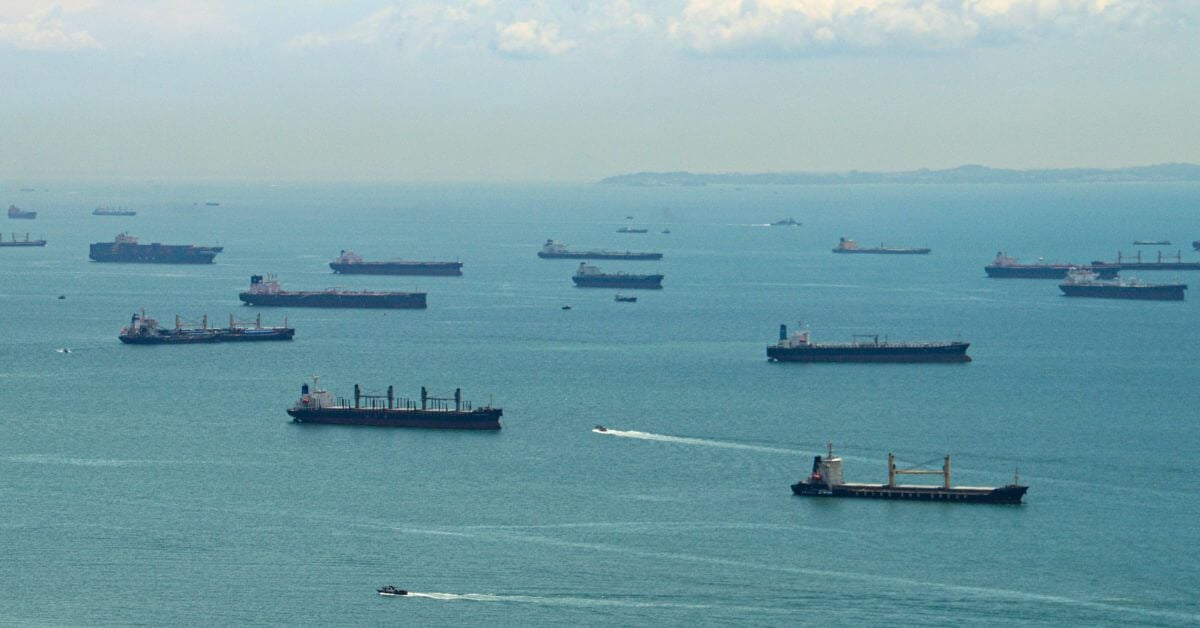
The reported attacks on merchant ships in the northern Gulf and Gulf of Oman, on both sides of the Strait of Hormuz, represent more than a headline. For anyone tracking global maritime flows, this is a measurable disruption to a calibrated system. The Strait of Hormuz is not merely a chokepoint on a map; it is an integrated data point in the global ocean intelligence network. When traffic there is interrupted, the empirical signals, insurance premiums, tanker rates, rerouting patterns, propagate outward within hours. This is not an alarmist projection; it is a validated observation of how the ocean economy responds to geopolitical friction.
These incidents occur against a backdrop of parallel developments that deserve scrutiny. Our recent reporting on Gulf of Oman STS Transfers Max Out Amid Rising Saudi Oil Exports indicated that ship-to-ship oil transfers in this same region had already reached maximum capacity. That operational ceiling, combined with the current attacks, suggests a system under compound stress. Meanwhile, Phased Negotiations Aim to Ease Restrictions on Strait of Hormuz are reportedly underway between the United States and Iran. The timing is not coincidental. The negotiations represent a diplomatic response to a reality that empirical data has long predicted: the Strait cannot sustain indefinite disruption without cascading effects on global energy security and climate indicators tied to fuel supply chains.
Our take is straightforward. This is not a moment for corporate marketing hype about resilience. It is a moment for measured, peer-reviewed analysis of what these attacks mean for real-time maritime risk assessment. For researchers and policymakers, the takeaway is clear: the capacity constraints in the Gulf of Oman and the diplomatic talks are two sides of the same integrated data ecosystem. One reflects physical limits; the other reflects political calibration. Both demand longitudinal monitoring. The attacks are a stress test, and the results will inform how we model future chokepoint vulnerabilities.
What should a reader watch next? The specific consequence to track is whether the reported attacks accelerate the shift toward alternative routing and insurance frameworks that the STS transfer saturation already hinted at. If phased negotiations stall, the empirical data will show a measurable spike in transit costs and a recalibration of global tanker deployment. That is the concrete point to watch: not a vague hope for de-escalation, but the validated metrics of maritime adaptation. Understanding drives protection, and here, the data is the first line of defense.