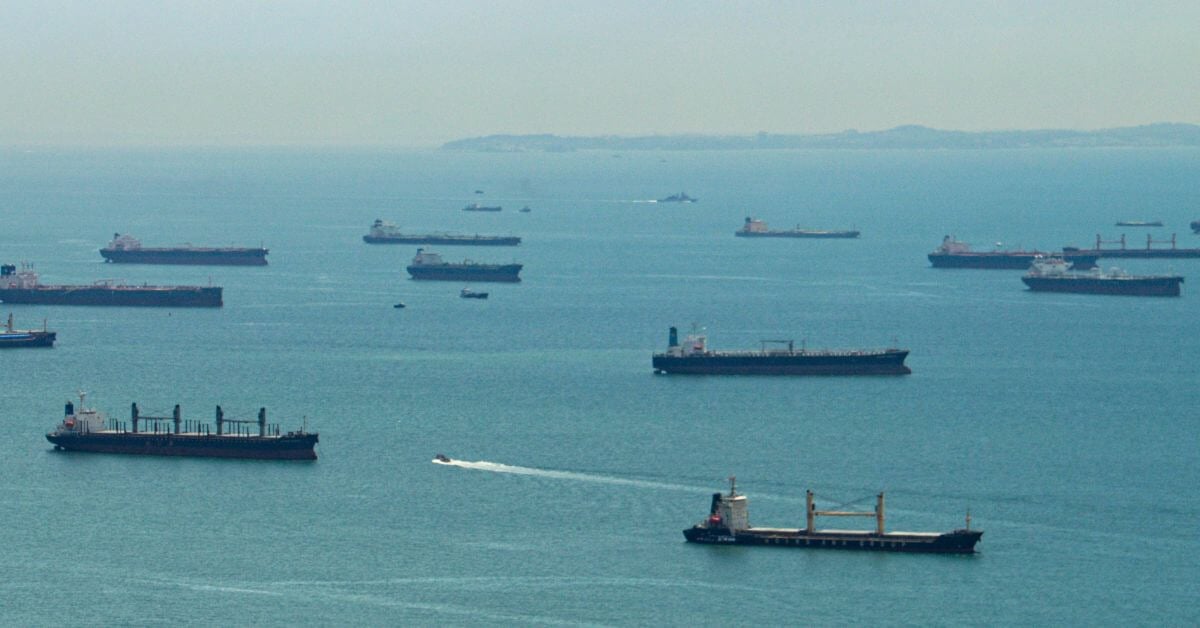
The U.S. Treasury's designation of an Iranian financier's Bitcoin network, tied to shipping tolls in the Strait of Hormuz, is a reminder that maritime commerce and digital finance are now the same battlefield. The transfers moved hundreds of millions of dollars to the Islamic Revolutionary Guard Corps, using a cryptocurrency exchange as the tollbooth for vessels passing through one of the world's most critical chokepoints. This is not an abstract regulatory footnote; it is a direct line between the price of a barrel of oil and the integrity of the payment rails that settle it.
For our readers who track the physical movement of crude, the connection is immediate. The Strait of Hormuz is not just a line on a map; it is the conduit for roughly a fifth of global oil consumption. When sanctions target the financial infrastructure around that strait, they alter the risk calculus for every tanker operator and cargo owner. This development dovetails with the pressure we are already observing in the region. As Phased Negotiations Aim to Ease Restrictions on Strait of Hormuz suggests, diplomatic channels are open, but this enforcement action shows that the U.S. is simultaneously tightening the vise on any shadowy financial workaround. Concurrently, the fact that Gulf of Oman STS Transfers Max Out Amid Rising Saudi Oil Exports are at capacity tells us that the physical market is robust, yet the financial plumbing is being squeezed. The two stories are two sides of the same coin: the oil moves, but the payment for it is now a geopolitical weapon.
Our take is straightforward: the era of treating cryptocurrency as a neutral, apolitical ledger is over. For years, proponents argued that Bitcoin was outside the reach of state control. The Zanjani case demonstrates that the opposite is true; it is traceable, and it is now a target for enforcement. This is not a failure of the technology, but rather its maturation into a regulated, if still volatile, asset class. For the shipping industry, this means that counterparty due diligence must now extend beyond the hull and into the wallet. If a charterer or a supplier is using a mixing service or an unregulated exchange, the entire cargo chain becomes exposed to sanctions risk. The practical takeaway is that compliance teams must treat digital assets with the same rigor as they do traditional letters of credit.
What we would tell a reader who asks for our honest assessment is this: do not mistake the lack of a naval skirmish for a de-escalation of economic warfare. The front line has moved to the blockchain. The specific detail to watch is whether this action forces other Iranian-linked entities to abandon public blockchains for privacy coins or state-backed alternatives, which would complicate, but not halt, tracking efforts. As the Vostok Project Launches Arctic Oil Exports Amid Geopolitical Shifts shows, sanctioned crude still finds a route to market, but the cost of moving it is now paid in the currency of evasion. The next time you see a tanker transit report, remember that the most important cargo on board might be the transaction that pays for it.