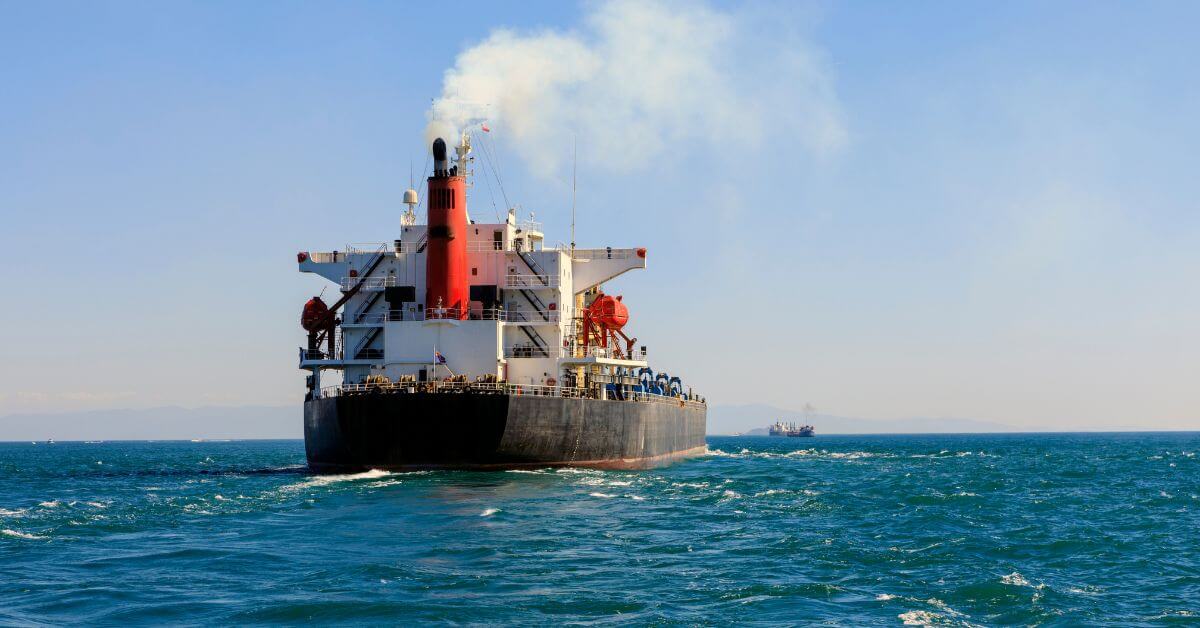
A six-month freight dispute has driven a reported shortfall of $9.22 million in April and $10.37 million in May for Hunter, an oil tanker firm that now claims it is owed $55 million by a counterparty. This is not an isolated accounting hiccup; it is a measurable signal that the financial architecture of global maritime trade is under strain. The dispute sits alongside broader chokepoint pressures, including news that Gulf of Oman STS Transfers Max Out Amid Rising Saudi Oil Exports and that Eighty Nations Urge Reopening of Vital Strait of Hormuz Shipping Lane. Together, these stories form an integrated picture: the physical capacity for moving oil is hitting ceilings, and the financial contracts governing those movements are breaking.
Our take is straightforward. The magnitude of the $55 million claim, more than five times the monthly shortfalls reported, suggests the dispute is not a minor contractual variance. It implies a fundamental disagreement over how freight rates are calibrated and validated. For an industry that depends on real-time pricing and peer-reviewed settlement mechanisms, a six-month impasse of this size erodes trust in the very data ecosystems that underpin shipping finance. Readers who track climate indicators or ocean intelligence should note that when freight disputes persist this long, they distort the empirical record of global oil flows, making it harder to measure supply-side pressures against environmental targets.
What does this mean in practical terms for our audience? For researchers and policymakers, the dispute is a concrete case study in how fragmented commercial frameworks can undermine the integrated data ecosystems needed for effective ocean governance. If a single counterparty dispute can freeze $55 million in payments, the resilience of the entire maritime financial network deserves closer scrutiny. For students and ocean enthusiasts, the lesson is that ocean health is not only about biophysical metrics; it is also about the economic systems that determine how many tankers sail, where they go, and what gets reported. The Phased Negotiations Aim to Ease Restrictions on Strait of Hormuz may reopen a physical lane, but they will not automatically repair the contractual trust that has been lost.
We would tell a reader who asked about this: watch the counterparty's next public filing. The specific detail to track is whether Hunter's shortfall widens into a third consecutive month, because that pattern would indicate the dispute is not a seasonal anomaly but a structural failure in rate validation. The ocean does not care about balance sheets, but the balance sheets determine how many ships are insured, crewed, and dispatched. Understanding drives protection, and understanding this dispute means recognizing that ocean intelligence must include financial data as rigorously as it includes salinity and temperature.