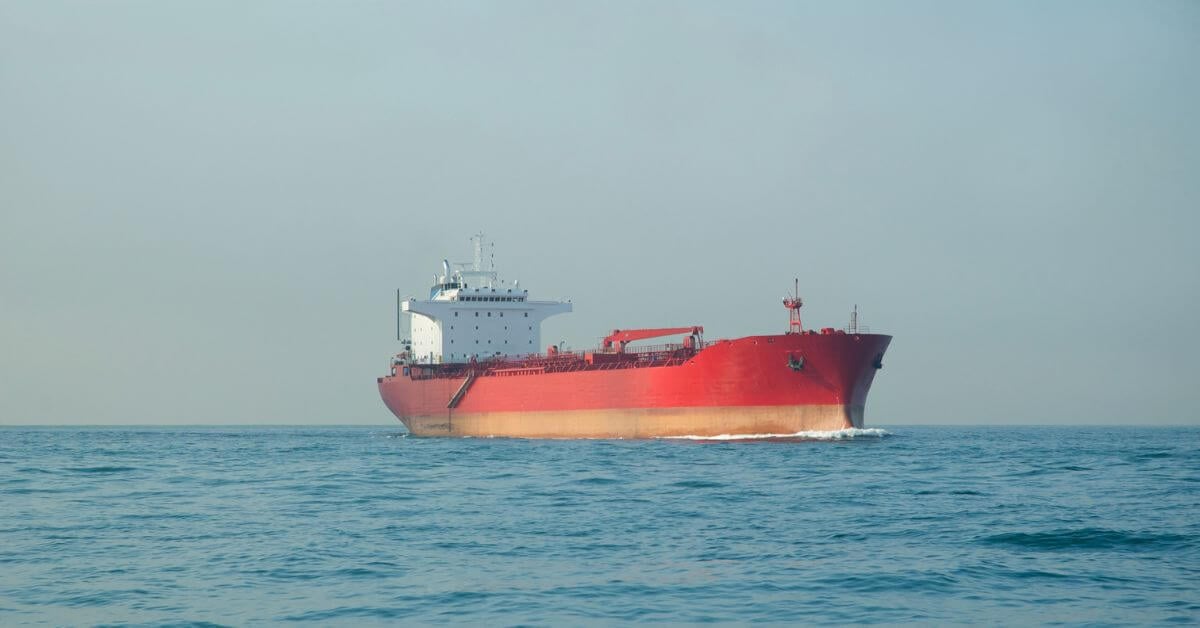
A Liberia-flagged LPG tanker carrying nine Indian seafarers was struck by a drone while sailing eastbound outside the Strait of Hormuz. The incident sits alongside a broader pattern of pressure on one of the world's most consequential maritime corridors. As Eighty Nations Urge Reopening of Vital Strait of Hormuz Shipping Lane makes clear, this is not an isolated disruption but a symptom of a system under sustained strain. The diplomatic push led by Bahrain reflects what many in the shipping community have been saying for months: the cost of closure is no longer theoretical.
What stands out here is not the weapon itself but the target. An LPG carrier is not a warship or a naval auxiliary. It is a commercial vessel moving a volatile cargo with a multinational crew. The decision to strike it, regardless of the attacker's intent, signals that no vessel type is off the table. This matters for every operator moving gas, oil, or refined products through the region. The Phased Negotiations Aim to Ease Restrictions on Strait of Hormuz may offer a path toward de-escalation, but talks do not neutralize a drone already in flight. For seafarers, the threat is immediate and personal. For shipowners, it is a risk calculation that now includes asymmetric attacks far from formal conflict zones.
The timing is telling. With Gulf of Oman STS Transfers Max Out Amid Rising Saudi Oil Exports, the region is already operating at high capacity, with ship-to-ship transfers running at their limits to keep oil moving. Any disruption, even a single strike on a single vessel, tightens an already constrained system. The practical takeaway is blunt: rerouting and insurance premiums are no longer the only variables. The human factor, the nine Indian seafarers on board, is the constant that cannot be priced into a charterparty. Their safety depends on intelligence sharing, naval escorts, and diplomatic progress that remains fragile.
What we would tell a reader who asks about this story is simple: do not wait for the next headline. If you operate in this region, verify your security protocols, review your incident response plans, and confirm that your crew have clear guidance on what to do if the unthinkable happens. The diplomatic track is welcome, but it is not a shield. Watch whether the negotiations produce tangible security guarantees before any vessel transits the strait with confidence. The next incident may not be a warning shot; it may be the one that closes the lane entirely. That is the measure by which this story should be judged, not by the damage done, but by what it reveals about the fragility of the status quo.