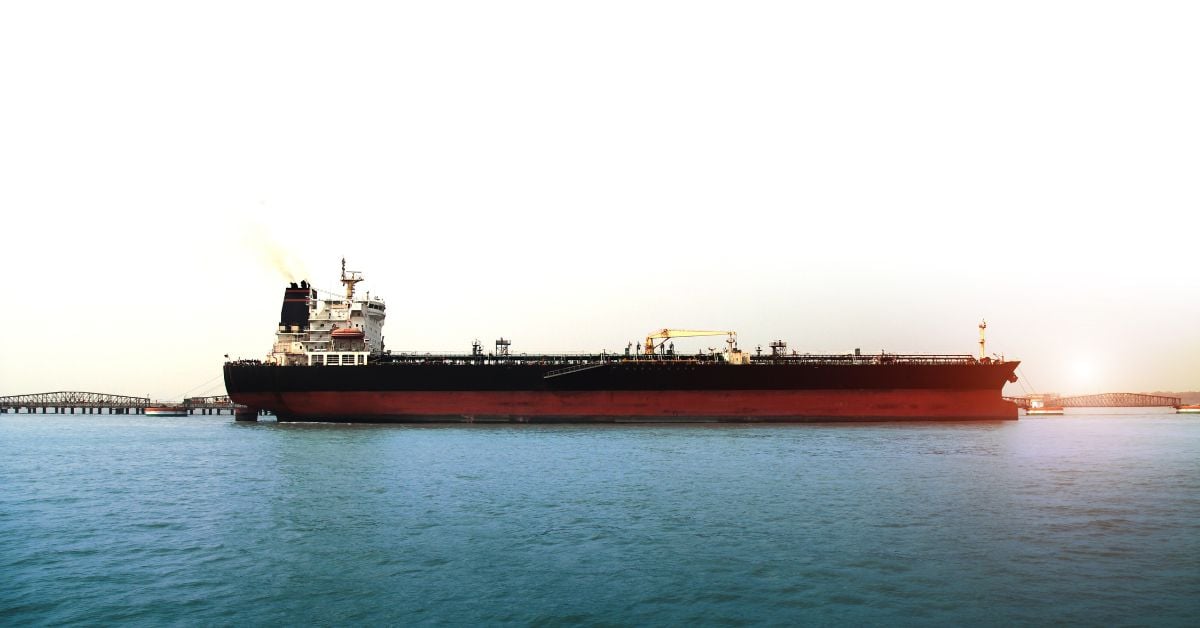
The Strait of Hormuz is not a headline generator; it is a fact of maritime life, and the latest report from the United Kingdom Maritime Trade Operations (UKMTO) is a reminder that the margin for error there is measured in minutes, not miles. The confirmation of a separate incident involving a vessel, following reports of an oil tanker being struck and detained over claims of illegal passage, points to a reality that shippers and insurers already know: the waterway is operating under a persistent, low-grade state of alert. This is not about alarmism; it is about calibration. The Gulf of Oman STS Transfers Max Out Amid Rising Saudi Oil Exports tells us that the region's capacity for moving crude is already stretched to its limits. When transfer hubs are at max and the choke point they feed is subject to conflicting operational reports, the risk calculus changes for every stakeholder in the supply chain.
What stands out here is the gap between the event and the interpretation of it. Iran's framing of the detention as a response to illegal passage is a legal claim, but the UKMTO's separate incident report is a practical one. Neither side is presenting a full picture, and in the absence of a single, authoritative narrative, the market and the military must default to caution. This is where the reader should focus. The practical takeaway is not whether the vessel was detained or why, but that the Phased Negotiations Aim to Ease Restrictions on Strait of Hormuz are happening against a backdrop of active, visible friction. You do not negotiate a phased reopening of a waterway while simultaneously clarifying a detention incident unless you are managing a crisis that is more complex than a single transit. For those of us tracking the data, this is a signal that the diplomatic track is real, but it is running on a parallel course with a very kinetic reality.
The comparison to the recent hijacking off the Somali coast is instructive. In that case, Puntland Forces Intercept Hijacked, US-Sanctioned Oil Tanker After 48 Hours, the response was a discrete, time-bound operation. Here, in the Strait, there is no clean resolution timeline. The incident is embedded in a web of sanctions, insurance claims, and diplomatic posturing. We would tell a reader to watch how the UKMTO words its next advisory. The difference between a "seizure" and a "boarding" is not semantics; it is the difference between a cargo claim and a war risk premium. The data we rely on is only as good as the speed with which it is validated. The takeaway, if you need one to quote: "In the Strait of Hormuz, the absence of a confirmed narrative is itself a market signal, and the prudent operator plans for the ambiguity rather than the headline." The open question is whether the next report from the UKMTO clarifies the status of the vessel, or whether we are left with another data point in a series of unresolved incidents that define the current risk environment.