strait of hormuz
World Data Ocean keeps strait of hormuz in one place: 222 stories so far. The section currently leads with “Carrier Bush Arrives in Thailand With 4,800 Personnel After Deployment”, “Three Naval Vessels Retired After Four Decades of Measured Service”, and “Projectiles Strike Two Tankers Near Strait of Hormuz, UKMTO Reports”. A US aircraft carrier has arrived off Phuket, Thailand, carrying 4,800 personnel after a deployment. Four decades of validated service at sea, and now three naval vessels are retiring together. A Global Hub for Ocean Intelligence 4 World Data Ocean is a centralized digital platform where researchers, scientists, and ocean enthusiasts converge to… The list below is every strait of hormuz story on World Data Ocean, newest first.
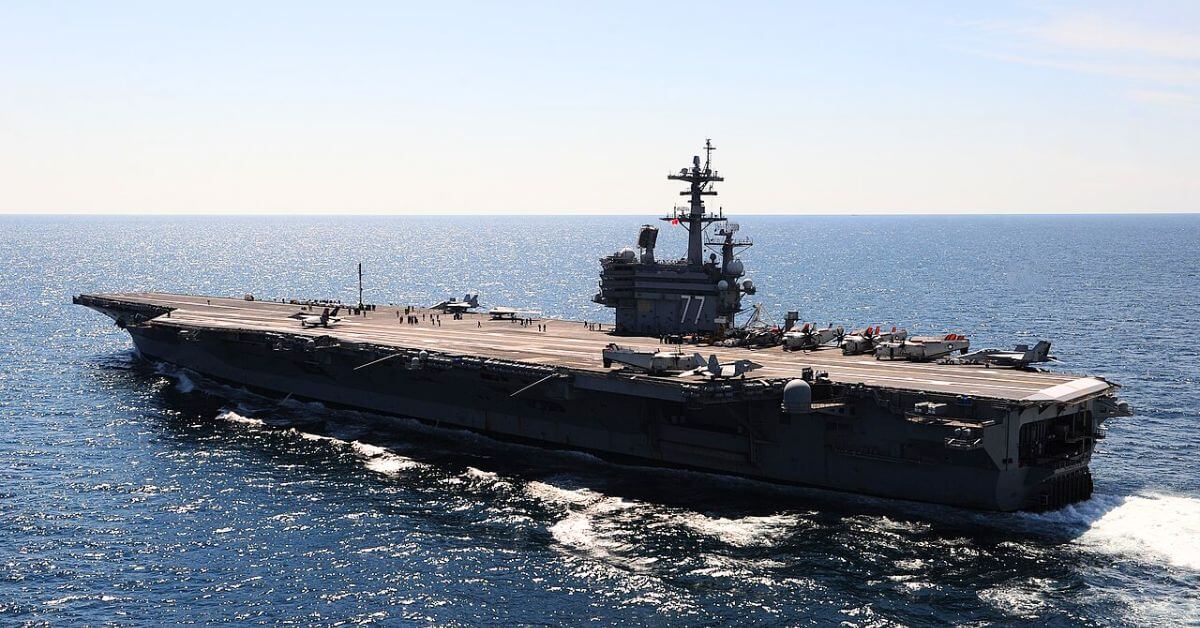
Carrier Bush Arrives in Thailand With 4,800 Personnel After Deployment
A US aircraft carrier has arrived off Phuket, Thailand, carrying 4,800 personnel after a deployment. The George H.W. Bush's presence underscores the calibrated nature of naval power projection in a region where energy security and measured deterrence remain pressing concerns. For deeper context on maritime strategy, see our coverage of "2 million barrels of crude move beyond the Strait of Hormuz in a calibrated shift." Understanding these movements is essential for grasping the integrated dynamics of ocean intelligence and global security.
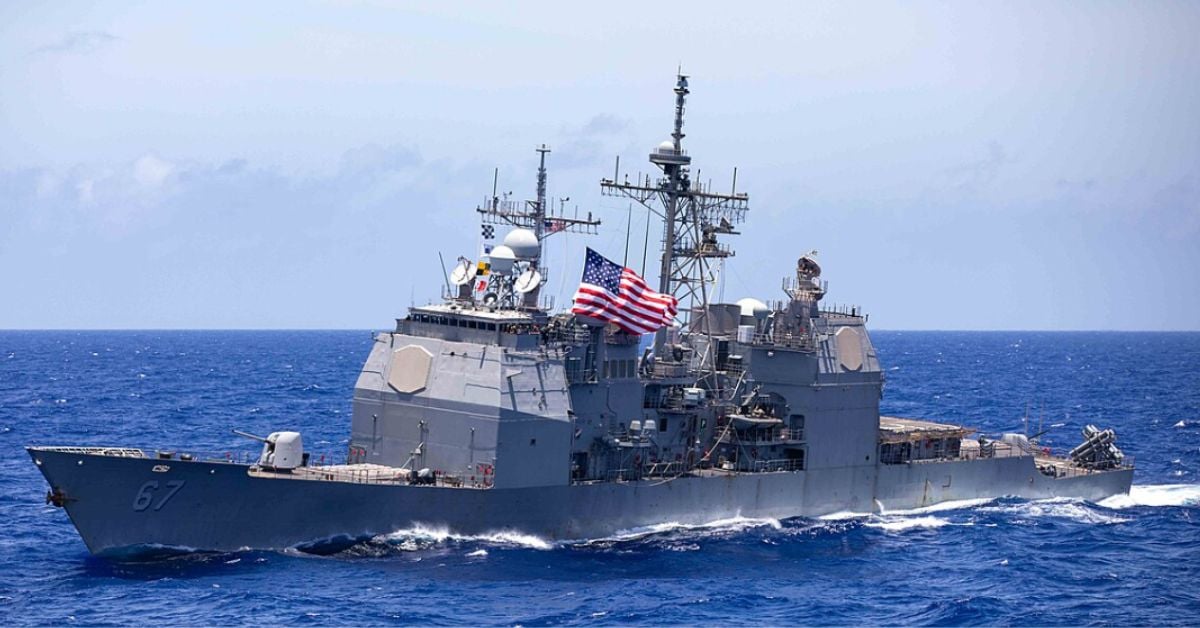
Three Naval Vessels Retired After Four Decades of Measured Service
Four decades of validated service at sea, and now three naval vessels are retiring together. USS Germantown, a Whidbey Island-class dock landing ship, was the first to leave the fleet after 40 measured years of operations. These retirements mark the end of an era for ships built to integrate sustained amphibious missions. For deeper context on USS Germantown's final ceremony, see our coverage of "Four decades of validated service: USS Germantown completes its integrated mission."
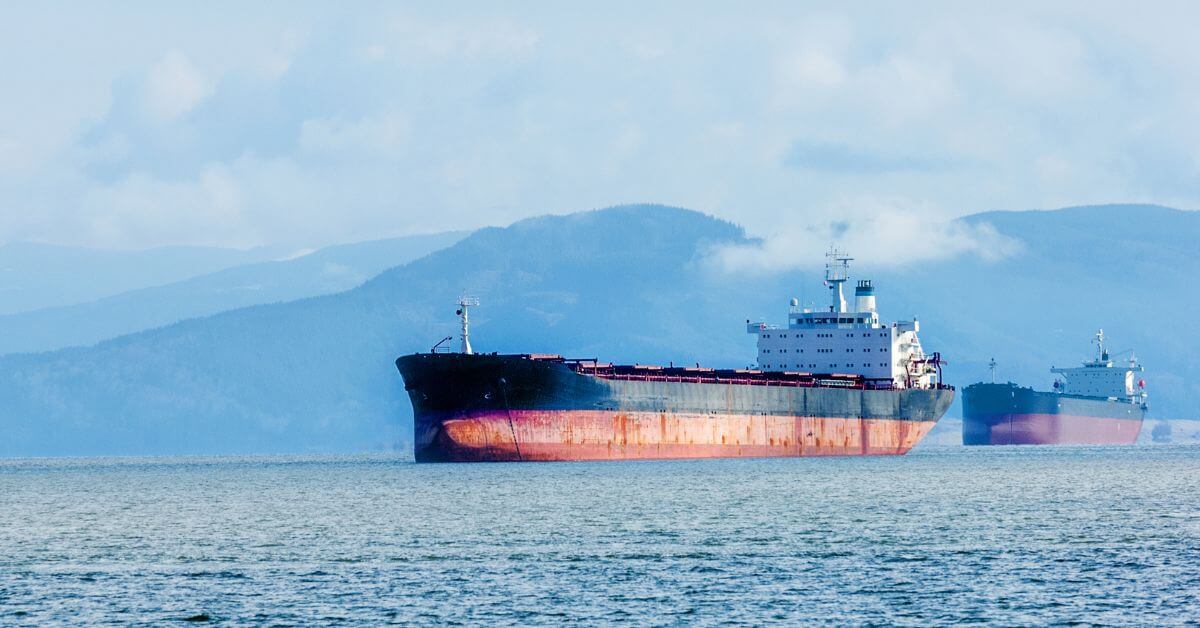
Projectiles Strike Two Tankers Near Strait of Hormuz, UKMTO Reports
Projectiles striking two tankers near the Strait of Hormuz, as reported by UKMTO, underscore the persistent volatility in this critical maritime corridor. Such direct threats to commercial vessels demand rigorous, real-time monitoring and collaborative security frameworks. The incident follows a similar disruption at Yanbu Port, where an unidentified projectile ignited a fire, highlighting a troubling pattern. Understanding these empirical threats is the first step toward developing calibrated responses that protect global shipping and ocean intelligence.
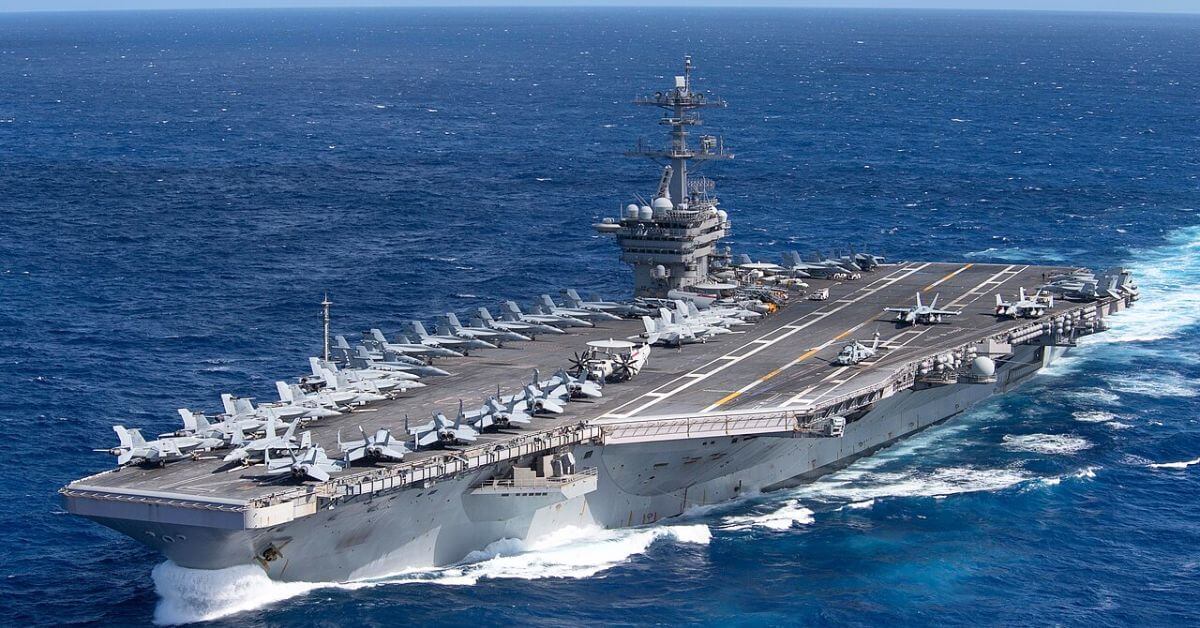
US Naval Deployments Continue as Middle East Operations Extend to Eighth Month
The USS Theodore Roosevelt carrier strike group departed San Diego on Sunday, with the USS Makin Island amphibious readiness group following a day later, extending US naval deployments in the Middle East into an eighth month. Sustained presence reflects measured, strategic commitment, not escalation theater. For context on regional risk, our coverage of projectiles striking tankers near the Strait of Hormuz underscores why such deployments remain calibrated responses to measurable threats. Operational endurance matters, but the data driving these decisions matters more.
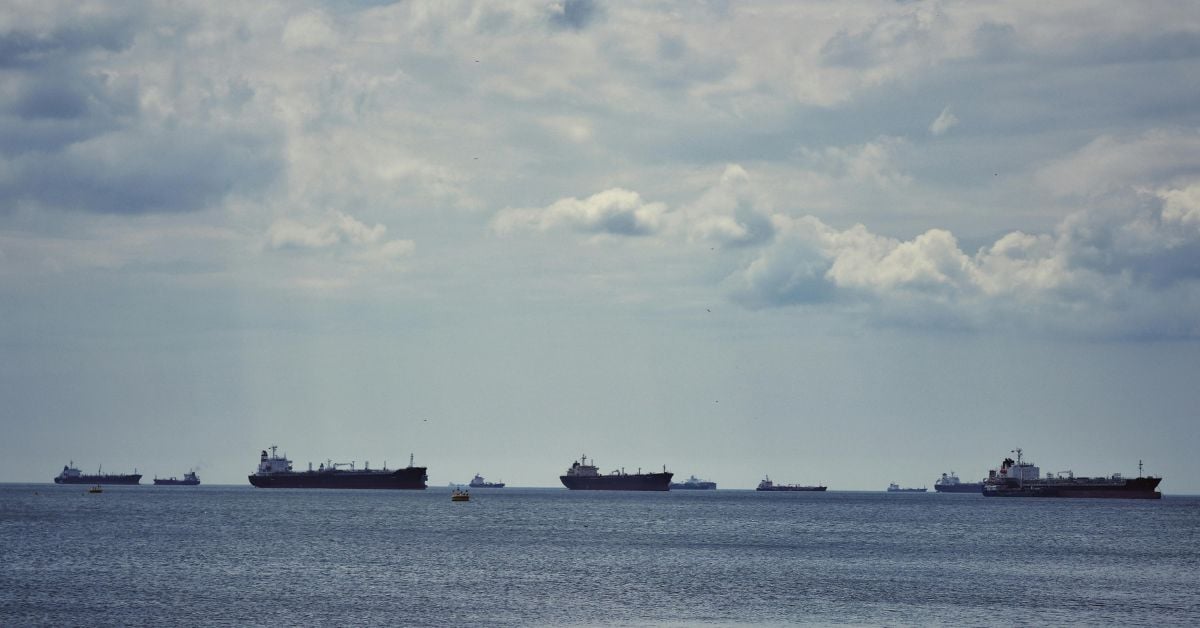
Chartering tankers through Hormuz to secure India's oil supply chains
India's refiners are chartering tankers through the Strait of Hormuz, a calculated response to rising risk in a waterway that moves a fifth of global oil. Rather than deploying their own vessels, they are shifting procurement strategy to secure supply chains with measurable precision. This is not alarm, it is calibrated adaptation. For deeper context on how these disruptions are reshaping global routes, see our related coverage of rising Red Sea crude flows.
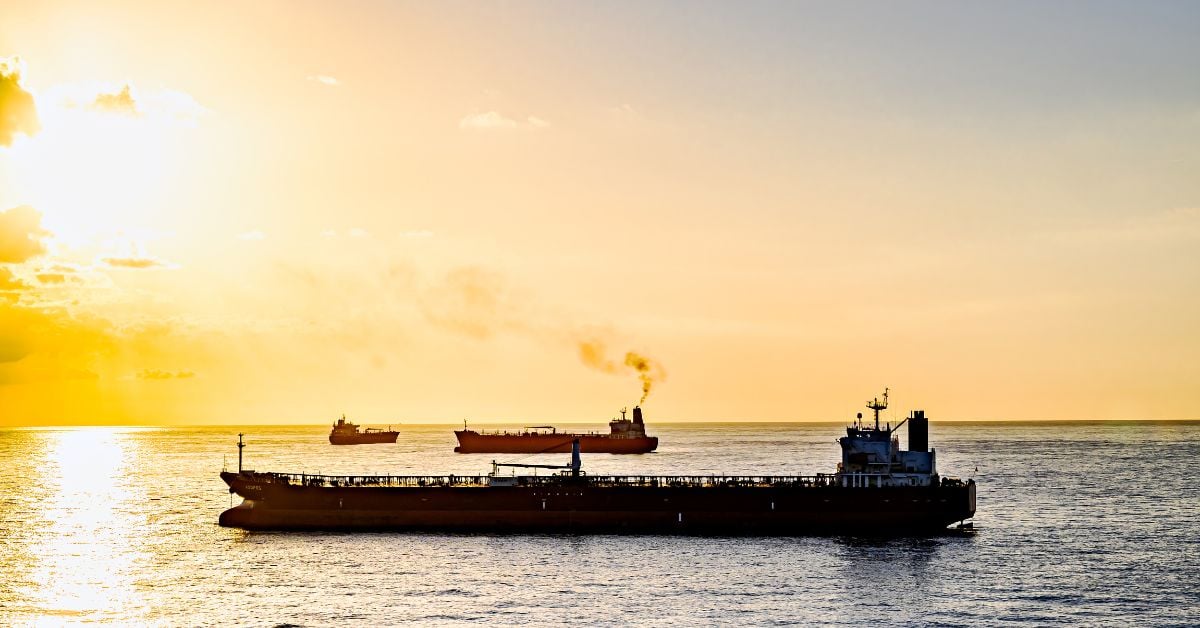
Projectiles strike crude and LNG tankers in the Strait of Hormuz
Three vessels, a crude oil tanker, an LNG tanker, and another ship, were struck by projectiles in the Strait of Hormuz, UKMTO reports. This is not a random escalation. It is a calibrated disruption to one of the world's most measured energy corridors. For those tracking ocean intelligence, the pattern is clear: these strikes test supply chains already under pressure. Our coverage of how Indian refiners are chartering tankers through Hormuz connects directly to this story's implications.
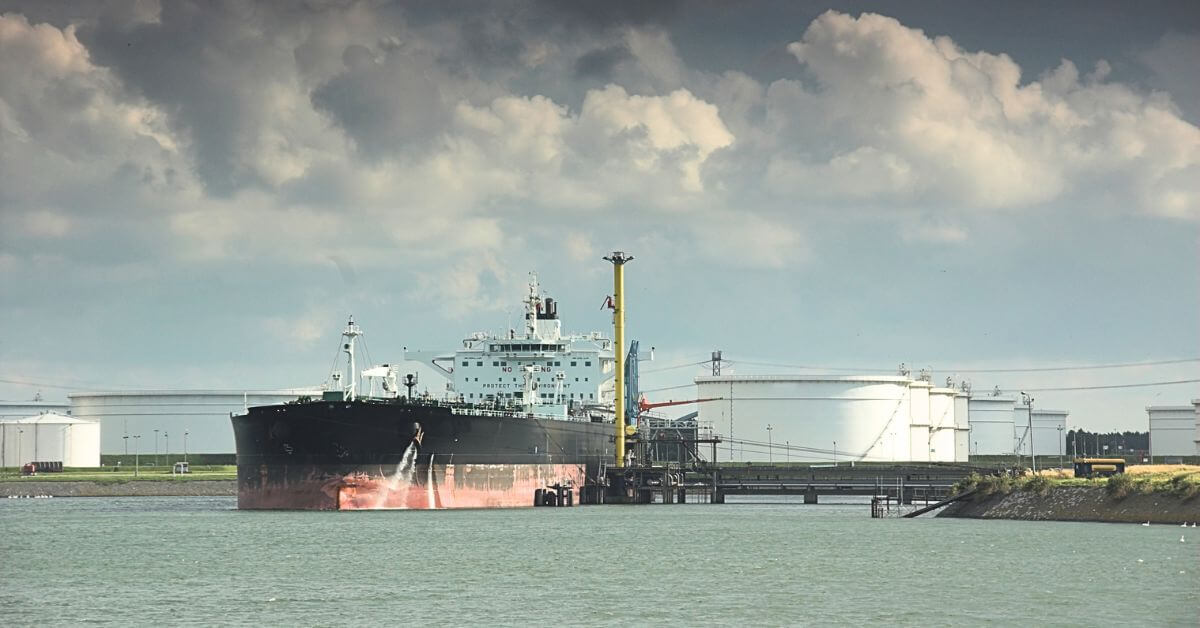
Red Sea crude flows rise as Strait of Hormuz disruptions reshape global routes
Crude loadings at Yanbu have held at roughly 2 million barrels per day since last week, according to trade estimates. This surge in Red Sea flows signals a tangible recalibration of global routes as Strait of Hormuz disruptions force new calculations. The shift is measurable and consequential for energy security. For deeper context on maritime risk, see our coverage of the vessel struck by an unknown projectile in the Strait of Hormuz. Understanding these patterns is essential, because where oil moves, ocean intelligence follows.
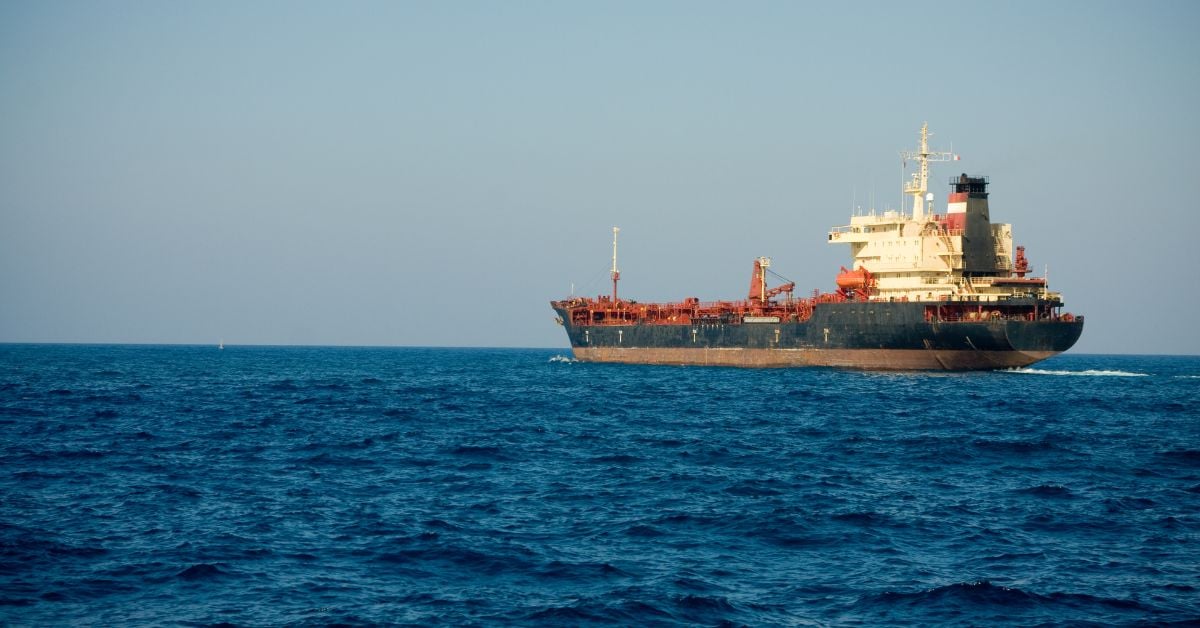
Five seafarers killed as pirates open fire on hijacked tanker during rescue
Five seafarers killed as pirates opened fire on a hijacked tanker during a rescue operation. The vessel carried 17 crew members; five were shot. Among the deceased: three from Pakistan, one from Myanmar, one from India. This is not an abstract risk, it is the human cost of failing to secure global shipping lanes. Our related coverage, "New Coalition Charts Measurable Course for Safer Global Shipping," examines one emerging framework for change. Measurable action, not rhetoric, is what these crews deserve.
Vessel Struck by Unknown Projectile in Strait of Hormuz, Fire Reported
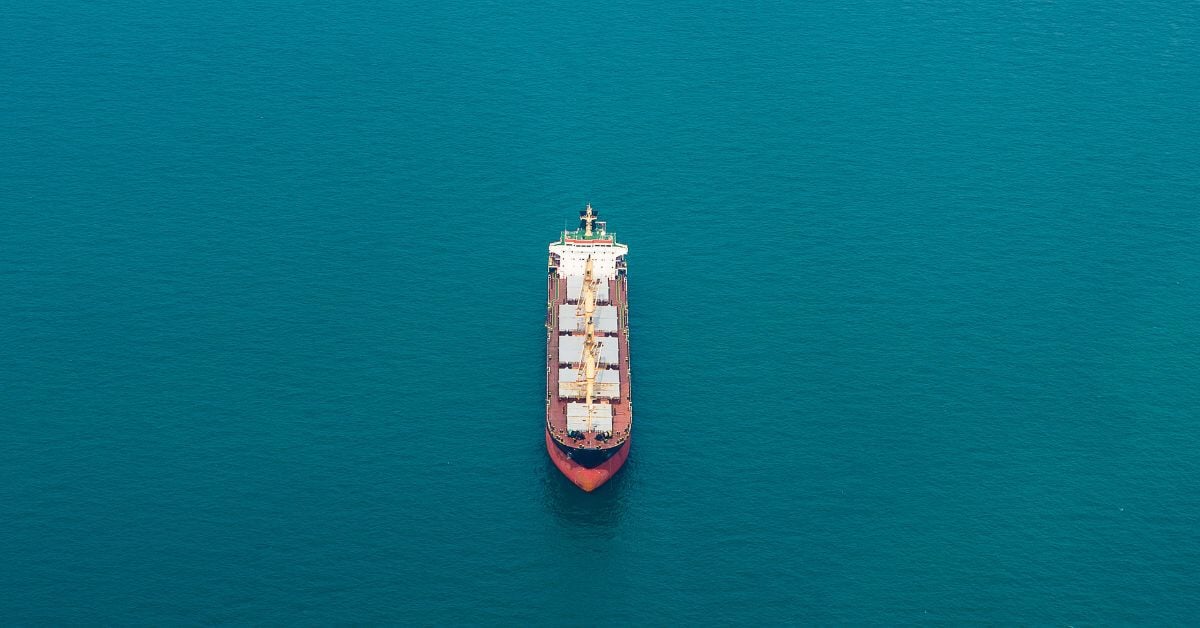
A vessel struck by an "unknown projectile" in the Strait of Hormuz on Monday evening has ignited a fire onboard, marking another dangerous incident in one of the world's most critical maritime chokepoints. We cannot afford to treat these attacks as isolated events. As we saw in the tragic *June Aster* ferry fire, where 77 lives were lost, the ocean demands rigorous safety protocols and transparent accountability.
A 300-day deployment yields calibrated data from the Pacific theater
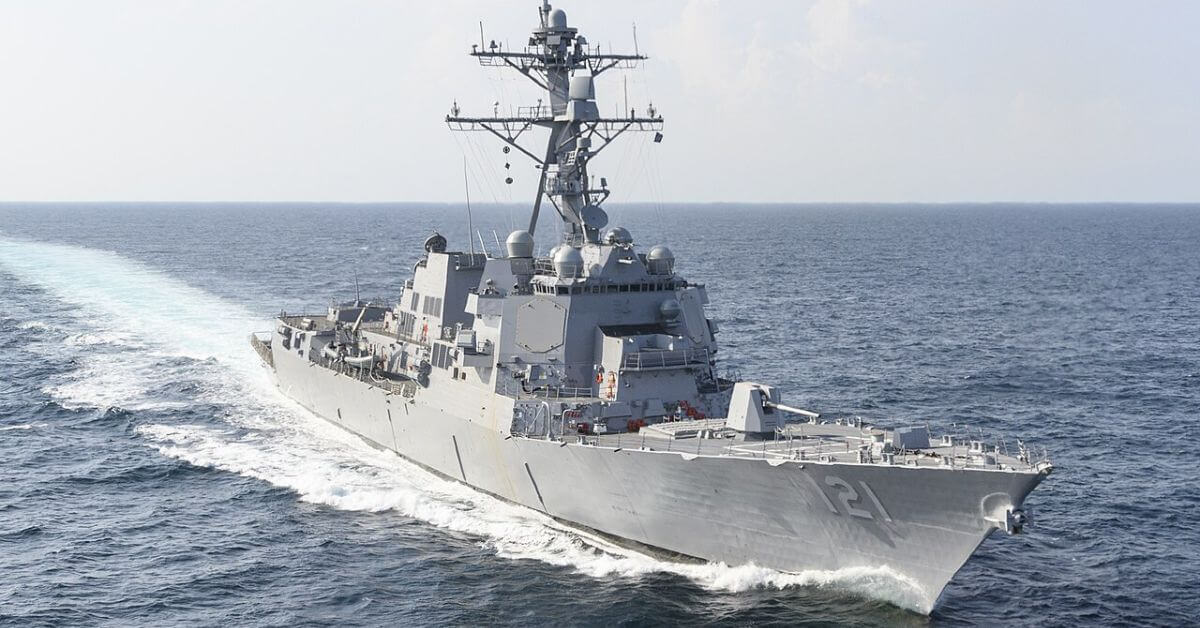
Ten months. Three hundred days of calibrated, real-time ocean intelligence from the Pacific theater. The USS Frank E. Petersen Jr. has returned to Pearl Harbor, and the data it gathered is now measurable and peer-reviewed. This is empirical evidence from a working warship, not a lab. Understanding drives protection. For deeper context on maritime security risks, see our coverage of the recent pirate attack on a hijacked tanker.
EU Urges Naval Reinforcements as Red Sea Escort Demand Escalates
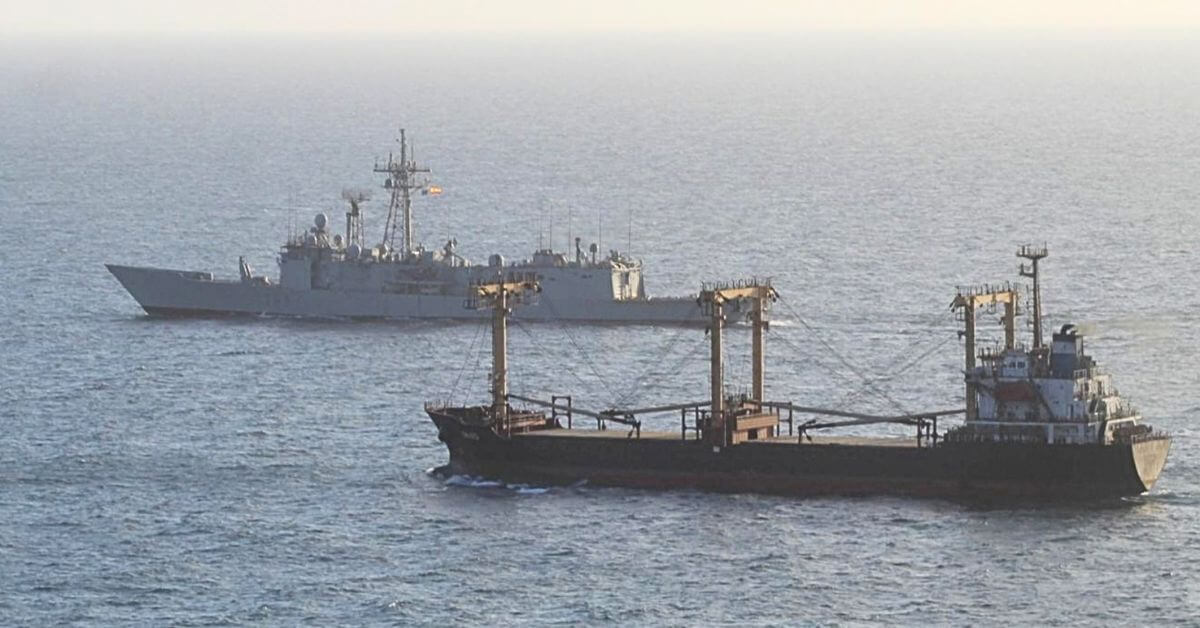
Merchant ships in the Red Sea are now queuing for naval escorts as Houthi attacks renew, and the EU's call for more warships is a measured response to a measurable threat. This is not alarmism, it is operational reality. For those tracking maritime security, our coverage of the *Gulf of Trieste cross-border SAR simulation* illustrates how validated, integrated protocols strengthen readiness. When demand escalates, calibrated action matters.
Validated Data: Eight Marines Injured in Strait of Hormuz Missile Strike
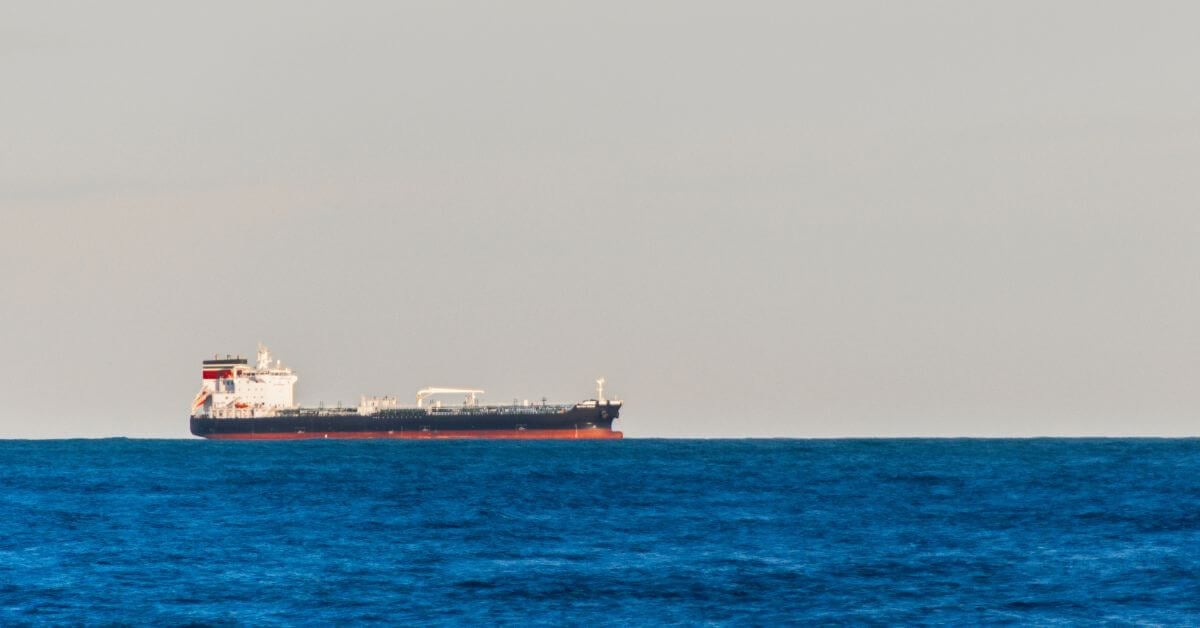
Eight US Marines were injured when an Iranian anti-ship cruise missile struck their vessel in the Strait of Hormuz. This is a measurable escalation in a waterway already under strain. Validated data from the incident underscores the human cost of strategic friction. Understanding these risks requires an integrated view of regional activity. Our coverage of the recent Gulf of Oman STS transfers offers further context on the pressures shaping this maritime corridor.
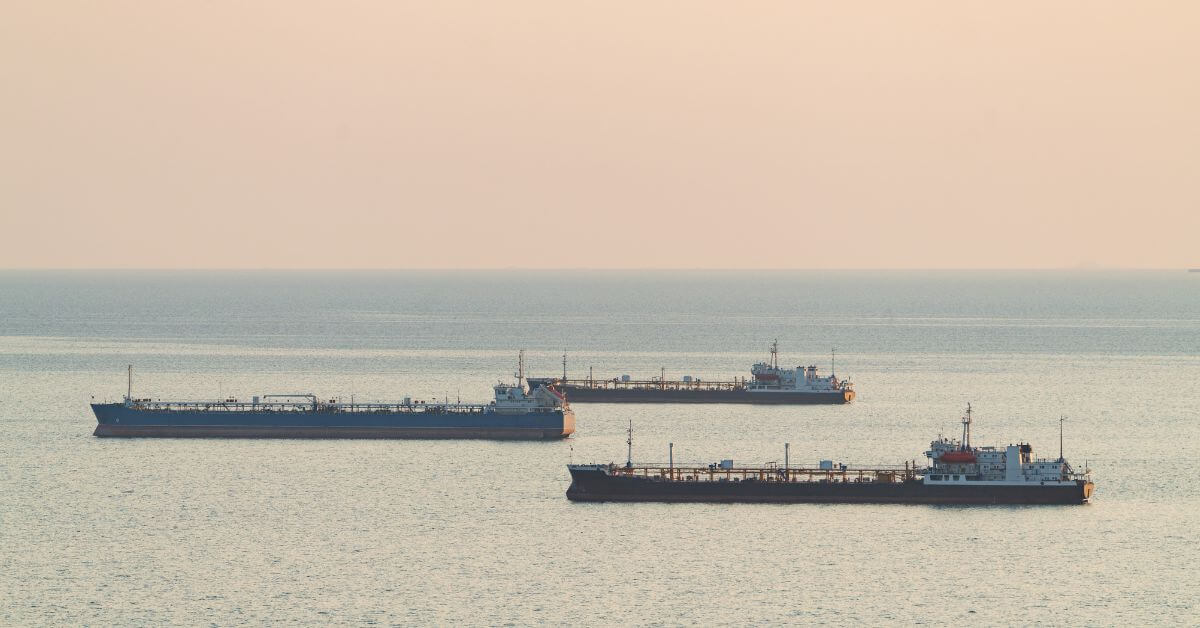
Six million barrels of Iranian crude cross Atlantic under US authority
Six million barrels of Iranian crude, valued at roughly $600 million, are now crossing the Atlantic under U.S. authority, after three tankers were seized. This is a calibrated assertion of maritime jurisdiction, not a provocation. The movement underscores how ocean intelligence and legal frameworks intersect in real-time geopolitical operations. For context on regional tensions, see our coverage of the second U.S. underwater drone reportedly seized in the Strait of Hormuz. Understanding these patterns drives protection of shared marine interests.

Second US underwater drone reported seized in Strait of Hormuz
Iran's Islamic Revolutionary Guard Corps Navy claims to have seized a second US military underwater drone in the Strait of Hormuz. This is a measurable escalation in a waterway where tensions are already calibrated to the breaking point. Validated reporting on these incidents is essential, not alarmist speculation. For broader context on maritime pressures in this region, readers may explore our related coverage of Gulf of Oman STS transfers. Understanding these events demands empirical clarity, not reaction.
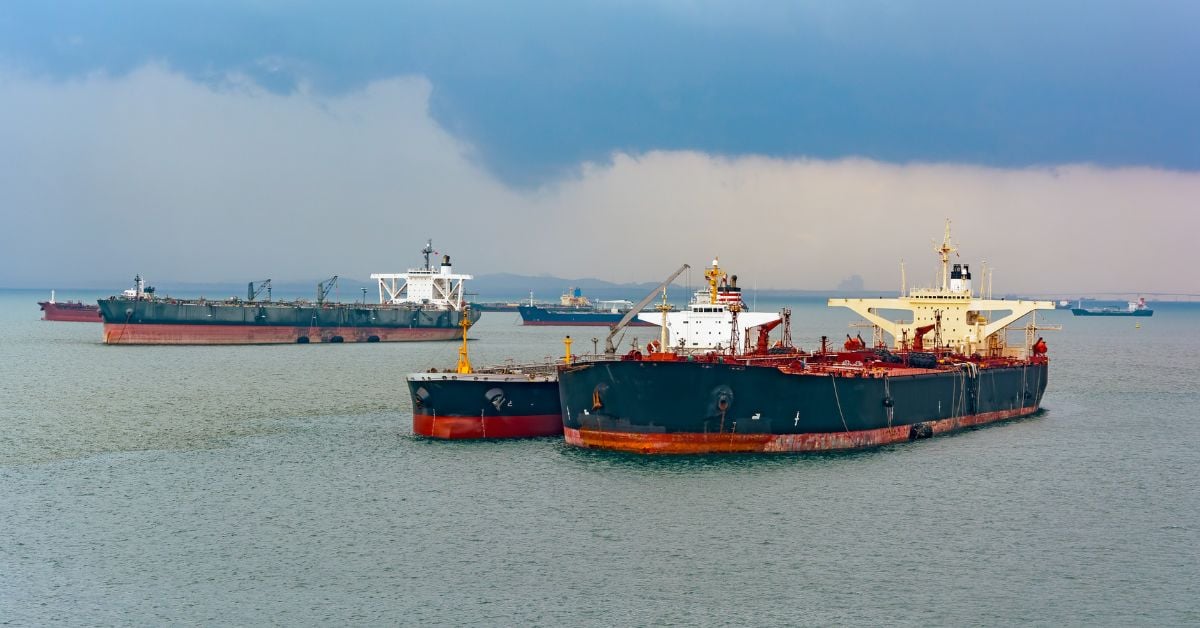
Gulf of Oman STS Transfers Max Out Amid Rising Saudi Oil Exports
Ship-to-ship transfers in the Gulf of Oman have reached maximum capacity, with traders and analysts pointing to surging Saudi crude exports as the driving force. This operational ceiling underscores how swiftly regional logistics can tighten when cargo volumes climb. The strain is a measurable signal of shifting energy flows, one that demands calibrated attention from those tracking maritime trade. For context on broader infrastructure pressures, our piece on integrated subsea systems in the Indian Ocean offers a useful parallel.
Phased Negotiations Aim to Ease Restrictions on Strait of Hormuz
The United States and Iran are now discussing a phased deal that could reopen the Strait of Hormuz and lift the US economic blockade. This is measured, incremental diplomacy, and that is precisely why it deserves attention. A full reopening would stabilize a shipping lane the entire world depends on. For readers tracking the region's momentum, our related coverage on Gulf of Oman STS transfers shows how strained the system has become. The path forward is narrow, but it is finally being walked.
Eighty Nations Urge Reopening of Vital Strait of Hormuz Shipping Lane
Eighty nations, led by Bahrain's foreign minister, have formally urged the United Nations to reopen the Strait of Hormuz, a waterway that carries nearly a fifth of global oil supply. The collective call is a measured but firm push for maritime stability, grounded in shared economic and security interests. Diplomacy, not disruption, is the clearest path forward here. For those tracking the region's momentum, our related piece on phased negotiations between Washington and Tehran offers useful context on what reopening might actually require.
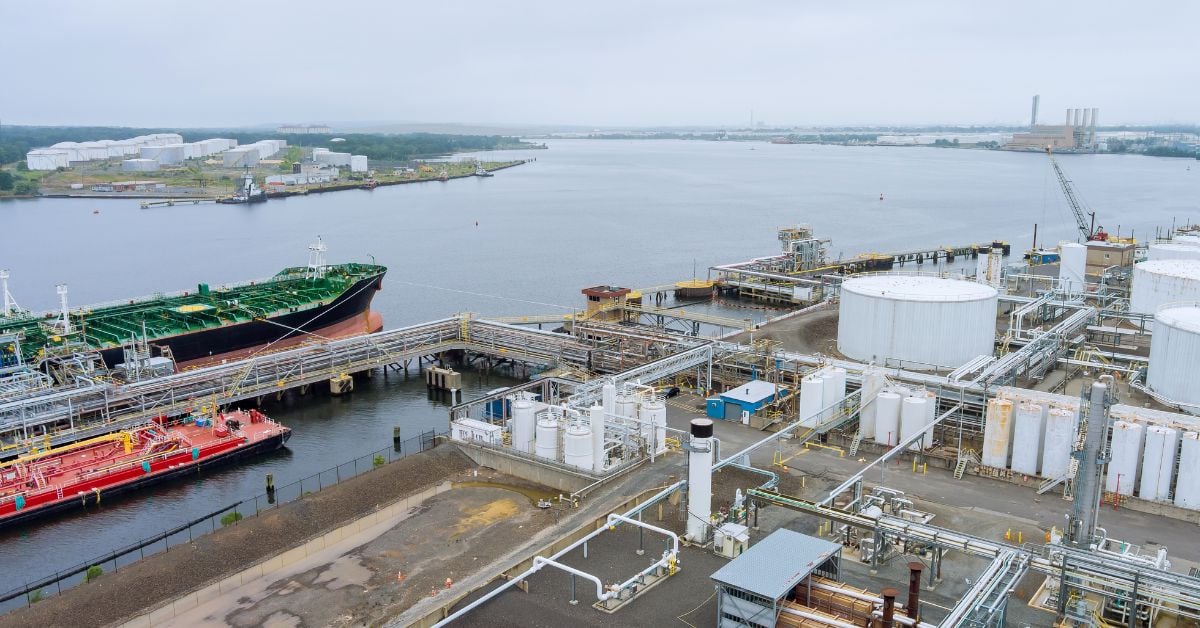
Vitol Acquires Substantial Iraqi Crude Volume Amid Price Discrepancies
Vitol's move to secure 25 to 30 million barrels of discounted Iraqi crude this month signals a sharp reading of market imbalances, and it's a calculated bet worth watching. Price discrepancies like these reward those who can move swiftly, and Vitol is leveraging its scale to lock in margin where others might hesitate. This kind of volume isn't opportunistic noise; it's a deliberate positioning play.
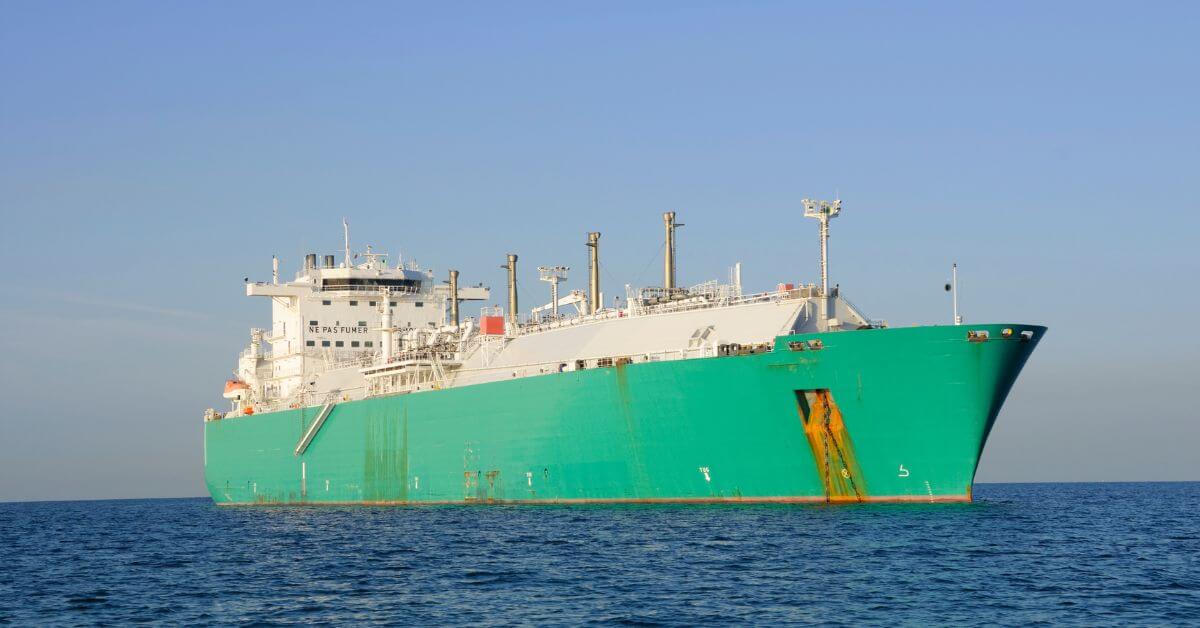
Negotiations Clear Strait of Hormuz for LNG Delivery to Pakistan
A Qatar-loaded LNG tanker has cleared the Strait of Hormuz and is now bound for Pakistan, following a negotiated arrangement with Iran. The delivery signals progress in a waterway where diplomatic friction has repeatedly threatened energy flows. For Pakistan, the cargo is more than a shipment; it is a test of whether phased talks can translate into reliable supply.
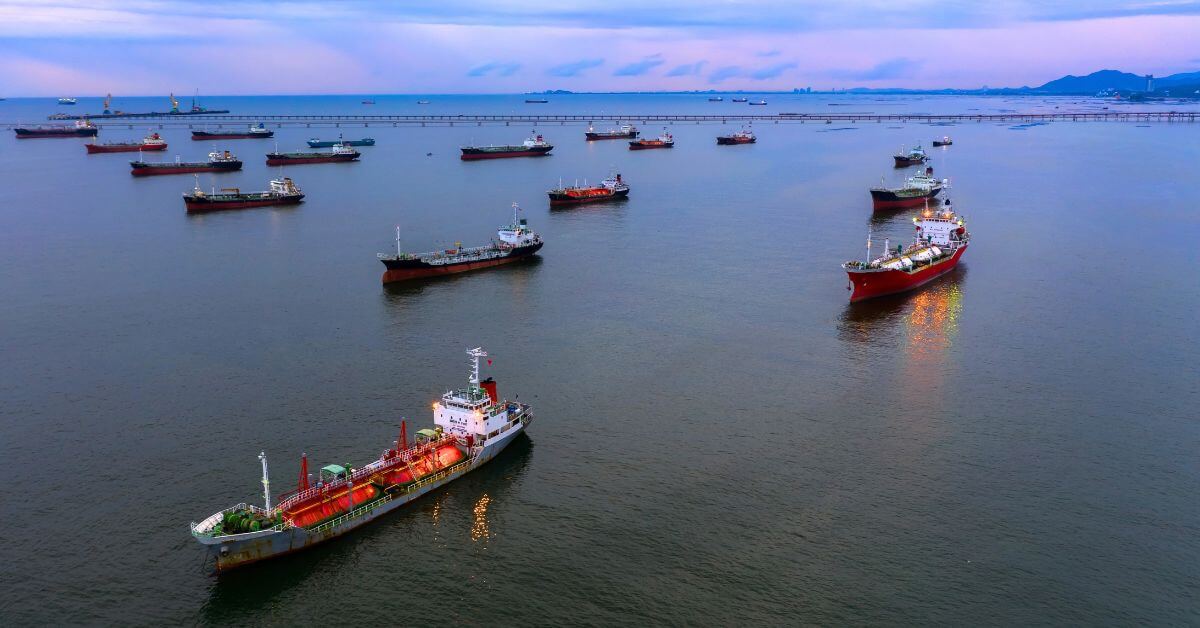
Saudi Arabia Refutes Tanker Acquisition Claims Amid Rising Shipping Costs
Saudi Arabia has denied reports it purchased 25 oil tankers for $4.5 billion, a claim Iraq linked to rising costs for shipping its crude. The denial carries weight in a region where maritime logistics already face intense pressure. With ship-to-ship transfers in the Gulf of Oman reportedly at full capacity, the stakes for transparent energy trade have rarely been higher. Measured communication matters here; the market is watching, and clarity supports stability.
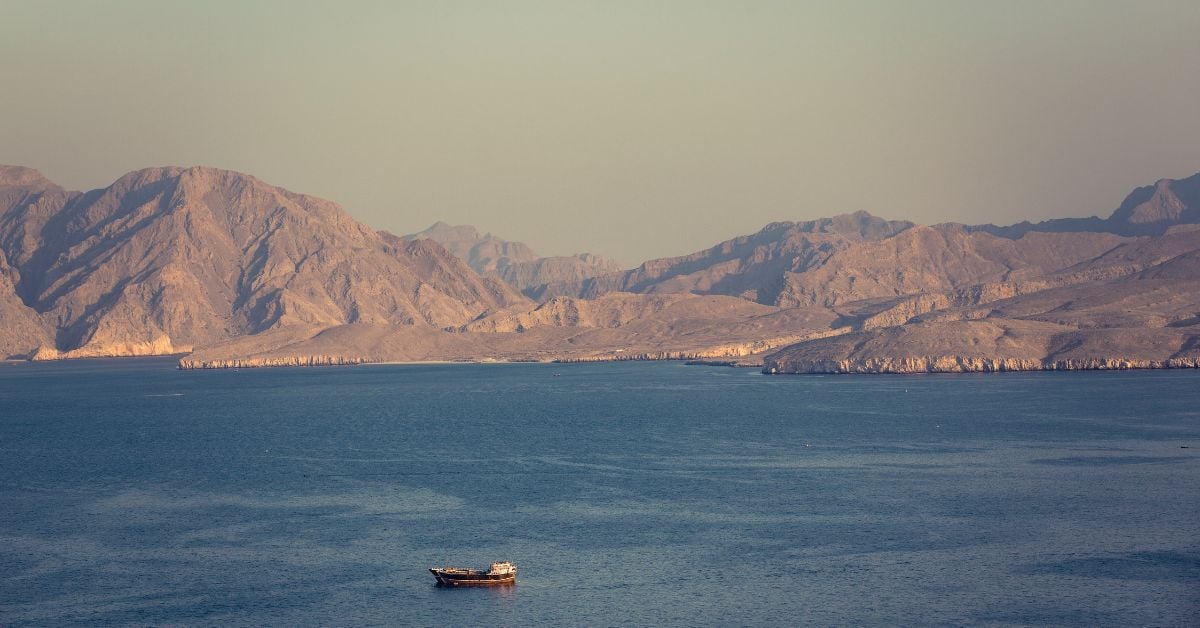
Strait of Hormuz Reopening Contingent on U.S. Actions, Iran States
Iran has linked the Strait of Hormuz's reopening to a single condition: the U.S. must lift its naval blockade of Iranian ports and end sanctions on Tehran. The announcement, which sets a one-week timeline, is a direct test of diplomatic intent. It is a high-stakes calculation, but not an unreasonable one. For context, our related coverage on Gulf of Oman STS transfers shows how regional oil flows are already straining at their limits.
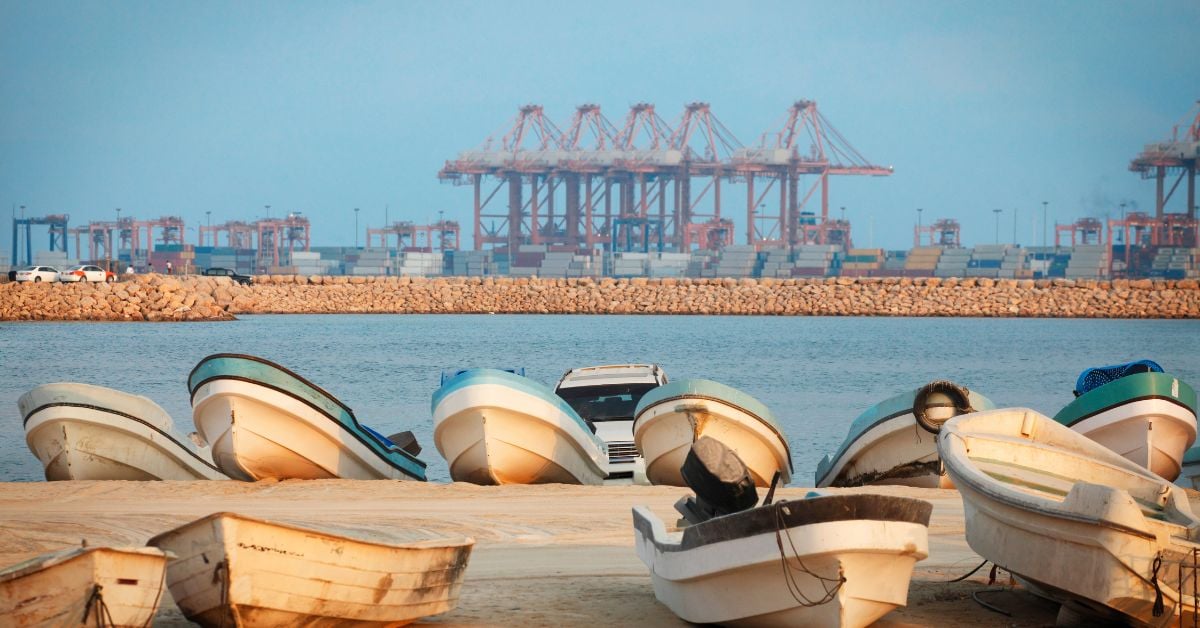
Sohar Port Facilitates Growing Indian Trade Routes to the GCC
Sohar Port has positioned itself as a critical transit point for Indian exports entering the GCC, a role that reflects the broader rebalancing of regional trade flows. The port's capacity to handle this volume signals practical, measurable gains in logistics integration. That matters as Gulf economies diversify. For readers tracking these corridors, our related piece on integrated subsea infrastructure in the Indian Ocean offers useful context on the region's digital backbone. The port's progress is steady, and it anchors a connection worth watching closely.
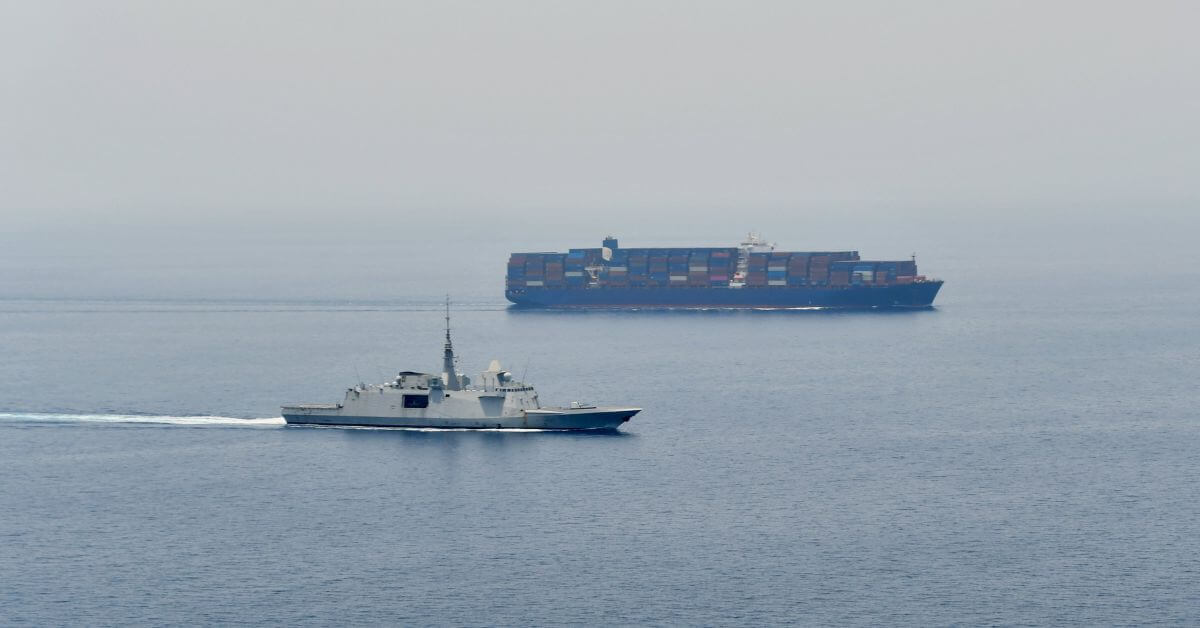
Expanded Naval Presence Calibrated for Red Sea Shipping Security
The European Union's call for more than ten warships to secure Red Sea shipping marks a calibrated response to a persistent threat. Kaja Kallas, the bloc's foreign policy chief, made the case on Monday, framing the expanded naval presence as a necessary measure for maritime stability. The numbers are telling: this is not a symbolic gesture but a concrete commitment.
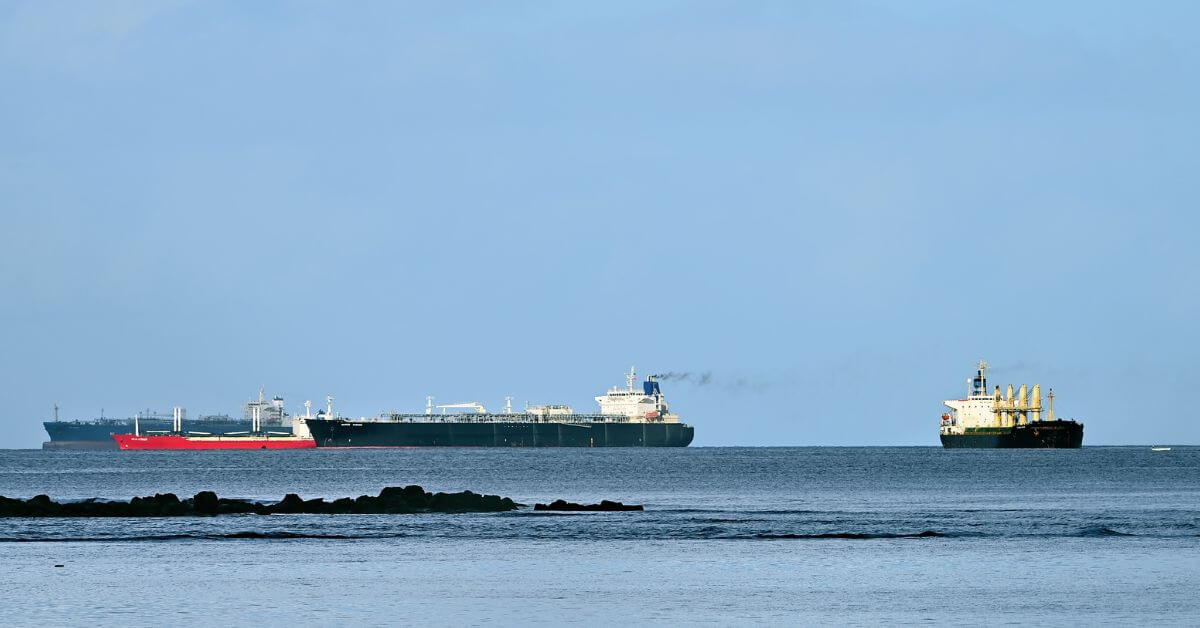
Strait of Hormuz Incidents Prompt Inquiry Into Tanker Impacts
Two tankers were struck by an unknown projectile or debris in the Strait of Hormuz on Monday, reigniting questions about the vulnerability of commercial shipping in one of the world's most vital waterways. The incident demands empirical scrutiny, not speculation, as we assess the measurable risks to vessels and crews. This is precisely why our coverage, including the recent report on Gulf of Oman STS transfers maxing out, must remain grounded in validated, real-time data.