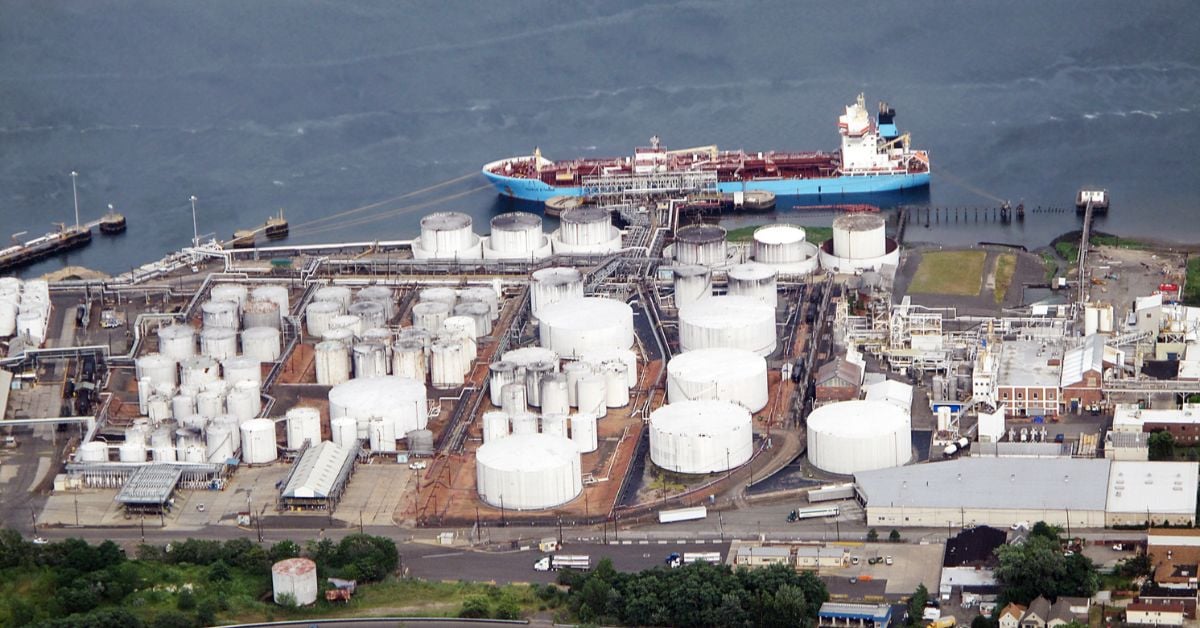
The market's 1.2% drop in oil prices is a relief, but it is not a verdict on peace. It is a measured acknowledgment that Saudi Arabia has found a workaround. By routing its crude through Oman, the Kingdom has effectively built a financial and logistical firewall against the US-Iran conflict. This is not a return to normalcy; it is a recalibration of risk. For observers of maritime trade, the move signals something important: the Strait of Hormuz remains a chokepoint, but it is no longer the only variable in the equation.
This shift did not happen in a vacuum. As we reported, Gulf of Oman STS Transfers Max Out Amid Rising Saudi Oil Exports, meaning that the infrastructure for this pivot was already under strain. Now, with the Saudis leaning on Oman as a primary export lane, the question is not whether the system can handle it, but for how long. Meanwhile, diplomatic channels are active. The Phased Negotiations Aim to Ease Restrictions on Strait of Hormuz suggest that all parties are aware that a permanent alternative is not a strategy. And the pressure is mounting: Eighty Nations Urge Reopening of Vital Strait of Hormuz Shipping Lane, a clear signal that the global community sees this as a shared problem, not a regional one.
Our take is straightforward: do not mistake a falling price for a stable supply chain. The reroute through Oman is a tactical fix, not a strategic solution. It eases immediate pressure on tanker rates and insurance premiums, but it does nothing to address the underlying fragility of the region. For shipping companies, this means recalculating routes and renegotiating contracts with a new set of assumptions. For insurers, it means pricing in a conflict that has not ended, only moved. The practical takeaway is that the market is rewarding agility, not security. The players who thrive will be those who treat the Gulf of Oman as a temporary lane, not a permanent destination.
The real detail to watch is the capacity ceiling. If STS transfers are already maxed out, then any further disruption, even a minor one, will expose the limits of this alternative. The Saudis have bought time, but time is not a solution. The question we would put to a reader is this: if the Strait of Hormuz remains restricted and Oman reaches its saturation point, where does the next barrel go? The answer will determine whether this price drop is a correction or a false dawn. Watch the loading schedules in Oman over the next 90 days. That is where the truth will surface.