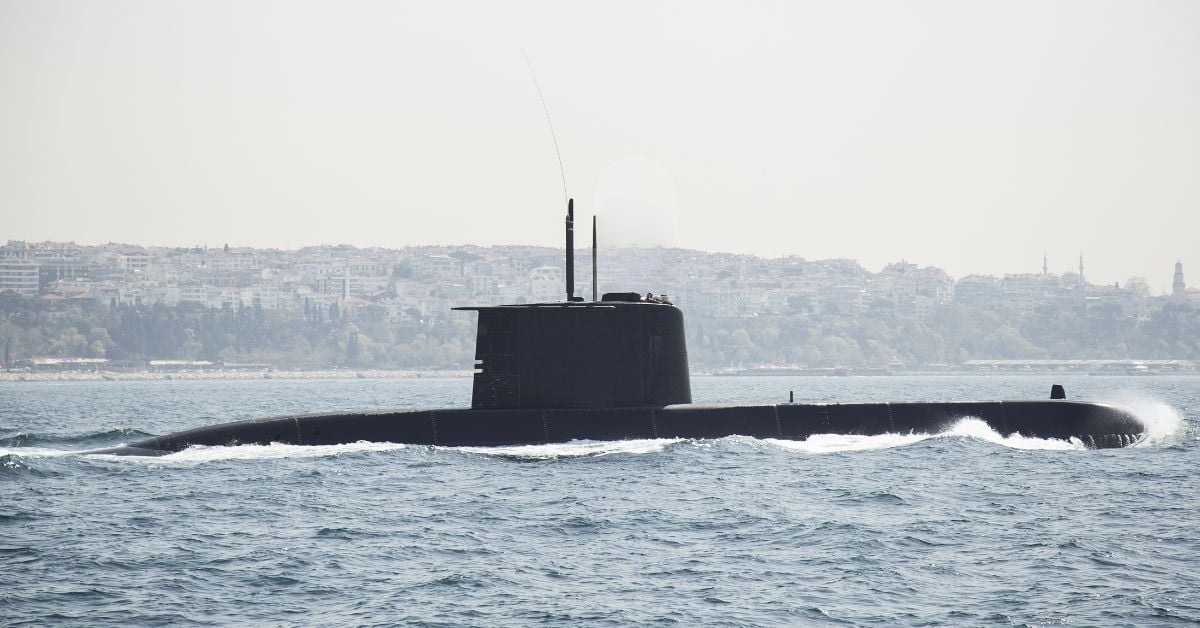
A US Navy submarine encountered an unidentified autonomous underwater drone in the Strait of Hormuz this week. The vessel is believed to be the Dive-D, built by American defence firm Anduril, a company that specialises in autonomous weapon systems and AI-powered robotics. This encounter is not an isolated incident. It takes place against a backdrop of intense geopolitical friction in the same waterway, where Phased Negotiations Aim to Ease Restrictions on Strait of Hormuz and where Eighty Nations Urge Reopening of Vital Strait of Hormuz Shipping Lane. The convergence of diplomatic efforts and military hardware deployment demands a clear-eyed assessment.
From a data perspective, the Strait of Hormuz is one of the most measured and monitored chokepoints on Earth. Tankers transit it under constant satellite observation, sonar sweeps, and now, autonomous underwater surveillance. The presence of a military-grade drone like the Dive-D signals a shift from passive monitoring to active, persistent presence. This is not a research vessel collecting oceanographic samples. It is a calibrated instrument of maritime intelligence, operating in waters where empirical data on vessel movement and underwater activity carries immediate strategic weight. The related report on Gulf of Oman STS Transfers Max Out Amid Rising Saudi Oil Exports reminds us that the volume of oil moving through this corridor is already straining capacity. Autonomous systems add a new layer of real-time data to that equation, data that can inform both commercial logistics and naval posture.
Our take is straightforward: the ocean is becoming a sensor field, and the Strait of Hormuz is the proving ground. For researchers and policymakers who track climate indicators or maritime security, this development validates the integration of autonomous platforms into operational environments. But it also raises a measurable concern. The same technology that can monitor illegal fishing or track ocean currents can be deployed for denial of access or target acquisition. The line between ocean intelligence and military advantage is thin, and it is disappearing faster than the diplomatic talks are progressing. The phased negotiations referenced in the related articles aim to ease restrictions, yet the deployment of armed-capable drones suggests a parallel track of hardening positions.
What we would tell a reader who asks about this: watch the data-sharing protocols. The most concrete takeaway from this encounter is not the drone itself, but the absence of a transparent framework for classifying and reporting such assets in international waters. Without peer-reviewed standards for autonomous vessel identification, every encounter becomes a potential flashpoint. The question is not whether the Dive-D belongs there, it clearly does under current maritime law. The question is whether the international community can calibrate a shared understanding of what these systems are doing, before the Strait becomes a test range rather than a shipping lane.