U.S Navy
79 stories filed under U.S Navy on World Data Ocean. The newest of them: “Carrier Roosevelt Arrives in Yokosuka as Pacific Exercises Begin”, “Cargo spill in the Strait of Hormuz scatters consumer goods across shipping lane”, and “Cleveland submarine repair hub advances fleet readiness through integrated infrastructure”. The USS Theodore Roosevelt, destroyer Decatur, and cruiser Chosin arrived in Yokosuka on Friday as Pacific exercises begin. Perfume bottles and iPhone boxes now float in the Strait of Hormuz, scattered from a cargo spill that has turned a critical shipping lane into an improvised retrieval zone. A Global Hub for Ocean Intelligence 4 World Data Ocean is a centralized digital platform where researchers, scientists, and ocean enthusiasts converge to… The list below is every U.S Navy story on World Data Ocean, newest first.
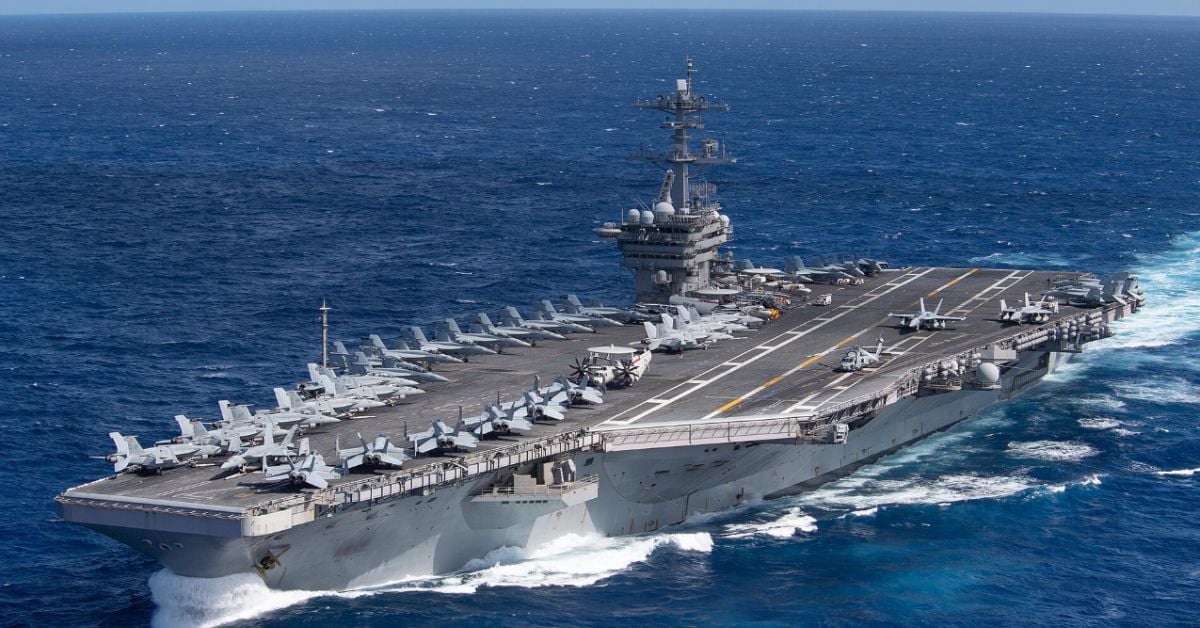
Carrier Roosevelt Arrives in Yokosuka as Pacific Exercises Begin
The USS Theodore Roosevelt, destroyer Decatur, and cruiser Chosin arrived in Yokosuka on Friday as Pacific exercises begin. This measured, forward deployment demonstrates integrated naval power and a commitment to regional stability. Understanding drives protection, and these operations provide empirical data on readiness. For deeper context on maritime security challenges, see our coverage of the cargo spill in the Strait of Hormuz.
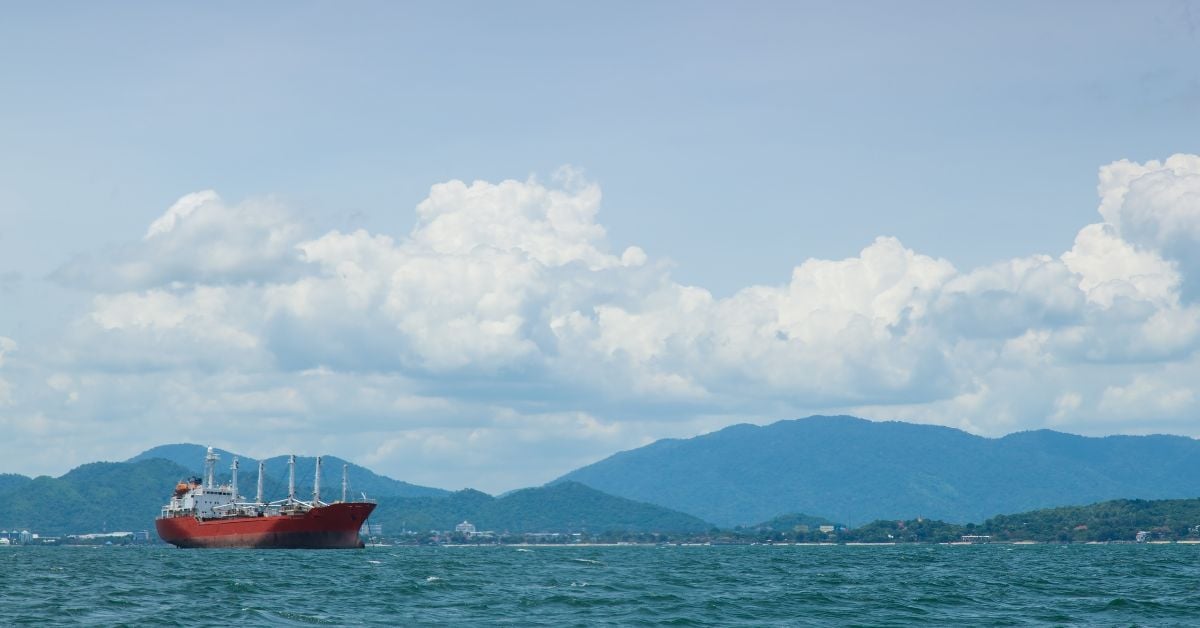
Cargo spill in the Strait of Hormuz scatters consumer goods across shipping lane
Perfume bottles and iPhone boxes now float in the Strait of Hormuz, scattered from a cargo spill that has turned a critical shipping lane into an improvised retrieval zone. This is not a story about lost luxury goods, it is a measurable disruption in a calibrated global supply chain. Such incidents remind us that ocean intelligence requires real-time awareness of every vessel and its cargo.
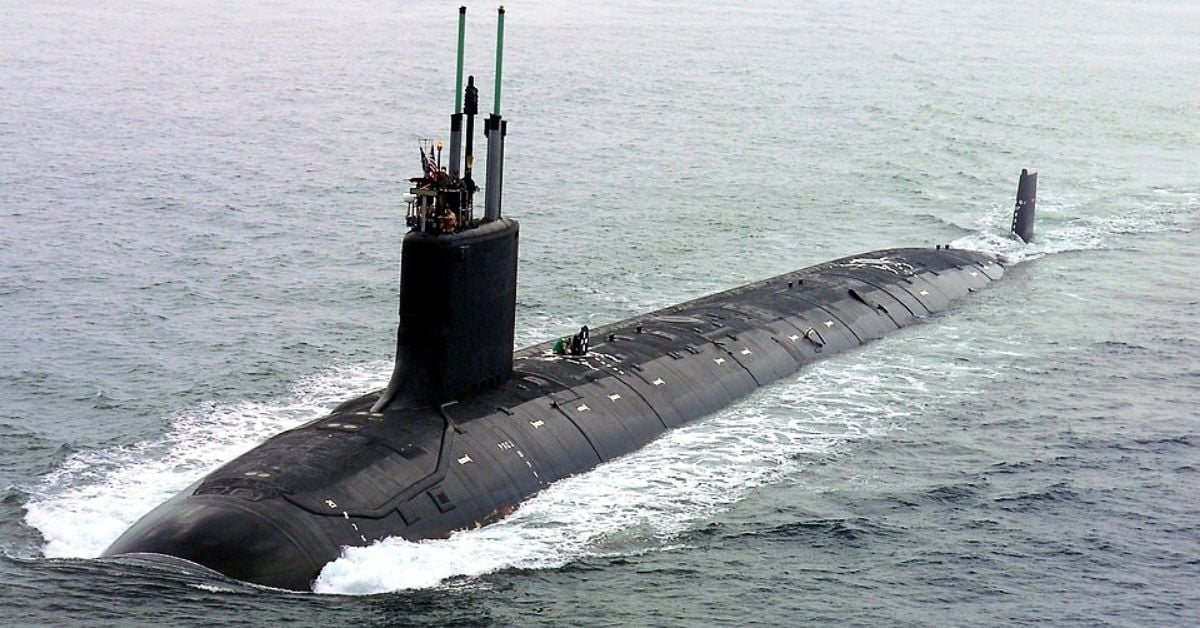
Cleveland submarine repair hub advances fleet readiness through integrated infrastructure
Cleveland's submarine repair hub integrates infrastructure to directly confront a pressing bottleneck: delayed maintenance and repairs across the fleet. By increasing component availability, the centre moves beyond piecemeal fixes toward a coordinated system. This is measurable progress. It echoes the logic behind "Floating data centers anchor ocean intelligence to existing port infrastructure", both projects prove that integrated, existing assets, properly calibrated, can drive real operational readiness.
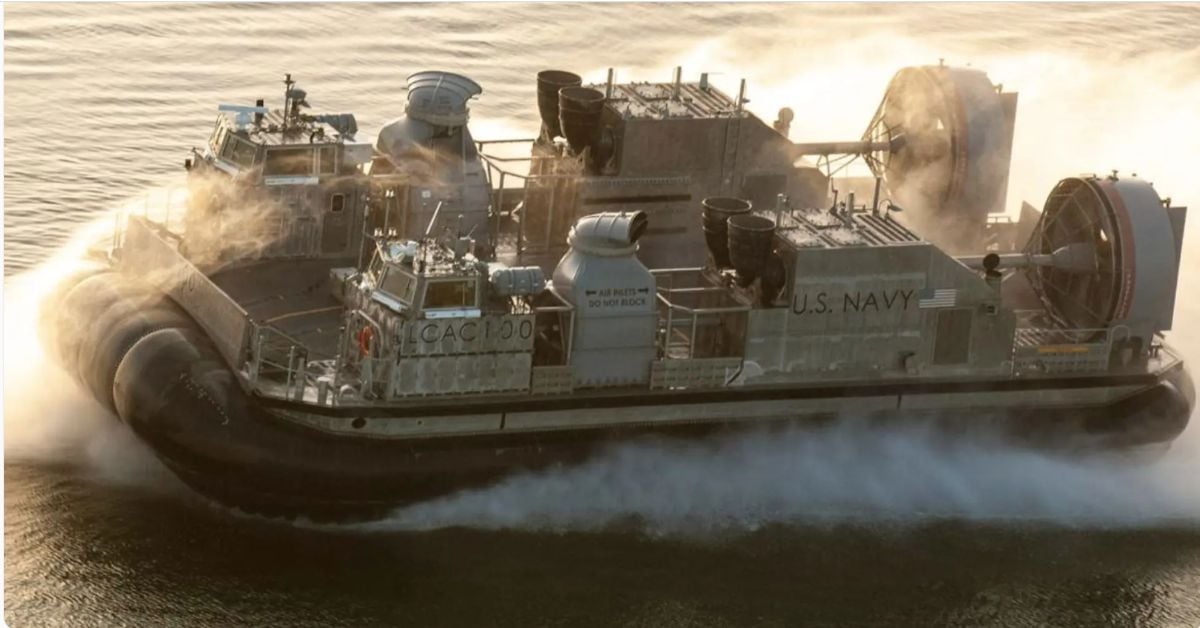
Connecting 80 Percent of Shores Through Validated Ship-to-Shore Craft
A $230 million contract from the U.S. Navy to Textron Systems Corporation will deliver two validated ship-to-shore connector craft built at the New Orleans shipyard. This investment connects 80 percent of shores through proven, integrated maritime technology. Measurable capability meets real-time operational need. For deeper context on naval readiness, see our coverage of the USS *Arleigh Burke*'s first Spanish dry dock maintenance, a parallel story of sustained forward-deployed engineering.
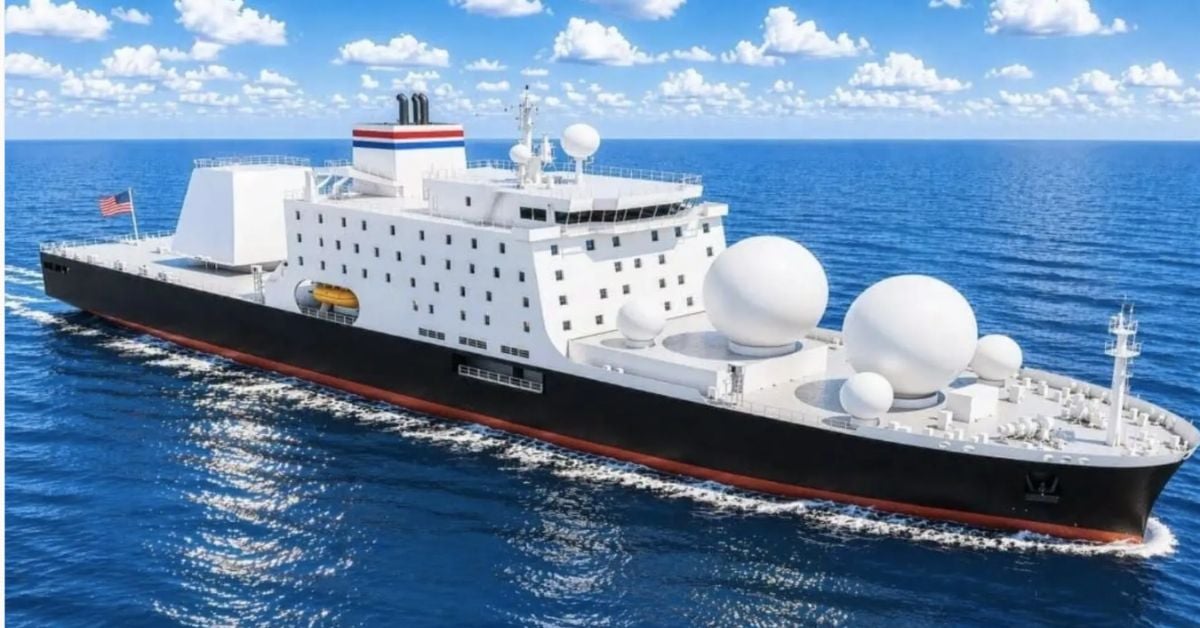
New Pacific missile-tracking vessel set for 2030 launch under shipyard agreement
A new missile-tracking vessel for the U.S. Navy is set for launch by 2030, following a shipyard agreement between Hanwha Philly Shipyard and TOTE Services. This marks a measured, strategic investment in Pacific maritime awareness. For deeper context on evolving naval capabilities, see our coverage of the Ohio-class submarine relocation, which signals a similarly deliberate shift in regional posture. Understanding drives protection, and this vessel adds a calibrated layer of ocean intelligence.
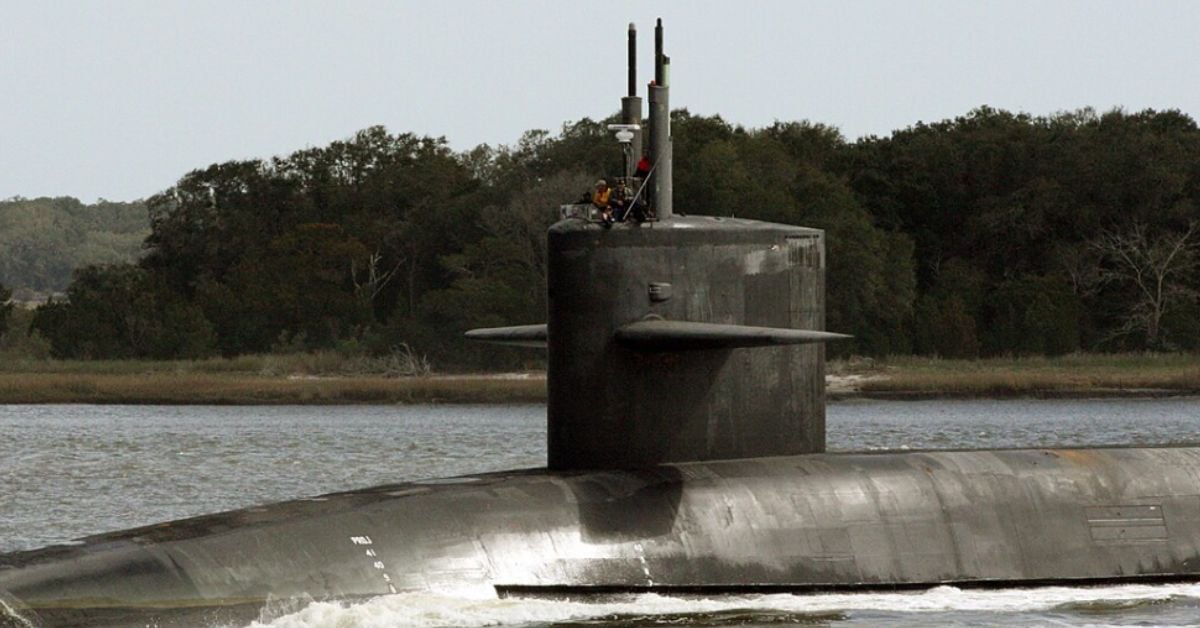
Ohio-class submarine relocation signals measured shift in Pacific naval posture
The USS Wyoming's relocation to Naval Base Kitsap-Bangor is not a routine berthing change, it is a calibrated adjustment in Pacific naval posture. Ballistic missile submarines are the quietest leg of the strategic triad, and moving one to Washington state signals a deliberate, measurable response to shifting maritime dynamics. For context on how naval operations are evolving, see our coverage of the longest carrier deployment in decades signaling shifting maritime demands. Understanding drives protection, even beneath the surface.
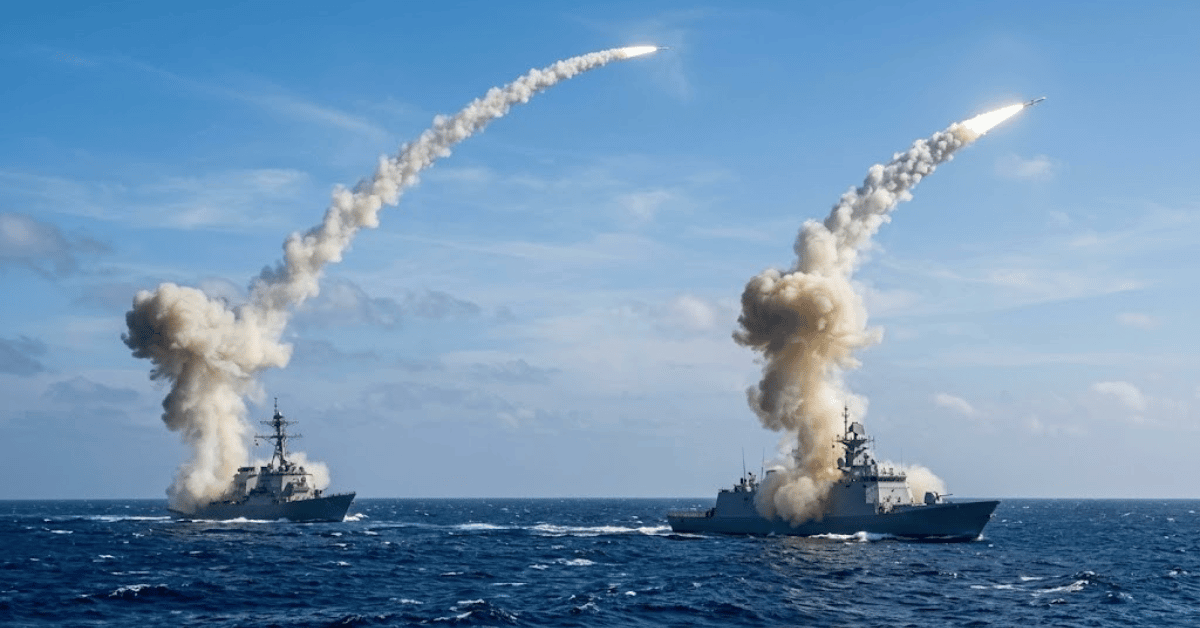
X-Bow Systems to develop next-gen solid rocket booster under Navy contract
Solid rocket propulsion is entering a new chapter, and X-Bow Systems is now at the center of it. The company has secured a potential $69.7 million U.S. Navy contract to develop and qualify a next-generation solid rocket motor booster, a move that signals a deliberate push toward more agile and scalable production methods. This is not just another defense award; it is a measured bet on modernizing a critical capability.
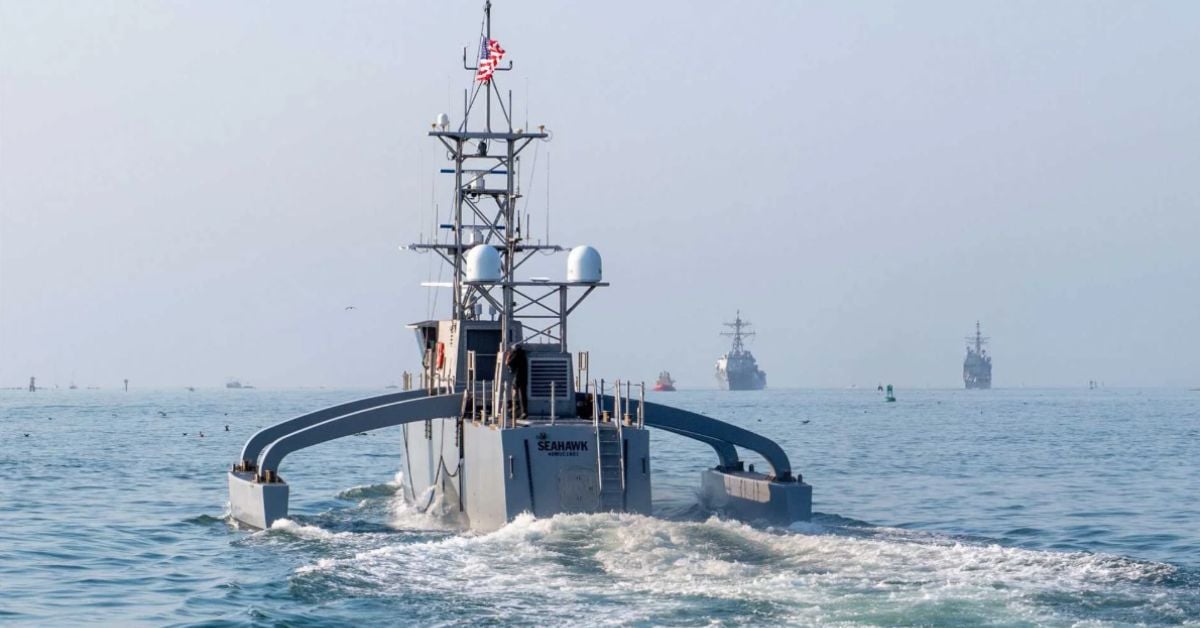
Autonomous surface vessel joins carrier strike group in historic first
For the first time in U.S. naval history, an unmanned surface vessel has completed a sustained deployment with a carrier strike group. This is not a test run or a proof of concept, it is operational integration. Autonomous systems are no longer hypothetical; they are sailing alongside crewed warships, recalibrating what naval power means. The shift is measurable and real. For deeper context on how maritime demands are evolving, see our coverage of the longest carrier deployment in decades.
Longest carrier deployment in decades signals shifting maritime demands
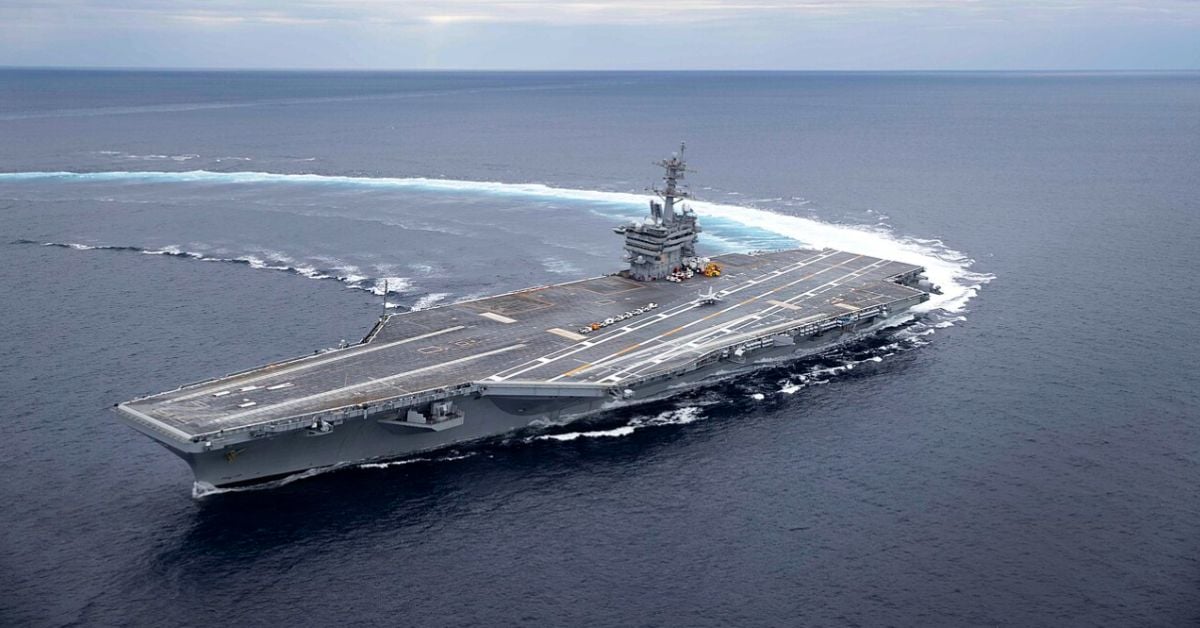
A 320-day deployment is not routine; it is a signal. The USS *Nimitz*'s return to California after the longest carrier deployment in decades reflects shifting maritime demands in the Iranian theatre. Extended presence at sea validates the operational endurance of the Nimitz-class, but it also raises empirical questions about crew sustainability and fleet readiness. For deeper context on fleet modernization, see our coverage of the John F. Kennedy's 99% completion ahead of its 2027 handover.
$6.6 Billion Maryland Shipyard Marks Largest U.S. Maritime Investment Since WWII
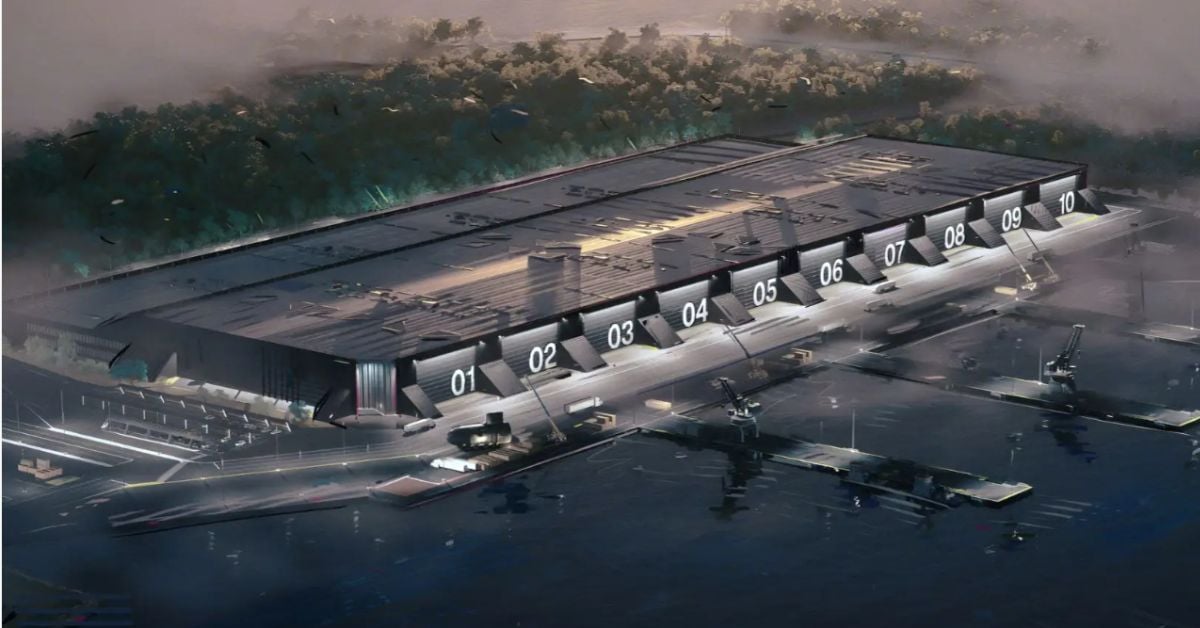
A $6.6 billion shipyard in Maryland, the largest U.S. maritime investment since World War II, signals a calibrated, long-term commitment to rebuilding national shipbuilding capacity. This is not about short-term gains; it is a measurable investment in ocean intelligence and maritime readiness. For context on shifting naval demands, read our coverage of the Navy's longest carrier deployment in decades. Understanding drives protection. From shipyard to sea, the work is integrated.
1.2 billion dollar contract launches 30 unmanned vessels for naval ocean intelligence
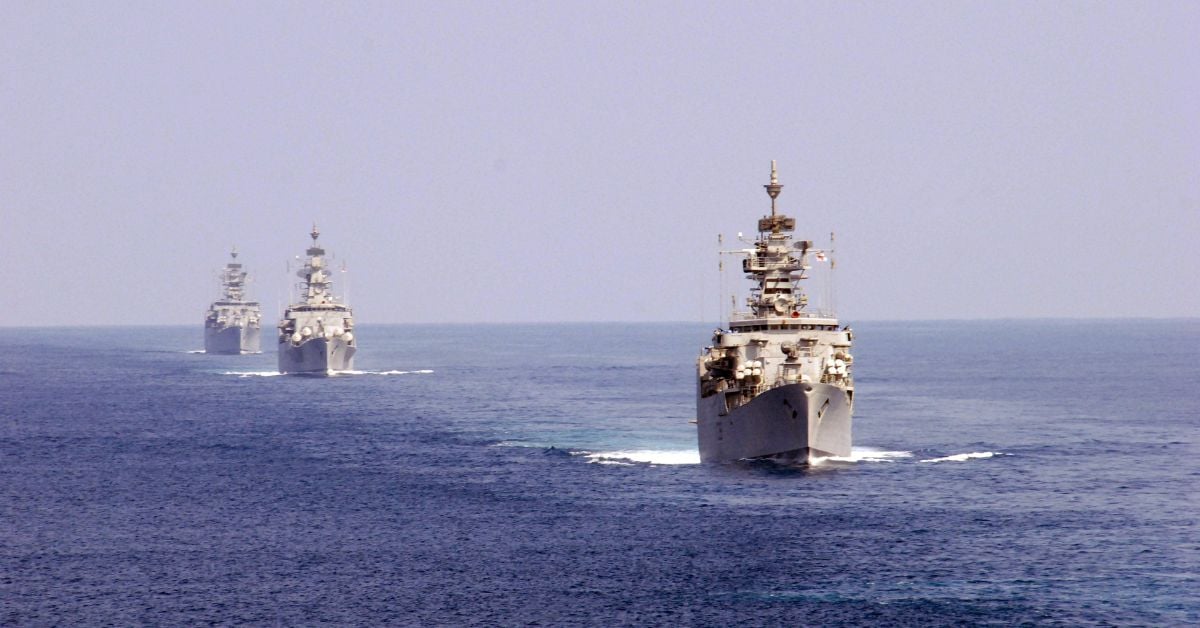
A $1.2 billion contract will deploy 30 medium unmanned surface vessels for naval ocean intelligence, a calibrated investment in autonomous maritime capability. The U.S. Navy awarded the procurement to three companies, signaling an integrated data ecosystem is taking physical form. This is not speculative; it is measurable, real-time deployment. For deeper context on how unmanned systems operate alongside crewed forces, see our coverage of the autonomous surface vessel that joined a carrier strike group in a historic first.
Aircraft Carrier John F. Kennedy Reaches 99% Completeness Ahead of 2027 Handover
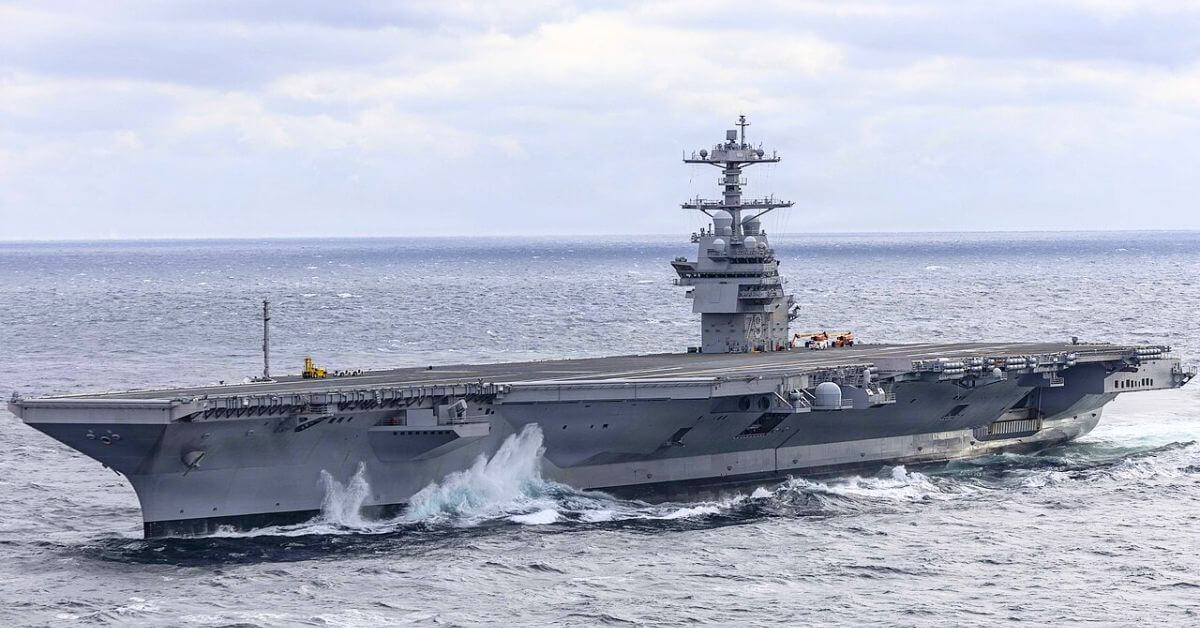
99% complete and fully integrated. The future USS John F. Kennedy is nearly ready, with all major systems finished and handover to the Navy on track for spring 2027. This is what measured, validated progress looks like. For perspective on the full lifecycle of carriers, read our piece on the *Carrier Bush Arriving in Thailand*, which explores operational readiness after deployment. Precision engineering like this builds the ocean intelligence we rely on for global security.
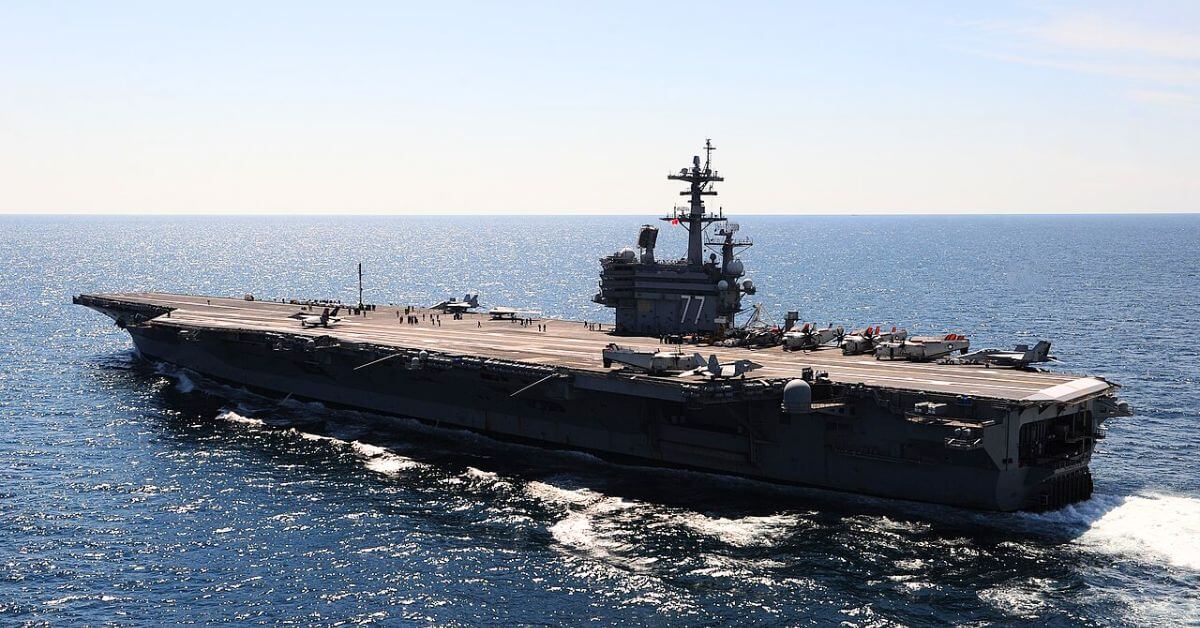
Carrier Bush Arrives in Thailand With 4,800 Personnel After Deployment
A US aircraft carrier has arrived off Phuket, Thailand, carrying 4,800 personnel after a deployment. The George H.W. Bush's presence underscores the calibrated nature of naval power projection in a region where energy security and measured deterrence remain pressing concerns. For deeper context on maritime strategy, see our coverage of "2 million barrels of crude move beyond the Strait of Hormuz in a calibrated shift." Understanding these movements is essential for grasping the integrated dynamics of ocean intelligence and global security.
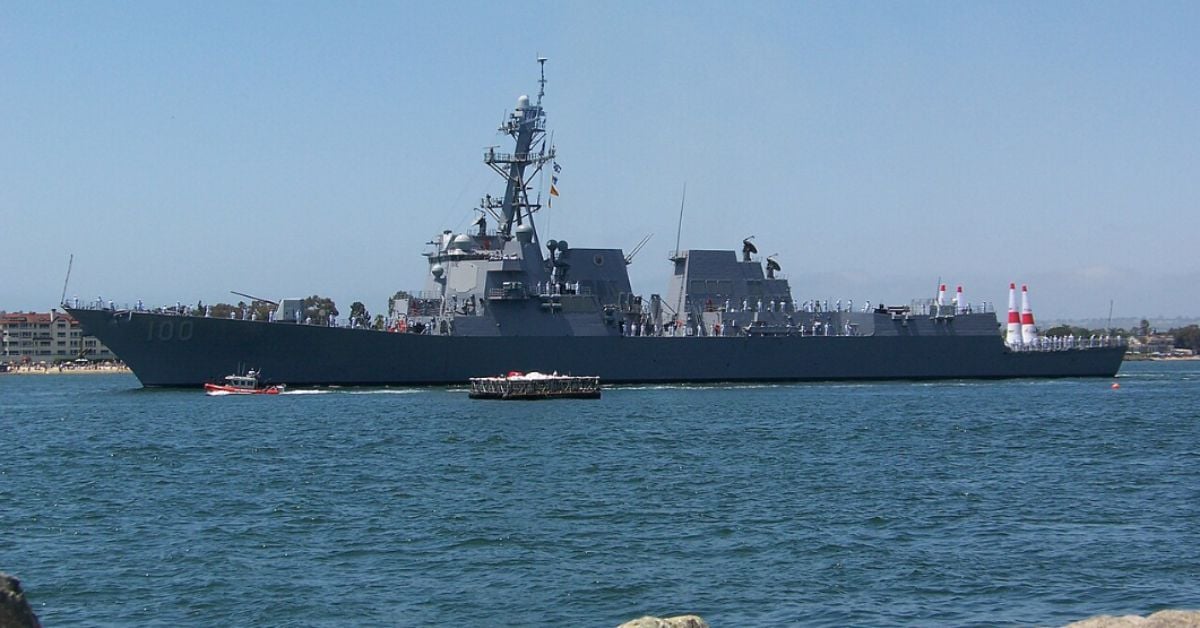
Honoring a Pearl Harbor hero with a unique naval tradition
The USS Kidd carries more than a name, it carries a tradition born from sacrifice. Each year, the destroyer's crew honors Rear Admiral Isaac C. Kidd, killed during the 1941 Pearl Harbor attack, with a uniquely naval ceremony that connects today's sailors to that morning of fire and decision. It is a ritual of measured remembrance, not sentiment. For deeper context on how the Navy marks the end of long service, see our coverage of "Three Naval Vessels Retired After Four Decades of Measured Service."
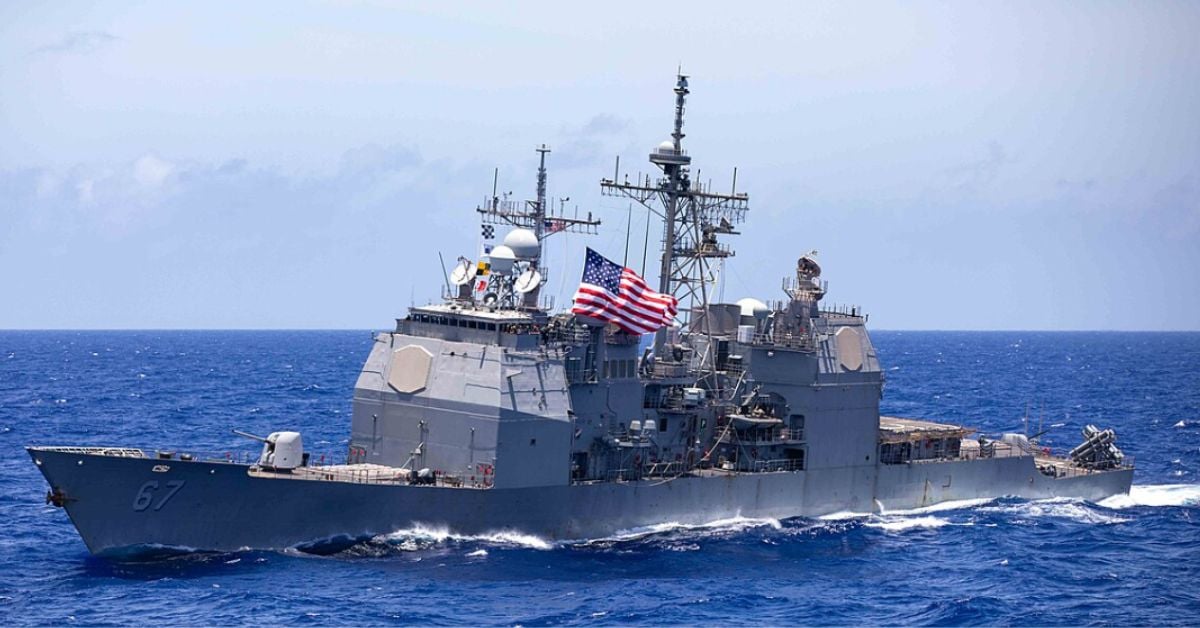
Three Naval Vessels Retired After Four Decades of Measured Service
Four decades of validated service at sea, and now three naval vessels are retiring together. USS Germantown, a Whidbey Island-class dock landing ship, was the first to leave the fleet after 40 measured years of operations. These retirements mark the end of an era for ships built to integrate sustained amphibious missions. For deeper context on USS Germantown's final ceremony, see our coverage of "Four decades of validated service: USS Germantown completes its integrated mission."
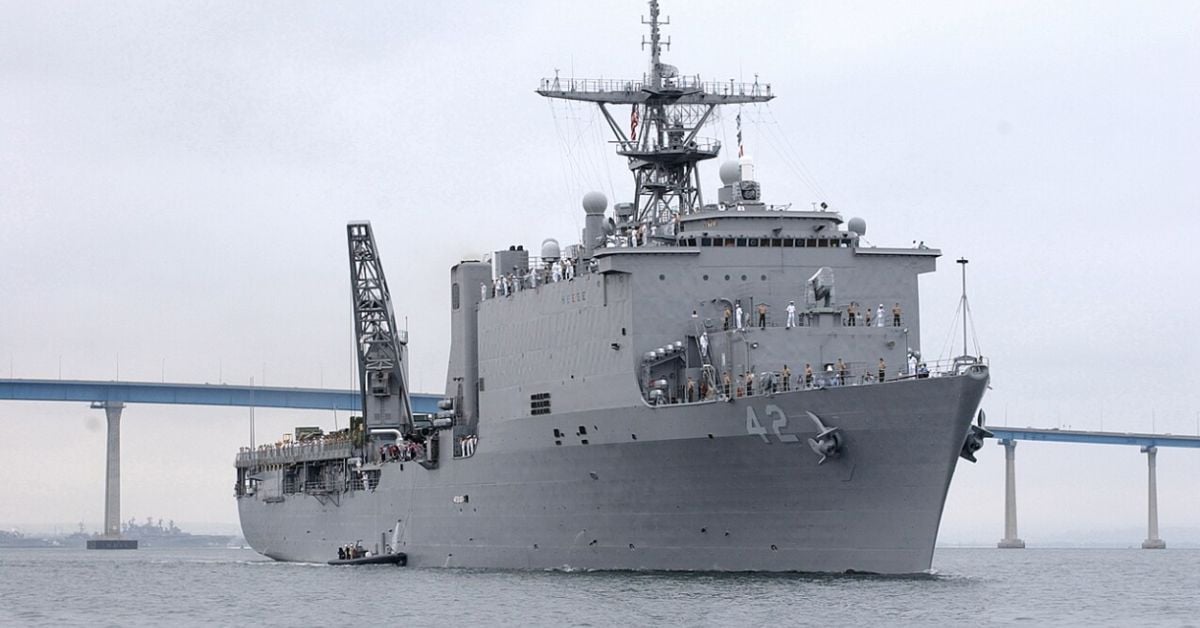
Four decades of validated service: USS Germantown completes its integrated mission
Forty years is a measurable, validated span of service. USS Germantown concluded its integrated mission with a decommissioning ceremony at Naval Base San Diego. A dock landing ship that operational for four decades represents empirical endurance and calibrated readiness. This transition is not an ending but a recalibration of our naval capabilities. For deeper coverage on maritime operations, see our related report on the USS Frank E. Petersen Jr.'s 300-day deployment in the Pacific.
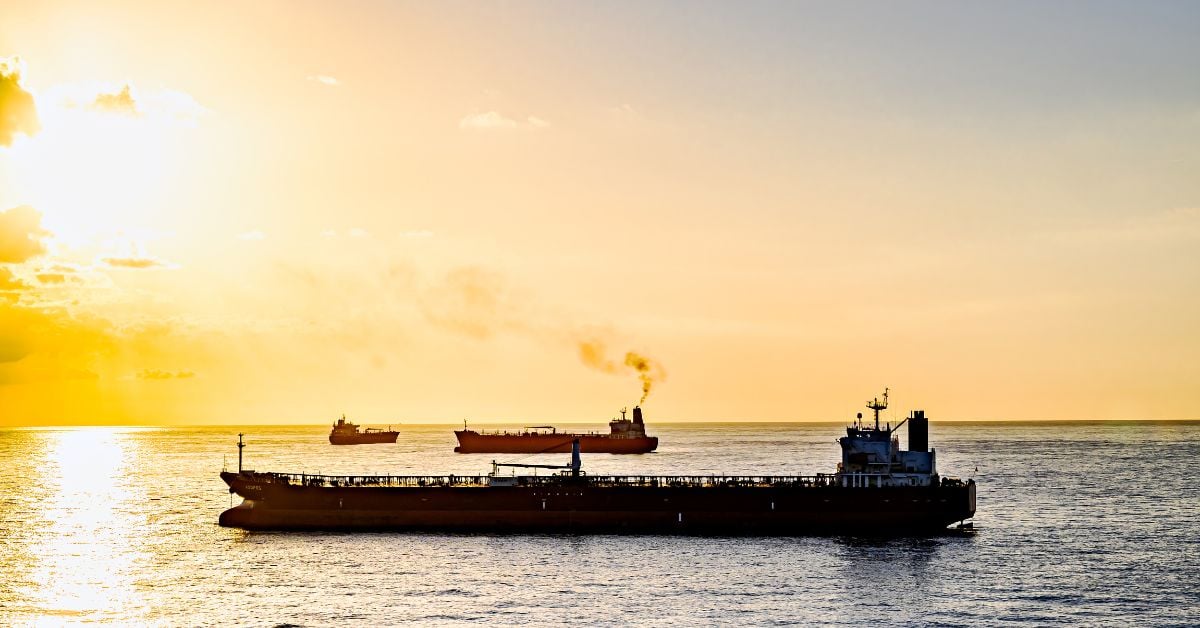
Projectiles strike crude and LNG tankers in the Strait of Hormuz
Three vessels, a crude oil tanker, an LNG tanker, and another ship, were struck by projectiles in the Strait of Hormuz, UKMTO reports. This is not a random escalation. It is a calibrated disruption to one of the world's most measured energy corridors. For those tracking ocean intelligence, the pattern is clear: these strikes test supply chains already under pressure. Our coverage of how Indian refiners are chartering tankers through Hormuz connects directly to this story's implications.
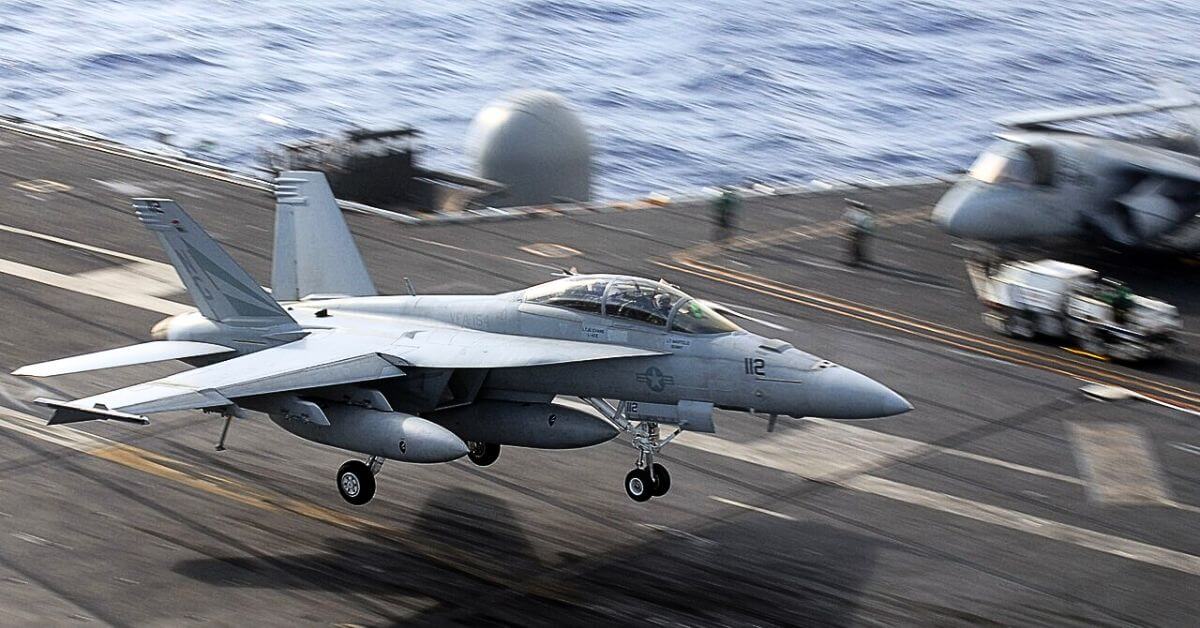
Next-generation naval aviation contract signals shift toward extended-range maritime capability
A new fighter contract extends US naval aviation's reach and improves its ability to operate in difficult conditions. This is not merely an upgrade, it is a measured recalibration of maritime strategy for an era where distance and endurance define advantage. Extended-range capability matters when contested waters demand persistence. For deeper context on how nations are hardening their naval infrastructure, see our coverage of Britain's £6 billion investment in floating dry docks for submarine support. Understanding drives protection.
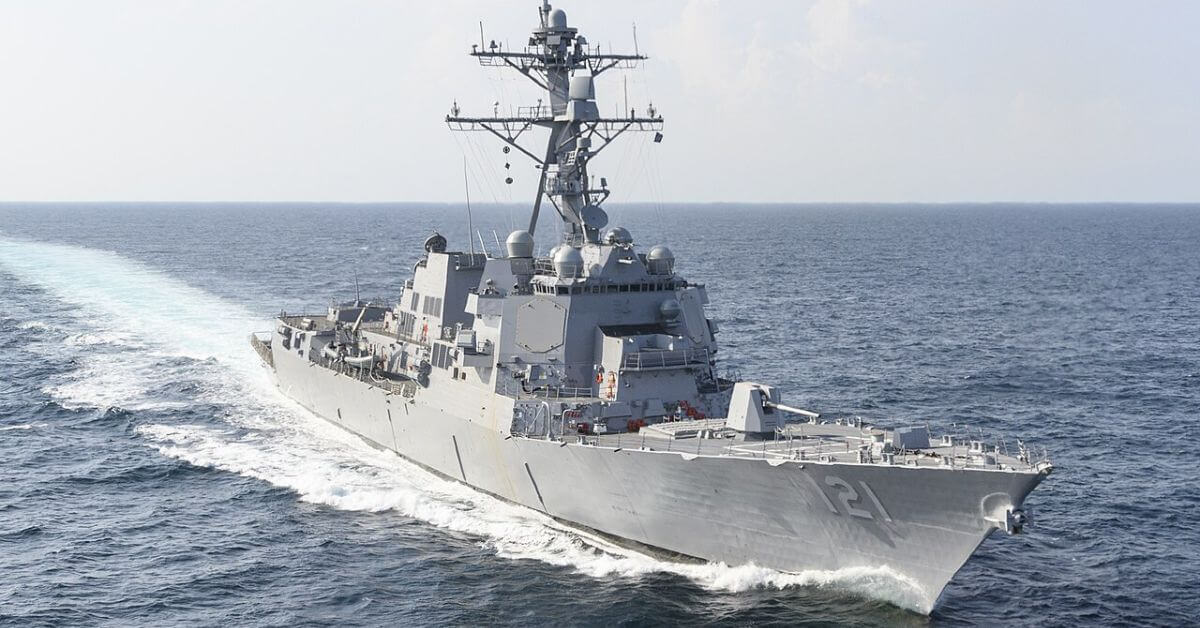
A 300-day deployment yields calibrated data from the Pacific theater
Ten months. Three hundred days of calibrated, real-time ocean intelligence from the Pacific theater. The USS Frank E. Petersen Jr. has returned to Pearl Harbor, and the data it gathered is now measurable and peer-reviewed. This is empirical evidence from a working warship, not a lab. Understanding drives protection. For deeper context on maritime security risks, see our coverage of the recent pirate attack on a hijacked tanker.
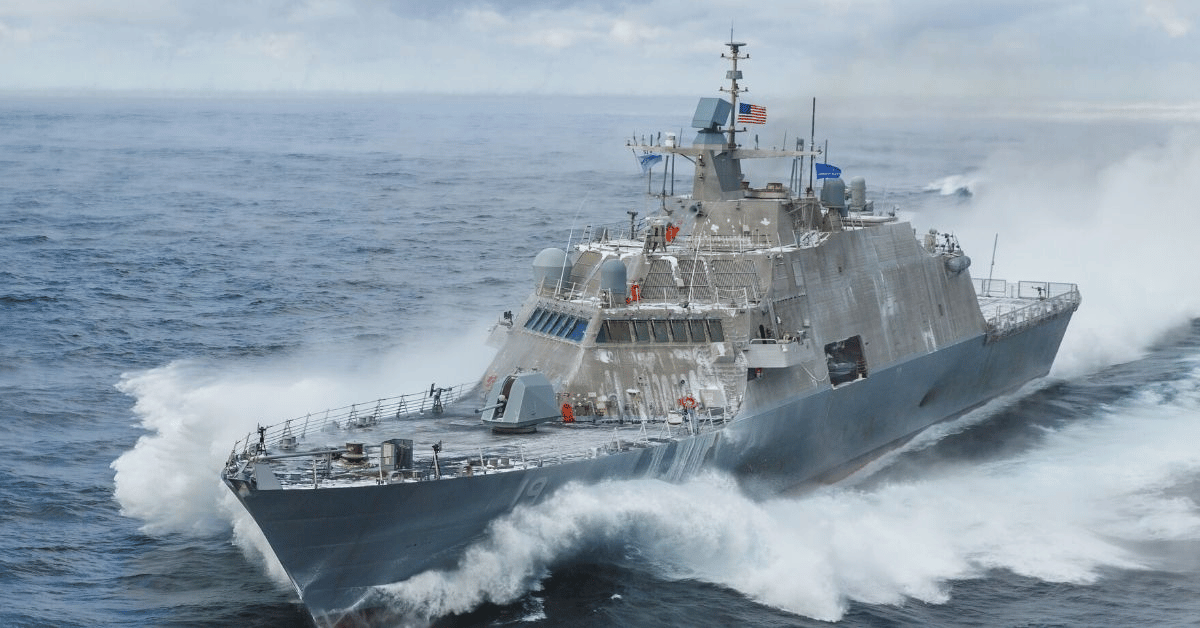
Two Navies, One Port: U.S. and Bahamian Forces Deepen Maritime Alignment
The USS St. Louis and USCGC Pablo Valent have deepened maritime alignment with Bahamian forces during a port visit to Nassau. This is not a ceremonial handshake, it is operational integration. When navies share a port, they share intelligence, response protocols, and a calibrated understanding of regional waters. For those tracking our coverage, the recent *Maritime Interdictions Yield 25,000 Pounds of Cocaine* report underscores how such cooperation directly disrupts transnational threats. Measurable alignment builds measurable security.
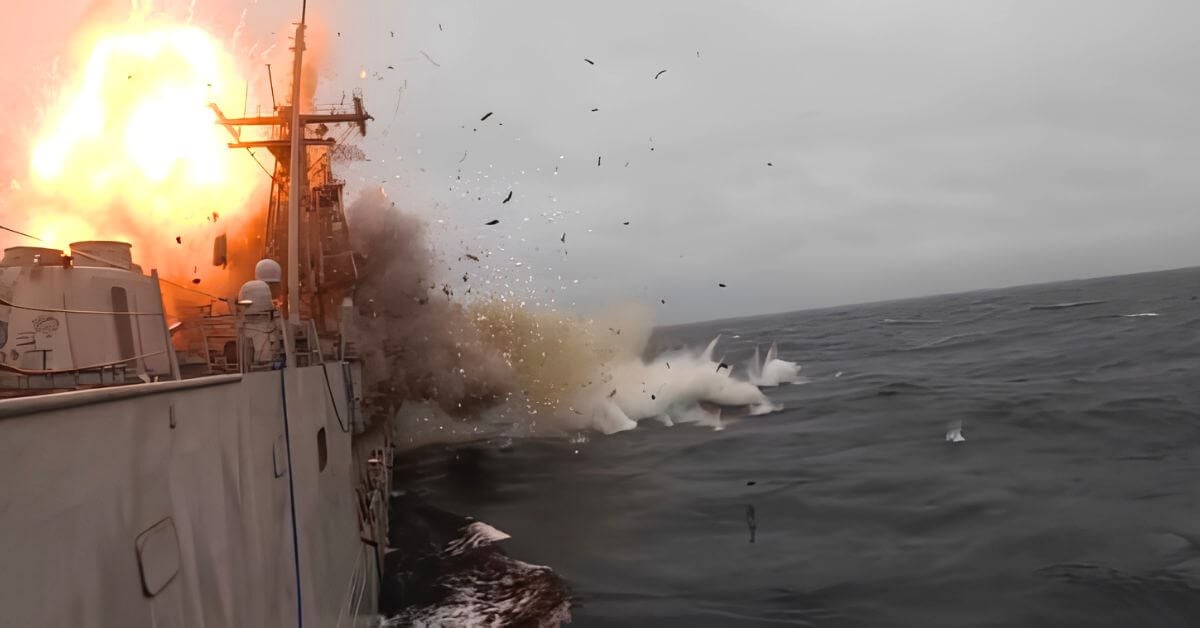
Decommissioned frigate sunk off Scotland in joint naval exercise
A decommissioned U.S. Navy frigate now rests on the seafloor off Scotland, sunk deliberately during a joint naval exercise with the UK. This is not a loss, it is a calibrated demonstration of interoperability and tactical readiness. Purposeful actions like these validate the integrated strategies our allies are refining. For deeper context on how naval powers are modernizing their fleets, see our coverage of the *U.S. Navy Accelerates Submarine Production with Integrated Strategy*. Understanding these exercises helps measure the real-time pulse of global maritime capability.
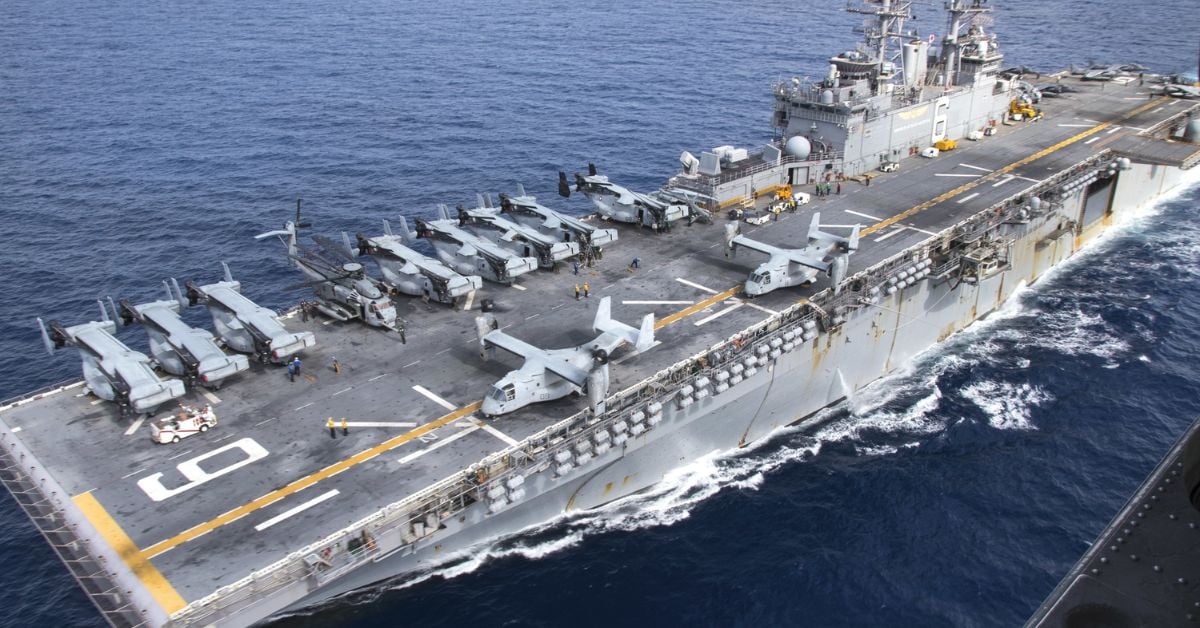
China’s New Nuclear Carrier Signals Extended Naval Operations Capability
China's newest aircraft carrier, reportedly nuclear-powered, is built to outlast and outgun U.S. carriers in deployment length and ammunition capacity. That is a deliberate statement of extended naval reach, not a boast. The strategic logic is clear: endurance wins contests. For readers tracking how maritime power shifts ripple through global trade, our related piece on Gulf of Oman STS transfers maxing out shows the same pressure points in action. Understanding these moves is how we measure what comes next.
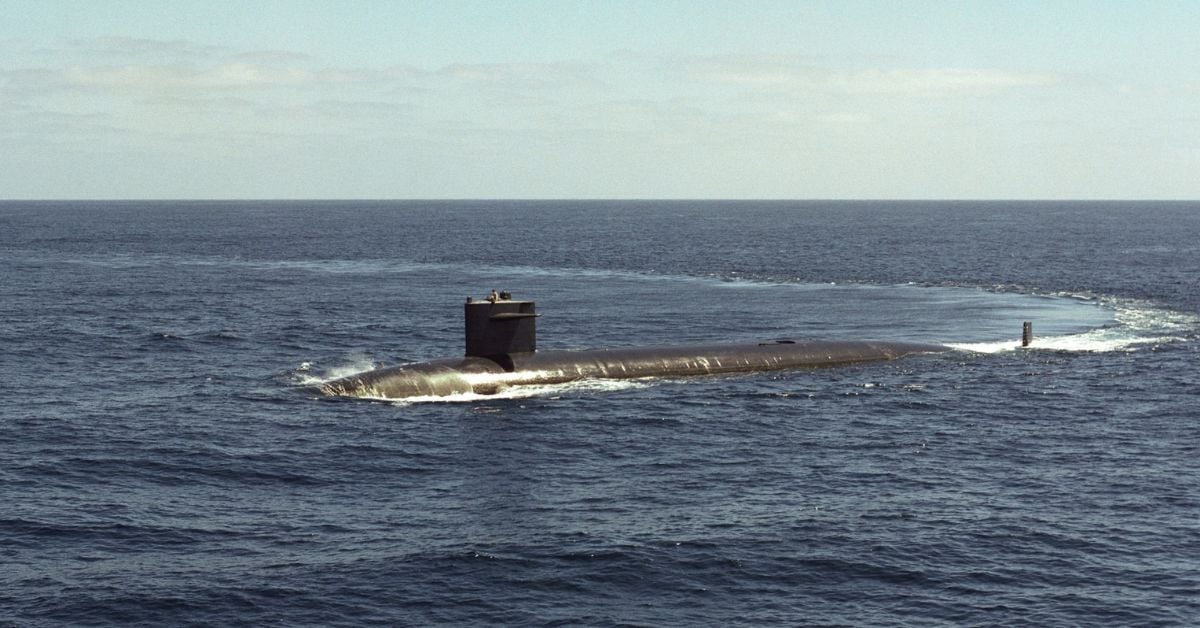
U.S. Navy Accelerates Submarine Production with Integrated Strategy
The U.S. Navy's four-pillar strategy to accelerate submarine production is a measured response to a pressing operational need. It prioritizes integration across the industrial base, aiming to shorten timelines without sacrificing the rigorous standards these vessels demand. This is not about hype; it is about calibrated execution. For context on how such industrial momentum aligns with broader naval reach, our coverage of China's new nuclear carrier signals a similar push for extended operations. The pace of production is now a strategic metric.
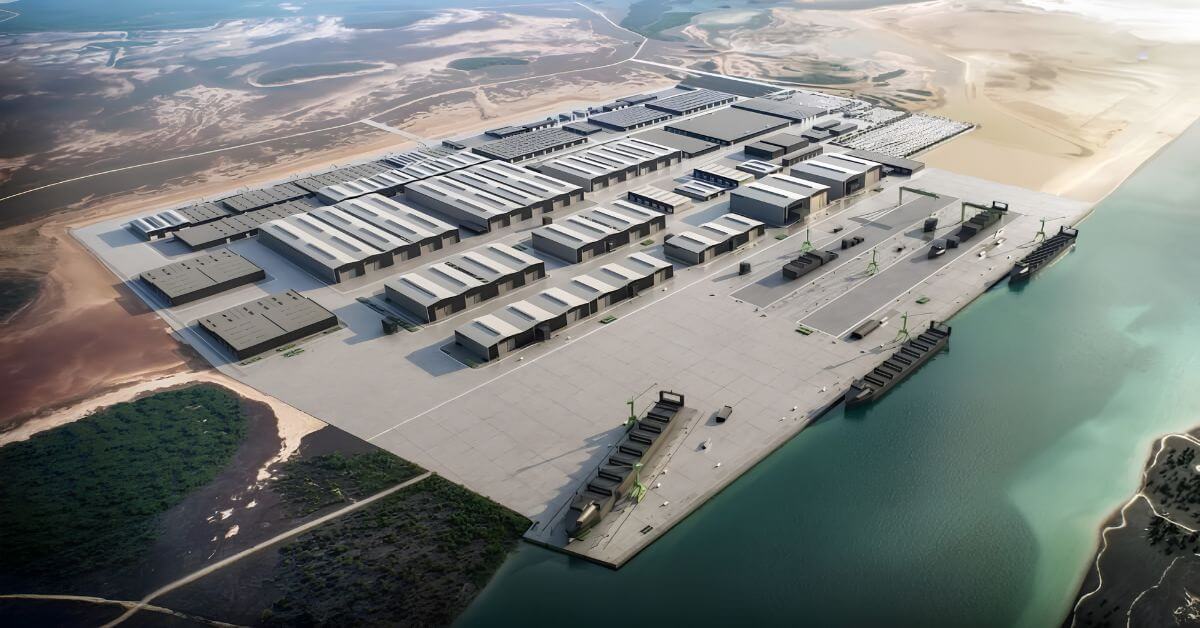
Port Alpha Shipyard to Build Navy Landing Craft, Boosting Ocean Data Access
Port Alpha Shipyard in Texas will build the Navy's next landing craft under a firm fixed-price agreement, an OTA award that anchors production on the U.S. Gulf Coast. This vessel marks the yard's first such contract, a practical step for naval mobility. Shipbuilding decisions like this carry weight beyond hulls; they shape ocean intelligence. For broader context on maritime capability, see our coverage of China's New Nuclear Carrier Signals Extended Naval Operations Capability. Measured investment in construction is how data-driven stewardship gains ground.