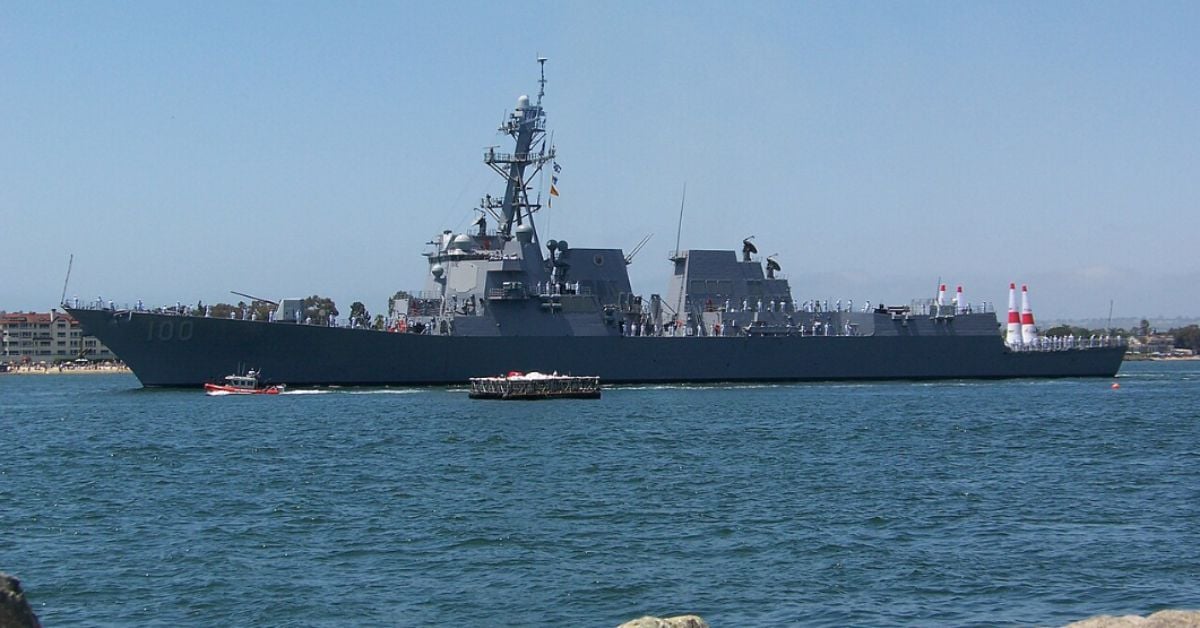
Tradition in the U.S. Navy is not a decorative relic; it is a calibrated, living signal of identity and sacrifice. The USS Kidd (DDG-100) flies the Jolly Roger not as an act of rebellion, but as a peer-reviewed form of remembrance, a measurable tribute to Rear Admiral Isaac C. Kidd, the first American flag officer killed in World War II. That black flag, born from a nickname and a widow's approval, has been validated across three generations of warships. It tells us something precise: that institutional memory, when integrated with purpose, can outlast hardware. While we recently reported on Three Naval Vessels Retired After Four Decades of Measured Service and the Four decades of validated service: USS Germantown completes its integrated mission, the Kidd's continued operation demonstrates that longevity is not only measured in years of deployment but in the continuity of a crew's ethos.
What makes this tradition worth our attention is its empirical grounding in a single, verifiable act of courage. On December 7, 1941, Rear Admiral Kidd took command of the USS Arizona as the attack unfolded and died alongside 1,175 others. His nickname, "Cap" Kidd, was a historical coincidence, a reference to the executed privateer, but the crew of the first destroyer named for him turned that coincidence into a deliberate, authorized symbol. They flew the skull and crossbones, tattooed it on their arms, and called themselves the Pirates of the Pacific, even ransoming downed aviators for ice cream. This is not whimsy; it is a purpose-driven ritual that binds each new sailor to a specific legacy. The current USS Kidd, commissioned in 2007, flies that same flag during ocean crossings and multinational exercises, a real-time indicator of a commitment that has been sustained for over eighty years.
The practical takeaway for our readers, researchers, policymakers, and ocean enthusiasts alike, is that effective stewardship of any system, naval or ecological, requires more than data. It requires a culture of shared responsibility that can be passed down. The Navy's tradition of never washing a chief petty officer's coffee mug, where stains become evidence of operations survived, operates on the same principle: the marks of experience are not cleaned away; they are read as longitudinal records. For those of us working on ocean intelligence and climate indicators, the lesson is clear. An integrated data ecosystem is only as resilient as the human network that maintains it. The Kidd's Jolly Roger is not a pirate flag; it is a calibrated signal of endurance.
One specific consequence to watch: as the Navy builds more Arleigh-Burke-class destroyers, the Kidd will continue to stand out not because of its technology, but because of its tradition. The question for the fleet is whether newer crews can develop equivalent symbols of their own, or whether such rituals will become artifacts of a past generation. For now, the black flag still flies, and the stains on the mugs remain.