Understanding drives protection, and infrastructure reveals strategy. The decision to establish a 46,000-square-foot submarine component repair hub in Cleveland is a measured, infrastructural response to a measurable problem: delays in submarine maintenance that directly impact fleet readiness. While the announcement carries political weight, made by President Trump during an Ohio rally and championed by Senator Jon Husted, our interest lies in the empirical logic behind the location and the operational model. By choosing a site with rail, road, and river connectivity in Northeast Ohio, the Department of War is applying the same geographic and logistical discipline that makes Floating data centers anchor ocean intelligence to existing port infrastructure a viable concept. In both cases, integrated infrastructure, not just technology, is the bottleneck to resilience.
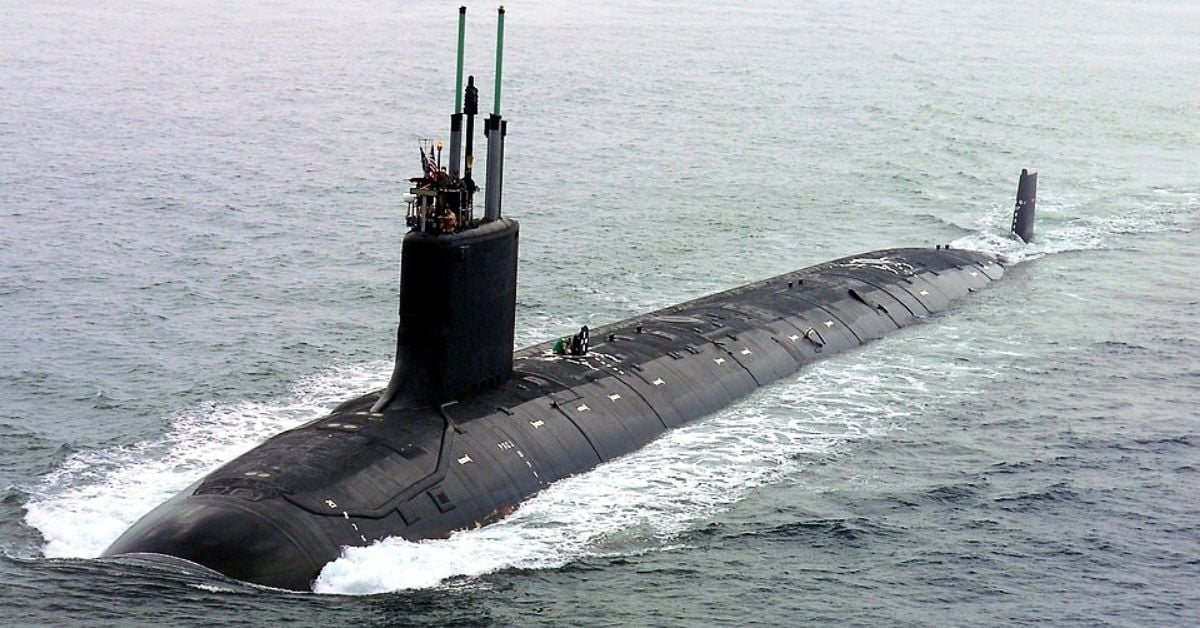
This facility will not attempt full-scale submarine overhauls. It will specialize in the manufacturing, repair, and refurbishment of components specifically for five submarine classes: Los Angeles, Virginia, Seawolf, Ohio, and Columbia. The mandate to maintain at least one complete set of spare equipment for each class is a pragmatic, calibrated approach to a chronic problem. Submarine maintenance delays are not abstract; they degrade deterrence and intelligence-gathering missions. By centralizing parts management and repair in a geographically central hub that can work with existing Navy shipyards and suppliers, the center aims to reduce those delays through system integration rather than heroic effort. This mirrors the thinking behind Calibrating port resilience against measurable cyclone-driven economic loss, where preparedness requires mapping infrastructure to risk rather than reacting to disruption.
What remains unvalidated, however, is execution. The budget, construction schedule, and expected number of jobs have not been announced. The center's efficiency will depend entirely on its data-sharing and workflow integration with shipyards it does not control. Without a clear, measurable framework for tracking component availability and turnaround times, the hub risks becoming another node in a fragmented system rather than a solution. The August 13 presidential memorandum also called for a separate plan for a fifth public Navy yard, a larger, structural intervention that implies the component center alone will not close the readiness gap. Strategic location and skilled workforce alone do not guarantee improved fleet outcomes; they are necessary conditions, not sufficient ones.
Our take is this: The Cleveland center is a sensible, geographically optimized piece of a larger puzzle, but it is not the puzzle itself. The open question to watch is whether the Department of War will publish the empirical criteria, component throughput rates, reduction in maintenance backlog, integration timelines with existing suppliers, that will define success. If this facility operates as a silo, it will fail. If it operates as a calibrated node in an integrated data ecosystem, it becomes a replicable model for defense infrastructure. The ocean intelligence community understands that data integration turns infrastructure into capability. The same principle applies below the waves.