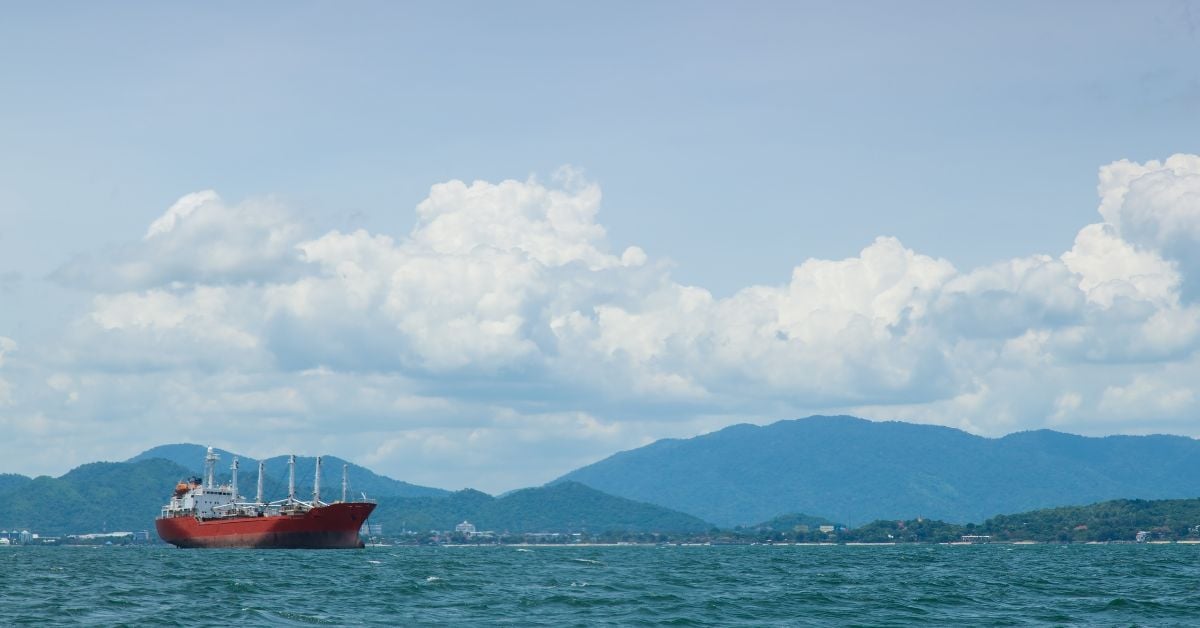
A floating slick of perfume bottles and iPhone boxes in the Strait of Hormuz is not a spectacle; it is a signal. The video of people retrieving luxury goods from the water around the sunken GFS Pride makes for arresting imagery, but the real story is the deepening erosion of maritime safety in one of the world's most vital chokepoints. The loss of 2,500 containers of consumer electronics and fragrances is a secondary concern next to the fact that a Singapore-flagged vessel was hit by a projectile, caught fire, and sank with its crew, who were fortunately rescued, while the geopolitical blame game between Iran and the U.S. continues. This is not an isolated event. As we have documented in When Communication Fails: Ambiguous VHF Exchange Prevents TSS Collision, ambiguous signals and poor situational awareness in congested waters can lead to disaster even without direct hostilities. And the recent Drone Attacks Ignite Russian Tankers Off Romania's Black Sea Coast show that the weaponization of commercial shipping lanes is not confined to the Gulf region.
Our take is direct: the Strait of Hormuz is becoming a calculated hazard for global trade, and the maritime industry must stop treating these incidents as individual anomalies. Iran has openly stated it will tighten its grip on the waterway and use new tactics to restrict traffic. The U.S. Navy has already destroyed an Iranian boat in response. Meanwhile, the UK Maritime Trade Operations agency reports at least five ship attacks last month and two in the past 48 hours. A bulk carrier sank near Hormuz in a separate drone attack last month, killing one seafarer. The pattern is empirical and measurable: commercial vessels are being treated as legitimate targets in a conflict that neither side appears willing to de-escalate. The cargo of luxury goods is a distraction. The real cargo is the risk to seafarers, the integrity of supply chains, and the stability of energy markets.
For our readers, researchers, policymakers, and maritime operators, the practical takeaway is that standard risk assessments for transiting the Strait of Hormuz are no longer sufficient. The assumption that a vessel's flag, cargo, or crew nationality provides protection has been invalidated. The GFS Pride was Singapore-flagged and carrying Dubai-origin goods; it was still struck. The immediate consequence is that insurance premiums for transits through the strait will rise, and shipping companies will face pressure to reroute, lengthening voyages and increasing costs. But the larger open question is whether the international community can enforce any semblance of safe passage when one party to the conflict controls the waterway and the other is conducting naval operations within it. The calls for both sides to reach an agreement are necessary but, given the escalation in the past week, sound more like ritual statements than actionable diplomacy.
Watch the price of oil. The material explicitly connects the tightening of Iranian restrictions to U.S. midterm election pressures, and that linkage is the detail to monitor. If shipping through the strait becomes unpredictable, energy markets will react before humanitarian concerns do. The GFS Pride's cargo of perfume and phones is already scattered and lost. The next vessel may not be so lucky, and its cargo may not be consumer goods.