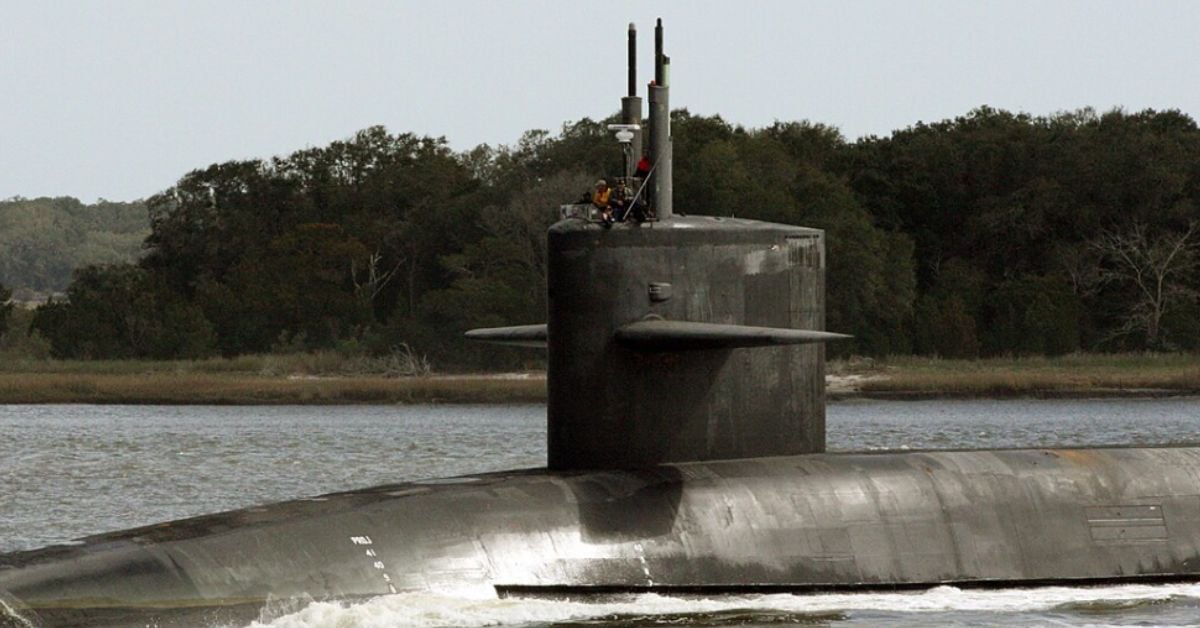
The redeployment of the USS Wyoming to Naval Base Kitsap-Bangor is a prudent, data-driven rebalancing, not a dramatic escalation. The U.S. Navy has swapped an older Ohio-class hull for a relatively newer one in the Pacific, prioritizing fleet readiness and systems reliability over sheer numbers. This is a measured logistical adjustment, and it tells us something important about how strategic deterrence is being managed in an era of aging platforms and rising maintenance costs.
What matters here is the rationale: the Navy is extending the service life of these submarines to 42 years, a figure that carries real consequences. Older hulls require more frequent repairs, more complex refueling, and increasingly difficult integration of modern technology. By moving the USS Wyoming, commissioned in 1996, seven years younger than the USS Pennsylvania it replaced, to Bangor, the Navy is putting a more dependable hull in the theater where it matters most. This is not a surge in capability; it is a calibration based on empirical service-life data. The same logic underpins the X-Bow Systems to develop next-gen solid rocket booster under Navy contract and the Trident II D5 Life Extension 2 Project, both of which aim to keep existing systems effective without building entirely new platforms from scratch. The parallel is clear: the Navy is choosing to validate and extend what it has, rather than chase a headline-grabbing buildup.
For our readers, whether in defense analysis, policymaking, or strategic studies, the practical takeaway is about the cost of longevity. Extending Ohio-class submarines to 42 years of service increases operational expenses across maintenance, refueling, and upgrades. Bangor must now support these aging boats while simultaneously preparing for the Columbia-class replacement. That dual burden is a measurable constraint on Pacific posture. The Navy has also chosen not to move entire crews across coasts, instead swapping the submarines while preserving command structures. This decision avoids disruption to training and family stability, but it also signals that the human capital pipeline is as critical as the hardware.
The open question is whether the Trident II D5 Life Extension Project and the Columbia-class timeline can keep pace with the accelerated wear these older platforms are experiencing. The Longest carrier deployment in decades signals shifting maritime demands reminds us that the Navy is pushing its legacy assets hard. The Wyoming swap buys time and reliability, but it does not solve the fundamental math of a 42-year hull trying to integrate 21st-century systems. The detail to watch is the refueling and upgrade schedule for the Ohio-class boats remaining in the Pacific, that will tell us how long this measured shift can hold before the next recalibration becomes unavoidable.