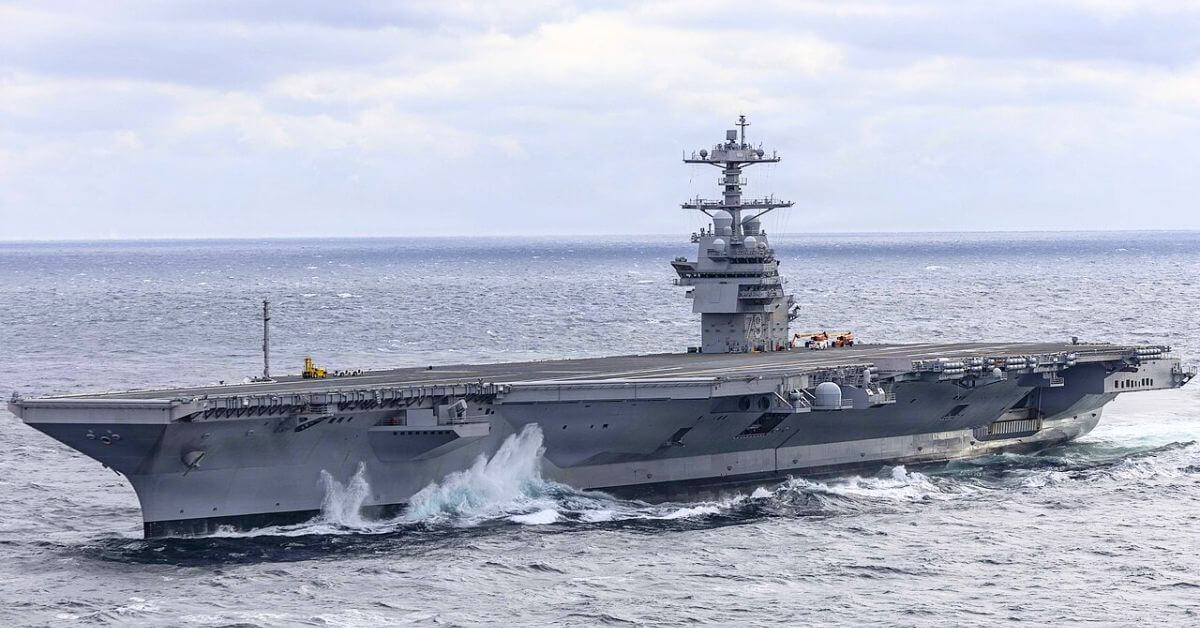
The preliminary acceptance of USS John F. Kennedy (CVN 79) marks a measured, practical milestone, not a ribbon-cutting, but a signal that rigorous testing now takes precedence over construction schedules. For those tracking naval capability, this is where engineering reality meets operational demand. The carrier is 99% complete, yet the Navy has chosen to take the ship to sea before the final elevator testing is finished. That choice reveals a deliberate shift in how the service thinks about readiness: get the crew aboard, find the problems, and solve them under real conditions rather than on a pier.
This approach becomes more significant when placed alongside the service lives of other vessels in the fleet. Three Naval Vessels Retired After Four Decades of Measured Service reminds us that the Navy is simultaneously shedding older platforms built for a different era. The Ford class is not just a replacement; it is a bet on integrated systems, advanced weapons elevators, and electromagnetic launch technology that demands a new kind of familiarity from its crews. The extra sea time afforded by preliminary acceptance lets the *Kennedy*'s sailors build that muscle memory before the ship is formally handed over. Meanwhile, Carrier Bush Arrives in Thailand With 4,800 Personnel After Deployment demonstrates that existing carriers continue to project power under the old paradigm. The gap between the Bush's proven conventional systems and the Kennedy's untested new ones is where the Navy's real work lies.
Our take is straightforward: this milestone matters because it accelerates the feedback loop between builder and operator. Newport News Shipbuilding has completed all major systems. The remaining four Advanced Weapons Elevators are the last physical unknowns. Testing them while the crew trains at sea collapses the timeline from delivery to combat-ready status. The Navy's Portfolio Acquisition Executive for Maritime claims this is the fastest path forward. That claim is plausible if the at-sea testing reveals no critical flaws. One specific takeaway: watch the elevator certification timeline. If those four elevators pass sea trials without major rework, the formal handover in spring 2027 stays on track. If they do not, the delay will cascade into the carrier's first deployment schedule. The ocean does not wait for elevators, and neither does the strategic calculus that puts a Ford-class carrier into contested waters.