U.S Navy
79 stories filed under U.S Navy on World Data Ocean. The newest of them: “Navy Implements Electrical Safety Measures, Bans Portable ACs at San Diego Barracks”, “Navy Personnel Face Justice for Fentanyl Distribution Aboard Aircraft Carrier”, and “Saudi Arabia Redirects Oil Exports; Global Supply Concerns Ease.”. Safety protocols at San Diego's Building 635 now require sailors to unplug portable air conditioners, following a memo issued Aug. Two former U.S. A Global Hub for Ocean Intelligence 4 World Data Ocean is a centralized digital platform where researchers, scientists, and ocean enthusiasts converge to… The list below is every U.S Navy story on World Data Ocean, newest first.
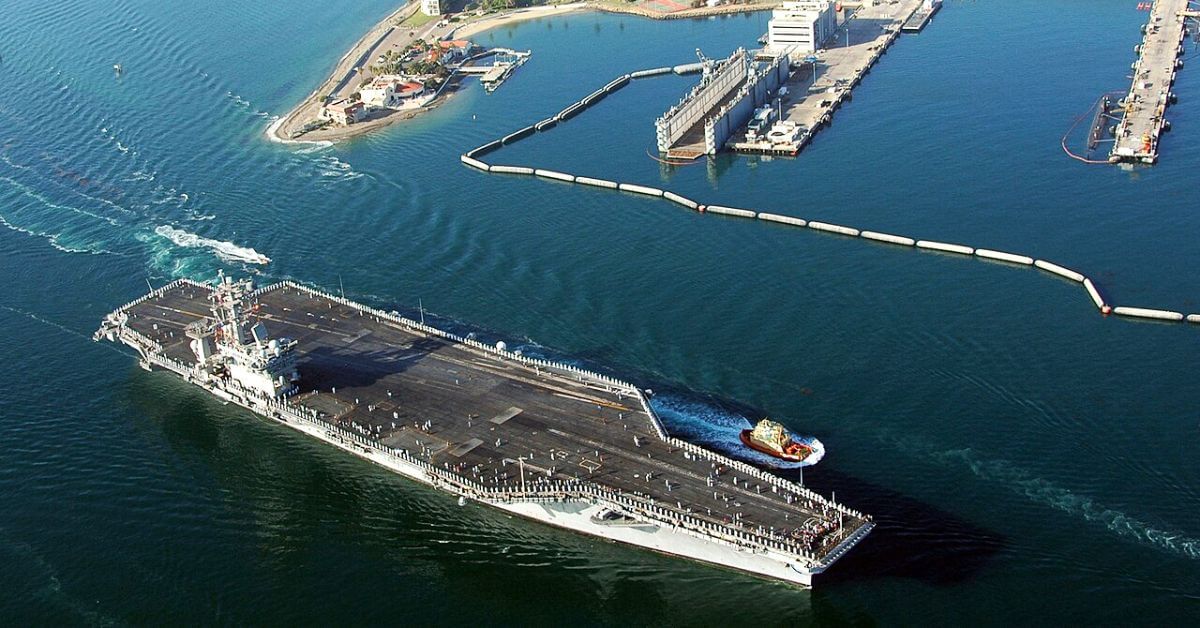
Navy Implements Electrical Safety Measures, Bans Portable ACs at San Diego Barracks
Safety protocols at San Diego's Building 635 now require sailors to unplug portable air conditioners, following a memo issued Aug. 31 with a one-week removal deadline. The measure prioritizes electrical integrity over comfort, a practical trade-off in aging barracks infrastructure. While the summer heat makes the timing uncomfortable, operational readiness depends on mitigating fire and power risks before they escalate. For context on how the Navy approaches long-term capability challenges, our coverage of India's expanded fleet projections offers a broader look at maritime strategic planning.
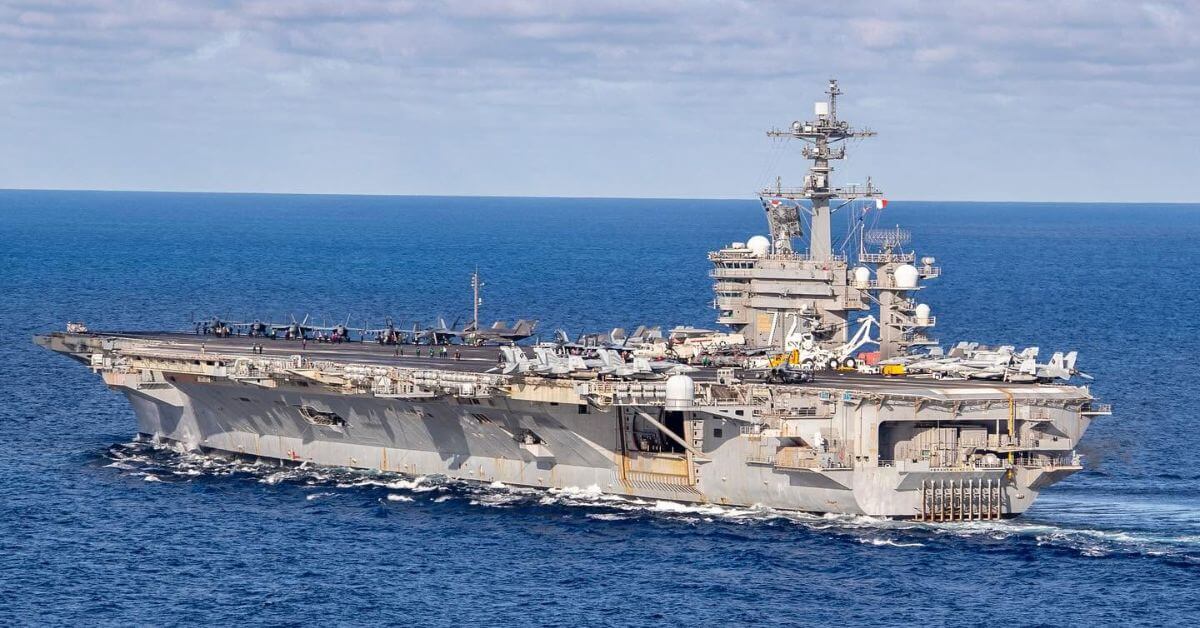
Navy Personnel Face Justice for Fentanyl Distribution Aboard Aircraft Carrier
Two former U.S. Navy sailors have pleaded guilty in federal court to selling counterfeit oxycodone pills laced with fentanyl to fellow crew members aboard an aircraft carrier. This is a sobering breach of trust, one that compromises both legal integrity and the operational readiness our forces depend on. Accountability here is not optional; it is essential.
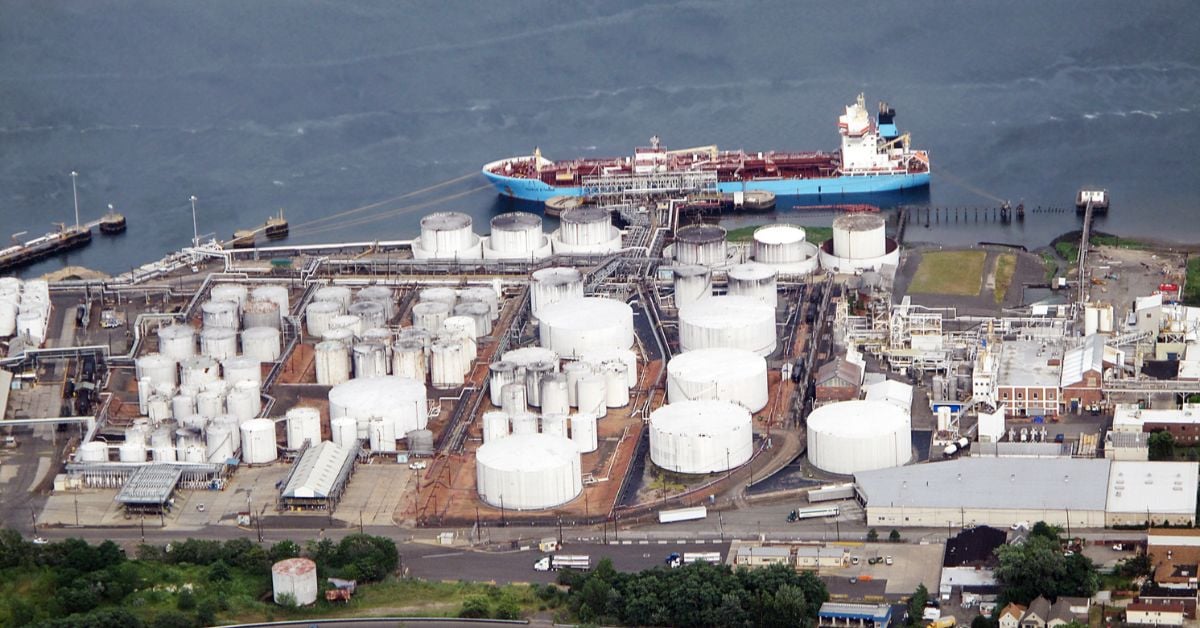
Saudi Arabia Redirects Oil Exports; Global Supply Concerns Ease.
Saudi Arabia's decision to reroute crude through Oman has already trimmed oil prices by 1.2%, a measured market response to reduced supply fears. The move does not erase the Strait of Hormuz's fragility, but it buys time for diplomacy. This is pragmatic recalibration, not panic. For those tracking the mechanics, our related piece on Gulf of Oman STS transfers shows how strained these alternative routes have become. The pressure has not lifted; it has simply shifted.
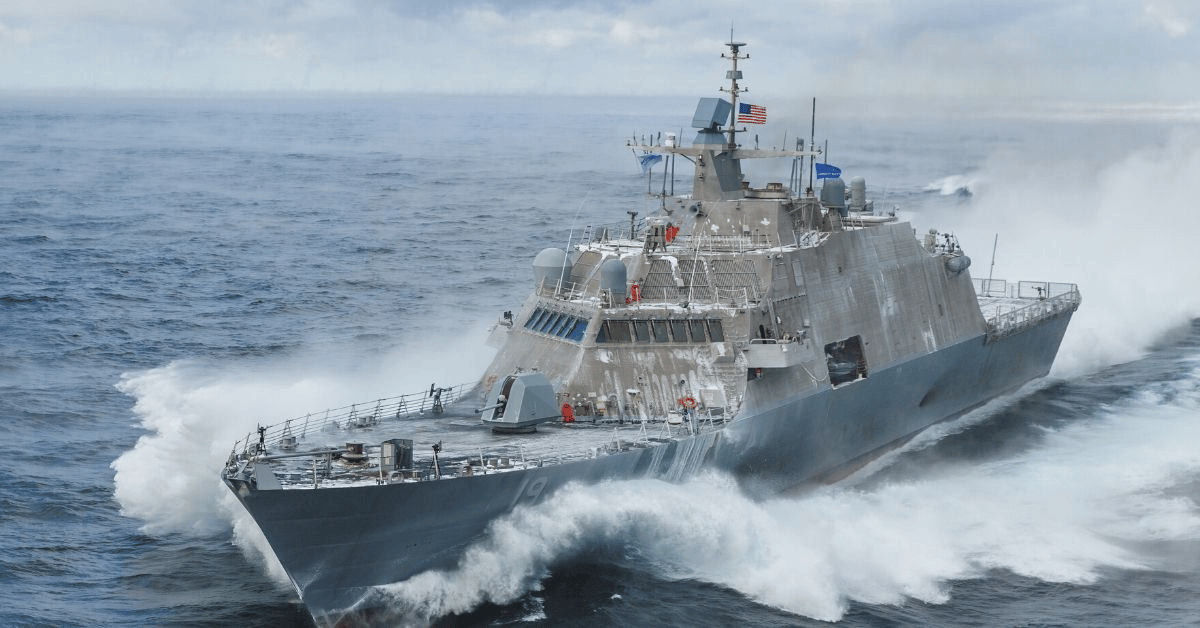
Maritime Data Supports Border Security: USS St. Louis Deployed
The USS St. Louis has departed Florida to support U.S. Northern Command's southern border mission, with a focus on maritime interdiction against illicit drug trafficking. This deployment underscores how validated, real-time ocean intelligence is becoming essential to national security operations. The ability to integrate data from surface assets and patrol efforts turns raw observation into actionable decision-making. It is a practical demonstration that border protection extends well beyond land.

Naval Aviation's Future: HII Secures Contract for Next-Generation Carrier
A $336 million agreement with HII secures the components for CVN 82, a nuclear-powered carrier that will extend the Navy's operational reach. This is a deliberate investment in long-term maritime capability, not a headline-grabbing gesture. The ship represents the kind of sustained, measurable progress that defines modern naval force design. For readers tracking how these platforms fit into a broader picture, our coverage of "China's New Nuclear Carrier Signals Extended Naval Operations Capability" offers useful context.
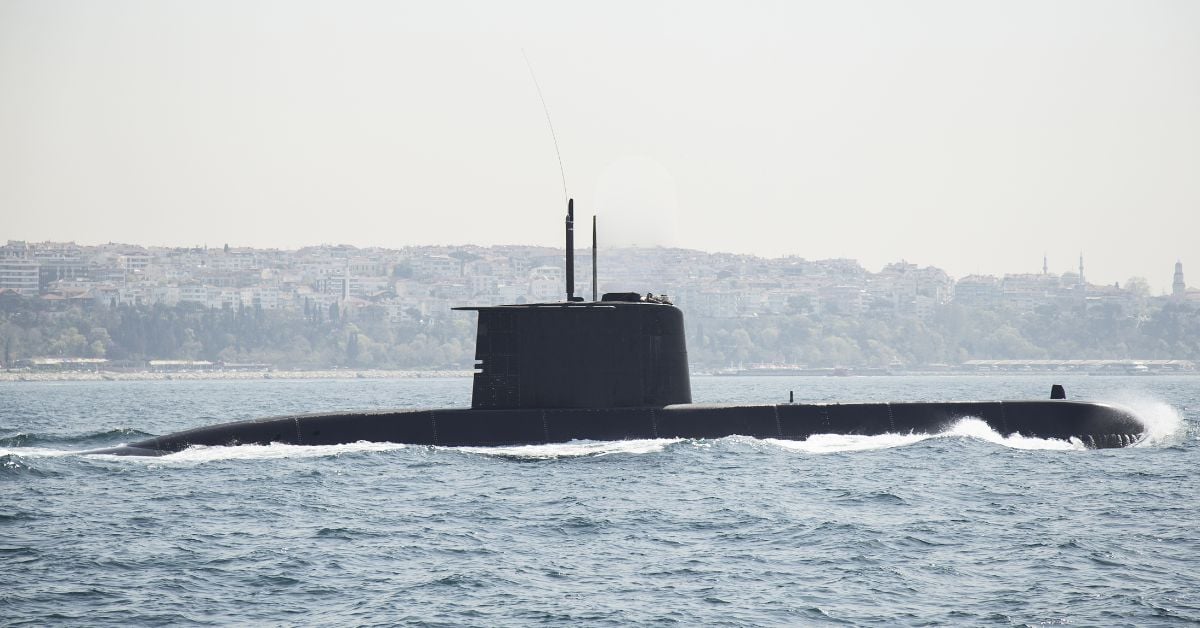
Autonomous Drone Encounter Highlights Growing Maritime Technology in the Hormuz Strait
The underwater drone detected near the Hormuz Strait is likely Anduril's Dive-D, a calibrated, autonomous system built for defense. This sighting underscores a measurable shift: maritime technology is no longer confined to surface vessels. Empirical observation of such platforms matters, because understanding drives protection. For deeper context on regional shipping pressures, see our coverage of "Gulf of Oman STS Transfers Max Out Amid Rising Saudi Oil Exports." The strait's future demands integrated, peer-reviewed intelligence, not alarm.
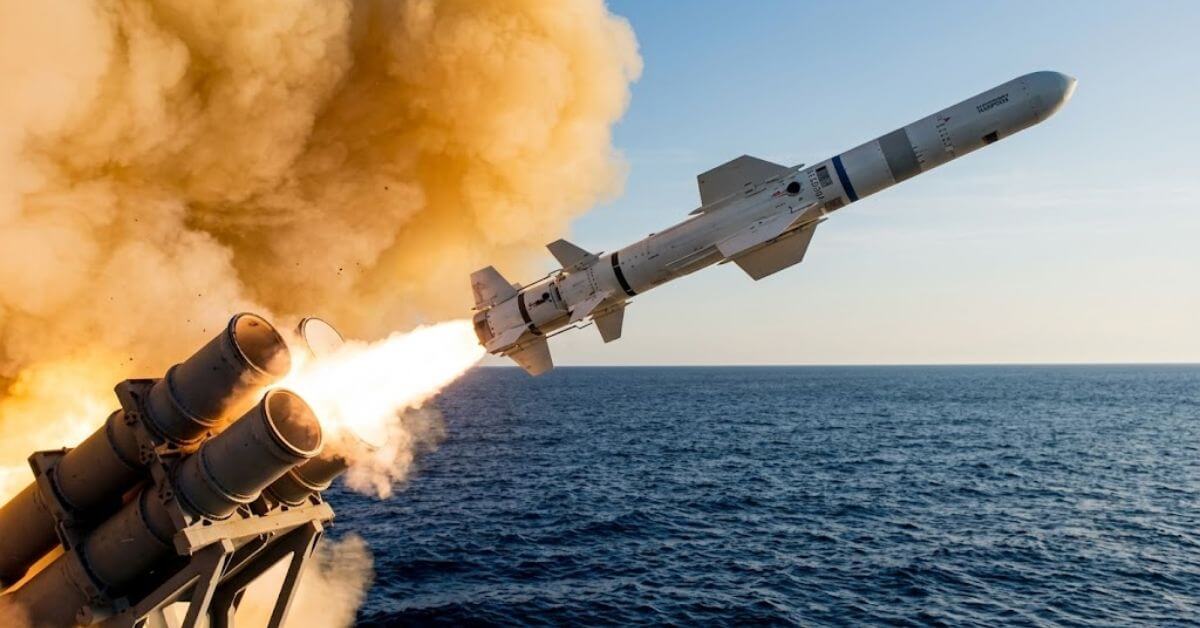
Escalation in Strait of Hormuz: Iran Tests Missile Near U.S. Navy.
Iran's IRGC announced a missile test near a U.S. aircraft carrier and destroyer in the Strait of Hormuz, a calibrated escalation that demands measured analysis. This is not alarmism; it is a real-time indicator of strategic friction in a waterway that carries a fifth of global oil. Such actions validate the urgency of integrated maritime monitoring. For deeper context on regional oil flows, see our related article on Gulf of Oman STS transfers operating at maximum capacity. Understanding drives protection.
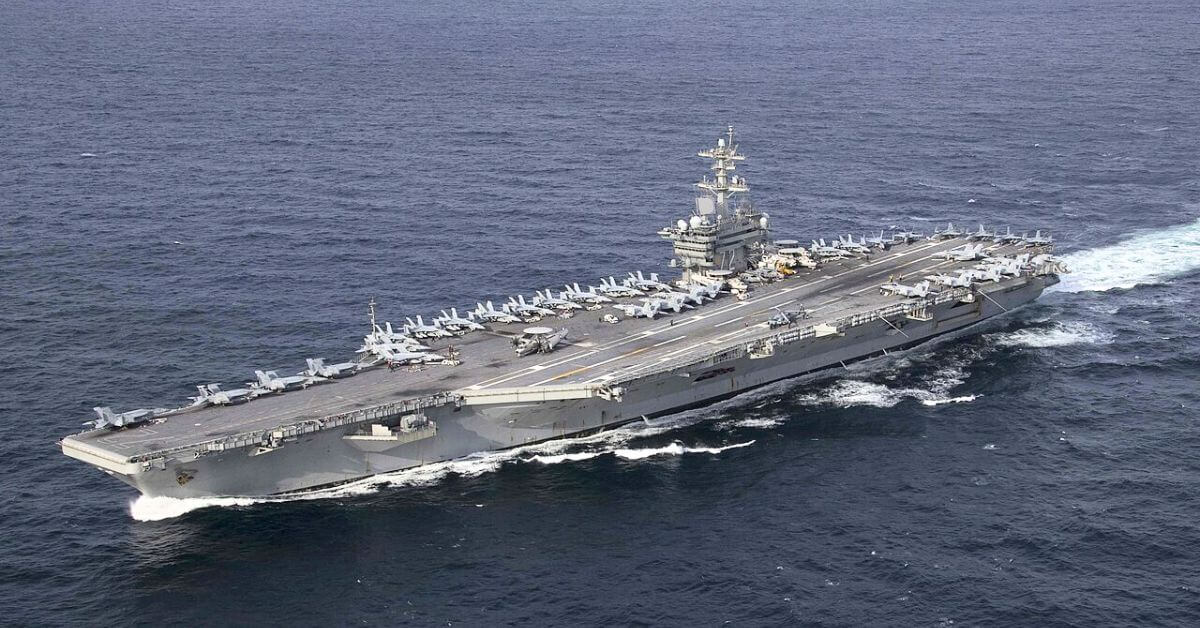
Abraham Lincoln Carrier Crew Recovers After Middle East Operations
The carrier crew's return marks the end of a demanding deployment, one that included extended operations in the Middle East. A short break now offers a measured pause before the rhythms of duty resume. Such respites matter; they restore focus and readiness. For context on the region's maritime pressures, our related piece on Gulf of Oman STS transfers highlights the logistical intensity that continues nearby. Operational tempo takes a toll, and acknowledging that is part of understanding naval power.
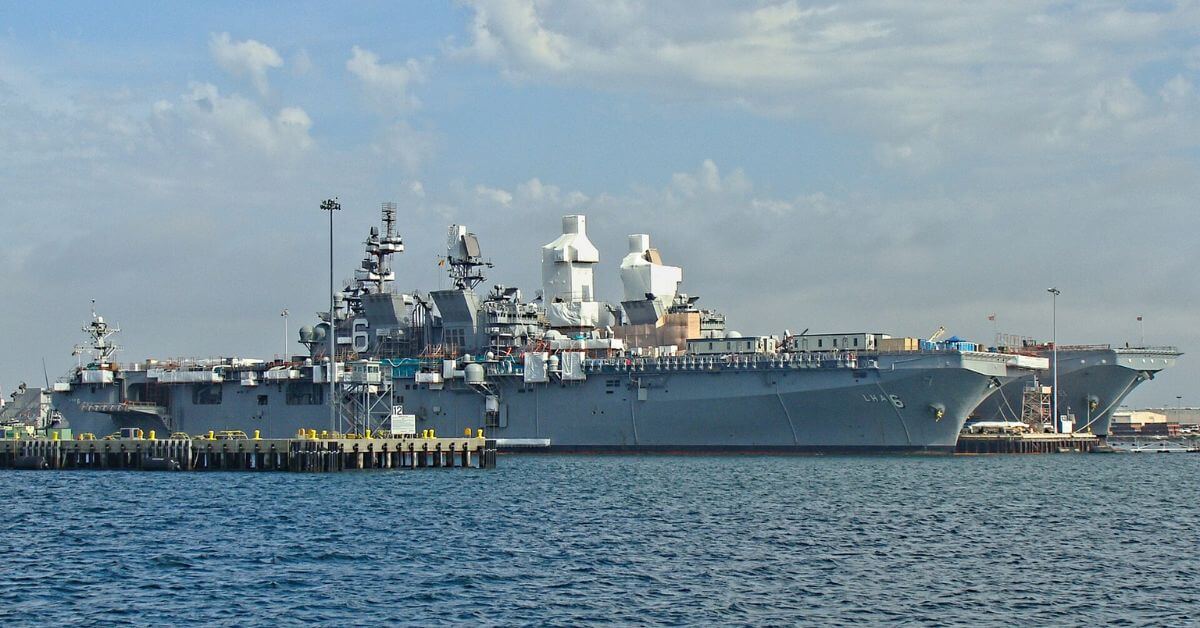
Integrating AI and Robotics to Enhance Maritime Production Capacity
Skilled labor, upgraded shipyards, and robotics are converging on the maritime sector. The company's plan to integrate physical AI into its production lines is a practical response to mounting capacity demands, not a distant ambition. This move toward automation and precision aligns with the need for measurable efficiency gains. For context on how other nations are scaling their naval ambitions, our piece on the **U.S. Navy Accelerates Submarine Production with Integrated Strategy** offers a useful comparison. The tide is turning toward smarter, faster shipbuilding.
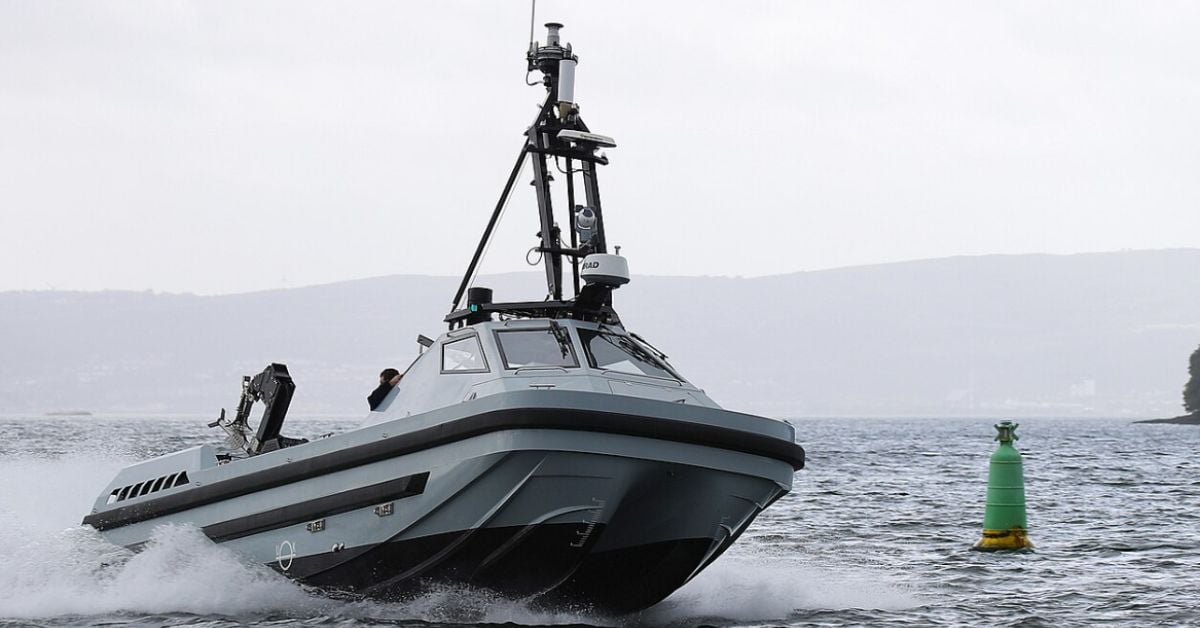
Disputed Incident: Iran Claims Attack on U.S. Unmanned Vessel in Hormuz.
Iran's claim that it attacked an unmanned U.S. vessel in the Strait of Hormuz marks another calculated escalation in a waterway already strained by maximum-capacity oil transfers. The move, framed as a response to a vessel entering a restricted area, underscores how quickly regional tensions can tip into direct confrontation. For a region where phased negotiations and multilateral pressure are already in play, this incident adds a volatile new variable.
Autonomous Refueling Extends Ocean Drone Mission Capabilities.
In just seven months, a robotic system refueled a drone boat at sea, sparing it a return to port. That speed matters. Extending mission range without shore-side stops is the kind of incremental progress that turns autonomous systems from experimental tools into practical assets. It is a measured step, but a telling one. For deeper context on how the Navy is folding such capabilities into broader operations, our related coverage in "Navy Accelerates Autonomous Systems Integration for Enhanced Maritime Operations" offers useful grounding.

Iran Plans Exclusion Zone in Strategic Strait of Hormuz.
Iran's decision to establish an exclusion zone around the Strait of Hormuz signals a deliberate move to control one of the world's most vital maritime passages. Requiring permission to transit is not a technicality; it is a statement of leverage. The move carries measurable implications for global shipping and energy routes, and it demands calibrated attention from the international community.
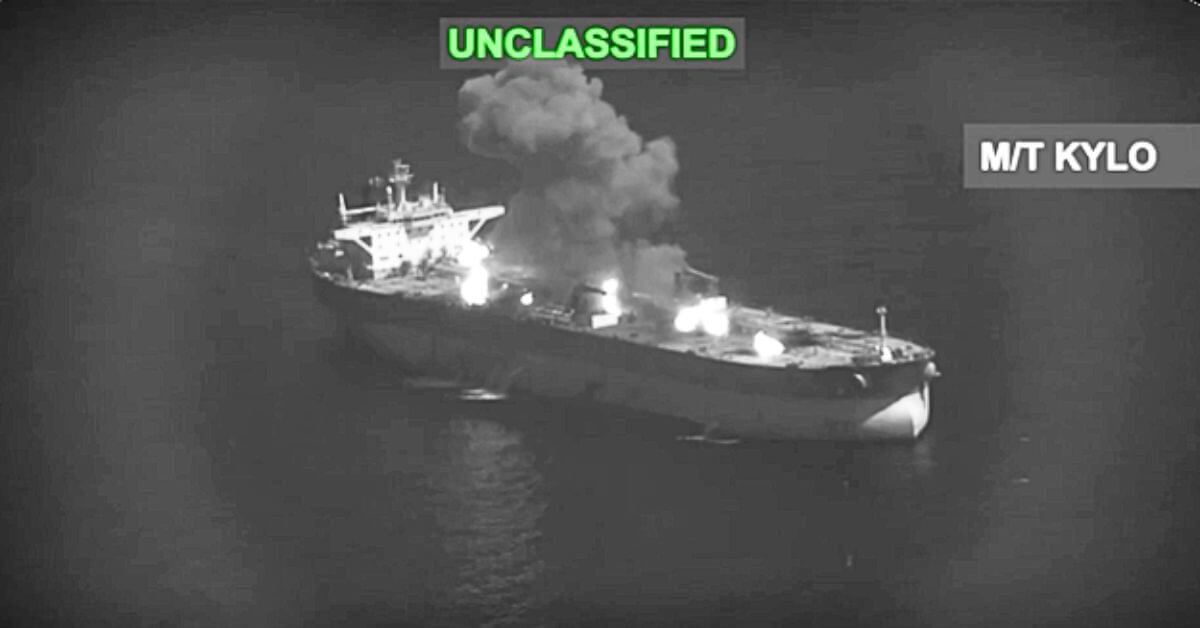
Escalation in the Persian Gulf: U.S. Responds to Iranian Attacks
A U.S. aircraft carrier and a guided-missile destroyer navigated through a series of Iranian attacks in the Persian Gulf without a single American casualty, according to CENTCOM. The outcome reflects precision under pressure, though the episode underscores how fragile maritime security remains in a region where energy flows and geopolitical stakes converge. This incident sits alongside broader tensions, such as those detailed in "Phased Negotiations Aim to Ease Restrictions on Strait of Hormuz," where diplomatic pathways remain tentative yet essential.
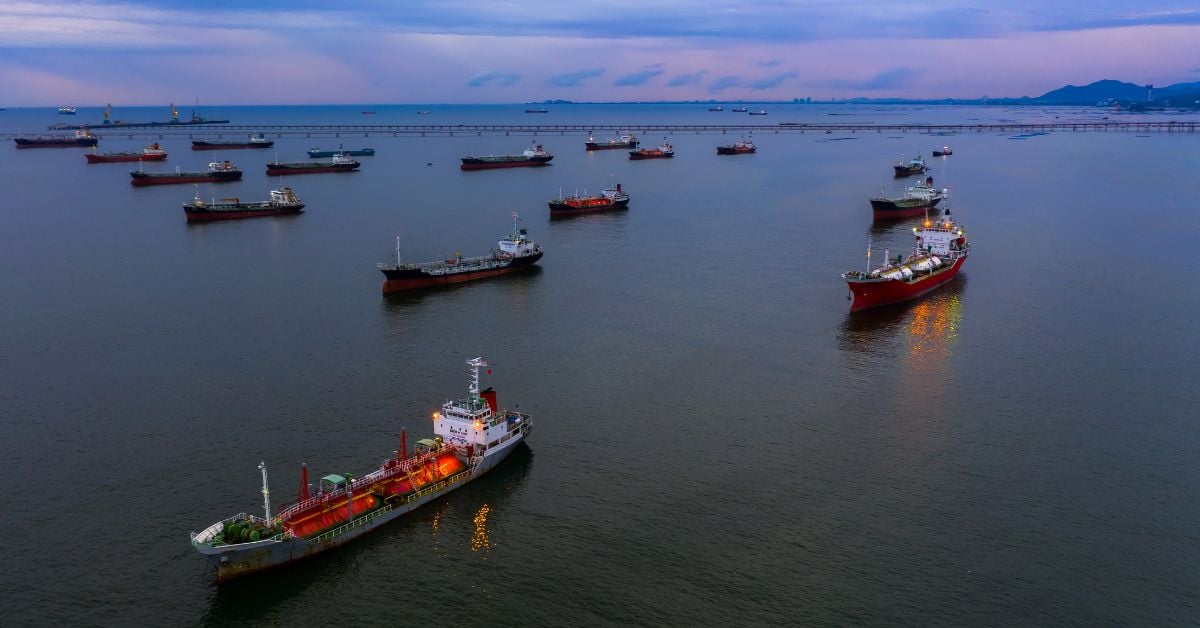
Naval Escort Ensures Oil Transit Through Strait of Hormuz.
On Tuesday, 40 tankers carrying roughly 18 million barrels of crude moved through the Strait of Hormuz under U.S. Navy escort, a measured show of force that underscores how vital this corridor remains to global energy stability. The transit proceeded without incident, but the escort is a reminder that maritime security is not automatic. For those tracking the region's shifting dynamics, our coverage of phased negotiations to ease restrictions on the Strait offers useful context. Reliable passage here is not just strategic; it is foundational.
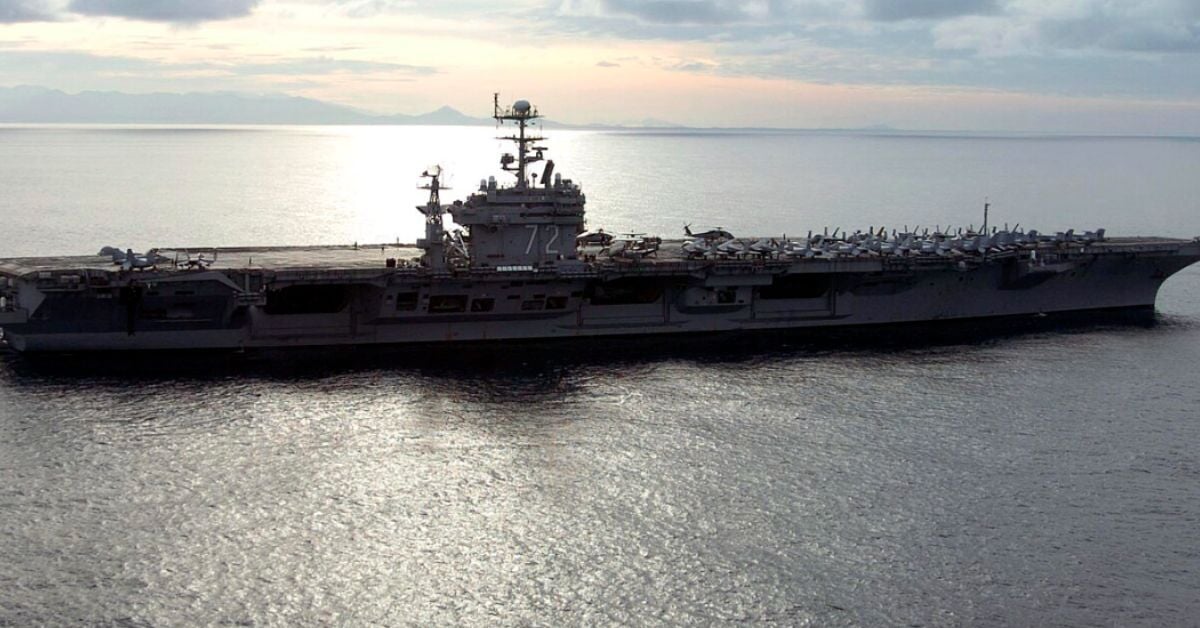
Naval Personnel Incident Under Review Following Overseas Altercation
Two sailors from the USS Abraham Lincoln are under review after an overseas altercation outside a bar, with a citizen calling police to resolve the incident. Discipline in such moments reflects directly on operational readiness, and the Navy's response will be closely watched. Incidents like this underscore why standards matter, especially as the service pushes forward on integration of new capabilities. For broader context on that push, see our coverage of the Navy's new center for autonomous systems integration.
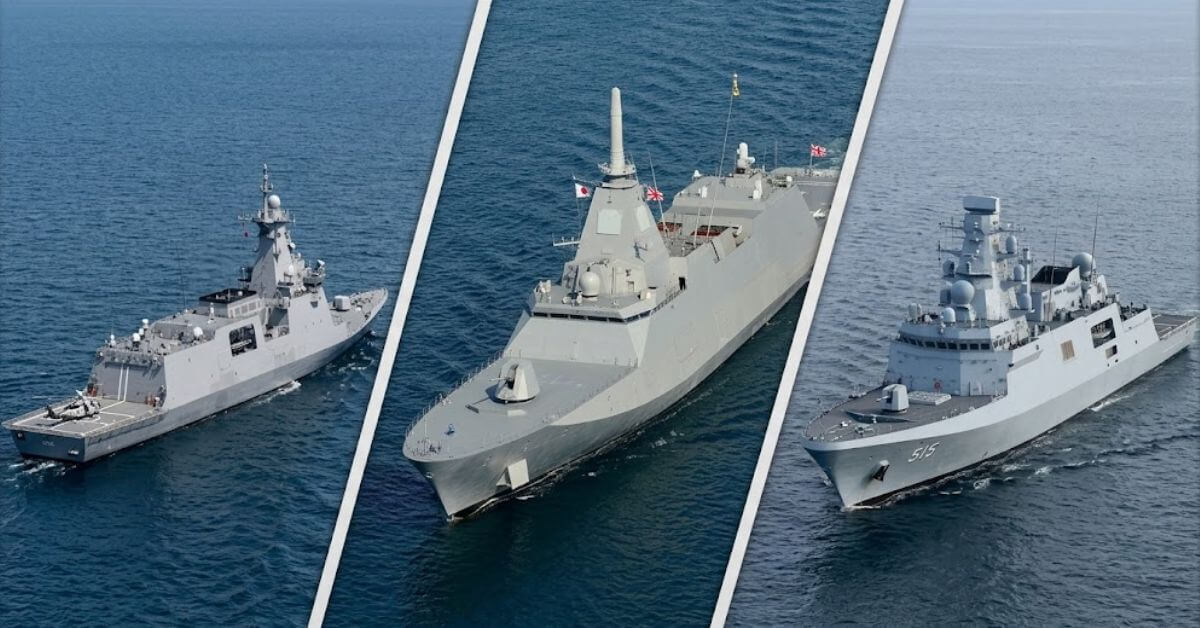
Global Shipbuilding Collaboration: Navy Explores International Frigate Options
The U.S. Navy's move to explore international frigate options signals a pragmatic shift toward speed without sacrificing domestic investment. This approach, which pairs foreign collaboration with targeted funding for U.S. shipyards and workforce expansion, reflects a measured strategy for meeting modern demands. It is a practical acknowledgment that no single nation can build everything alone, and that shared expertise strengthens overall capability. For readers tracking parallel efforts, our coverage of India's expanded naval fleet offers a useful counterpoint.
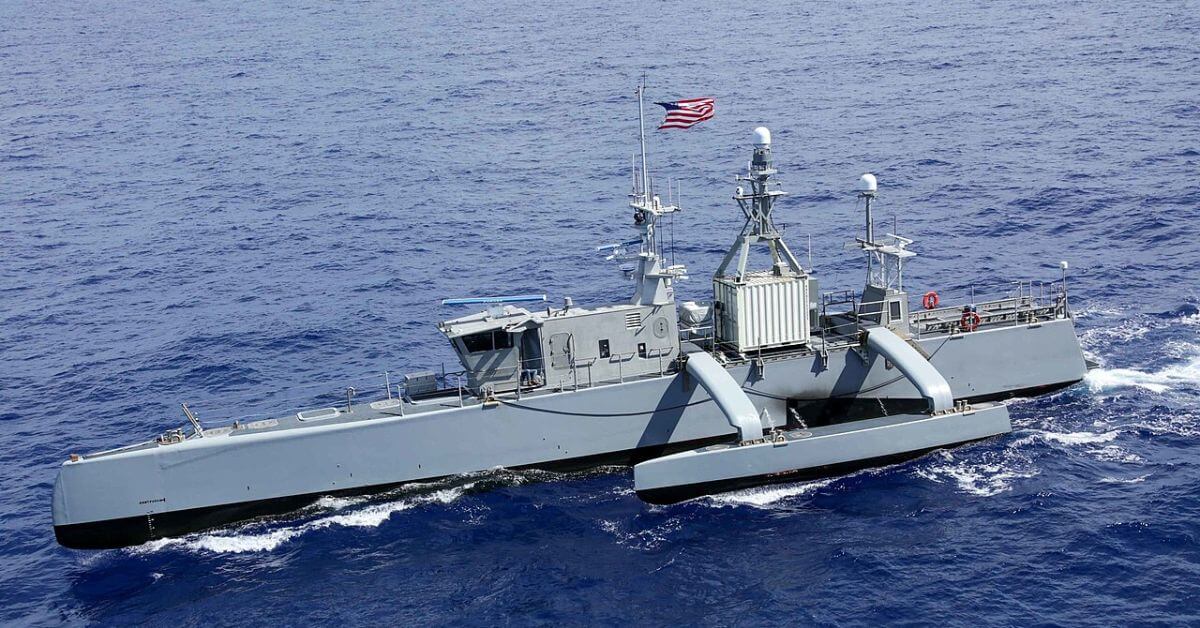
Validated Power: mtu Engines Certified for U.S. Navy Autonomous Vessels
The U.S. Navy's certification of mtu Series 4000 and 2000 engines marks a measured step forward for autonomous maritime operations. Rolls-Royce has secured a role in a domain where reliability is non-negotiable. This validation signals trust in proven engineering, not just promise. For readers tracking the service's broader push into unmanned systems, our piece on the Navy's new integration center offers useful context. Autonomous vessels depend on consistent power; these engines now carry the official weight of that responsibility.
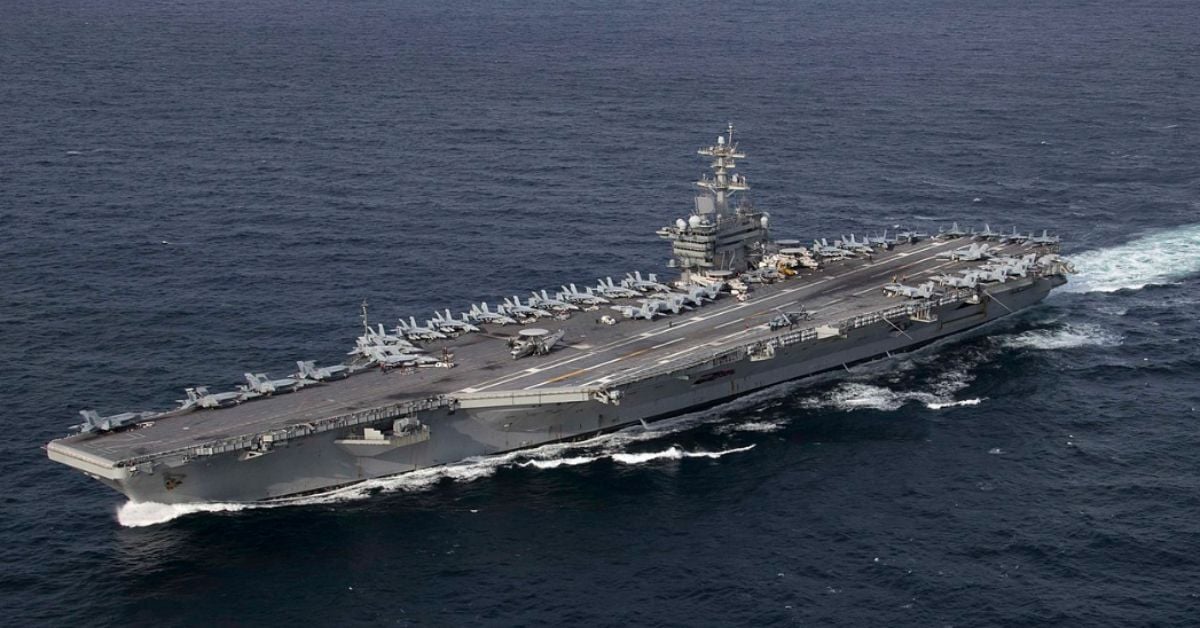
Abraham Lincoln Carrier Completes Middle East Deployment, Heads to Thailand.
The USS Abraham Lincoln will dock in Thailand after a lengthy Middle East deployment, a measured conclusion to months of forward presence. The carrier's transit home marks a routine yet significant operational milestone, reflecting sustained naval readiness across the region. While this return is standard, it underscores the quiet endurance required for global security. For broader context on maritime activity, our piece on Gulf of Oman STS transfers offers timely perspective.
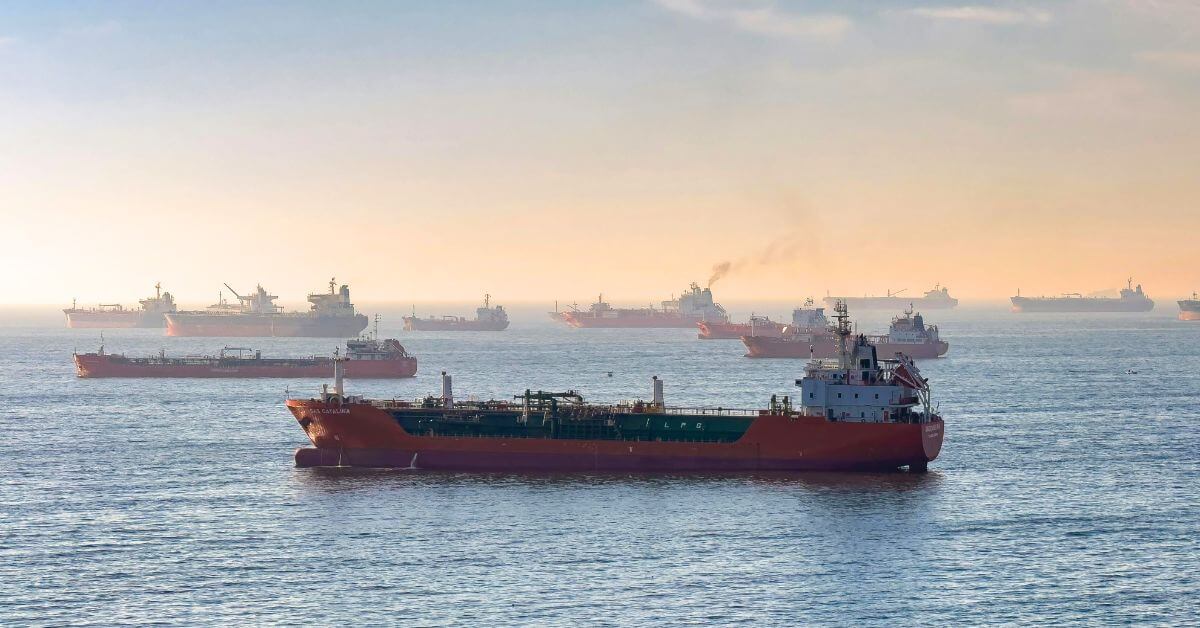
Escalation in Hormuz: U.S. Targets Iranian Tankers Amid Rising Tensions
For the first time, U.S. forces have directly targeted Iranian tankers in response to attacks on commercial shipping in the Strait of Hormuz. The escalation marks a decisive shift in how Washington is policing one of the world's most critical maritime chokepoints. Measured, but unmistakable, the action signals that the rules of engagement have changed. As pressure builds across the region, the implications for oil flows and navigation are immediate.
Drone-Launched Weapons Enhance Carrier-Based Anti-Submarine Capabilities
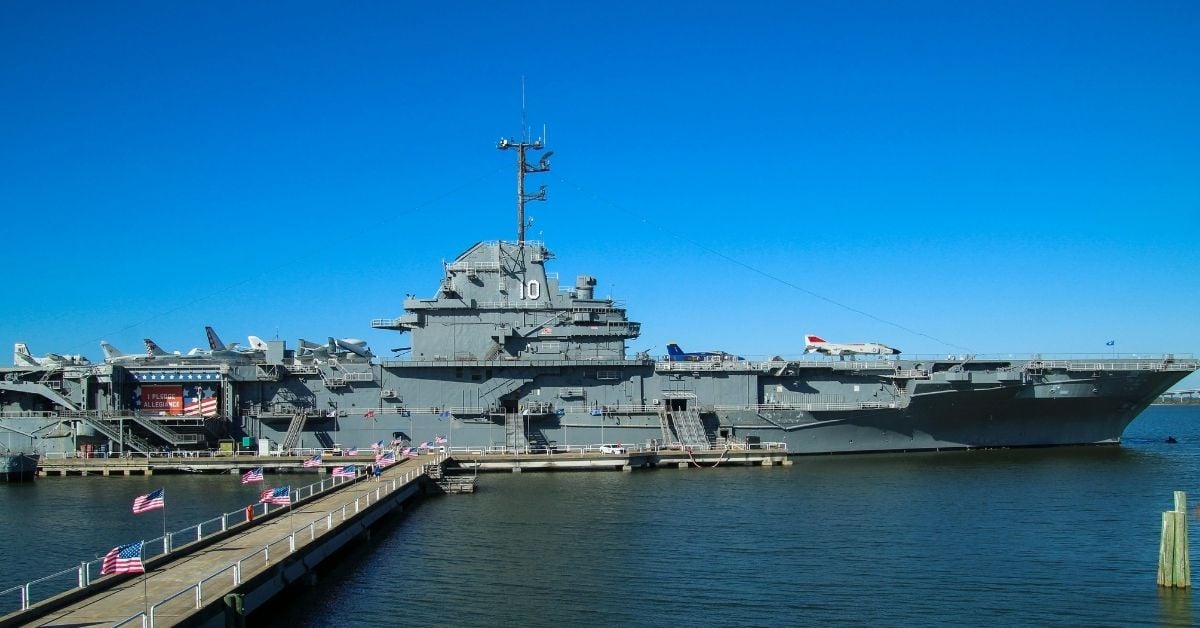
The U.S. Naval Air Systems Command is developing a weapon designed to be fired from carrier-launched drones against enemy submarines, extending strike reach beyond the ship's horizon. This is a calibrated step toward integrated ocean intelligence, pairing unmanned platforms with anti-submarine warfare in ways that demand precision. The capability reflects a broader naval evolution, much like India's expanded fleet projections. The ocean is vast, but layered, measured responses like these keep it navigable.
Transition of Naval Power: USS Theodore Roosevelt Heads to the Middle East
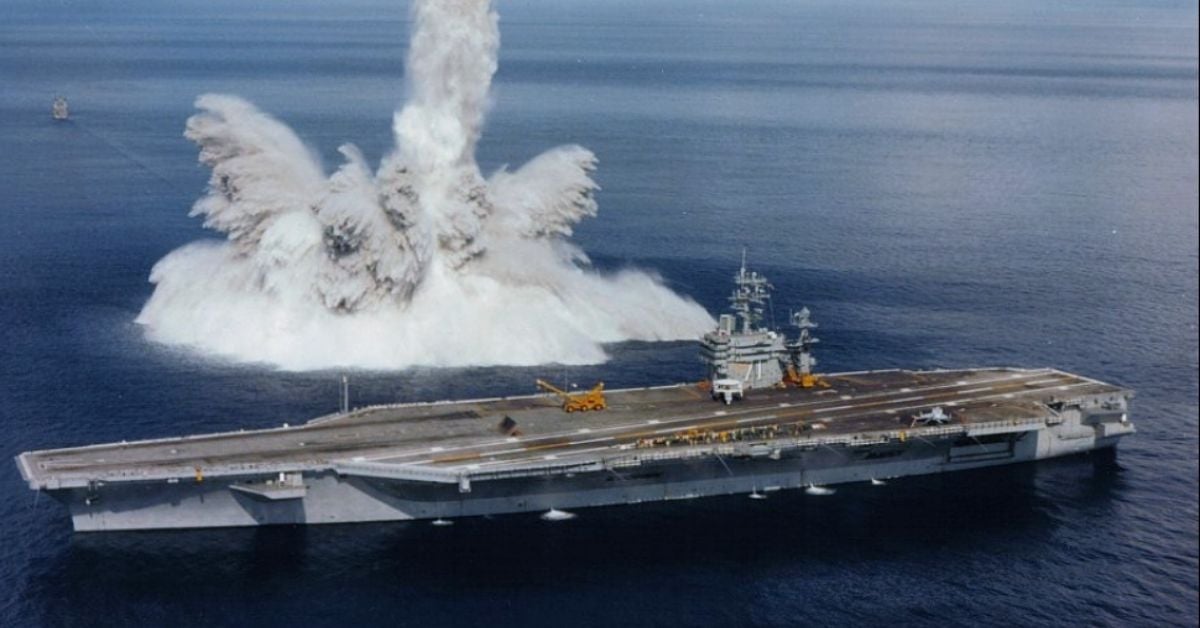
The USS Theodore Roosevelt now heads to the Middle East, closing a month of preparation that followed its command of the Rim of the Pacific 2026 exercise off Hawaii. The transition underscores how naval power is shifting from static presence to agile, integrated force projection. This deployment arrives as our coverage highlights parallel pressures: the Gulf of Oman STS transfers maxing out amid rising Saudi exports, and the Navy's push to accelerate autonomous systems integration.
Sailor Rescued from USS Abraham Lincoln Following Mental Health Incident
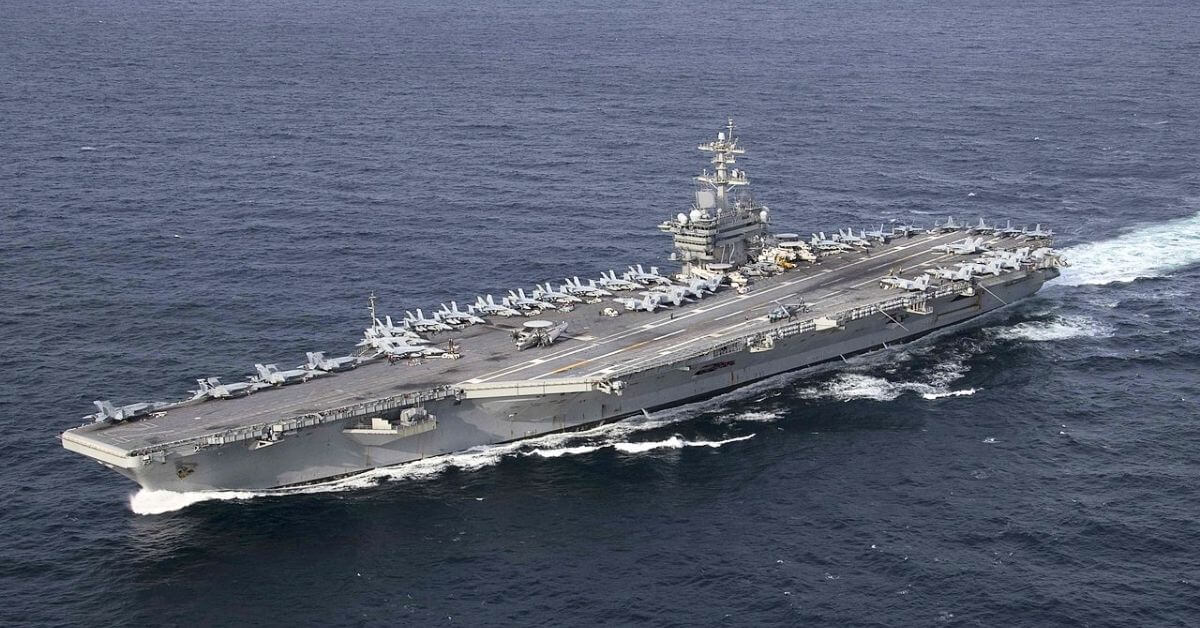
A sailor who went overboard from the USS Abraham Lincoln during what his family described as a mental health crisis has been rescued and taken for medical treatment. The incident underscores a reality often overshadowed by hardware discussions: human factors remain the most critical variable in naval operations. Even as the Navy accelerates autonomous systems integration for enhanced maritime operations, this rescue is a reminder that safeguarding personnel is the foundation of every mission.
Accelerated Submarine Readiness: Navy Calibrates 3D-Printing Standards
The U.S. Navy's new technical guidelines for 3D printing mark a deliberate step toward standardizing additive manufacturing across submarine design, repair, and maintenance. This is not flashy hardware; it is calibrated process, and that matters. Precision in fabrication demands precision in standards, especially when operational readiness is the goal. Standardization here means fewer delays and more resilient supply chains. For context, our coverage of the *Collaborative Shipbuilding Initiative Advances Ocean Data Capabilities in India* shows similar industrial momentum globally.
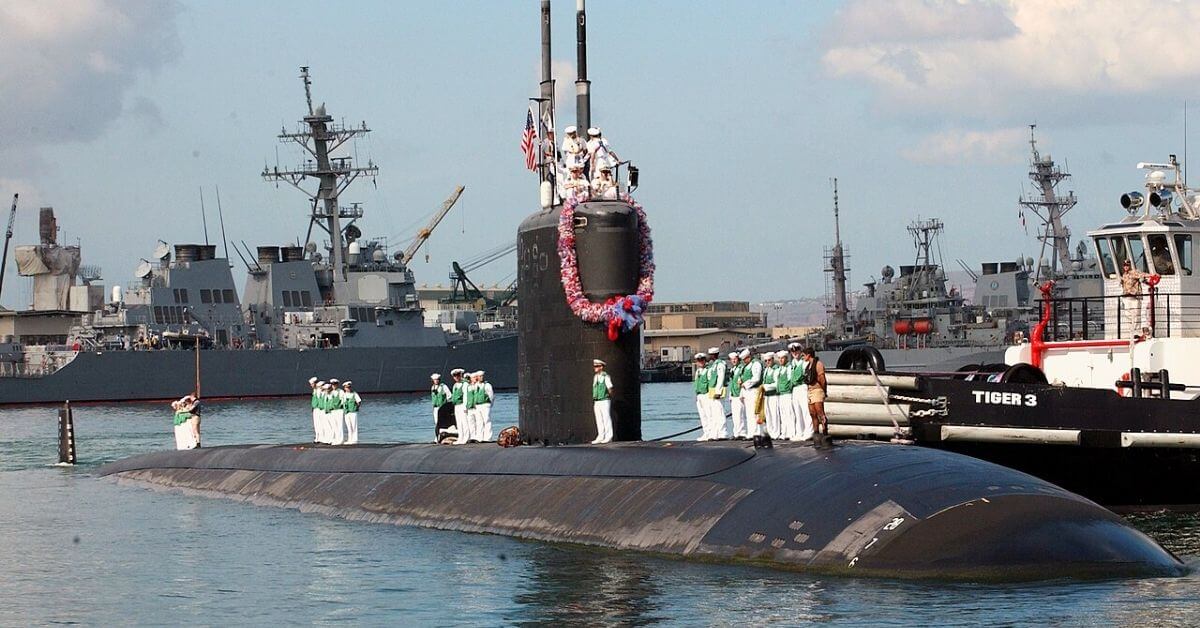
Submarine Maintenance Backlog: $3.4 Billion Cost and Operational Impacts
Fifteen submarines could sit idle for nearly 14,000 days combined between 2026 and 2030, a $3.4 billion backlog that signals a system straining under its own weight. The GAO's estimate is not abstract; it is lost operational capacity with real consequences for maritime readiness. We track these pressures closely, just as we do the Gulf of Oman STS Transfers Max Out Amid Rising Saudi Oil Exports, where infrastructure limits are equally visible.