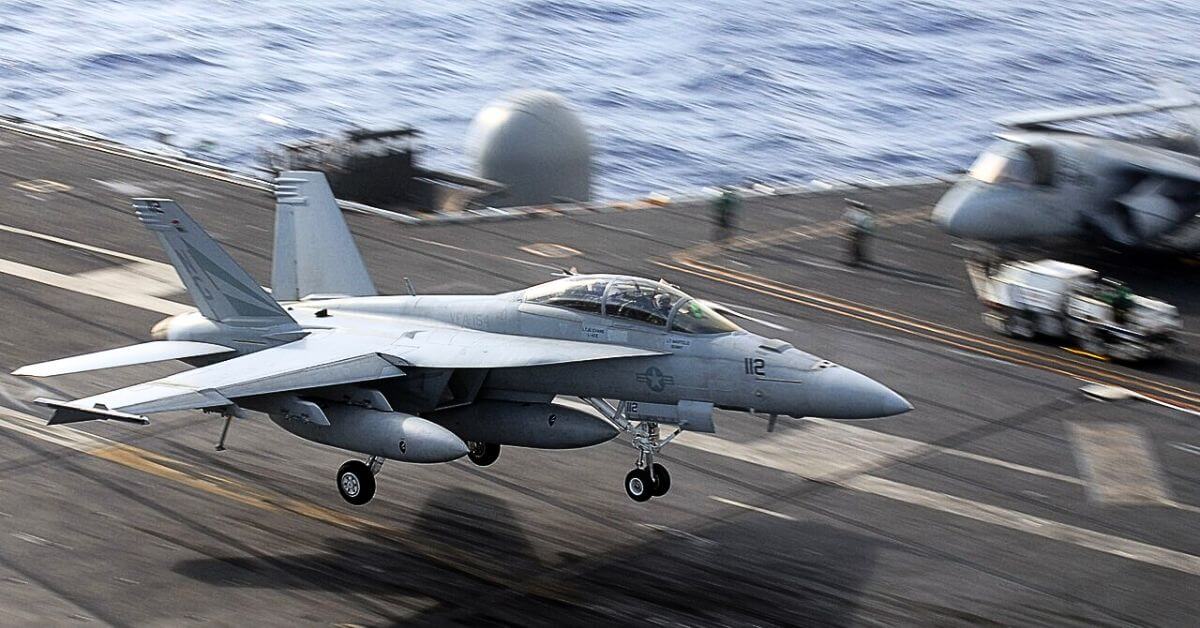
This contract for a sixth-generation fighter signals something worth paying attention to, and it is not simply about faster jets. What the U.S. Navy is purchasing here is reach, the ability to project power and gather intelligence across greater distances under punishing conditions. That shift aligns with a pattern we are tracking across our coverage, from sovereign infrastructure to validated defensive systems. For context, consider how the £6 billion naval infrastructure advances sovereign submarine fleet support investment similarly prioritizes endurance over raw numbers, or how the Validated Counter-Drone System Enhances Naval Vessel Protection Through Empirical Testing reflects a move toward measurable, real-world defensive capability. The common thread is a move away from platform-centric thinking toward integrated, long-range operational ecosystems.
Our view is that this program represents a necessary recalibration, not a revolution. The Super Hornet fleet has served as a workhorse, but the operating environment has changed. Peer adversaries have extended their own maritime exclusion zones, and naval aviation must now operate from further stand-off distances while still delivering effects. The emphasis on "difficult conditions" in the summary is the critical detail here. It suggests a design philosophy that prioritizes resilience in degraded environments, think electronic warfare saturation, contested airspace, and extreme weather, over raw kinematic performance. This is a practical acknowledgment that future operations will not be clean. The measurable outcome to watch is whether this platform integrates directly with the integrated data ecosystems we discuss regularly, feeding real-time ocean intelligence back to fleet commanders.
What this means for our readers, whether you are a policymaker assessing force posture or a researcher modeling climate-security intersections, is that the maritime domain is becoming denser with data and more demanding on hardware. A sixth-generation fighter is not merely a replacement; it is a sensor node designed to operate within a calibrated network of surface, subsurface, and space-based assets. The British floating dry dock project reinforces this point: sovereign capability depends on infrastructure that can sustain extended deployments. Similarly, the empirical validation of counter-drone systems shows that protection must be tested under real conditions, not theoretical ones.
We will be watching one specific detail as this program matures: how the contract specifies data-sharing protocols. If this fighter is designed to feed peer-reviewed, longitudinal climate indicators and ocean-state measurements back into a shared system, it becomes more than a combat asset. It becomes a contributor to ocean intelligence. If it remains a closed system, the Navy risks building a very expensive platform that cannot talk to the rest of the maritime picture. That is the concrete consequence to track.