shipping
130 stories filed under shipping on World Data Ocean. The newest of them: “Strait of Hormuz Attack: Incident Highlights Regional Maritime Risks”, “Securing the Strait: Navy SEALs Conduct Covert Mine Clearing Operation”, and “Arctic Route Gains New Supply: Vostok Oil Flows to Northern Sea Route”. Two Filipino crew members were killed in the attack on a Bahri vessel near the Strait of Hormuz. For four months, U.S. A Global Hub for Ocean Intelligence 4 World Data Ocean is a centralized digital platform where researchers, scientists, and ocean enthusiasts converge to… The list below is every shipping story on World Data Ocean, newest first.
Strait of Hormuz Attack: Incident Highlights Regional Maritime Risks
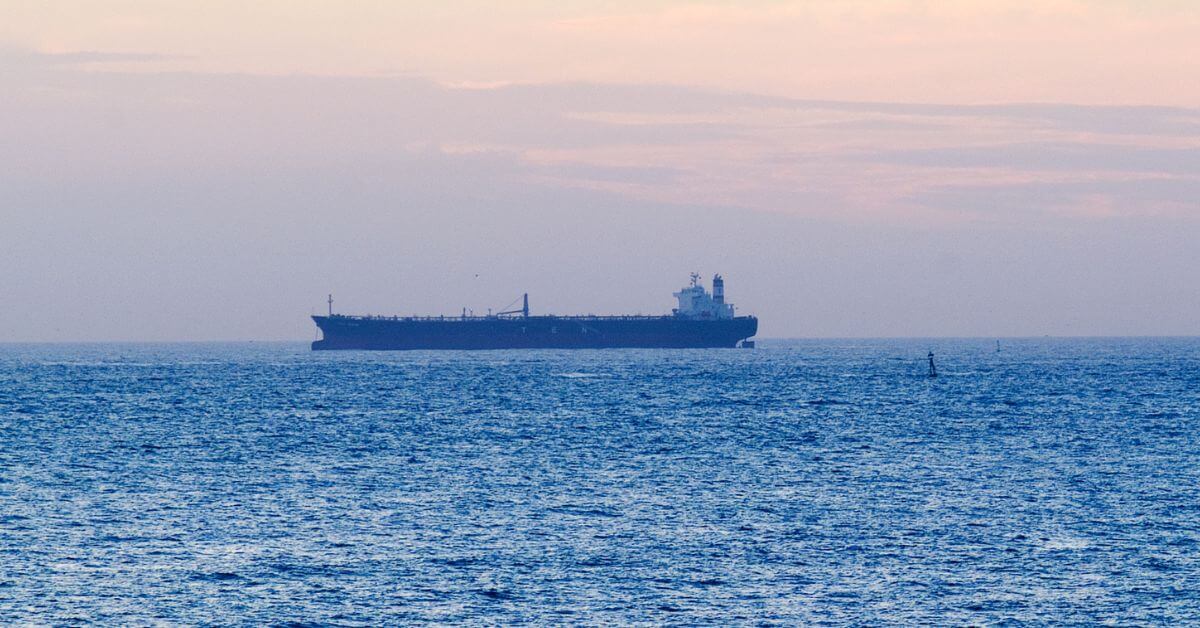
Two Filipino crew members were killed in the attack on a Bahri vessel near the Strait of Hormuz. This is not an isolated incident; it is a measurable data point in a region where maritime risks are escalating. The human cost is validated by empirical reports from Saudi Arabia's shipping company. Understanding these threats drives protection of global trade routes. For deeper context, our article "Gulf of Oman STS Transfers Max Out Amid Rising Saudi Oil Exports" examines related capacity pressures.
Securing the Strait: Navy SEALs Conduct Covert Mine Clearing Operation
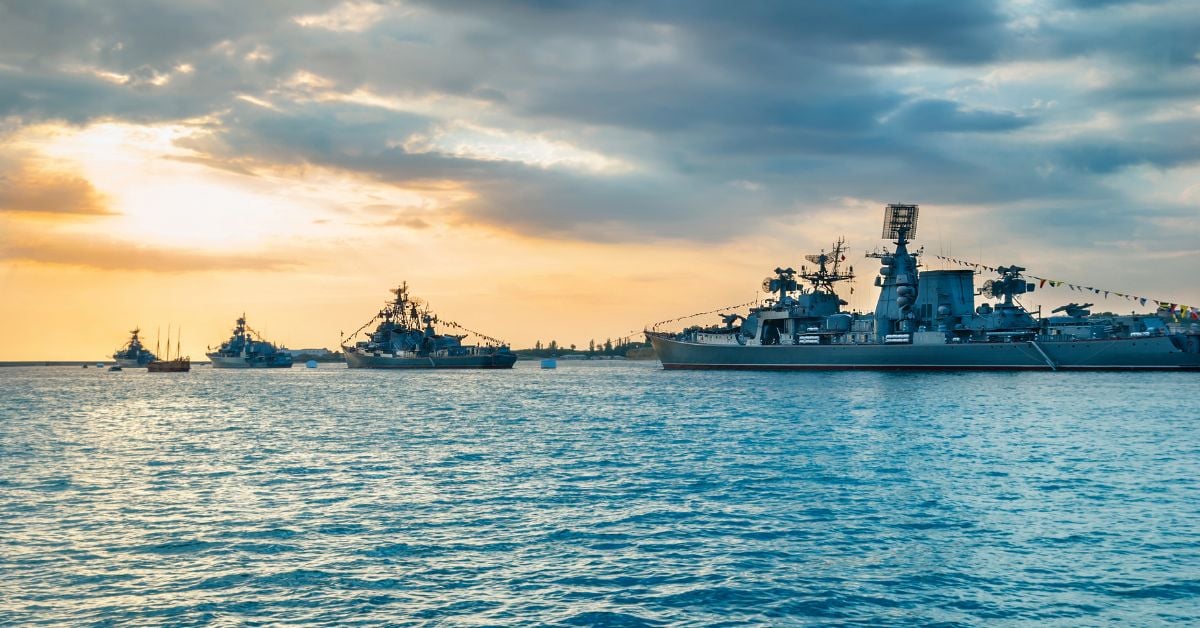
For four months, U.S. Navy SEALs operated in the Strait of Hormuz, clearing naval mines placed by Iran. This covert operation secures a waterway where geopolitical tension meets global energy flow. Measurable, empirical action, not rhetoric, protects maritime stability. It is the kind of calibrated, real-world intervention that underscores why integrated ocean intelligence matters. For deeper context on regional pressures, see our coverage of how Gulf of Oman STS transfers have maxed out amid rising Saudi oil exports.
Arctic Route Gains New Supply: Vostok Oil Flows to Northern Sea Route
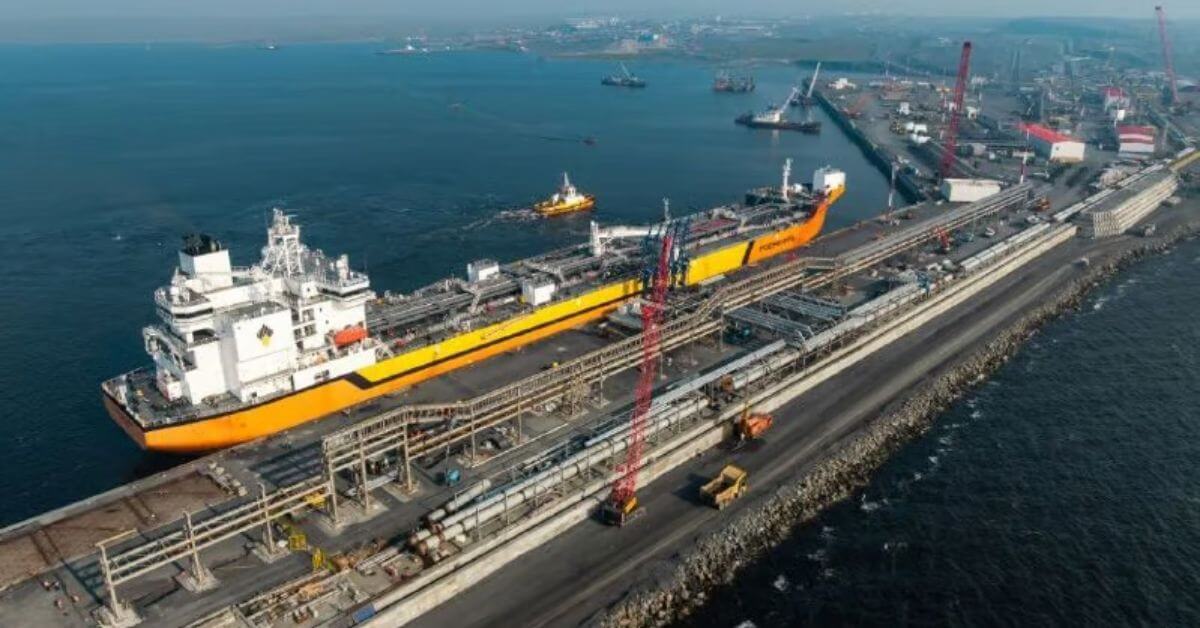
The first crude oil from Russia's Vostok Oil project has moved through the Arctic, adding a new supply line to the Northern Sea Route. It's a logistical step forward, but one that carries real strategic weight. The route's expansion is worth watching closely, especially as export revenues get recalibrated to fund new icebreakers. For a deeper look at that financial balancing act, our related coverage on Russia's export revenue plans is a useful next stop.
COSCO Rejects U.S. Claims of Espionage via Shipping Vessels
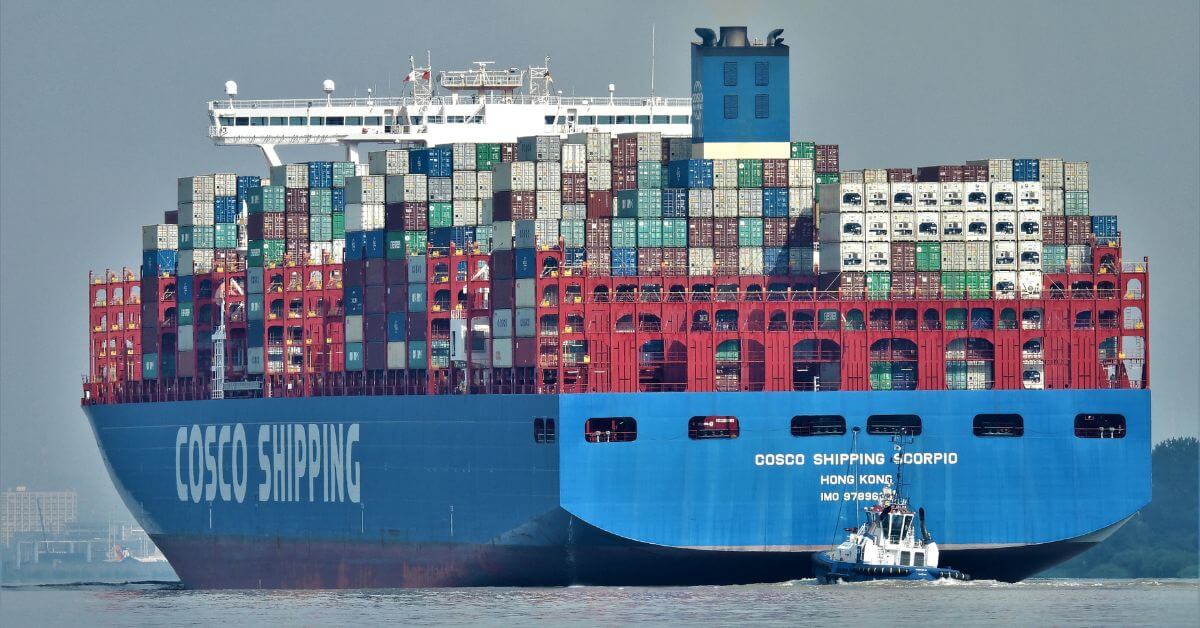
COSCO has firmly rejected U.S. accusations that its vessels collected military intelligence for Beijing, calling the claims unfounded. The denial cuts through a narrative that risks conflating legitimate global commerce with espionage, a distinction that matters for the rule-based shipping lanes the world depends on. Allegations without peer-reviewed evidence weaken trust, and trust is the ballast of maritime stability.
Enhanced Maritime Safety: India's New System Monitors High-Risk Regions
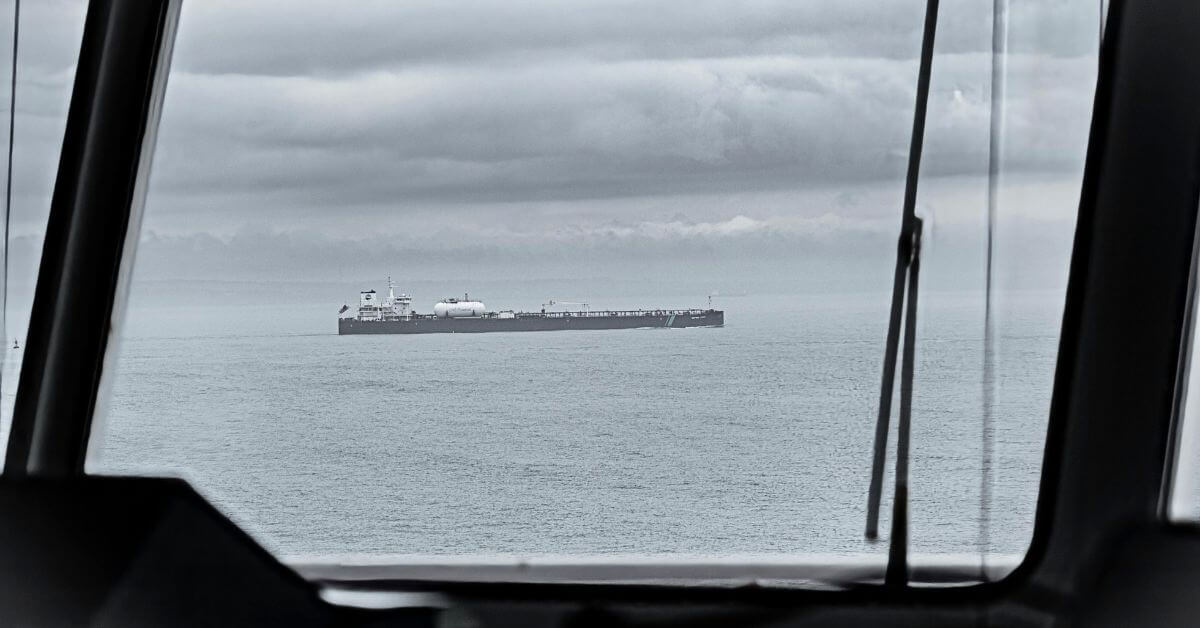
India's Directorate has issued a direct mandate: every vessel carrying Indian crew in designated high-risk regions must be registered in the new monitoring system without delay. That is not bureaucratic noise; it is a calibrated safety net. The move follows intense pressure on maritime routes, from Gulf of Oman STS transfers maxing out to pirate interventions off Somalia. This system is about prevention, not reaction. For crews operating where risk is highest, this is validation that their safety is measurable and prioritized.
Container Spill Near Philippines: Coast Guard Responds, Monitors Ocean Impact
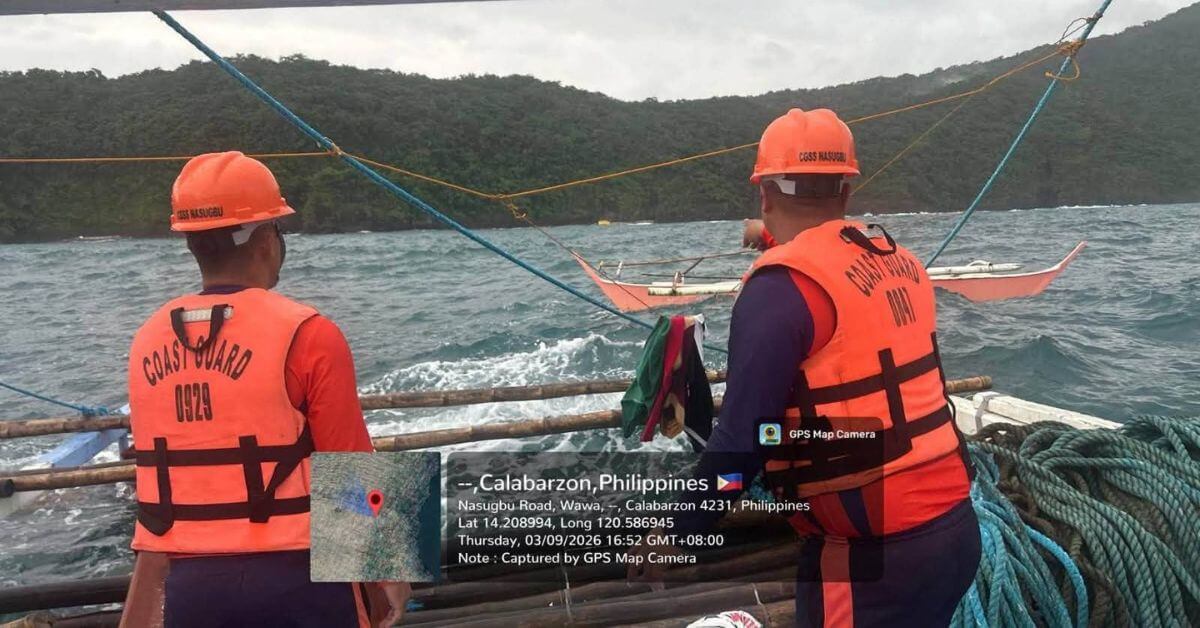
The Coast Guard has launched recovery operations after containers fell into the sea near Hamilo Point in Nasugbu, Batangas, with response teams now monitoring the ocean impact. Swift action matters here, though the scale of the challenge is considerable. Containers at sea are not just navigational hazards; they carry consequences for marine ecosystems that can outlast the immediate response. For deeper context on maritime incidents, our piece on the cargo ship fire near Mykonos offers a parallel look at how authorities handle unfolding emergencies.
Wind-Assisted Shipping: Norway's Project Drives Fuel Efficiency and Emission Reduction
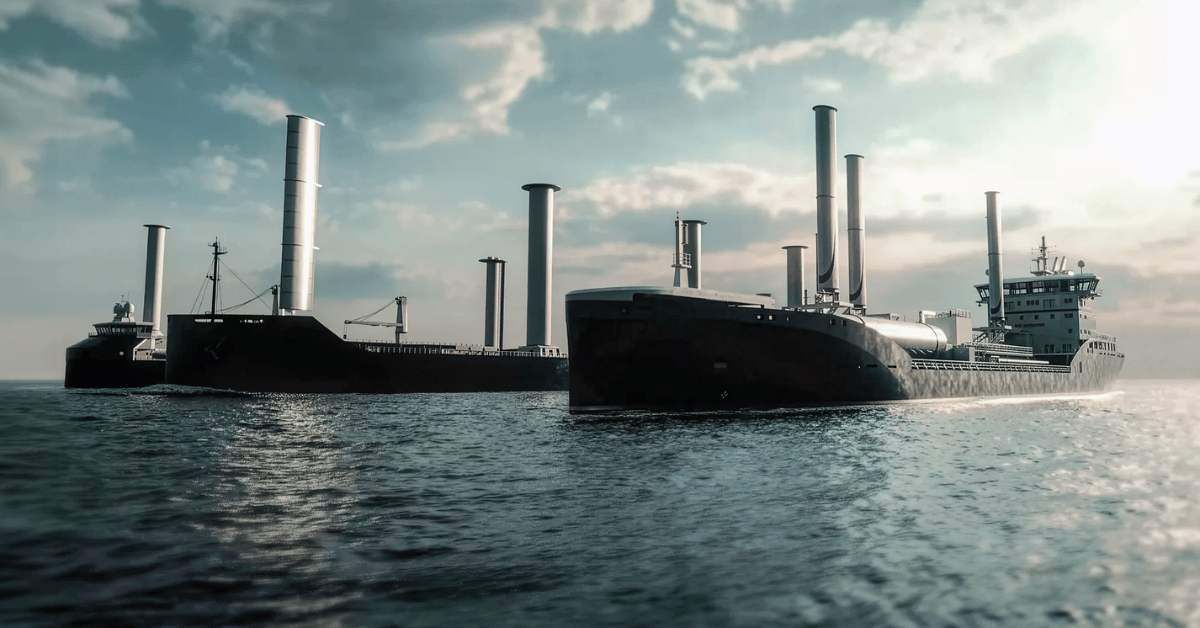
Norway's new NOK 68 million project treats wind as a measurable asset, not a romantic notion. Integrating wind propulsion directly into ship systems is a calibrated step toward validated fuel savings and real emission cuts. This is empirical progress, not hype. Understanding drives protection. For more on how integrated systems reshape ocean intelligence, see our coverage of "Integrated Subsea Cables Enhance Data Transmission Across the Indian Ocean."
Maersk Considers Bangladesh Shipbuilding Investment, Recycling Potential Explored
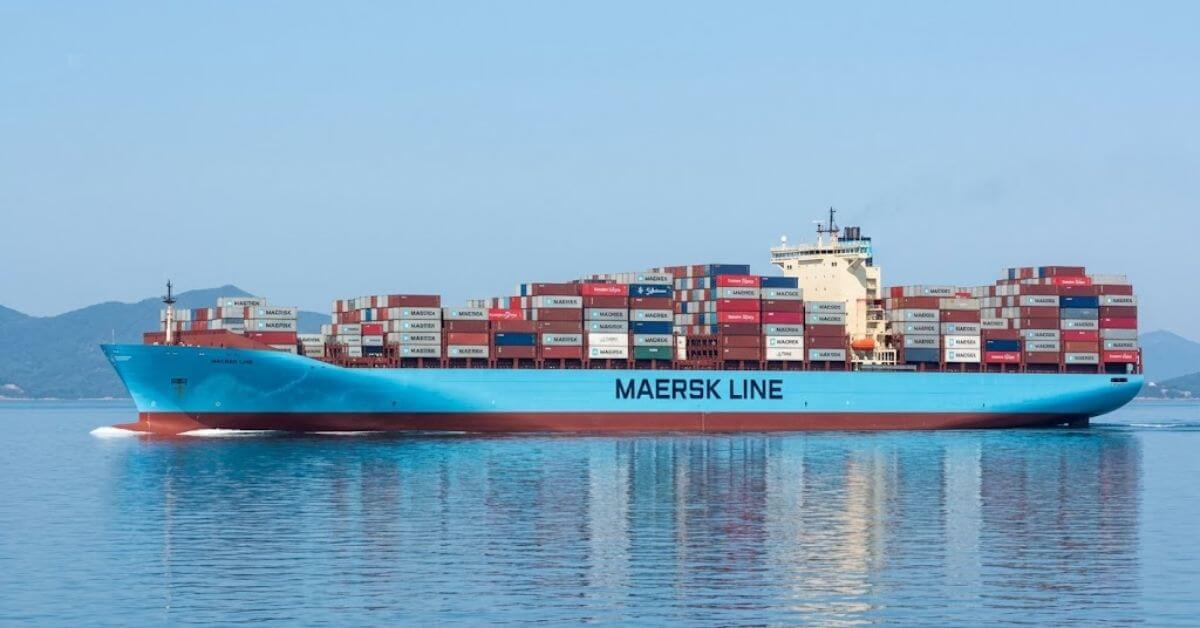
AP Moller-Maersk is weighing direct investment in Bangladesh's shipbuilding sector, a move that pairs commercial pragmatism with the country's growing recycling potential. The logic is sound: established yards and expanding industrial capacity offer Maersk a foothold in a region where vessel construction and end-of-life dismantling increasingly overlap. This is not speculative ambition; it is calibrated expansion. For context on how similar partnerships are shaping regional capabilities, our piece on the collaborative shipbuilding initiative in India offers a useful counterpoint.
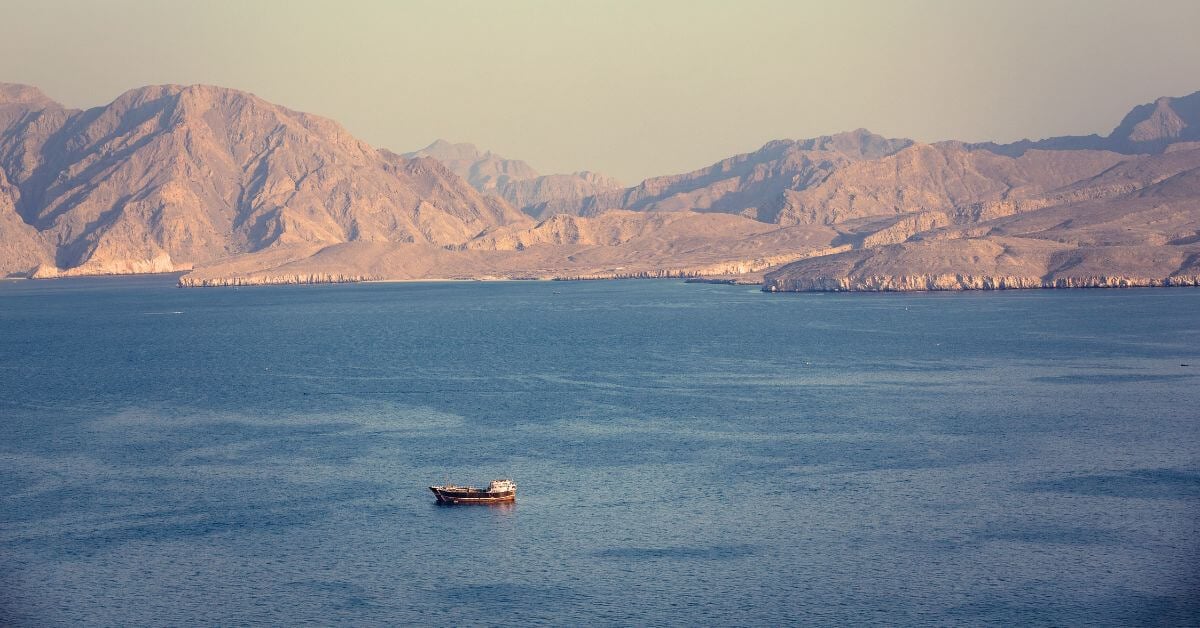
Geopolitical Shifts: Strait of Hormuz Renaming Proposal Sparks Debate
A proposal to rename the Strait of Hormuz has injected geopolitical friction into one of the world's most vital maritime chokepoints. President Trump asserted U.S. control over the strait on Truth Social, questioning whether it should be rebranded. The debate is more than symbolic; it carries real implications for shipping and energy security. For context on the region's mounting pressures, our piece on Gulf of Oman STS transfers maxing out offers a grounded look at the logistical strains nearby. Measured analysis matters here, not hyperbole.
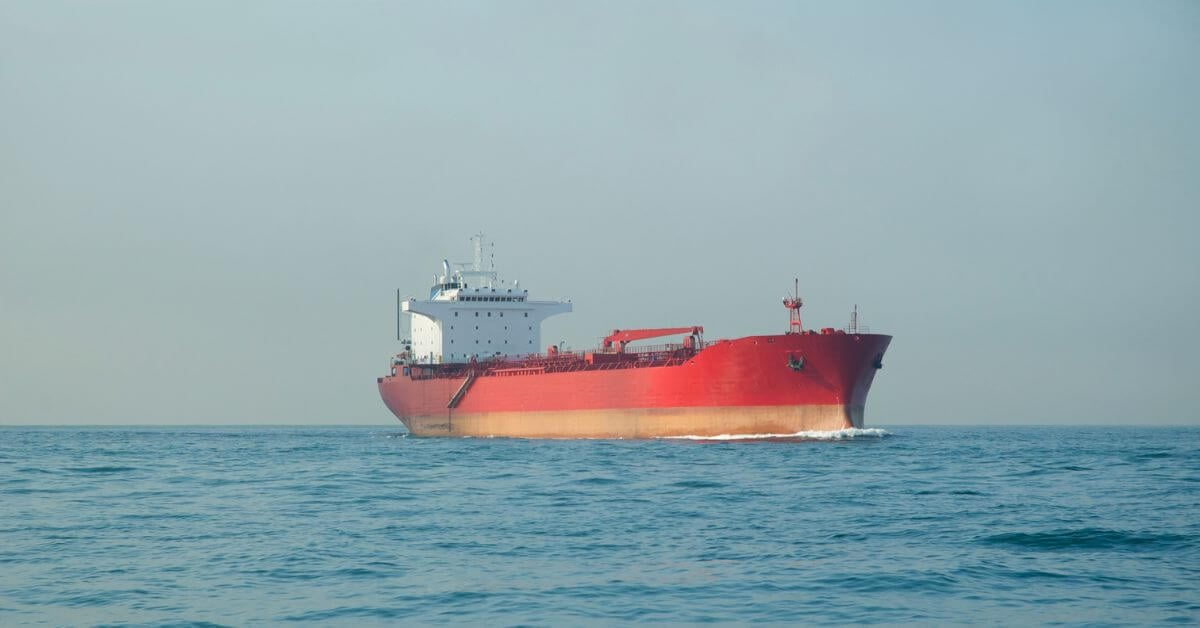
Strait of Hormuz Attack Claims Lives of Two Filipino Seafarers
Three projectiles struck a tanker leaving the Strait of Hormuz on Aug. 31, claiming the lives of two Filipino seafarers, according to the UK Maritime Trade Operations. The attack underscores a volatile corridor where commercial risk and geopolitical friction converge. Every incident here carries measurable human cost, not just tonnage delays. For context on how regional dynamics shape these waters, our coverage of phased negotiations to ease Strait restrictions offers a deeper look at what is at stake diplomatically.
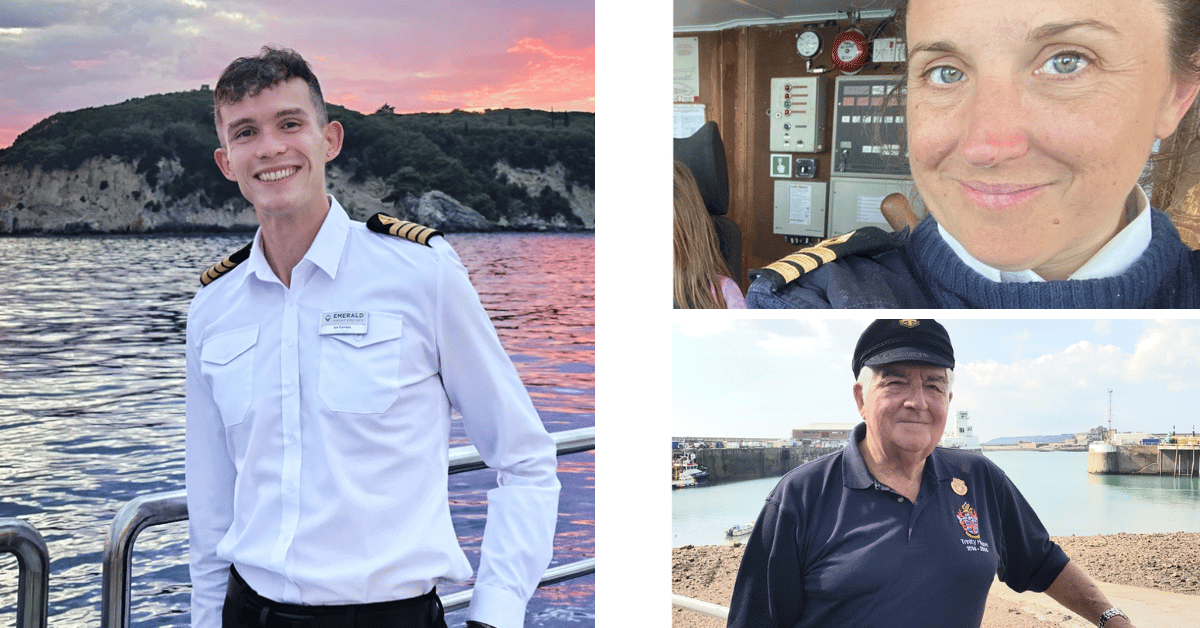
Maritime Professionals Honored for Service to UK Shipping Industry
Eleven seafarers have earned the Merchant Navy Medal for their service to the UK shipping industry, a recognition that carries weight where it matters most: at sea. This honor reflects the steady, often unseen work that keeps global trade moving and maritime operations sound. We value recognition grounded in demonstrated contribution, and this award delivers exactly that. For more on how maritime efforts extend beyond commerce into security, see our coverage of recent drug interdictions supporting ocean safety. Congratulations to all honored.
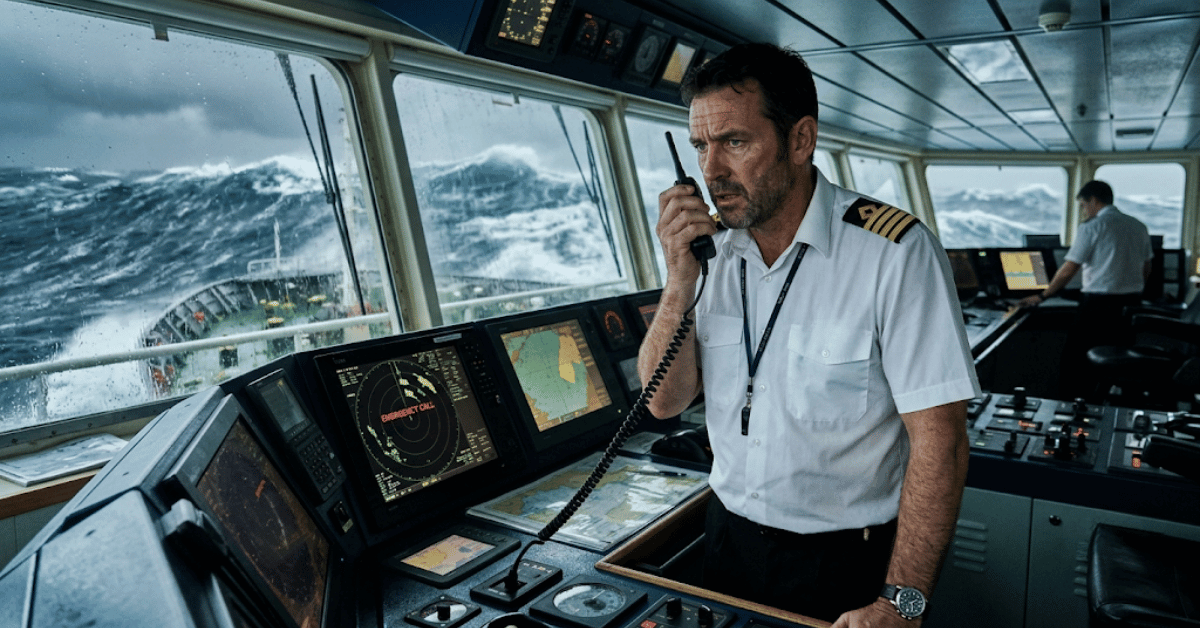
Data-Driven Insights Predict Maritime Emergencies, Highlighting Weather Risks
Weather emerges as the dominant force in maritime safety, according to Inmarsat's analysis of 106,975 safety broadcasts. The data is clear: urgent warnings stem most frequently from weather-related risks, reinforcing that preparedness begins with environmental awareness. This is actionable intelligence for an industry where foresight saves lives. For readers tracking operational resilience, our coverage of Russia's icebreaker fleet strategy offers a complementary perspective on how nations are calibrating infrastructure against Arctic conditions. Understanding these patterns is not optional; it is the foundation of safer seas.
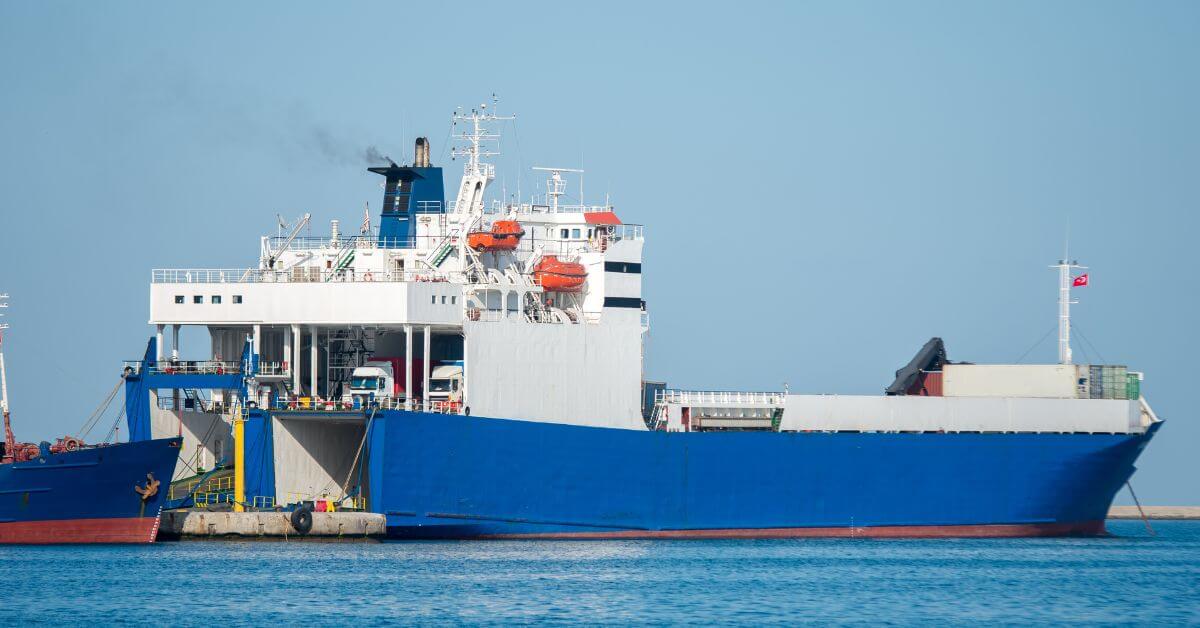
Shipping Constraints Impact Indian Automotive Exports Amid Geopolitical Shifts
India's automotive export engine is idling at the dock. The vessels required to move finished cars out of Indian ports are falling short of demand, a shortage that arrives amid shifting geopolitical currents. This is not a logistical footnote; it is a constraint that will test supply chain resilience. For a sector already navigating global turbulence, the scarcity of shipping capacity adds a measurable layer of pressure. The challenge is clear: without sufficient carriers, momentum stalls.
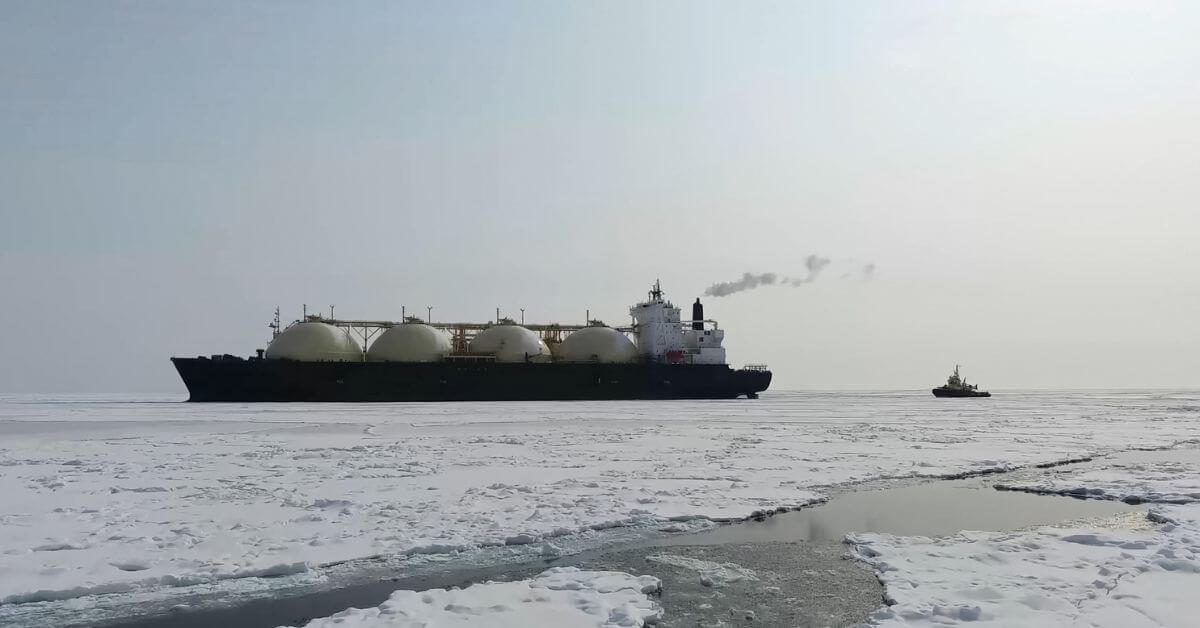
Arctic LNG 2 Capacity Expands with New Ice-Class Carrier Fleet.
The Arctic's harshest routes just became more navigable. A Russian-built, advanced ice-class LNG carrier has joined the fleet serving Arctic LNG 2, enabling year-round operations in waters that once dictated seasonal limits. This is practical ocean intelligence: the capacity to move gas reliably through extreme conditions strengthens the entire maritime energy chain. For readers tracking parallel shifts in global shipping, our coverage of Paradip Port's new mega port status offers another example of infrastructure evolving to meet demand.
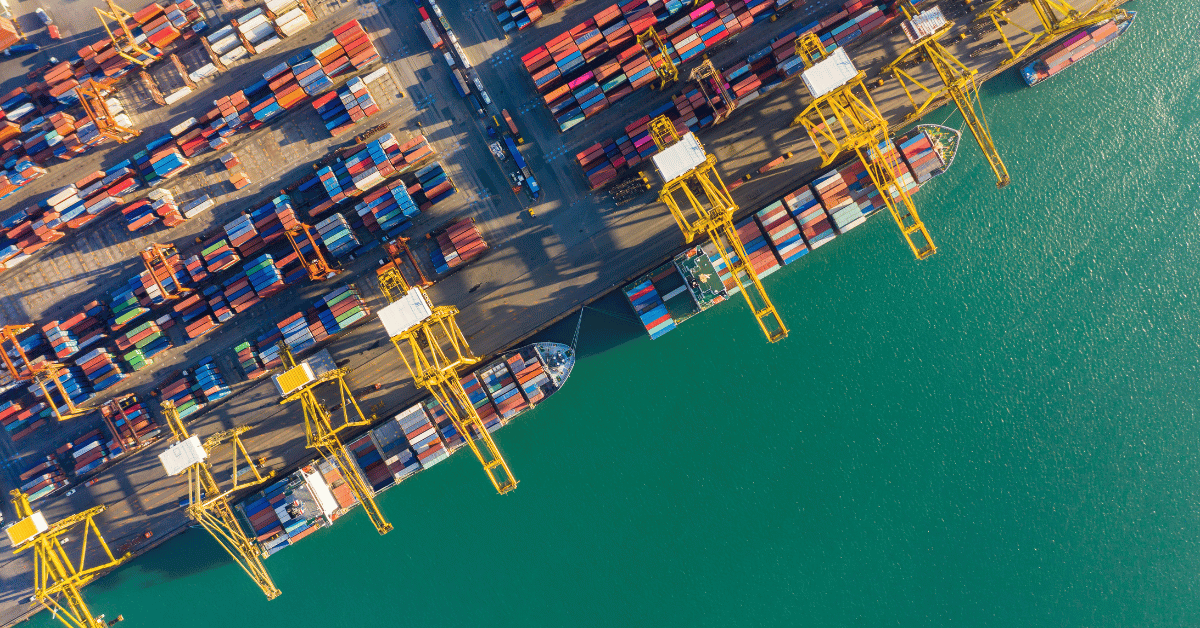
India Charts Course for European Shipping Collaboration at SMM 2026
India's push for European shipping collaboration at SMM 2026 arrives as the sector confronts rising geopolitical and economic pressures. The gathering signals a deliberate move toward integrated maritime strategy, where shared data and calibrated responses matter more than unilateral action. This is not about optics; it is about building resilience. For those tracking the broader picture, our coverage of the bulk carrier freed near Gladstone offers a practical reminder of how operational challenges test that very resilience.
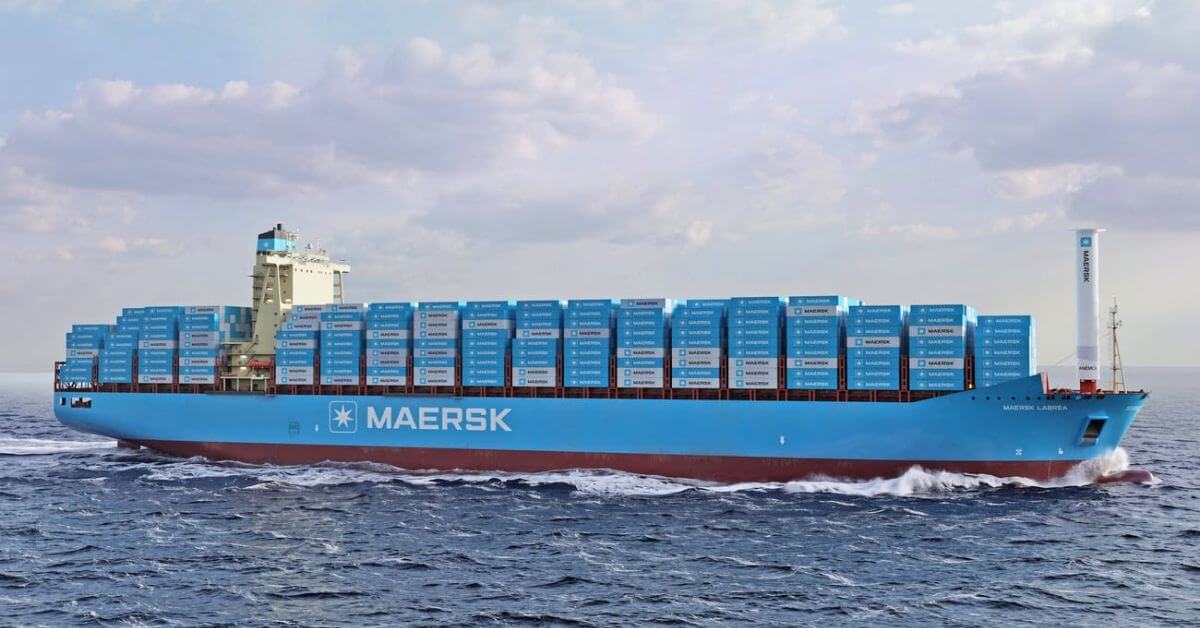
Data-Driven Wind Propulsion: Maersk Integrates Rotor Sail Technology
Anemoi has already fitted its Rotor Sail technology across bulk carriers, and now Maersk is integrating that same system into its fleet. The move signals a practical step toward measurable fuel efficiency, not a gesture. Wind propulsion is no longer a concept study; it is operational hardware earning its place beside conventional power. For readers tracking maritime risk and resilience, our coverage of the drone strike near the Strait of Hormuz shows how quickly operational realities shift.
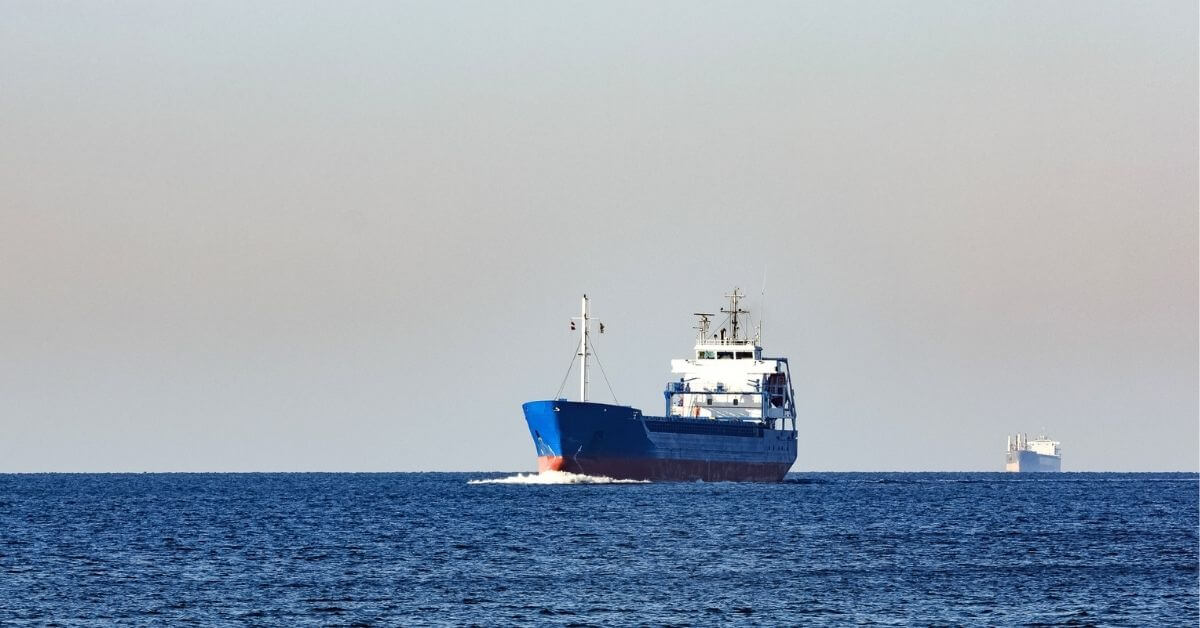
Strait of Hormuz: Iran Investigates Bulk Carrier Over Pollution Incident
Iran's investigation into a bulk carrier over a pollution incident in the Strait of Hormuz underscores the region's mounting environmental scrutiny. The vessel remains under judicial proceedings, even as authorities confirm the contamination has been cleaned. Enforcement here is as much about accountability as it is about prevention. For context on how pressure builds across these waters, our coverage of Gulf of Oman STS transfers maxing out offers a useful parallel. Measured oversight, applied consistently, is what protects vital chokepoints.
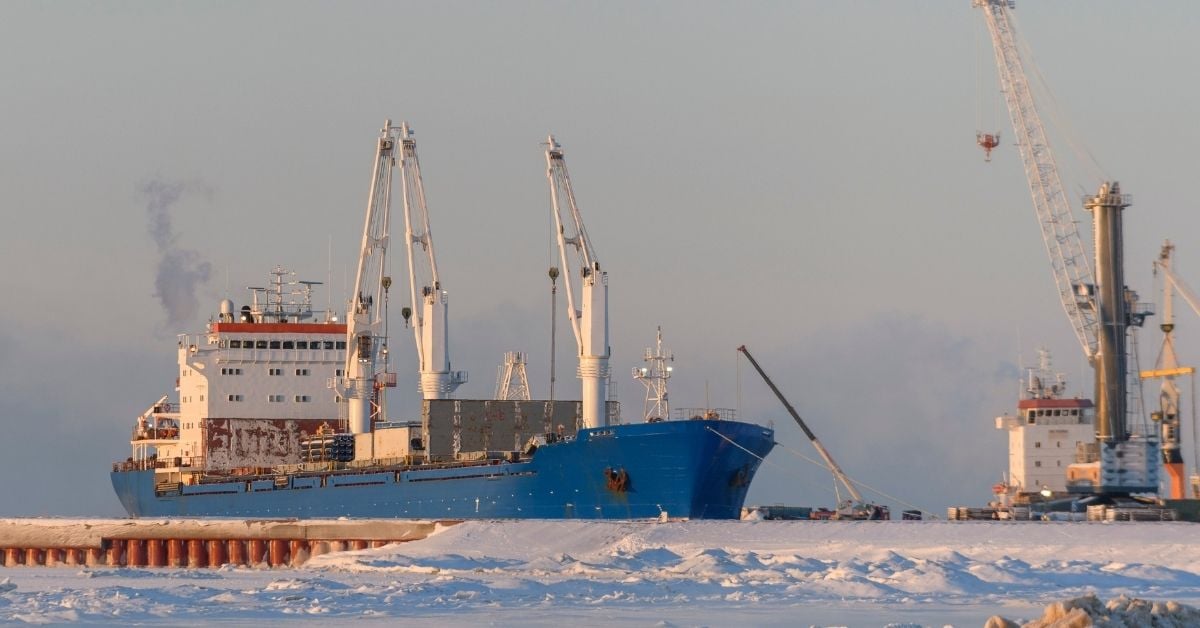
Canadian Grain Resumes European Shipping Via Churchill Port After Six-Year Hiatus
Thirty thousand tonnes of durum wheat now sit aboard a vessel bound for Europe, the first such departure from Churchill, Manitoba, in six years. This resumption of Canadian grain shipping through the Port of Churchill signals a practical return to a vital Arctic corridor. It is a measured step, but a telling one for northern logistics. For broader context on shifting Arctic trade routes, our coverage of the Vostok Project's Arctic oil exports offers a parallel view.
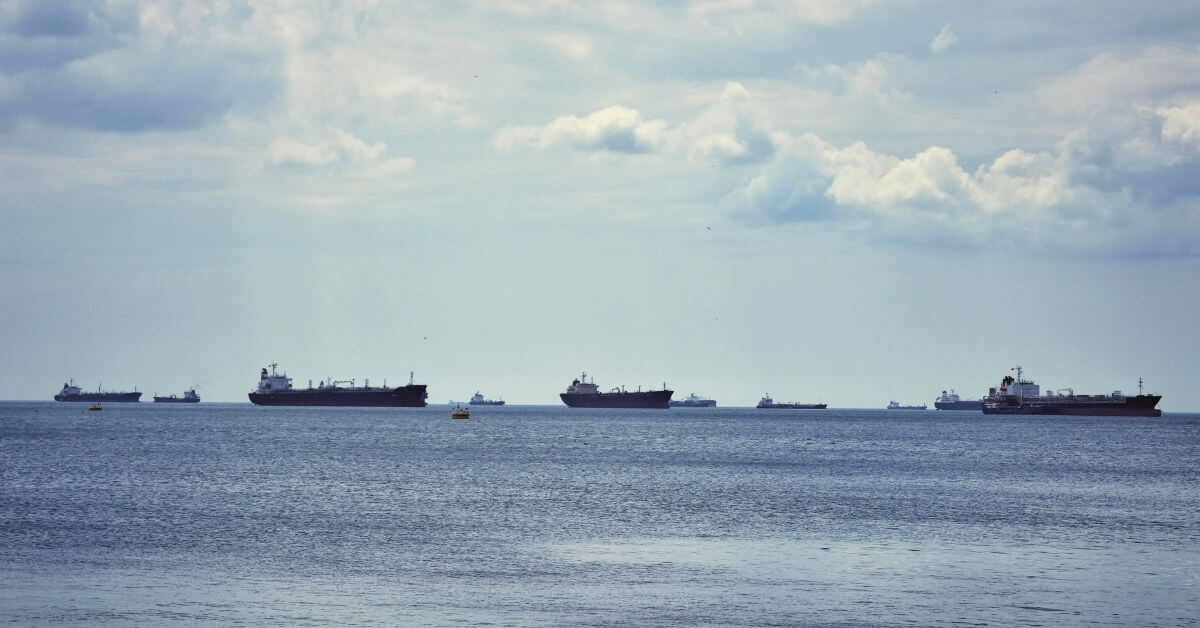
Maritime Traffic Shifts: Iran Intercepts Vessels Near Strait of Hormuz.
The Strait of Hormuz has become a chokepoint under pressure, with more than 1,500 oil tankers and 1,700 commercial vessels transiting the designated route before the war began in January 2026. Now, Iran's interceptions of vessels near these waters signal a hardening reality. This is not alarmism; it is measured observation. Disruptions here carry global consequences, and understanding the pattern matters. For broader context, our related piece on Gulf of Oman STS transfers offers a useful lens on how regional capacity is straining.
Geopolitical Tensions Rise as Iranian Leader Addresses Regional Security.
Iran's Supreme Leader, Mojtaba Khamenei, has called on Muslim nations to identify their "real enemy" and confront it collectively, framing regional security as a shared test of unity. The message is direct, and it carries weight in a region where alliances shift with the current. We see this not as rhetoric alone, but as a signal with measurable consequences.
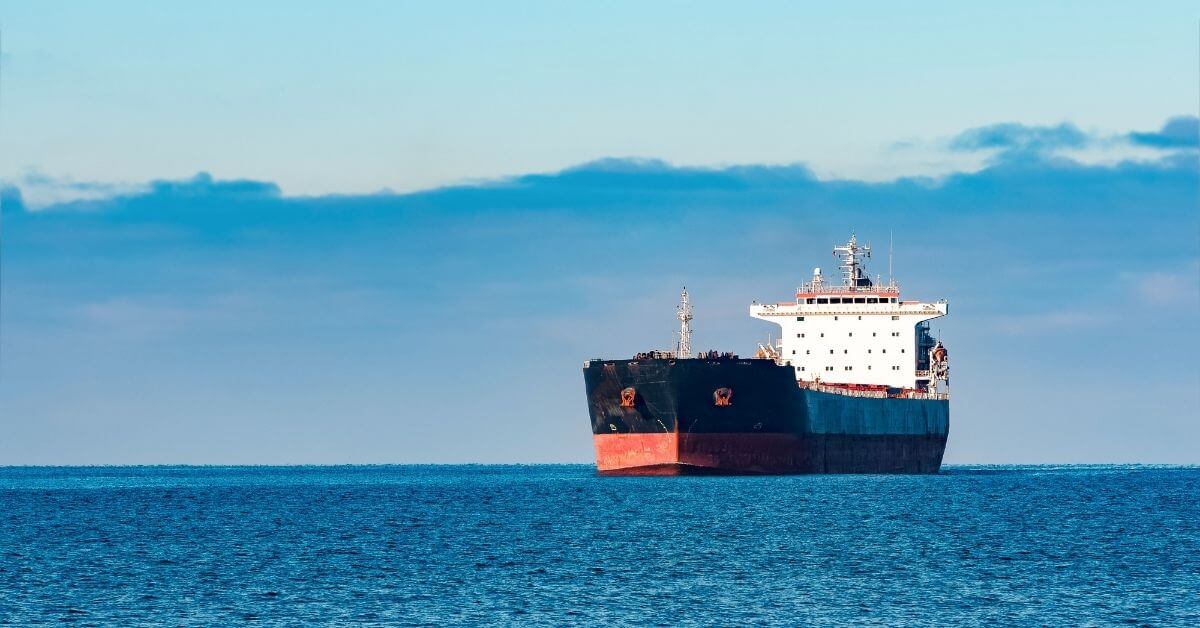
Escalating Tensions: Iran Condemns New Sanctions Amid Strait of Hormuz Discussions
Iran's designation of the new U.S. sanctions as "economic terrorism" sharpens a confrontation with direct consequences for civilian welfare across the region. The measures, as framed by Tehran, place the health and livelihoods of millions in a precarious balance, and that framing demands attention. This is not abstract geopolitics; it is a tangible pressure point with human cost.
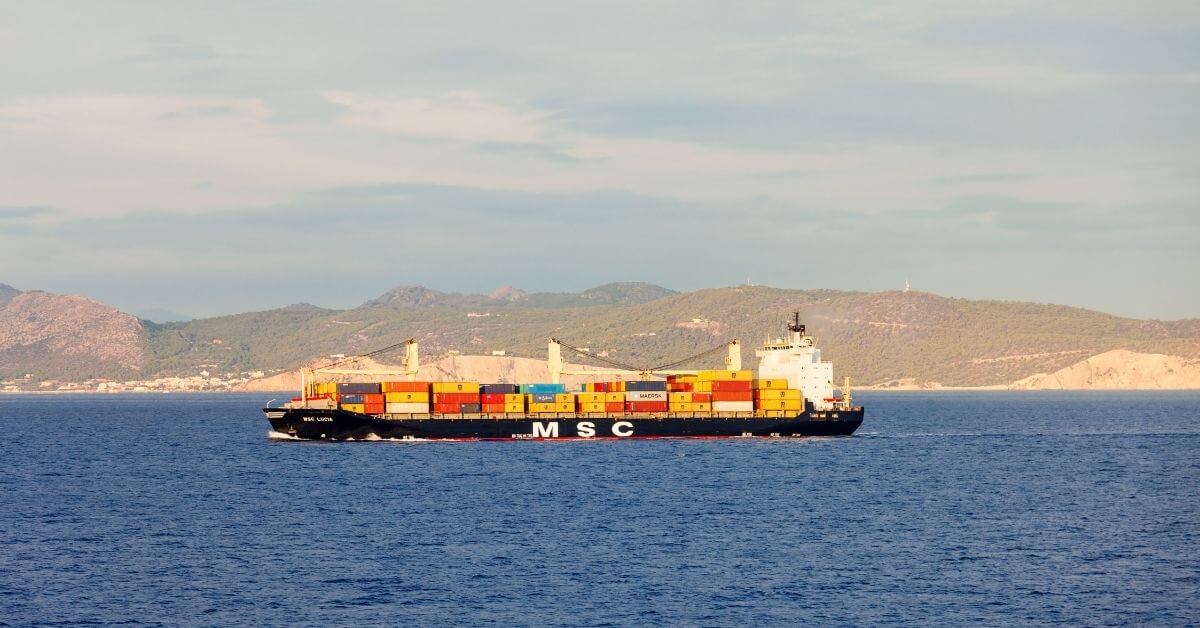
Shipping Giant Pauses Bookings at Russian Port Following Vessel Attack
The MSC Ulsan III, a Panama-flagged vessel built in 2004, now sits at the center of a commercial pause. Shipping Giant has halted bookings at Russian ports following the attack on the ship, a decisive move that prioritizes operational safety over market reach. The vessel's capacity of roughly 2,700 TEUs underscores the logistical weight behind this decision. It is a measured response to a volatile situation, reinforcing that maritime security is non-negotiable.

Geopolitical Shifts: Lake Ontario’s Name Sparks Transnational Data Debate.
A four-century-old name now anchors a transnational data dispute. The Canadian Prime Minister's stance, reaffirmed on X, is clear: Lake Ontario remains Lake Ontario, despite pressure to rename it. This is not merely cartographic nostalgia. It is a question of who controls the narrative of shared waters. Names carry empirical weight in ocean intelligence. We see similar tensions in the Strait of Hormuz, where geopolitical posturing shapes maritime data flows.
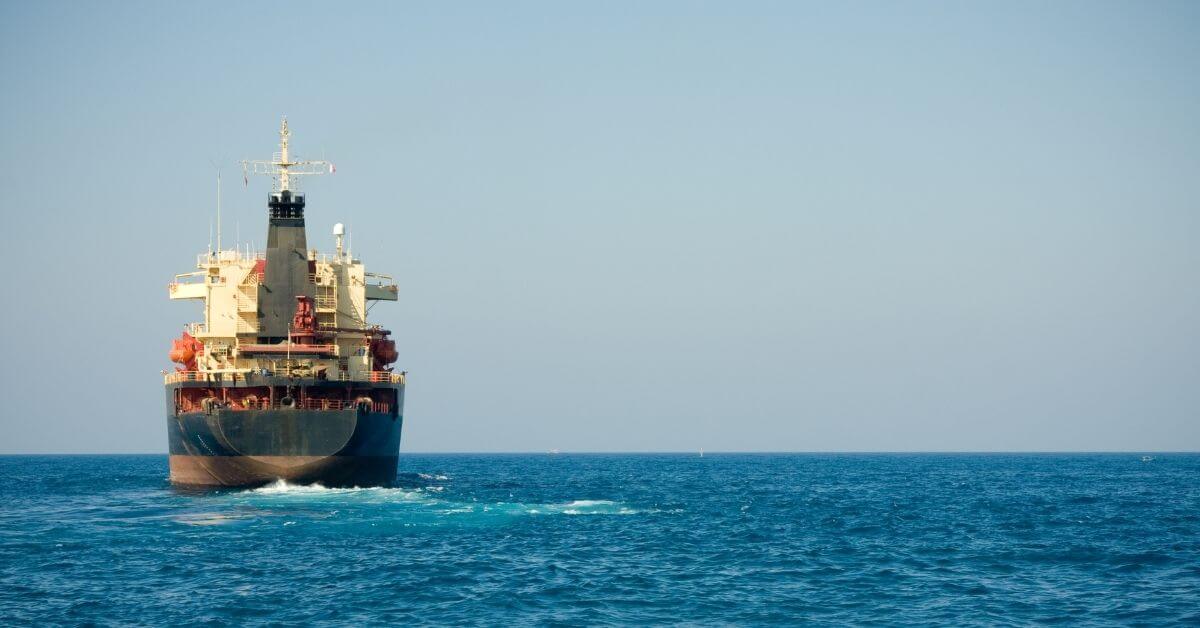
Tanker Diverts Amid Iranian Warship Warning in Strait of Hormuz
The HAANA's diversion in the Strait of Hormuz, after a large Iranian warship issued a warning, underscores how fragile this waterway has become. The vessel's pivot to the southern "Oman corridor" is a measured response to a volatile moment, yet it speaks to a broader tension that shippers cannot ignore. We see this as a reminder that maritime routes demand constant recalibration.