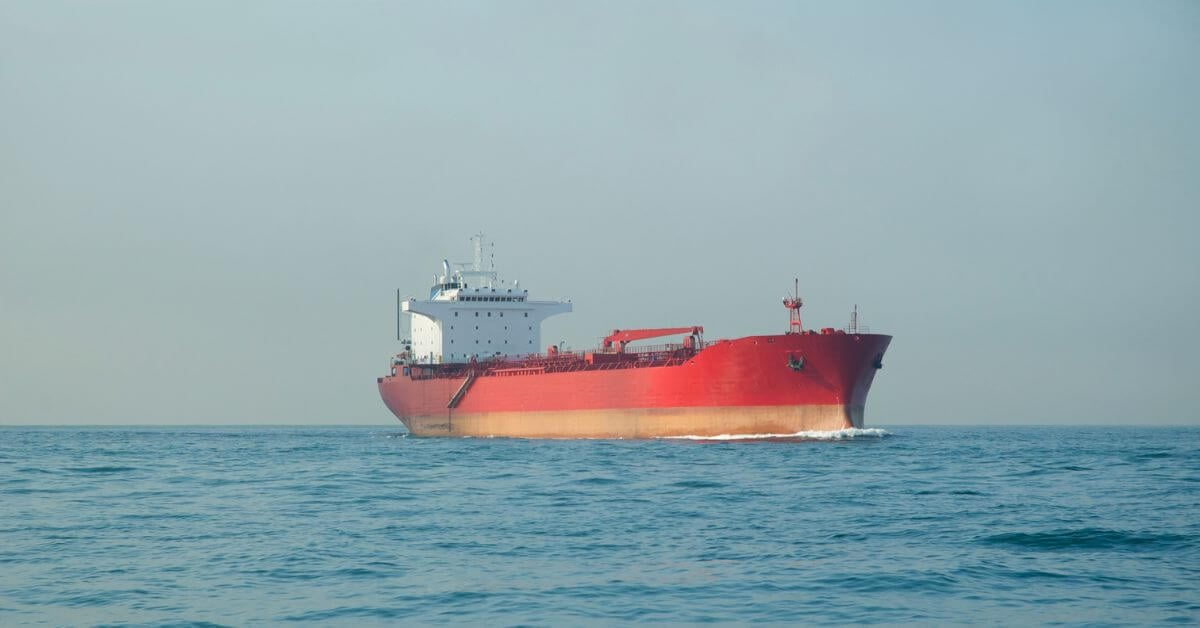
Two Filipino seafarers are dead, and the only confirmed detail is that three unknown projectiles struck a tanker leaving the Strait of Hormuz. The UK Maritime Trade Operations reported the attack on August 31, but we do not yet know who fired, why, or whether this was a targeted strike or a tragic miscalculation. What we do know is that this incident did not happen in a vacuum. It comes as Phased Negotiations Aim to Ease Restrictions on Strait of Hormuz, a diplomatic track that now carries even heavier weight. Meanwhile, Gulf of Oman STS Transfers Max Out Amid Rising Saudi Oil Exports, a sign that the region's maritime infrastructure is already operating at its limits. These are not separate stories; they are pressure points on the same map.
We should be direct with our readers about what this means practically. For every seafarer on a tanker in this corridor, the risk calculus has changed. The attack did not disrupt global oil markets the way some might expect, but it did something more insidious: it added a layer of uncertainty to every transit decision made in the coming weeks. If negotiations are to proceed, they will do so against a backdrop of incidents like this one, where the human cost is not a bargaining chip but a hard fact. The lives lost are not statistics; they are a reminder that maritime security is not an abstract policy debate. It is about people who move the world's energy, often under flags of convenience and with limited protection. We would tell any reader who asks: do not mistake a single incident for a trend, but also do not assume that diplomatic progress means the threat has passed.
The related reporting on Maritime Interdictions Yield 25,000 Pounds of Cocaine, Supporting Ocean Security shows that naval forces can act decisively when they have clear targets. But interdictions and negotiations operate on entirely different timelines. A cocaine seizure is measurable; a diplomatic breakthrough is not. The Strait of Hormuz is a choke point where roughly a fifth of global oil consumption passes, and every closure, every attack, every near-miss compounds the pressure on shipping companies, insurers, and the seafarers who have no choice but to sail through. The practical takeaway is blunt: until there is a verified, enforceable security framework, the cost of doing business here will include risk to life. That is not alarmism; it is the arithmetic of an ungoverned stretch of water.
What we are watching for is whether this incident changes the negotiation calculus. A phased deal may still be possible, but it will now have to account for the fact that projectiles are still being fired, and that the people most exposed have no seat at the table. The concrete point to follow is whether the flag states of the vessels involved, particularly the Philippines, will push for a formal investigation with public findings. If they do, we may learn whether this was a warning shot that missed its mark or a deliberate escalation. If they do not, the families of those two seafarers will never know, and the next crew will simply have to hope that their transit is the one that goes unnoticed. That is not a sustainable strategy, and it is not a price any nation should ask its citizens to pay in silence.